
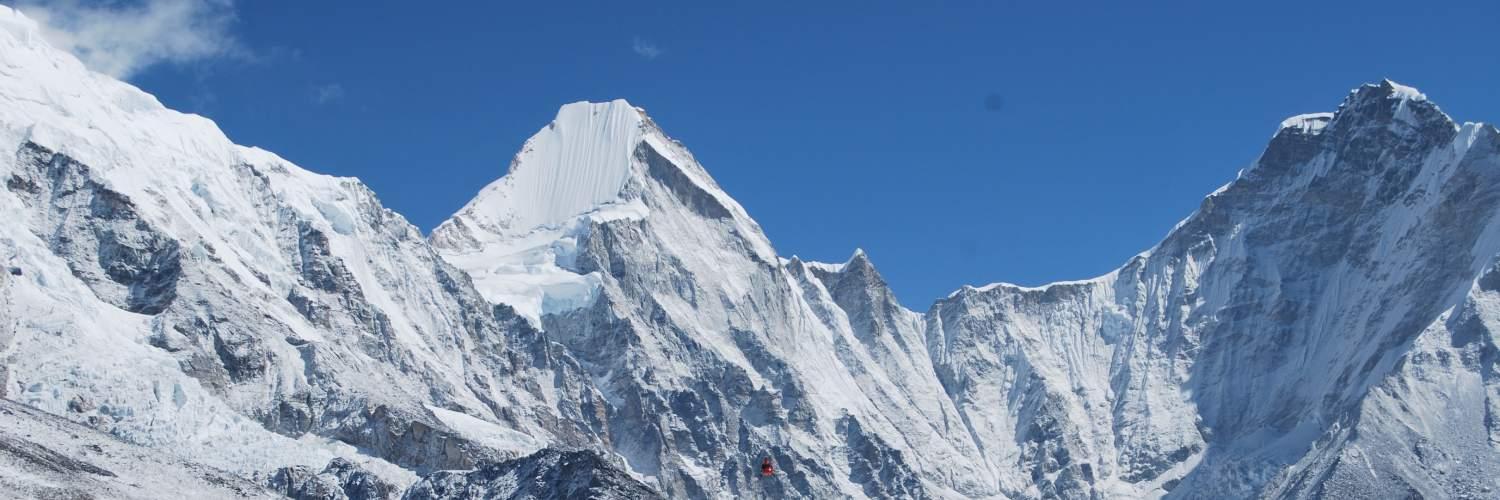
At Best Heritage Tour, we often tell our guests that Nepal isn’t just a destination; it’s a living, breathing experience that shifts its mood with the sun and the clouds. Whether you are dreaming of standing at the foot of Mount Everest, exploring the medieval brick-paved streets of Bhaktapur, or tracking a Royal Bengal Tiger through the tall grass of Chitwan, timing is everything.
Choosing when to visit Nepal depends entirely on what you want to do. Are you here for the high-altitude challenge of the Annapurna Circuit, or are you looking for a spiritual immersion during the vibrant festivals of Dashain and Tihar?
In this comprehensive 2026 guide, we break down Nepal’s seasons to help you plan the perfect journey.
1. The Golden Window: Autumn (September to November)
Best for: High-Altitude Trekking, Photography, and Major Festivals
Ask any seasoned traveler or local guide, and they will tell you: Autumn is the "Queen of Seasons" in Nepal. As the monsoon rains retreat in late September, they leave behind a world that is washed clean, lush, and incredibly vibrant.
Why Autumn Wins:
-
Crystal Clear Skies: The dust has been settled by the rains, offering the best visibility of the year. The white peaks of the Himalayas stand out in sharp contrast against a deep blue sky.
-
Stable Weather: This is the safest time for trekking. The risk of flight cancellations to remote airstrips like Lukla is at its lowest.
-
Festive Spirit: You get to witness Nepal at its most joyous. Dashain, the longest and most significant Hindu festival, usually falls in October, followed by Tihar (the Festival of Lights).
Top Recommendations:
If you are planning the Everest Base Camp (EBC) Trek or the Manaslu Circuit, this is your window. At Best Heritage Tour, we recommend booking these months at least six months in advance, as the best teahouses fill up quickly.
2. The Awakening: Spring (March to May)
Best for: Wildlife, Rhododendron Forests, and Climbing Expeditions
Spring is the second most popular time to visit, and for many, it’s even better than autumn. It is a season of rebirth. The weather gradually warms up, and the valleys start to "wake up" from their winter slumber.
The Spring Highlights:
-
The Rhododendron Bloom: Nepal’s national flower, the rhododendron, paints the hillsides in shades of crimson, pink, and white. Between 2,000m and 3,000m, the forests look like something out of a fairy tale.
-
Mountaineering Energy: This is the primary climbing season. If you visit Everest Base Camp in April or May, you’ll find it bustling with world-class climbers and colorful tents, creating an electric atmosphere.
-
Wildlife Sightings: In the southern plains of Chitwan and Bardia National Parks, the tall elephant grass is cut back by locals, making it much easier to spot rhinos and tigers.
Pro-Tip:
As May progresses, the heat builds up in the lower regions, and a haze can sometimes settle in the valleys. If you want the clearest views, aim for late March or early April.
3. The Quiet Path: Winter (December to February)
Best for: Low-Altitude Trekking, Cultural Tours, and Avoiding Crowds
Don't let the "off-season" label fool you. Winter in Nepal is spectacular if you have the right itinerary. While the high passes (like Thorong La) might be blocked by snow, the lower hills and the Kathmandu Valley are bathed in brilliant sunshine during the day.
Why Go in Winter?
-
Unrivaled Solitude: Imagine having a viewpoint like Poon Hill almost entirely to yourself. The trails are quiet, and you can truly connect with the mountain stillness.
-
Crisp Photography: While it’s cold, the air is the driest it will ever be. The visibility for sunrise and sunset photography is often superior to any other season.
-
Lower Costs: Many luxury lodges and boutique hotels offer "winter rates," allowing you to enjoy a premium experience for a fraction of the price.
Where to Go:
Stick to cultural tours in Kathmandu, Patan, and Bhaktapur, or head to Pokhara for a peaceful lakeside retreat. For trekkers, the Ghorepani Poon Hill or the Langtang Valley (lower sections) are perfect winter choices.
4. The Verdant Escape: Summer/Monsoon (June to August)
Best for: Rain-Shadow Treks, Botanical Interest, and Budget Travelers
The monsoon is often dismissed by tourists, but it holds a secret: the Rain-Shadow Regions. While most of Nepal is receiving heavy rain, areas behind the great Himalayan wall remain dry and accessible.
The Hidden Perks:
-
Mustang and Dolpo: These regions are geographically part of the Tibetan plateau. While the rest of the country is wet, Upper Mustang is basking in dry, desert-like beauty. This is the absolute best time to visit these "Forbidden Kingdoms."
-
Lush Landscapes: The waterfalls are at their most thunderous, and the terraced fields of the mid-hills are a neon green that has to be seen to be believed.
-
The Ropain Festival: You can join local farmers in the "Rice Planting Festival," a muddy, musical, and incredibly fun cultural experience.
Things to Watch Out For:
Travel in the monsoon requires flexibility. Road trips can be delayed by mud, and leeches are common on forest trails. We recommend flying into rain-shadow areas rather than driving.
Month-by-Month Snapshot for 2026
|
Month |
Season |
Best Activity |
Weather Sentiment |
|---|---|---|---|
|
January |
Winter |
Cultural Tours |
Cold nights, but brilliant sunny days. |
|
February |
Winter |
Low-altitude treks |
Still chilly; great for Shivaratri festival. |
|
March |
Spring |
Wildlife Safaris |
Warmth returns; flowers begin to bloom. |
|
April |
Spring |
High-altitude treks |
Peak season; perfect balance of temp & views. |
|
May |
Spring |
Climbing / EBC |
Warm and lush; slightly humid in the plains. |
|
June |
Monsoon |
Upper Mustang |
Rain begins; best for rain-shadow regions. |
|
July |
Monsoon |
Cultural Immersion |
Heavy rain; nature is at its greenest. |
|
August |
Monsoon |
Festival Tours |
Rain tapers off; great for Indra Jatra festival. |
|
September |
Autumn |
Trekking Kickoff |
Post-rain clarity returns late in the month. |
|
October |
Autumn |
Everything! |
The ultimate month; Dashain festivities. |
|
November |
Autumn |
Photography |
Cool, dry, and incredibly clear skies. |
|
December |
Winter |
Pokhara / Chitwan |
Quiet trails; great for luxury travelers. |
Frequently Asked Questions (FAQ)
1. Is it safe to trek during the monsoon in Nepal?
It is safe if you choose the right region. We advise against the Annapurna Base Camp or Everest regions in July because of slippery trails and clouds. However, Upper Mustang is perfect during this time.
2. When is the best time for a "luxury" tour in Nepal?
October and November offer the best weather, but if you want to avoid the "trekking traffic," March or late February are excellent for a high-end cultural and wellness experience.
3. Will I see Everest if I go in the winter?
Yes! In fact, the visibility in December and January is often better than in May. You just need to be prepared for sub-zero temperatures at night.
Conclusion
There is no "wrong" time to visit Nepal, only different experiences. At Best Heritage Tour, we specialize in tailoring your itinerary to the rhythm of the seasons. Whether you want to witness the golden light of autumn on the face of Ama Dablam or the misty green valleys of the monsoon, we ensure your journey is safe, authentic, and unforgettable.
Nepal is waiting for you in 2026. The mountains haven't moved, but the experience changes every month.
Ready to start planning your 2026 Himalayan adventure?
Contact the Best Heritage Tour team today to get a customized itinerary based on your preferred travel dates!
Phone / WhatsApp / Viber: +977-9851149197 / +977-9810043046
Email: info@bestheritagetour.com / bestheritagetour@gmail.com
Website: www.bestheritagetour.com
Office: Thamel Marg, Kathmandu, Nepal
Author: Best Heritage Tour
Date: 4th February, 2026