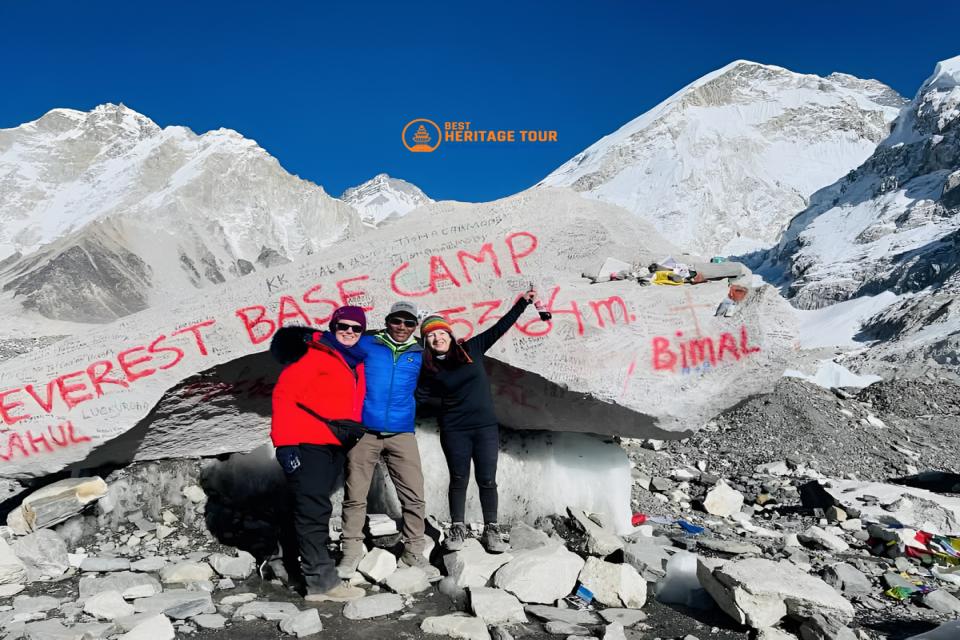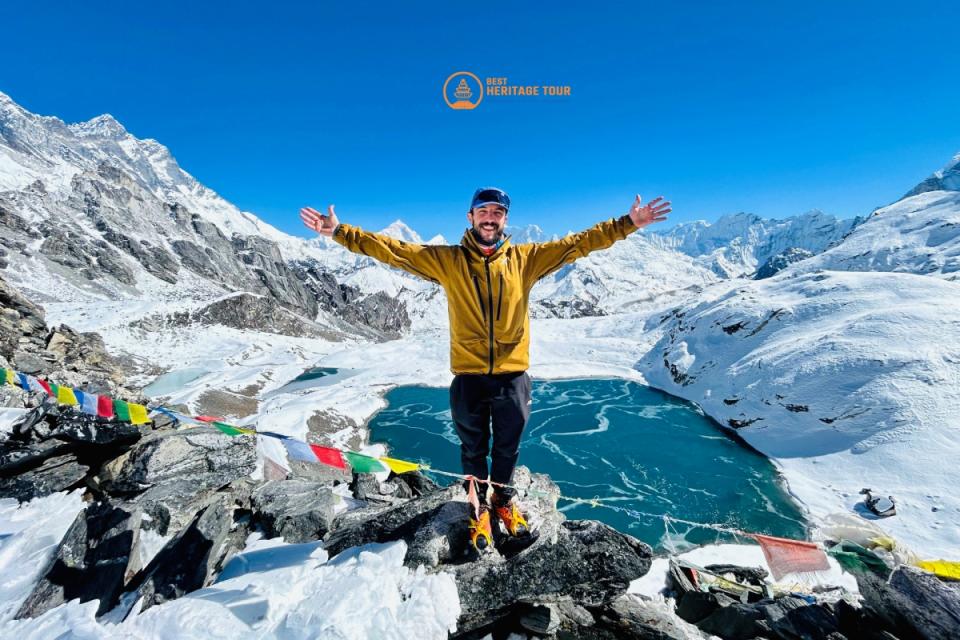
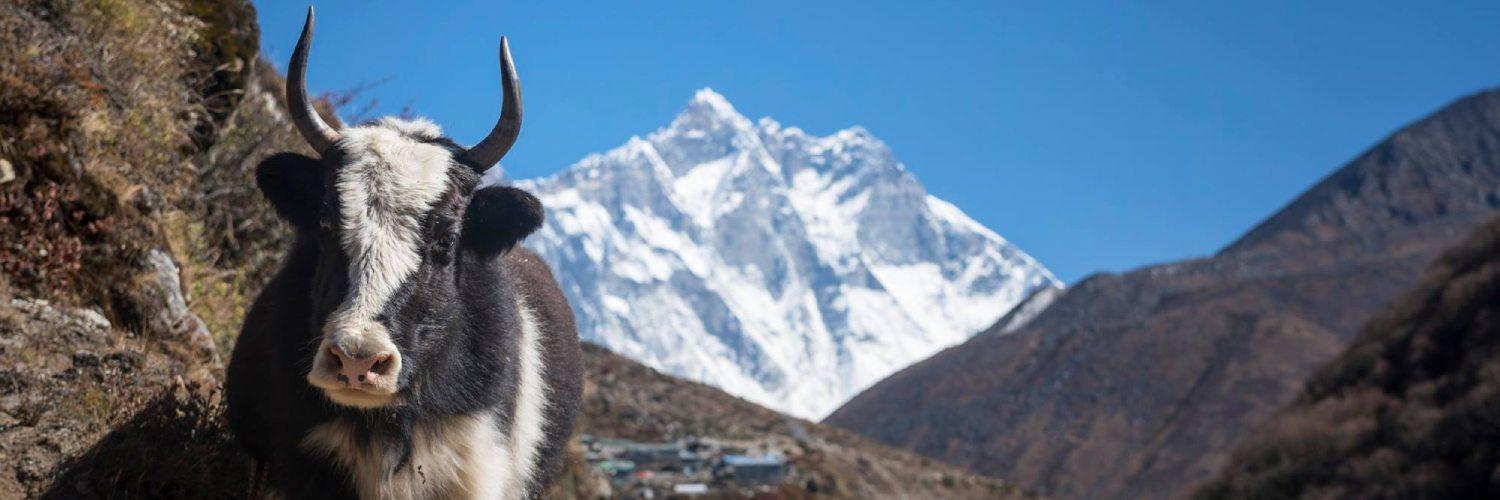
Congratulations! You’ve stood at the base of the world’s highest peak, navigated the "flat" (which we all know is never actually flat), and conquered the Khumbu. At Best Heritage Tour, we’ve seen thousands of trekkers return from the Everest Base Camp (EBC) trail, and they all share a specific look: a mix of absolute triumph and total physical exhaustion.
The question is, what now? Your flight back to Kathmandu lands, the adrenaline starts to dip, and your legs finally realize what you just put them through. Many travelers make the mistake of rushing home, but we believe the post-trek period is just as important as the ascent. It’s the time to transition from "survival mode" back to "soul mode."
From hidden Himalayan spas to jungle safaris that feel like a different planet, here is your ultimate guide on what to do after the Everest Base Camp trek.
1. The Art of the "Trekkers’ Recovery" in Kathmandu
Your first stop after Lukla is almost always Kathmandu. Before you dive into sightseeing, your body needs an apology for the 130 kilometers of rocky terrain.
Indulge in a Specialized Trekker’s Massage
Forget a standard spa day; you need a Trekker’s Massage. In the backstreets of Thamel, specialized therapists use deep-tissue techniques and Ayurvedic oils to flush out the lactic acid built up in your calves and glutes. At Best Heritage Tour, we often recommend our guests visit the Heritage Spa or Mandala Spiritual Valley for a traditional singing bowl therapy combined with a sports massage. The sound vibrations help reset your nervous system after the high-altitude intensity.
The "Real Food" Pilgrimage
After two weeks of Dal Bhat, garlic soup, and canned tuna, your palate is likely screaming for variety. Kathmandu’s food scene is a global melting pot.
-
The Pizza Fix: Head to Cafe in Thamel for wood-fired pizza that tastes like heaven after the Khumbu.
-
The Bakery Run: Visit Bakery for the first real croissant or slice of cheesecake you’ve had in weeks.
-
The Newari Feast: To celebrate your achievement authentically, try a Newari "Samay Baji" set in Patan. It’s a flavor explosion that is essentially the culinary heritage of the valley.
2. Swap the Peaks for the Plains: Chitwan National Park
If your legs are officially "done" with uphill climbs, the best antidote is the flat, lush lowlands of Chitwan National Park.
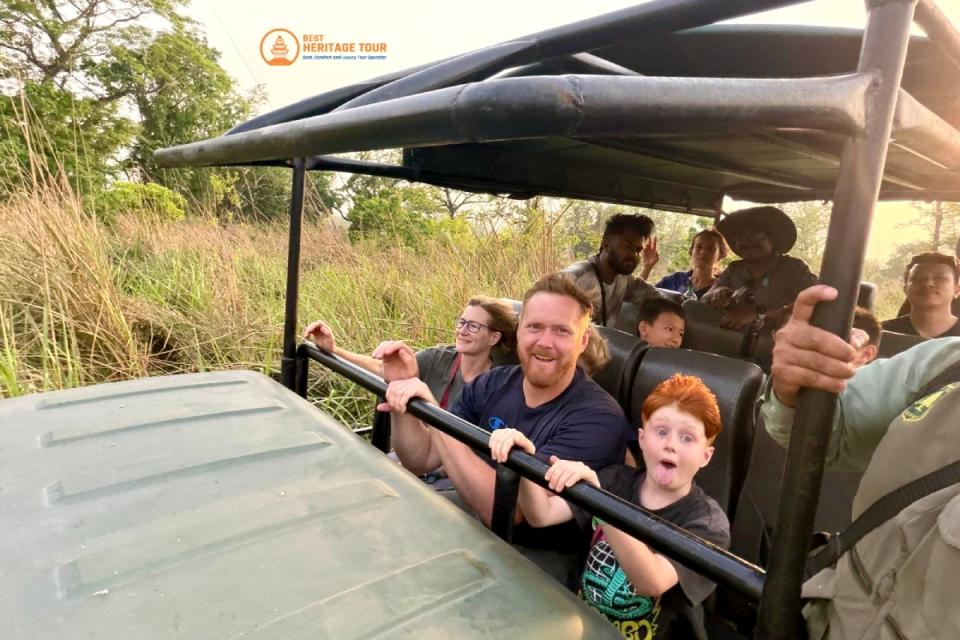
Located just a short 25-minute flight or a scenic drive from Kathmandu, Chitwan is the polar opposite of Everest. While the Khumbu is dominated by rock, ice, and thin air, Chitwan is a vibrant tapestry of tall elephant grass, tropical jungles, and humid, oxygen-rich air (which will feel like a superpower after EBC).
Why Chitwan is Perfect Post-Trek:
-
Jeep Safaris: You get to see the "Big Three" - the One-Horned Rhino, Royal Bengal Tiger, and Gharial Crocodile - all while sitting comfortably in a 4x4.
-
Canoe Rides: Drifting down the Rapti River in a hand-carved dugout canoe at sunset is perhaps the most relaxing experience in Nepal.
-
Tharu Culture: Engage with the indigenous Tharu people, whose vibrant dances and unique architecture offer a beautiful cultural contrast to the Sherpa culture of the mountains.
3. Pokhara: The City of Lakes and Leisure
If Kathmandu is the bustling heart of Nepal, Pokhara is its chilled-out soul. Many of our trekkers choose to head straight to Pokhara to "defrost."
Lakeside Lounging
The Lakeside area of Pokhara is lined with cafes that overlook the serene Phewa Lake. You can spend your days reading a book, sipping Himalayan coffee, and watching the paragliders drift down from Sarangkot.
Low-Impact Movement
If you want to keep moving but aren't ready for a "hike," try these:
-
Boating on Phewa Lake: Rent a colorful doonga and row out to the Tal Barahi Temple.
-
The World Peace Pagoda: A gentle walk (or a quick taxi ride) takes you to this stunning white stupa for a panoramic view of the Annapurna range - a range you can now appreciate without the pressure of having to climb it!
-
Movie Nights: Pokhara has several open-air "Movie Gardens" where you can watch a film under the stars with a pizza and a drink.
4. Deepen Your Cultural Connection: The Three Kingdoms
You’ve seen the natural heritage of Nepal; now it’s time for the architectural and spiritual heritage. The Kathmandu Valley was once divided into three powerful kingdoms: Kathmandu, Patan, and Bhaktapur.
Bhaktapur: A Living Museum
Often called the "City of Devotees," Bhaktapur is a car-free zone that feels like stepping back into the 15th century. Walking through Bhaktapur Durbar Square, you’ll see potters spinning clay in the sun and woodcarvers creating intricate windows that have stood for centuries.
-
Pro Tip: Don’t leave without trying Juju Dhau (The King Curd). It’s a creamy, honey-sweetened yogurt served in clay pots - the perfect post-trek probiotic boost!
Patan: The City of Fine Arts
Patan (Lalitpur) is world-renowned for its metalwork and Buddhist art. The Patan Museum is widely considered one of the best in South Asia. Spend an afternoon wandering the "bahals" (courtyards) and discovering hidden golden temples that most tourists walk right past.
5. Spiritual Rejuvenation: Yoga and Meditation
The Everest Base Camp trek is often a meditative experience, but the physical struggle can sometimes distract from the internal journey.
Many trekkers find that a 3-day Yoga Retreat in the hills surrounding Kathmandu (like the Kopan Monastery or various centers in Shivapuri) helps them process the mental magnitude of reaching Base Camp.
-
Sound Healing: Singing bowl therapy is a must. The frequencies are designed to realign your "Chakras" and promote deep cellular healing - exactly what those sore knees need.
6. The "Flight of the Gods": An Everest Heli-Tour
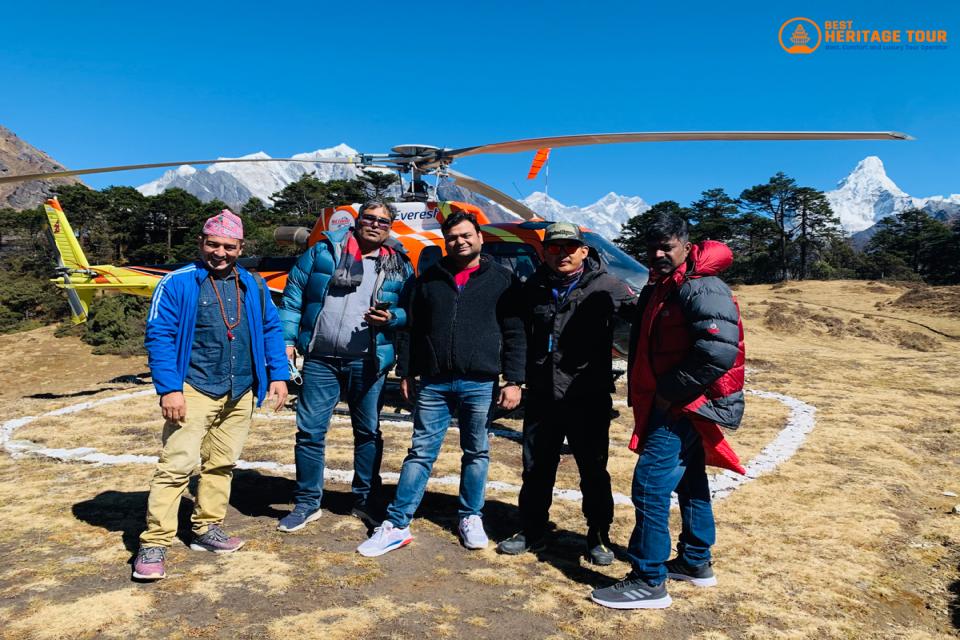
Wait, didn't you just walk there? Yes. But seeing the Khumbu from the air is a completely different experience. If your budget allows, a helicopter return or a dedicated mountain flight offers a perspective of the "Khumbu Icefall" and the Lhotse face that you simply cannot get from the ground. It’s the ultimate "victory lap."
Practical Tips for Your Post-Trek Week
1. Don't Stop Moving Entirely
As tempting as it is to stay in bed for 48 hours, your muscles will seize up. Light walking around the streets of Thamel or the lakes of Pokhara keeps the blood flowing and aids recovery.
2. Hydrate, Hydrate, Hydrate
You likely spent two weeks slightly dehydrated due to the altitude. Now that you're back down, keep drinking water. Swap the ginger-lemon-honey tea for fresh fruit juices and coconut water to replenish your electrolytes.
3. Gear Maintenance
Before you head to the bar, take an hour to clean your boots and dry out your down jacket. The salt from your sweat can damage technical gear over time. Most hotels in Kathmandu offer laundry services that can handle your "stinky trekker clothes" for a few dollars.
4. Shipping Souvenirs
Now that you don't have to carry your pack, it's time to shop. From pashminas and thangkas (Buddhist paintings) to hand-knitted yak wool sweaters, Nepal has incredible crafts. If you buy too much, there are plenty of cargo services in Thamel that can ship a box home for you.
Final Thoughts
Completing the Everest Base Camp trek is a life-altering achievement. You’ve tested your limits, witnessed the grandeur of the Himalayas, and made memories that will last a lifetime. But the magic of Nepal doesn't end at the trailhead.
Whether you choose the wild jungles of the south, the spiritual silence of a monastery, or the artistic beauty of the ancient Durbar Squares, the days following your trek are your time to integrate the experience.
You’ve done the hard work. Now, let Nepal take care of you.
Ready to plan your post-trek extension?
Phone / WhatsApp / Viber: +977-9851149197 / +977-9810043046
Email: info@bestheritagetour.com / bestheritagetour@gmail.com
Website: www.bestheritagetour.com
Office: Thamel Marg, Kathmandu, Nepal
Author: Best Heritage Tour
Date: 6th February, 2026