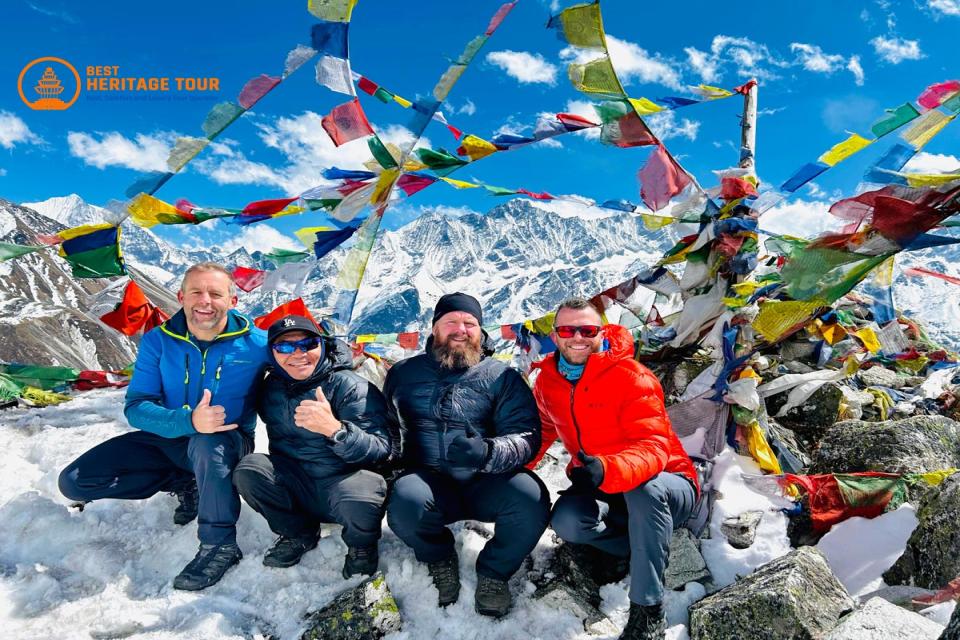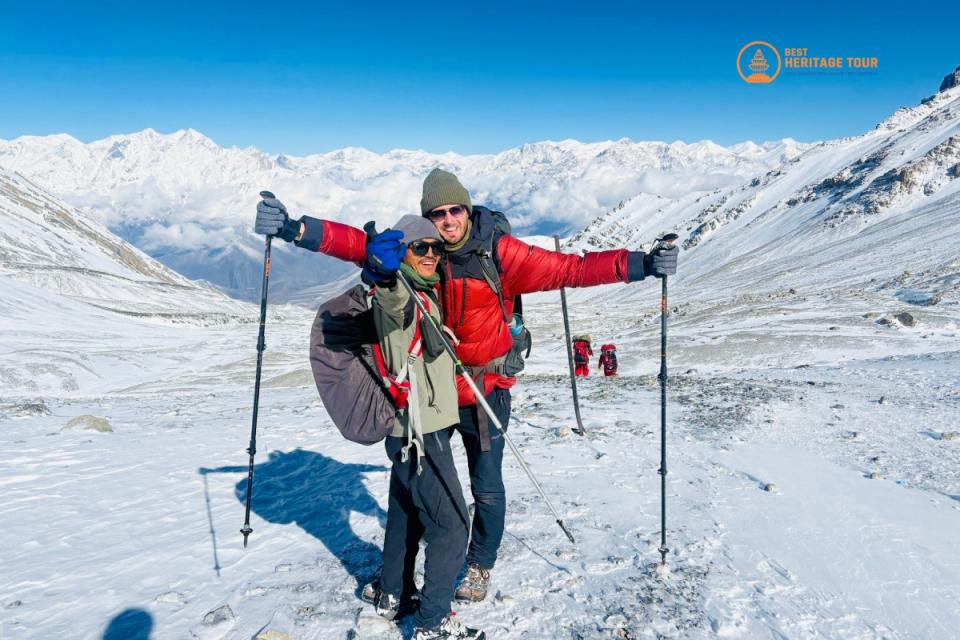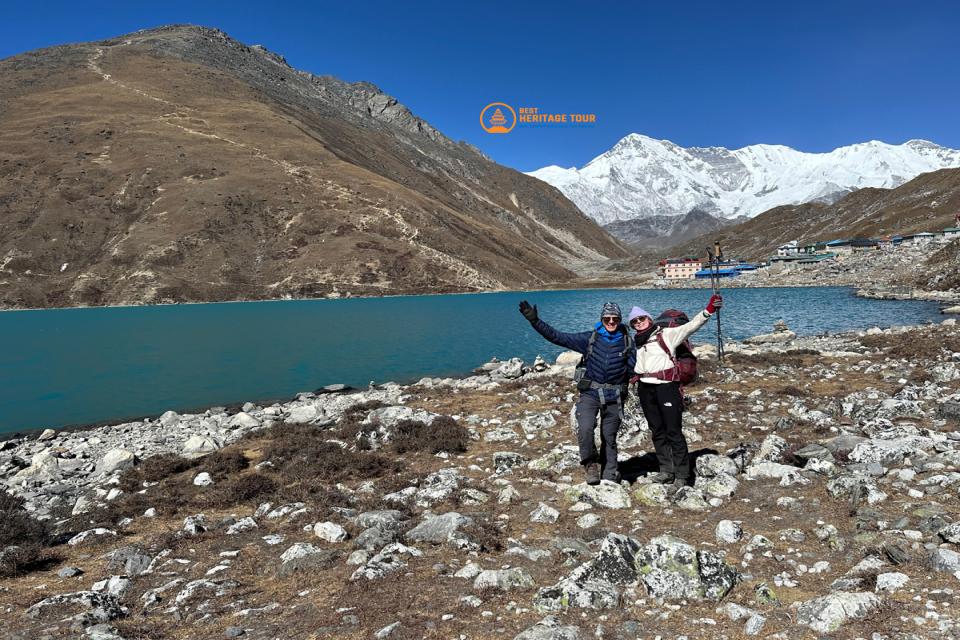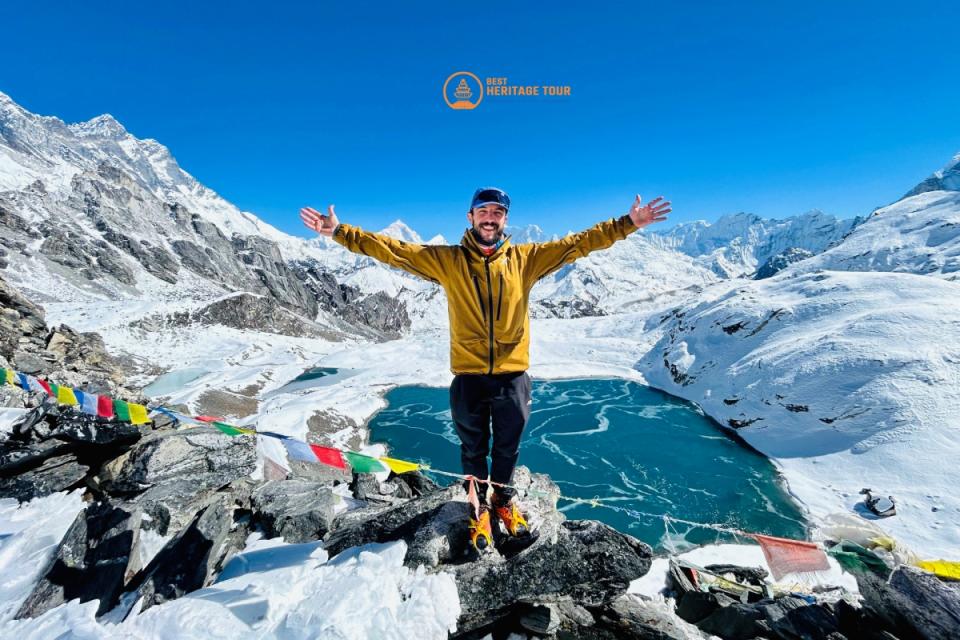
For many travelers, the dream of trekking in Nepal is defined by the jagged silhouette of the Himalayas, the fluttering of prayer flags, and the rhythmic "thud-thud" of hiking boots on ancient stone trails. However, for those who follow a meat-free lifestyle, a different question often looms larger than Everest itself: “Can I actually find decent vegetarian food in the remote mountains of Nepal?”
At Best Heritage Tour, we have been guiding trekkers through the Khumbu, Annapurna, and Langtang regions for decades. We’ve seen the evolution of mountain kitchens firsthand. The short answer is a resounding yes. In fact, not only is it possible to find vegetarian meals, but Nepal is arguably one of the most vegetarian-friendly trekking destinations in the entire world.
In this comprehensive guide, we’ll dive deep into the culinary landscape of the Himalayas, exploring why "Dal Bhat Power" is a vegetarian’s best friend, how to navigate teahouse menus, and why skipping meat might actually be the smartest health decision you make on the trail.
The Cultural Context: Why Nepal is a Vegetarian Haven
Nepal’s culinary heritage is deeply intertwined with Hinduism and Buddhism, both of which emphasize a respect for life that often translates into a plant-forward diet. While meat is certainly consumed in Nepal, it has historically been a luxury or reserved for special festivals.
In the high-altitude trekking regions, particularly those inhabited by Sherpa and Tibetan-influenced communities, the diet has traditionally relied on hardy staples that can grow in thin air: potatoes, barley, buckwheat, and greens. Because transporting fresh meat to remote villages requires days of portering (often without refrigeration), the local culture has perfected the art of the vegetarian feast.
The "Meatless" Reality of the Trails
It is a little-known "guide secret" that most experienced trekking agencies - including us at Best Heritage Tour - actually recommend that all trekkers, regardless of their usual diet, stick to vegetarian meals while in the mountains.
The Meat Logistics: There are no slaughterhouses at 4,000 meters. Meat is often carried up from lower elevations on the backs of porters or mules, exposed to the sun for days. By the time it reaches your plate at a high-altitude teahouse, the risk of foodborne illness is significantly higher. Choosing vegetarian isn't just a lifestyle choice; it's a strategic move to ensure you don't spend your summit day in a teahouse bathroom.
The King of the Mountains: Dal Bhat
If you remember only one phrase from this blog, let it be: "Dal Bhat Power, 24 Hour!"
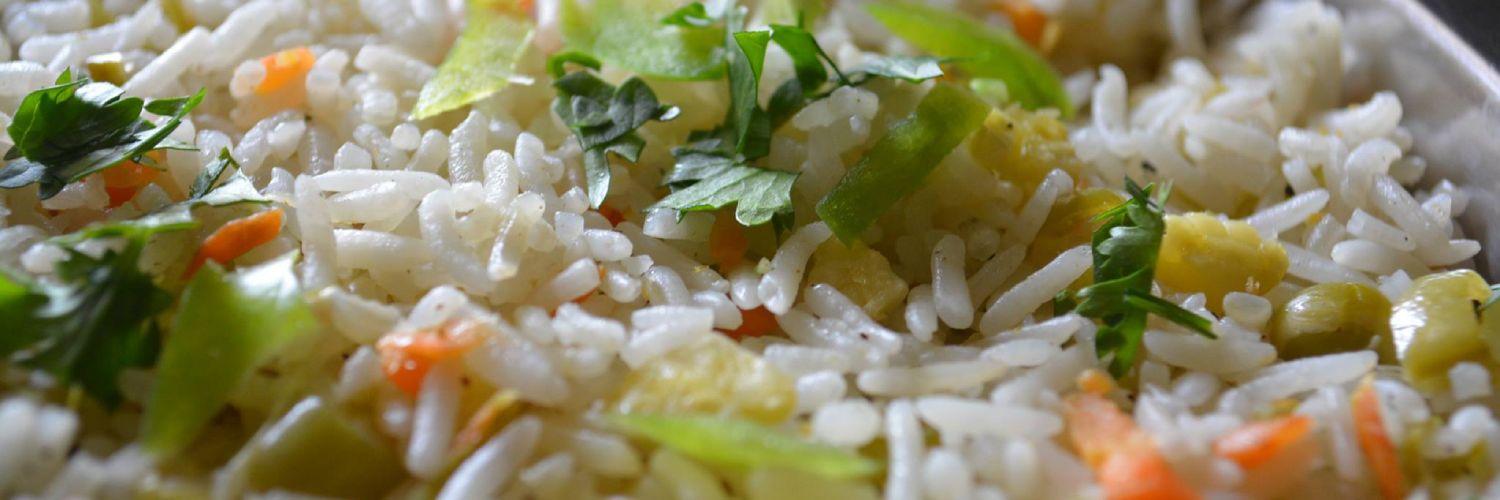
Dal Bhat is the national dish of Nepal and the undisputed fuel of the Himalayas. For a vegetarian trekker, it is a nutritional masterpiece. A standard serving typically includes:
-
Bhat (Rice): A massive mound of steamed white rice providing the essential carbohydrates needed for 6-8 hours of uphill trekking.
-
Dal (Lentils): A protein-rich lentil soup seasoned with turmeric, cumin, and garlic.
-
Tarkari (Vegetable Curry): Seasonal vegetables (cauliflower, green beans, or peas) cooked in a savory spice blend.
-
Saag (Greens): Stir-fried mustard greens or spinach, providing much-needed iron.
-
Achar (Pickle): A spicy, tangy condiment made from fermented vegetables or tomato to stimulate the palate.
Why Dal Bhat is a Vegetarian's Secret Weapon
-
Unlimited Refills: This is the only dish on the menu where the "bottomless" rule applies. Your host will keep topping up your rice, dal, and vegetables until you are physically unable to eat more.
-
Freshly Prepared: Because it is the staff's daily meal, it is almost always made fresh twice a day.
-
Balanced Nutrition: It provides the perfect ratio of protein, carbs, and fats to aid muscle recovery and sustained energy.
Beyond Dal Bhat: Navigating the Teahouse Menu
While Dal Bhat is the staple, you won't be bored. The "Teahouse Menu" in regions like the Annapurna Circuit or the Everest Base Camp Trek is surprisingly diverse.
Breakfast Options
Most teahouses offer a standard breakfast menu that is 90% vegetarian:
-
Porridge/Oatmeal: Often served with honey, cinnamon, or sliced apples.
-
Tibetan Bread: A deep-fried, fluffy flatbread that is delicious when dipped in honey or peanut butter.
-
Pancakes: Plain, apple, or chocolate pancakes are common.
-
Eggs: Prepared any way you like - boiled, poached, scrambled, or as an omelet.
-
Tsampa: A traditional Himalayan staple made of roasted barley flour. It’s highly nutritious and can be eaten as a porridge or rolled into energy balls.
Lunch and Dinner Varieties
-
MoMo (Vegetable/Potato/Cheese): These are Himalayan dumplings. For vegetarians, the cabbage and carrot or the spinach and cheese fillings are divine. They can be steamed or fried.
-
Thukpa & Thenthuk: Hearty noodle soups. Thukpa features long noodles, while Thenthuk uses hand-pulled dough pieces. Ensure you specify "Veg" to get a broth rich with ginger, garlic, and mountain vegetables.
-
Sherpa Stew (Shyakpa): A thick, warming stew made with hand-peeled potatoes, dough pieces, and vegetables. It’s the ultimate comfort food for cold nights.
-
Pasta and Noodles: Most menus feature Vegetable Chowmein, Fried Noodles, and even Pasta with tomato sauce or cheese.
-
Potatoes: High-altitude regions like Khumbu are famous for their potatoes. You can order them boiled, fried, mashed, or "Swiss-style" (Rosti).
Can You Find Vegan Food while Trekking in Nepal?
Being vegan in the Himalayas requires a bit more communication but is entirely doable.
-
The Ghee Factor: Most Dal Bhat is naturally vegan, but some kitchens might add a dollop of ghee (clarified butter) on top of the rice. Simply ask for "No Ghee" or "No Milk."
-
The Bread: Tibetan bread is usually vegan, but pancakes and Chapatis sometimes use milk or egg.
-
Milk Alternatives: While dairy milk is the norm for tea, you can find black tea, ginger lemon honey tea (highly recommended for altitude), or even sea buckthorn juice in certain regions.
Nutrition and Altitude: Tips for the Meat-Free Trekker
Trekking at high altitudes puts unique stresses on the body. As a vegetarian, you need to be mindful of a few things:
Iron and Protein
At higher altitudes, your body produces more red blood cells to carry oxygen. Iron is a key component of this. Ensure you are eating plenty of lentils (Dal) and leafy greens (Saag). If you are prone to anemia, consider bringing a supplement.
The Garlic Trick
You will notice "Garlic Soup" on almost every menu. Local guides (including ours!) swear by it. Garlic is believed to help with blood thinning and oxygen circulation, aiding in acclimatization. Plus, it’s 100% vegetarian.
Staying Hydrated
Hydration is more important than food at 5,000 meters. Avoid too much caffeine and stick to herbal teas. Ginger Lemon Honey tea is the gold standard for keeping the respiratory tract clear and the stomach settled.
Packing Essentials for the Vegetarian Trekker
While the food is plentiful, having a few "personal boosters" can make a world of difference:
-
Nut Butters: Small sachets of almond or peanut butter add high-quality fats to your morning crackers or bread.
-
Trail Mix: Almonds, walnuts, and dried fruits provide a quick protein hit during the long stretches between villages.
-
Protein Bars: Sometimes, after 10 days of rice and lentils, a chocolate protein bar feels like a gourmet dessert.
-
Electrolytes: Add these to your water to maintain mineral balance.
Common Myths vs. Reality
|
Myth |
Reality |
|---|---|
|
"I'll lose muscle if I don't eat meat." |
Local porters carry 60kg loads fueled entirely by Dal Bhat. You will be just fine! |
|
"Vegetarian food is boring in the mountains." |
Between MoMos, Sherpa Stew, and variety of curries, the flavors are incredibly vibrant. |
|
"It's hard to get enough calories." |
Most trekking meals are carb-heavy and served in massive portions specifically to prevent weight loss. |
Why Choose Best Heritage Tour for Your Trek?
At Best Heritage Tour, we don't just book a room; we curate an experience. We understand that food is the fuel for your soul and your legs.
-
Hand-Picked Teahouses: We partner with lodges known for their hygiene and culinary variety.
-
Dietary Expertise: Our guides are trained to communicate specific dietary requirements (Vegan, Gluten-Free, Nut Allergies) to kitchen staff in the local language to ensure your safety.
-
Sustainable Travel: By encouraging vegetarianism, we help reduce the environmental footprint of meat transport in these fragile ecosystems.
Conclusion
Trekking in Nepal as a vegetarian is not a challenge - it’s an opportunity. It is an invitation to eat as the locals do, to fuel your body with clean, mountain-grown ingredients, and to enjoy the incredible hospitality of the Himalayan people. From the first bite of a steaming vegetable MoMo in Kathmandu to the final bowl of Dal Bhat at the foot of Mount Annapurna, your culinary journey will be just as memorable as the views.
Are you ready to experience the majesty of the Himalayas without compromising your lifestyle? Let us handle the logistics so you can focus on the trail.
Plan Your Journey with Best Heritage Tour
If you have more questions about trekking nutrition or are ready to book your next adventure, we are here to help.
Phone / WhatsApp / Viber: +977-9851149197 / +977-9810043046
Email: info@bestheritagetour.com / bestheritagetour@gmail.com
Website: www.bestheritagetour.com
Office: Thamel Marg, Kathmandu, Nepal
Author: Best Heritage Tour
Date: 7th April, 2026