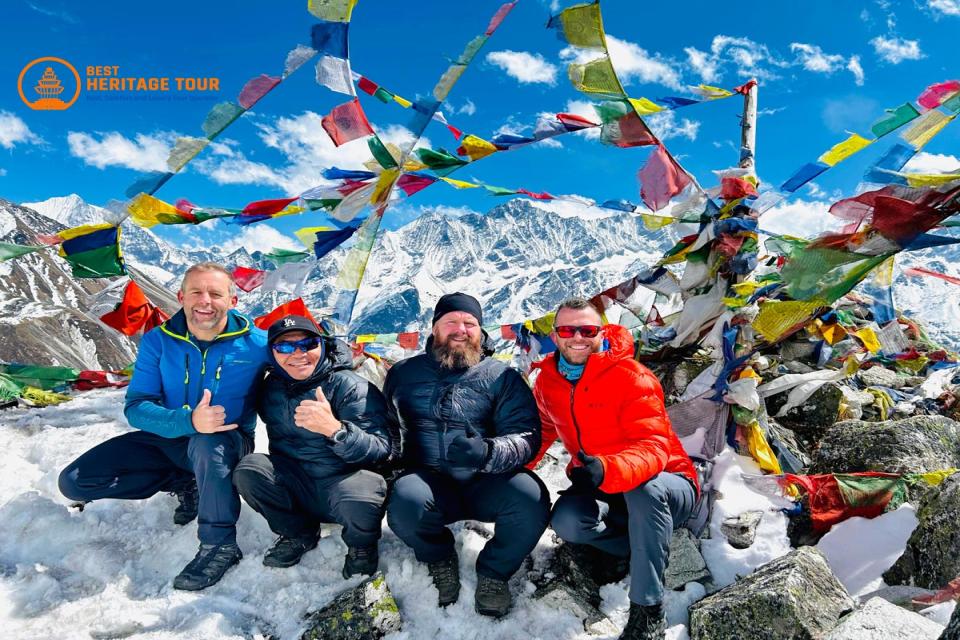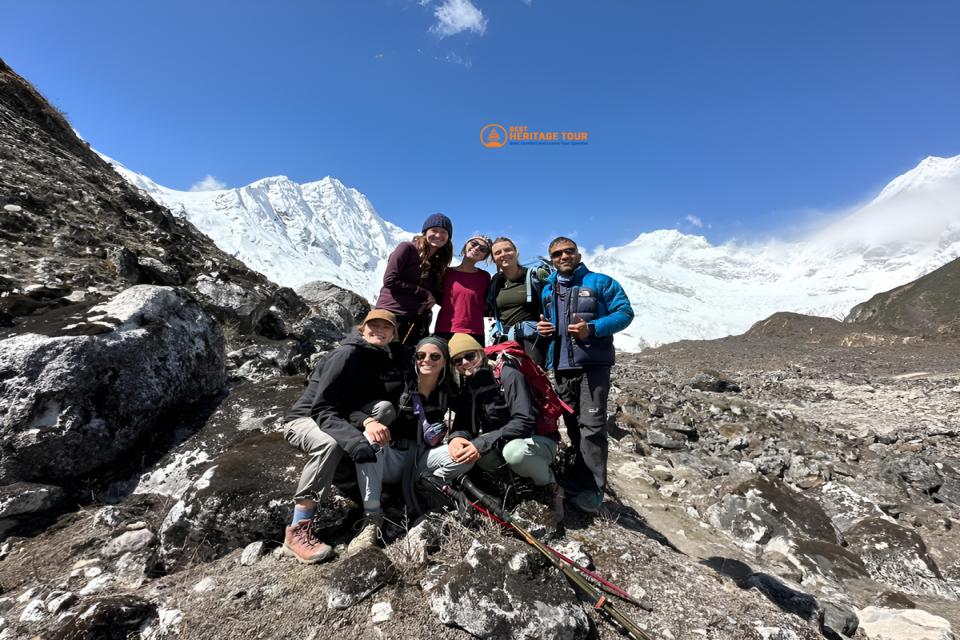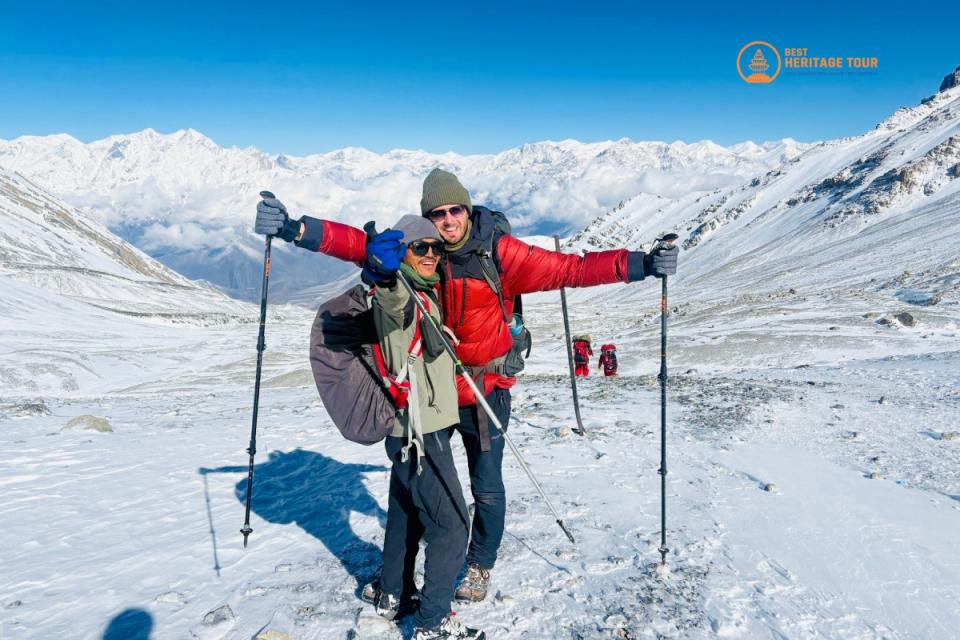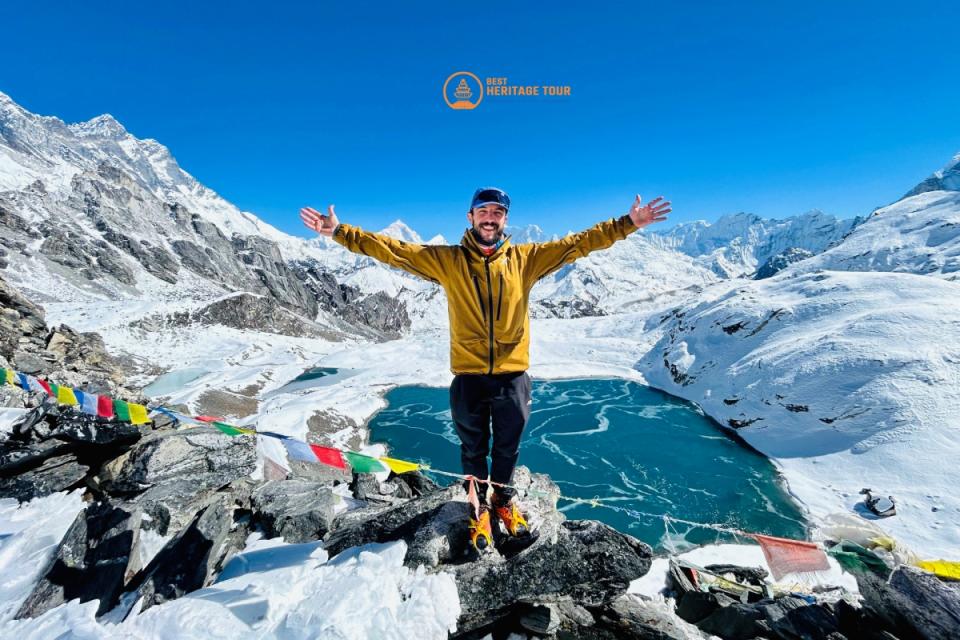
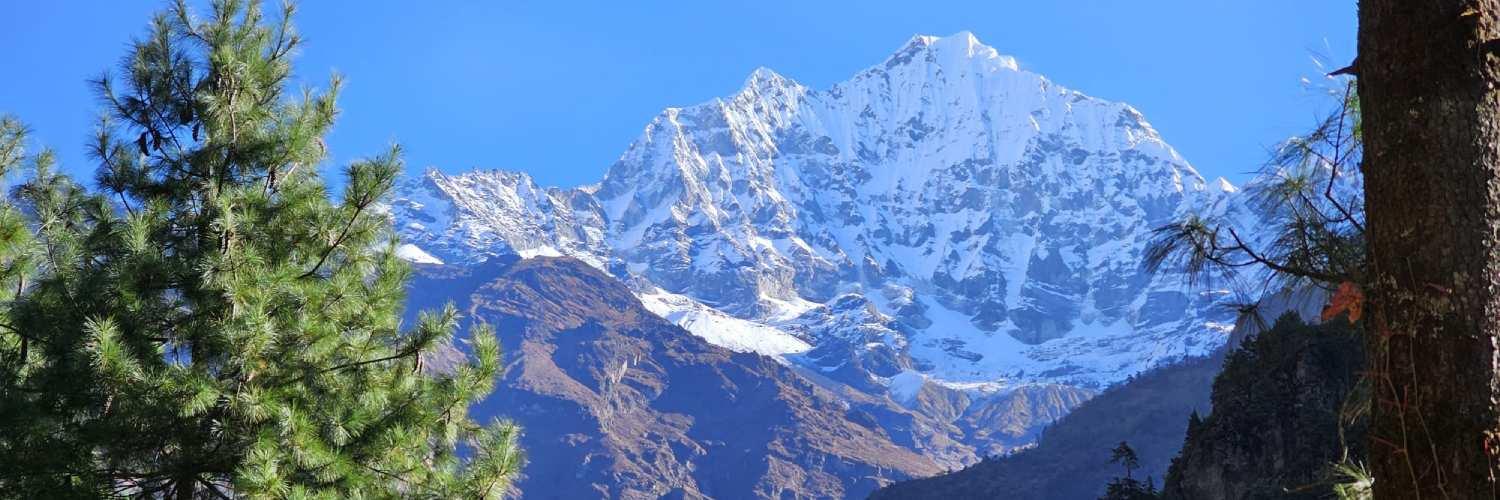
There is a specific kind of magic that settles over you the moment your plane circles the Kathmandu Valley. It’s the scent of incense mixed with mountain air, the distant shimmer of the white-capped giants, and the palpable energy of a country that lives and breathes adventure.
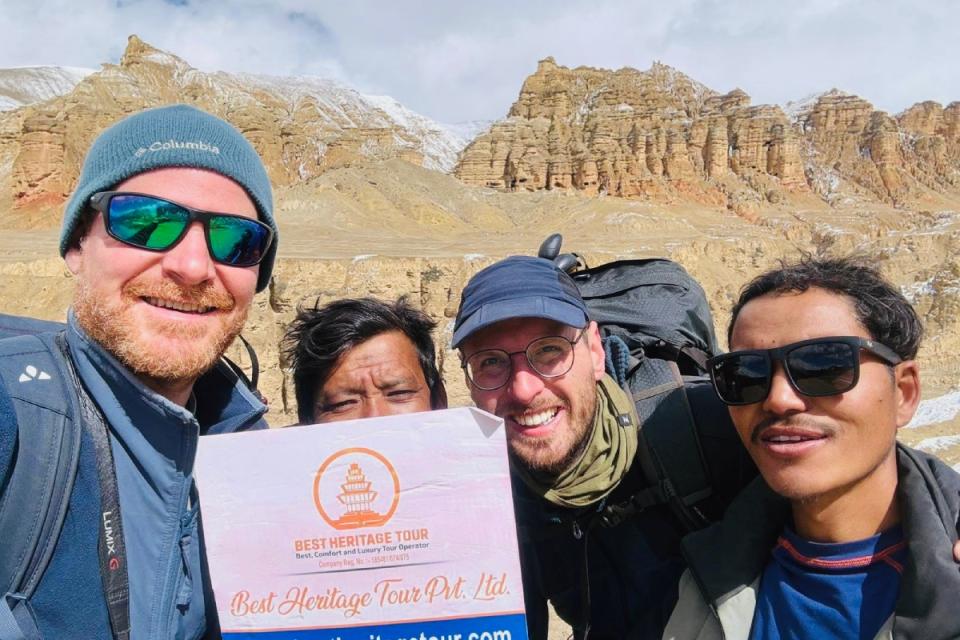
At Best Heritage Tour, we’ve spent years walking these trails, sharing tea with Sherpa families, and watching sunrises turn the Annapurna range into molten gold. But as we move into 2026, the landscape of trekking in Nepal is evolving. From updated permit regulations to a stronger focus on sustainable, "guide-mandatory" travel, there is a lot you need to know before you lace up those boots.
Whether you are a seasoned mountaineer aiming for the high passes or a first-timer looking for the "Dal Bhat power" experience, this is your definitive, boots-on-the-ground guide to trekking in Nepal in 2026.
Why Trek in Nepal in 2026?
Nepal remains the "Trekking Capital of the World," and for good reason. Nowhere else can you walk for weeks on end through high-altitude deserts, lush rhododendron forests, and ancient villages, all while staying in cozy local teahouses.
In 2026, the experience is more refined than ever. Connectivity on the trails has improved, many teahouses have upgraded their facilities (yes, even hot showers at 4,000 meters!), and there is a renewed spirit of hospitality as the country embraces modern, eco-conscious tourism.
Choosing Your Path: The Best Trekking Routes for 2026
Nepal offers hundreds of trails, but they generally fall into three categories: The Classics, The Rising Stars, and The Forbidden Kingdoms.
The Classics (Bucket-List Favorites)
-
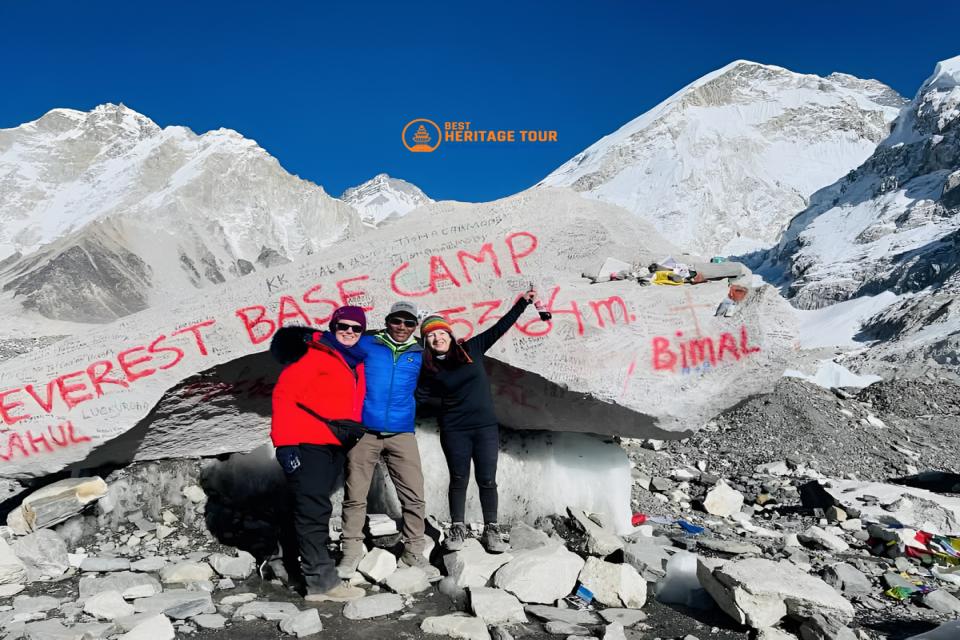
Everest Base Camp (EBC): The "Big One." It’s a 12-14 day journey through the heart of Sherpa culture. In 2026, expect better flight logistics to Lukla (often via Ramechhap) and high-quality lodges.
-
Annapurna Circuit: Known for its incredible diversity, taking you from sub-tropical greens to the high-altitude Thorong La Pass (5,416m). It remains the gold standard for landscape variety.
-
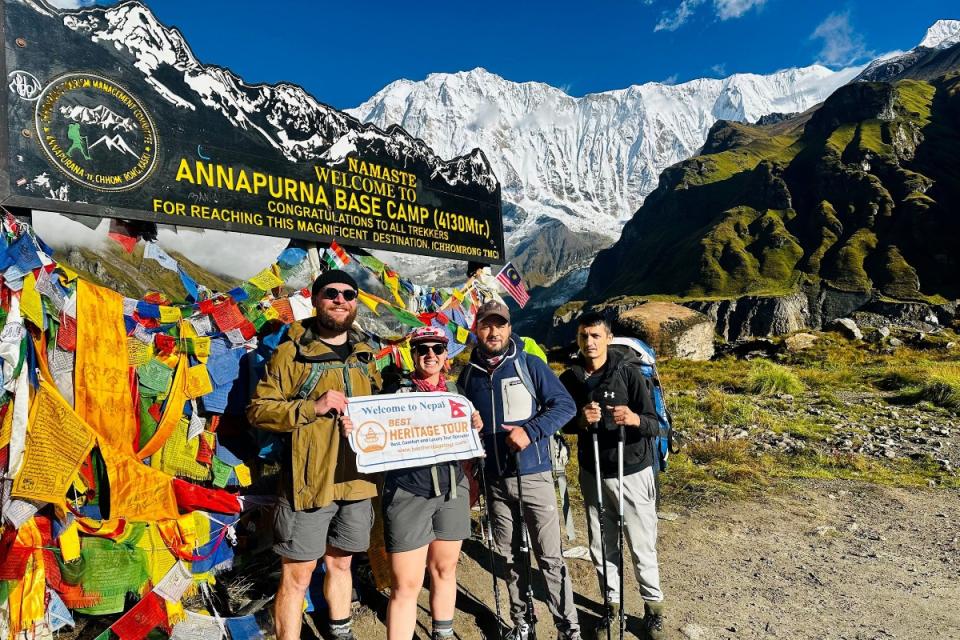
Annapurna Base Camp (ABC): A shorter, punchier trek that puts you in a natural amphitheater of 7,000m and 8,000m peaks.
The Rising Stars (For the Crowd-Avoiders)
-
Manaslu Circuit: Often called the "new Annapurna Circuit," this trek is remote, rugged, and requires a special restricted area permit. It’s our top recommendation for those seeking raw beauty.
-
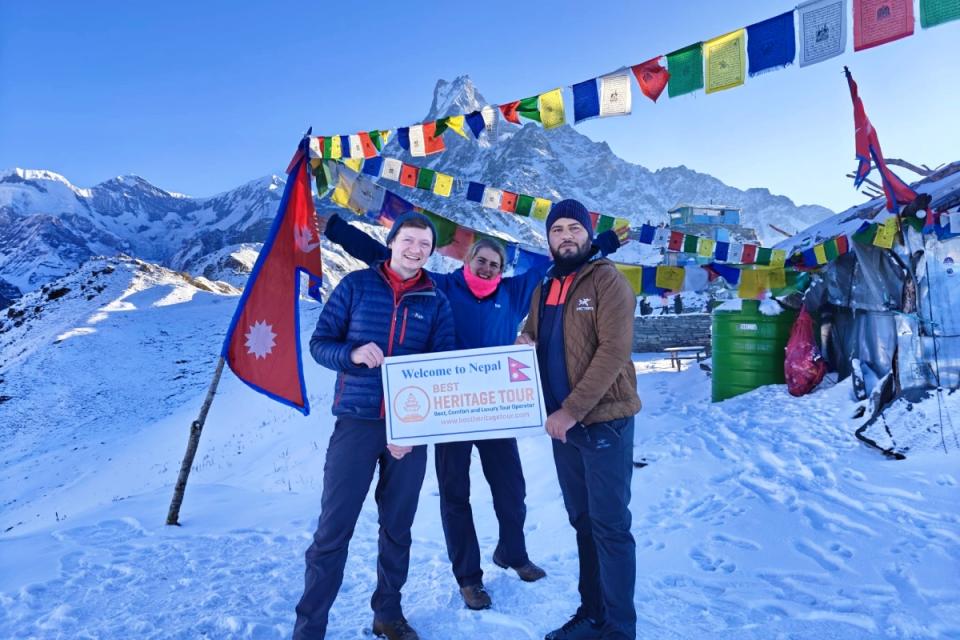
Mardi Himal: A shorter 5-7 day trek that offers the best "bang for your buck" views of the iconic Machhapuchhre (Fishtail) mountain.
-
Langtang Valley: Rebounding stronger than ever, this trek is close to Kathmandu and offers a deep dive into Tamang culture and glacial landscapes.
The "Forbidden" Kingdoms
-
Upper Mustang: A high-altitude desert that feels more like Tibet than Nepal. With its "walled city" of Lo Manthang and ancient sky caves, it’s a journey back in time.
The Big 2026 Change: Mandatory Guides
One of the most significant updates for 2026 is the Nepal government's enforcement of the mandatory guide policy.
For safety and to support the local economy, solo "Free Individual Trekkers" (FITs) are no longer permitted in most national parks and conservation areas. At Best Heritage Tour, we’ve always believed that a guide is more than just a navigator; they are your translator, your cultural bridge, and your safety net.
Pro Tip: Make sure your guide is government-licensed. In 2026, checkpoints are stricter than ever, and trekking without a registered guide can lead to heavy fines or being turned back.
Understanding Permits and Costs
Trekking in Nepal isn’t just about showing up; it’s about being prepared with the right paperwork.
Essential Permits
-
TIMS (Trekkers' Information Management System): Now largely replaced or integrated with local municipality fees in areas like Everest.
-
Conservation Area Permits (ACAP/MCAP): Required for the Annapurna and Manaslu regions (approx. $30 USD).
-
National Park Permits: Required for Everest (Sagarmatha) and Langtang (approx. $30 USD).
-
Restricted Area Permits (RAP): Required for Manaslu, Upper Mustang, and Upper Dolpo. These are more expensive and must be processed through a registered agency like ours.
Budgeting for 2026
-
Daily Budget (Teahouse Trekking): $30-$50 USD per day for food and accommodation.
-
Guide Fees: $25-$40 USD per day.
-
Porter Fees: $20-$30 USD per day (highly recommended to save your knees!).
-
Total Package: Most 12-day guided treks range from $900 to $1,500 USD, depending on the region and level of comfort.
When to Go: The Seasons of the Himalaya
Timing is everything. The mountains have their own schedule, and you ignore it at your own peril.
|
Season |
Months |
Pros |
Cons |
|---|---|---|---|
|
Spring |
March - May |
Rhododendrons in bloom, warmer temperatures, great for high passes. |
Can be hazy at lower elevations; popular trails are busy. |
|
Autumn |
Sept - Nov |
The Peak Season. Crystal clear skies, best mountain views, stable weather. |
Cold nights, very crowded trails, flights book up months in advance. |
|
Winter |
Dec - Feb |
Deep blue skies, no crowds, cheaper rates in cities. |
Extreme cold above 4,000m; many high passes (Thorong La) may be closed. |
|
Monsoon |
June - Aug |
Lush greenery, vibrant waterfalls, great for Upper Mustang (rain shadow). |
Leeches, rain, clouds obscuring views, flight cancellations. |
Packing Like a Pro: The Layering System
The secret to staying comfortable in Nepal is layering. You will experience four seasons in a single day - from sweating in a T-shirt at noon to shivering in a down jacket by 6:00 PM.
The Essentials:
-
Base Layer: Moisture-wicking merino wool (avoid cotton at all costs!).
-
Mid Layer: A warm fleece or "puffy" synthetic jacket.
-
Outer Layer: A high-quality waterproof and windproof shell (Gore-Tex is your friend).
-
The "Big" Down Jacket: Essential for evenings in the teahouse and early morning summit pushes.
-
Footwear: Broken-in trekking boots with good ankle support. Do not bring brand-new boots to Nepal; your blisters will regret it.
The "Small" Things That Matter:
-
A reusable water bottle + purification tablets/filter: In 2026, we are pushing for a plastic-free Himalaya. Please don't buy bottled water on the trail.
-
Power Bank: Charging costs money at high altitudes (and solar is unreliable).
-
Sun Protection: The UV rays at 5,000 meters are brutal. Bring SPF 50+ and polarized sunglasses.
Health, Safety, and Altitude
Altitude Sickness (AMS) is the one thing that can end your trek prematurely. It doesn't care how fit you are; it only cares how fast you climb.
The Golden Rules of Acclimatization:
-
Walk Slow: "Bistari, Bistari" (Slowly, slowly) is the mantra of the Himalayas.
-
Hydrate: Drink 3-4 liters of water a day.
-
Climb High, Sleep Low: Use acclimatization days to hike a few hundred meters higher than where you’ll sleep.
-
Know the Symptoms: A persistent headache, loss of appetite, and dizziness are red flags. If you feel bad, descend.
Insurance is Non-Negotiable. Make sure your policy specifically covers "trekking up to 6,000m" and "emergency helicopter evacuation." Without this, a rescue could cost you $5,000+ USD out of pocket.
Cultural Etiquette: Being a Respectful Guest
Heritage is in our name, and it’s what we value most. When you trek in Nepal, you are walking through someone’s backyard, temple, and history.
-
The Right Side of History: Always walk to the right (clockwise) of mani walls, stupas, and chortens.
-
Namaste: Use it often! It’s more than a hello; it’s an acknowledgement of the soul.
-
Dress Modestly: In villages, keep shoulders and knees covered.
-
Ask Before You Snap: Most locals are happy to have their photo taken, but always ask first. A smile goes a long way.
Sustainable Trekking: Leaving Only Footprints
In 2026, the fragility of the Himalayan ecosystem is front and center. As a responsible traveler, you can help by:
-
Ordering Local: Stick to Dal Bhat. It’s fresh, high-energy, and uses local ingredients rather than imported canned goods.
-
Managing Waste: If you pack it in, pack it out. Carry a small "trash bag" for your candy wrappers and tissues.
-
Supporting Local Artisans: Buy your souvenirs directly from the villagers rather than the big shops in Thamel.
Conclusion
Trekking in Nepal is more than a physical challenge; it is a perspective-shifting experience. It’s the silence of the mountains, the rhythm of your own breath, and the realization of how small and yet how connected - we all are.
At Best Heritage Tour, we don’t just book trips; we curate memories. We handle the permits, the logistics, and the safety, so you can focus on the view and the journey.
Are you ready to see the world from the top? Whether you have a specific route in mind or need help choosing the perfect trail for your fitness level, we are here to help.
Phone / WhatsApp / Viber: +977-9851149197 / +977-9810043046
Email: info@bestheritagetour.com / bestheritagetour@gmail.com
Website: www.bestheritagetour.com
Office: Thamel Marg, Kathmandu, Nepal
Author: Best Heritage Tour
Date: 2nd February, 2026