When planning an adventure in the Himalayas, many travelers ask themselves: What are the things to do in Nepal and cannot miss? While the crowded trails of Everest and Annapurna often dominate the headlines, there is a hidden sanctuary located just a day's drive north of Kathmandu that offers an unhurried, deeply spiritual, and visually spectacular wilderness experience. Welcome to the Langtang Valley.
Known as "the valley of glaciers," Langtang balances alpine grandness with the rich cultural heritage of the Tamang and Sherpa communities. For trekkers, travelers, and tourists seeking the perfect mix of high-altitude excitement, biological diversity, and cultural depth, this region is unmatched.
To help you plan your next big journey, we at Best Heritage Tour have compiled the ultimate, definitive list of the top 10 things to do in Langtang Valley Trek. From scaling panoramic viewpoints to tasting cheese high up in the clouds, here are the experiences you simply cannot afford to miss.
Top 10 Things to Do in Langtang Valley Trek
1. Stand on the Summit of Tsergo Ri (5,033m)
If you are looking for the absolute crown jewel of visual experiences in the region, climbing to the top of Tsergo Ri (also spelled Tserko Ri) is one of those non-negotiable things to do in Langtang Valley Trek. Rising to an altitude of 5,033 meters (16,512 feet), this is the highest point most trekkers will reach on this route.
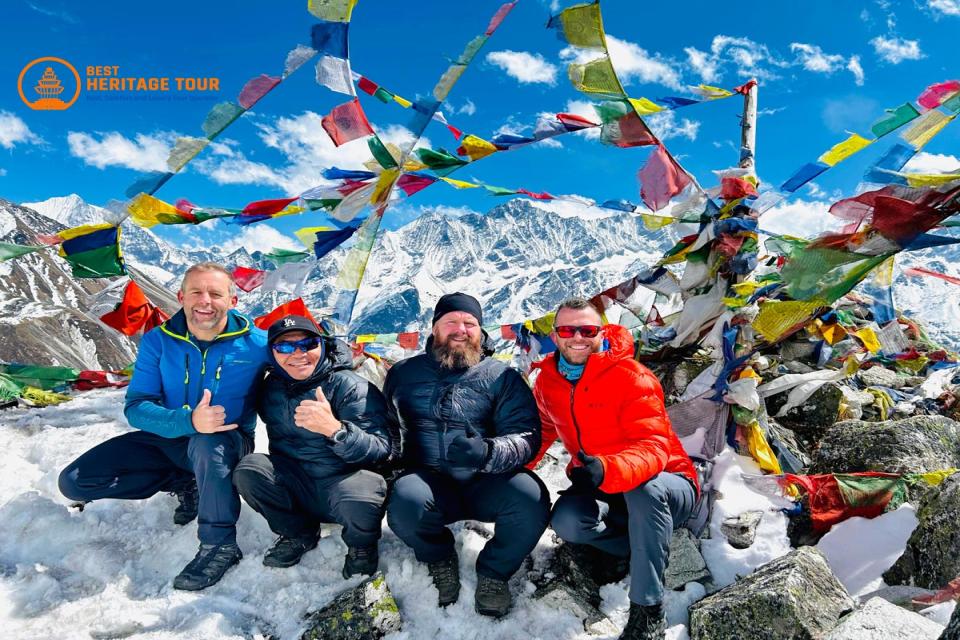
The climb from your base at Kyanjin Gompa is a demanding 6 to 7-hour round trip across steep, rocky terrain, but the reward is a full 360-degree mountain view. From the summit, you are treated to an open view of the Langtang Lirung massif (7,227 m), Yala Peak, Gangchempo, and Dorje Lakpa. Standing amid thousands of fluttering prayer flags while looking across the high border into Tibet is a humbling moment that defines the spirit of Himalayan trekking.
2. Conquer the Twin Peaks of Kyanjin Ri (4,773m)
For travelers who want panoramic views without the grueling, full-day physical toll of Tsergo Ri, hiking up Kyanjin Ri is the ideal alternative - or an excellent warm-up. Located immediately behind the settlement of Kyanjin Gompa, this ridge features two distinct viewpoints: Lower Kyanjin Ri (4,300 m) and Upper Kyanjin Ri (4,773 m).
The trail takes roughly 3 to 4 hours round trip. It gives you a birds-eye view of the entire u-shaped glacial valley below, alongside a front-row seat to the tumbling icefall ice sheets of Langtang Lirung. The sound of shifting ice echoing off the rock faces below makes this short climb an incredibly memorable sensory experience.
3. Visit the Historic Kyanjin Gompa Monastery
Among the essential cultural things to do in Langtang Valley Trek, spending an afternoon inside the spiritual heart of the valley is a must. Kyanjin Gompa is an ancient Buddhist monastery wrapped in local lore, sitting against a backdrop of jagged, snow-capped peaks.
As a company that focuses on preserving regional heritage, we always encourage our guests to sit quietly within its walls, observe the centuries-old murals, spin the copper prayer wheels, and absorb the calming aroma of burning juniper incense. It serves as a gentle reminder that these mountains are not just geographic landmarks; they are sacred spaces looked after by generations of devout communities.
4. Taste Fresh Himalayan Yak Cheese at the Local Factory
An unexpected delight at 3,870 meters above sea level is visiting the legendary, government-backed Kyanjin Cheese Factory. Established decades ago with technical help from Swiss experts, this small facility processes pure, rich milk collected from the herds of yaks that graze the alpine meadows.
Touring the factory allows you to see how traditional mountain techniques are combined with old-school European cheese-making. Buying a few slices of fresh, nutty, and slightly sharp yak cheese provides you with excellent high-protein fuel for your high-altitude climbs while directly supporting the local herding families.
5. Walk the Ancient Mani Walls of Mandu and Sindum
As you ascend past the tree line into the wide alpine pastures, the trail passes through the old settlements of Mandu and Sindum. Here, you will encounter some of the longest and most impressive Mani walls in Nepal. These are long stone structures built from hundreds of individual slates, each carefully hand-carving the sacred Buddhist mantra, "Om Mani Padme Hum."
Walking past these structures requires following local tradition: always pass them on the right side (clockwise) as a sign of respect. For cultural travelers asking what are the things to do in Nepal and can not miss, interacting mindfully with these living symbols of devotion provides a deep connection to the landscape.
Pro-Tip for High Altitude Safety
As you walk past 3,000 meters (9,842 ft), the air thins significantly. To prevent Acute Mountain Sickness (AMS), always maintain a slow, steady pace, drink between 3 to 4 liters of water daily, and never skip an acclimatization day at Kyanjin Gompa. Listen to your guide - they are your best safety asset.
6. Pay Respects at the Rebuilt New Langtang Village
The story of the Langtang Valley is one of incredible strength and resilience. During the devastating earthquake of April 2015, a massive avalanche triggered by the tremor completely buried the original Langtang Village under millions of tons of rock, ice, and debris.
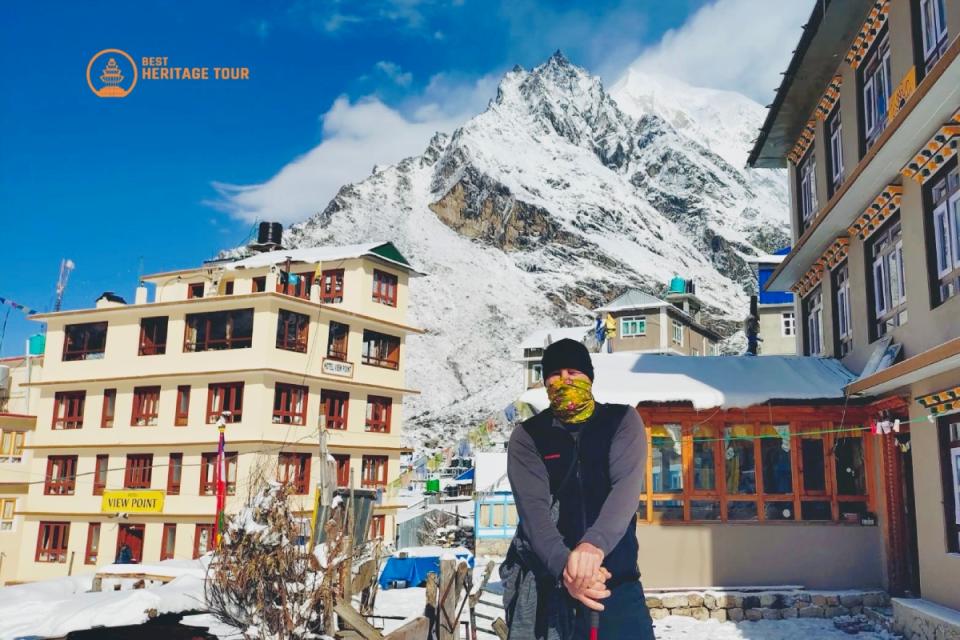
Today, walking through the rebuilt New Langtang Village (3,430 m) is a moving experience. A massive stone memorial wall bears the names of the locals, guides, and international tourists who lost their lives here. Spending time here, staying in the newly constructed stone teahouses, and listening to the stories of survival from your local hosts is an unforgettable reminder of the human spirit's ability to rebuild.
7. Look for the Elusive Red Panda in Langtang National Park
For nature lovers and wildlife enthusiasts, trekking through Langtang National Park offers a rare chance to see some of the planet’s most vulnerable species. The park’s diverse ecosystems range from warm, subtropical forests filled with oak, pine, and giant rhododendrons to cold alpine tundra.
As you hike between Bamboo and Lama Hotel, keep your eyes on the thick bamboo canopies. This specific habitat is home to the rare, endangered Red Panda (Ailurus fulgens). While these creatures are famously shy, trekking quietly with an experienced guide increases your chances of spotting a flash of russet-colored fur high up in the branches. You may also see gray langur monkeys, Himalayan tahrs, and a wide array of colorful high-altitude birds.
8. Explore the Wilderness of Langshisha Kharka
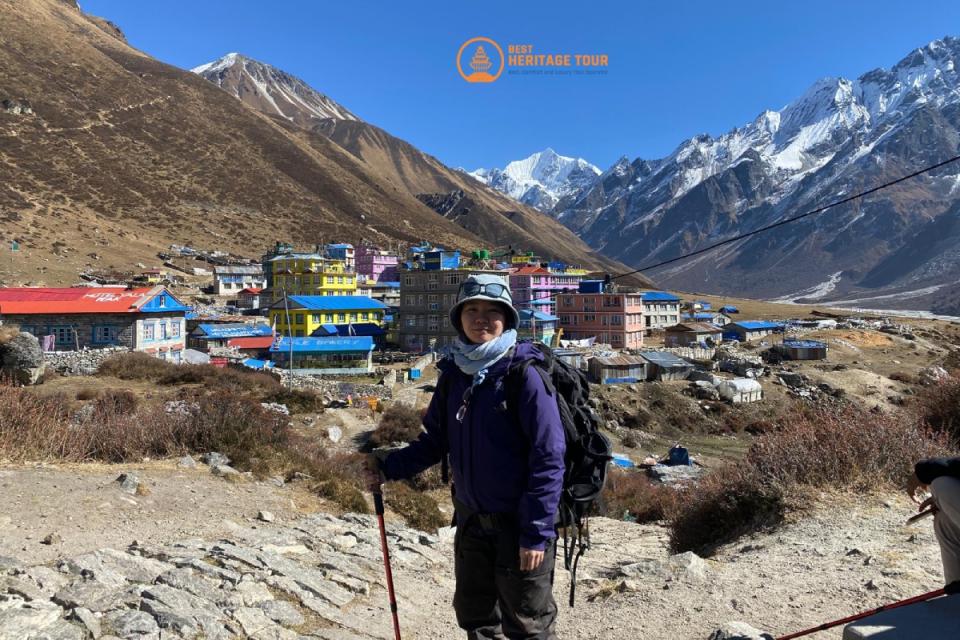
If you want to escape the main trails completely and find true mountain solitude, taking a side excursion to Langshisha Kharka is one of the best kept secrets of the area. This high, rocky grazing pasture sits further east along the valley floor, past Kyanjin Gompa.
The round-trip journey takes about 5 to 6 hours and leads you deep into a wild, glacier-carved amphitheater. Surrounded by massive walls of ice and the rugged Morimoto peak, this area is dotted with simple stone huts used by yak herders during the summer months. It offers a raw look at the high-altitude wilderness, free from the footprints of typical tourist crowds.
9. Experience Genuine Tamang Hospitality in Teahouses
The Langtang region is primarily inhabited by the Tamang people, an indigenous ethnic group whose language, dress, and customs are closely linked to Tibetan traditions. Unlike commercialized trekking routes where lodges can feel like standard hotels, the teahouses here are often extensions of family homes.
Every evening, travelers gather around the central wood-burning stove in the dining hall to share stories. Enjoying a steaming plate of authentic Dal Bhat (lentil soup, rice, and vegetable curry), sipping warm Himalayan Chiya, or trying a cup of salty Suja (traditional butter tea) offers an intimate window into daily mountain life that stays with you long after the trek ends.
10. Cross Thrilling Suspension Bridges Over the Langtang Khola
The physical landscape of Nepal is shaped by its rushing rivers, and the Langtang Trek safely guides you across this rugged terrain via classic, steel suspension bridges. Suspended high above the roaring, glacial waters of the Langtang Khola and Bhote Koshi rivers, these bridges are an adventure in themselves.
Decorated with colorful prayer flags that dance in the mountain breeze, crossing them gives you a wonderful rush of adrenaline and offers fantastic perspectives of the steep gorges below. They serve as physical links between isolated mountainsides, making them a staple of the classic Nepalese trekking experience.
Conclusion
The Langtang Valley Trek is far more than just a walk in the mountains; it is a profound journey through resilient communities, rich cultural landscapes, and pristine alpine wilderness. From standing on the towering heights of Tsergo Ri to sharing stories over a hot meal in a cozy Tamang teahouse, this region captures the very best of what makes trekking in Nepal an unforgettable experience.
Planning a safe, meaningful, and deeply rewarding journey through these high valleys requires local expertise, meticulous logistics, and a profound respect for the communities you visit.
Contact Best Heritage Tour
Phone / WhatsApp / Viber: +977-9851149197 / +977-9810043046
Email: info@bestheritagetour.com / bestheritagetour@gmail.com
Website: www.bestheritagetour.com
Office: Thamel Marg, Kathmandu, Nepal
Author: Best Heritage Tour
Date: 22nd May, 2026