If you are a traveler who seeks the untamed over the manicured, the rustle of elephant grass over the hum of a tourist bus, then Bardiya National Park is calling your name. As the largest undisturbed wilderness in Nepal’s Terai region, Bardiya remains the "Final Frontier" for wildlife enthusiasts.
At Best Heritage Tour, we have spent decades navigating the hidden trails of Nepal. We have seen the tourism landscape shift, but Bardiya’s magic remains constant: it is raw, it is authentic, and it offers the most intimate wildlife encounters in Asia. Whether you are a solo trekker, a professional photographer, or a family seeking an educational adventure, this guide explores the top things to do in Bardiya National Park to ensure your journey is nothing short of legendary.
Why Bardiya National Park Should Be Your Next Destination
Before we dive into the activities, it is essential to understand why this park is special. Located in the far-western corner of Nepal, Bardiya spans 968 square kilometers of Sal forest, grasslands, and riverine ecosystems. Unlike its famous cousin, Chitwan, Bardiya sees a fraction of the visitors, offering a sense of solitude that is increasingly rare in the modern world.
1. Jungle Walks: Tracking the King on Foot
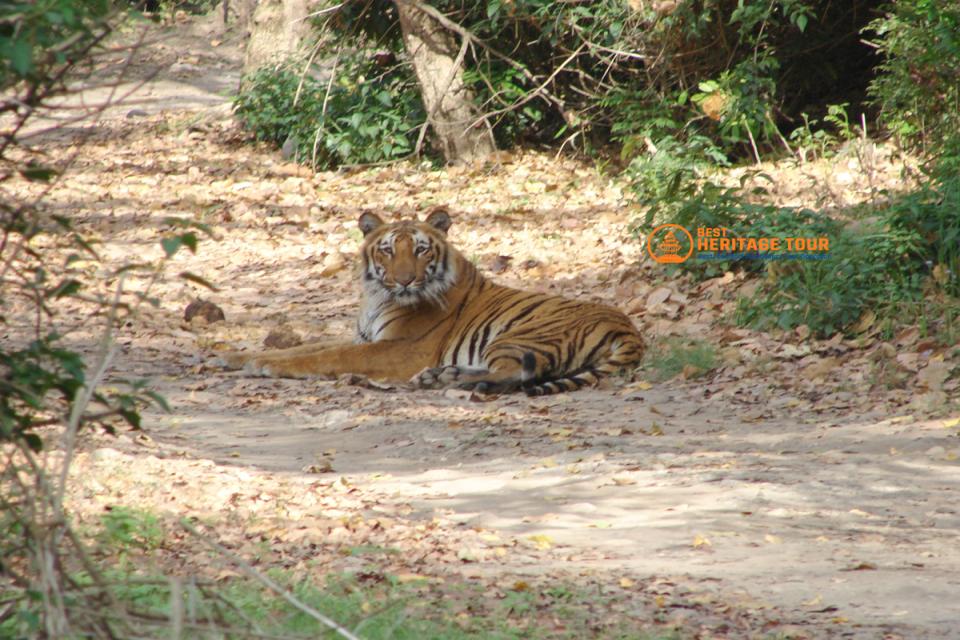
For the true adventurer, nothing compares to a Jungle Walk. Bardiya is one of the very few places on earth where you can legally and safely track the Royal Bengal Tiger on foot.
Accompanied by our expert naturalists, you will enter the park at dawn. There are no engines, no metal cages - just you and the rhythm of the jungle. Our guides are trained to interpret the language of the forest:
-
Alarm Calls: The sharp bark of a Barking Deer or the frantic chattering of Langur monkeys often signals a predator on the move.
-
Pugmarks: We track fresh prints in the soft river sand to determine the age, sex, and direction of the tiger.
-
Scent Marking: The musky smell of a tiger’s spray is a sensory clue that the King is nearby.
A full-day walking safari is a test of patience and nerves, but the reward of seeing a tiger from the ground level is an experience that stays with you forever.
2. Jeep Safaris: Into the Heart of the Core Area
If you want to cover more ground, a Jeep Safari is the way to go. Our 4WD vehicles take you deep into the core zones, such as the Babai Valley, which are inaccessible by foot. This is ideal for families and those who want to visit multiple waterholes in a single day.
In 2026, the tiger density in Bardiya has reached an all-time high. A Jeep safari allows us to reach remote areas like "Tinkune" (the three corners), where three branches of the river meet - a prime territory for tiger sightings.
3. River Safaris and Rafting on the Karnali
The Karnali River is the lifeblood of the park. A drift-boat or rafting safari offers a serene perspective of the wilderness.
-
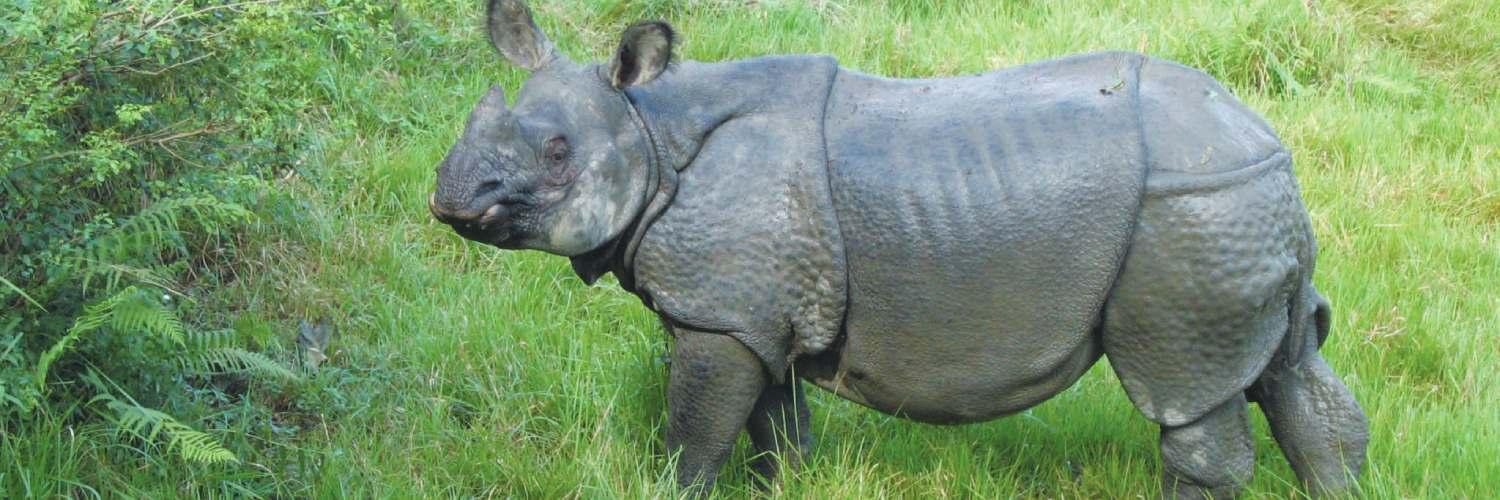
Wildlife from the Water: Tigers, rhinos, and wild elephants often come down to the banks to drink or bathe.
-
The Rare Gangetic Dolphin: Bardiya is one of the last strongholds for the freshwater Gangetic Dolphin. Watching them breach the surface of the emerald water is a highlight for any nature lover.
-
Crocodile Spotting: You will see Marsh Muggers and the prehistoric-looking Gharial crocodiles sunning themselves on the riverbanks.
The Big Question: Can I See a Tiger in Bardiya National Park?
The short answer is Yes, and your chances are better here than almost anywhere else in Nepal.
As of the latest 2026 data, the tiger population in Bardiya has shown a steady and healthy increase. However, remember that these are wild animals in a massive habitat. To maximize your chances, we recommend:
-
Staying at least 3-4 days: Wildlife tracking requires persistence.
-
Visiting during the right season: March to May is prime time (more on this below).
-
Using expert guides: Our trackers at Best Heritage Tour have grown up in these forests; they don't just see the jungle, they read it.
Comparison: Bardiya vs. Chitwan - Which is the Best Place to See a Tiger?
This is the most common question we receive at Best Heritage Tour. Both parks are incredible, but they offer vastly different experiences.
|
Feature |
Bardiya National Park |
Chitwan National Park |
|---|---|---|
|
Tiger Sighting Chance |
Higher (60-70% on multi-day trips) |
Moderate (30-40%) |
|
Rhino Sighting Chance |
Moderate |
Almost Guaranteed |
|
Crowd Levels |
Very Low / Exclusive |
High / Touristy |
|
Vibe |
Raw, Wild, Authentic |
Developed, Accessible, Luxury |
|
Accessibility |
1-hour flight + 2-hour drive |
5-6 hour drive or 20-min flight |
|
Best For |
Serious Wildlife Lovers & Trekkers |
Families & First-time Safari Goers |
The Verdict: If your primary goal is to see a Royal Bengal Tiger in a quiet, undisturbed setting, Bardiya wins. If you have limited time and want a guaranteed look at a One-Horned Rhino, Chitwan is a fantastic choice.
Top Cultural and Educational Activities
Bardiya isn't just about the animals; it’s about the people who have protected this land for centuries.
4. Tharu Cultural Experiences
The indigenous Tharu people are the "Guardians of the Forest." A visit to a Tharu village offers a glimpse into a lifestyle that has remained unchanged for generations.
-
Tharu Museum: Learn about their unique architecture, traditional fishing tools, and the history of their resistance to malaria.
-
Cultural Dance: In the evenings, many lodges host Tharu stick dances - a vibrant, rhythmic performance that tells the stories of their ancestors.
5. Bird Watching
With over 400 species of birds, Bardiya is a paradise for ornithologists. Keep your binoculars ready for the Great Hornbill, the Bengal Florican, and various species of kingfishers and eagles. The best time for birding is between November and February when migratory birds arrive from Siberia.
6. Blackbuck Sanctuary Visit
A short drive from the main park entrance lies the Krishnasar Conservation Area, dedicated to the protection of the endangered Blackbuck (Antelope). It is a heart-warming success story of community-led conservation and a great spot for photography.
Essential Travel Tips for Bardiya (2026)
Best Time to Visit
-
Peak Tiger Season (March - May): The weather is hot, but as water sources dry up in the forest, tigers are forced to the riverbanks and remaining waterholes. The grass is also short, providing maximum visibility.
-
Post-Monsoon (October - December): The weather is perfect (20°C - 25°C), the air is crisp, and the jungle is lush. This is the best time for photography and trekking.
-
Winter (January - February): Great for birdwatching, though morning fog can sometimes delay sightings.
What to Pack
-
Neutral Colored Clothing: Avoid bright reds, yellows, or whites. Stick to olives, browns, and tans to blend into the environment.
-
Good Binoculars: Essential for spotting movement in the thickets.
-
High-SPF Sunscreen and Hat: The Terai sun can be intense.
-
Insect Repellent: A must for evening walks and jungle treks.
Conclusion
Bardiya National Park is more than a destination; it is a feeling. It is the silence of the forest at noon, the thrill of a fresh pugmark, and the awe-inspiring sight of a tiger slipping through the golden grass. Whether you are coming for the wildlife, the culture, or the sheer peace of the wilderness, Bardiya promises an adventure that resonates deep in the soul.
Are you ready to track the King? Contact Best Heritage Tour
Phone / WhatsApp / Viber: +977-9851149197 / +977-9810043046
Email: info@bestheritagetour.com / bestheritagetour@gmail.com
Website: www.bestheritagetour.com
Office: Thamel Marg, Kathmandu, Nepal
Author: Best Heritage Tour
Date: 14th May, 2026