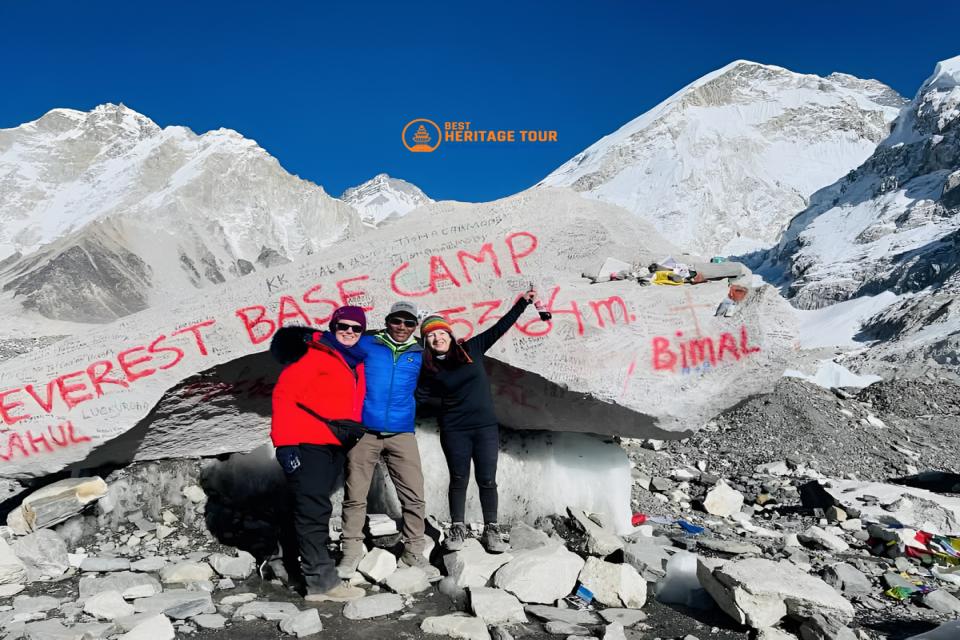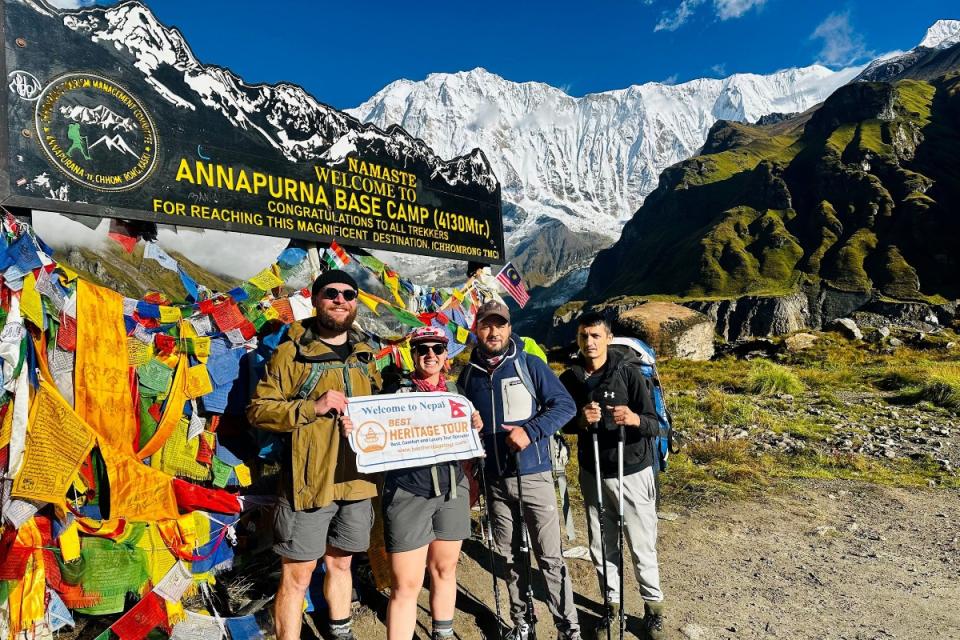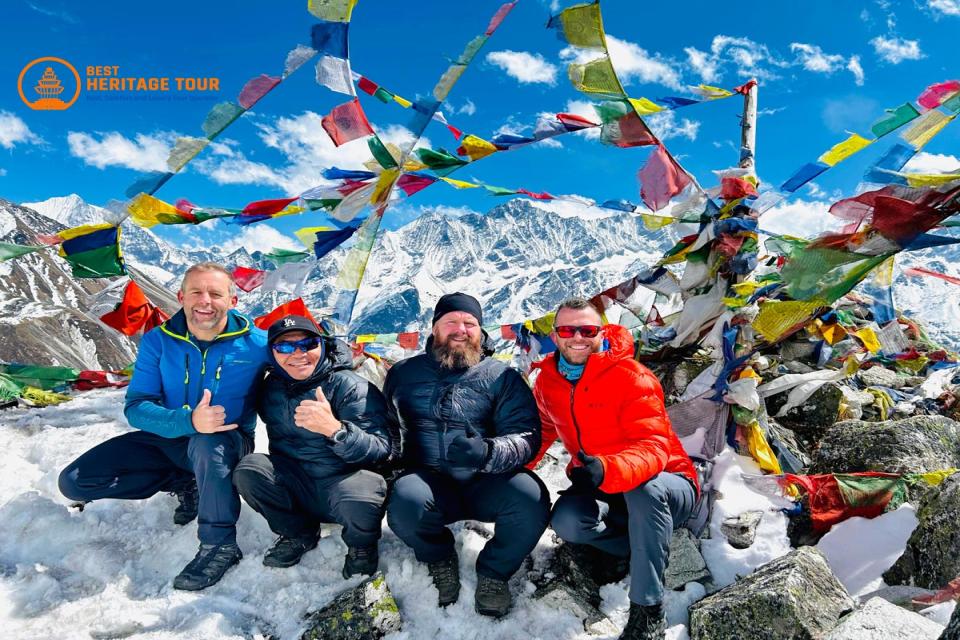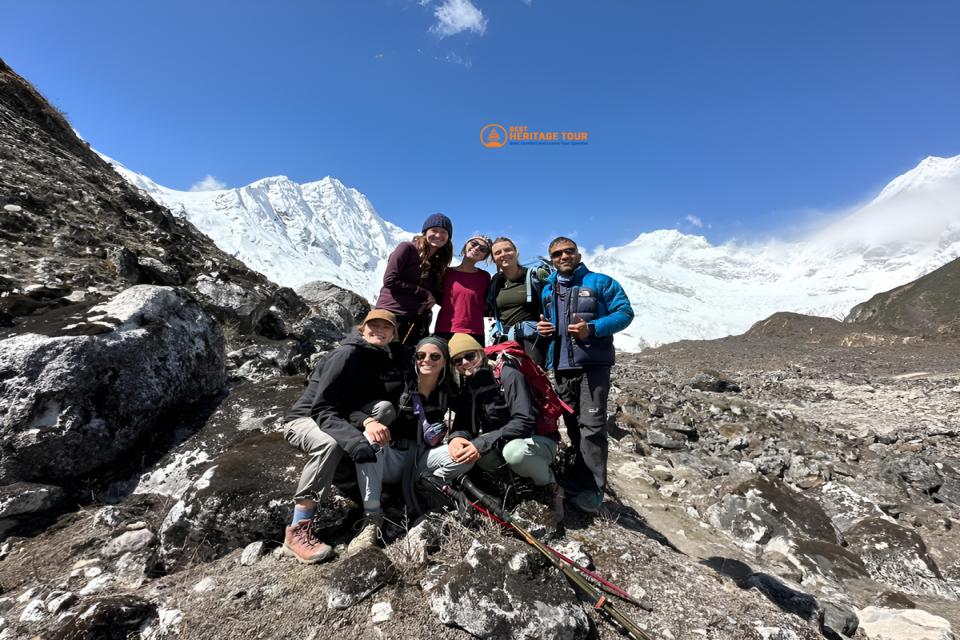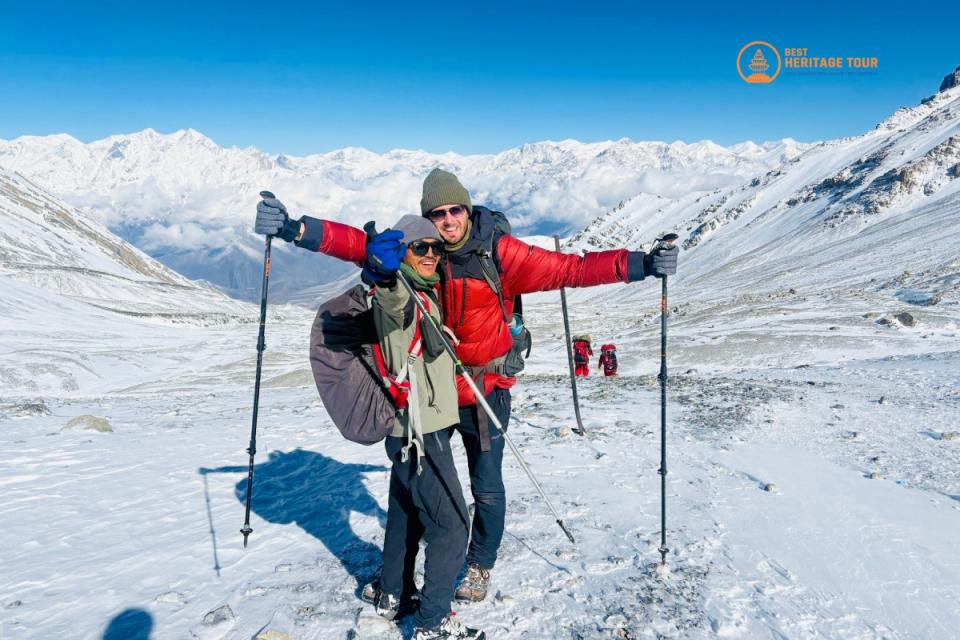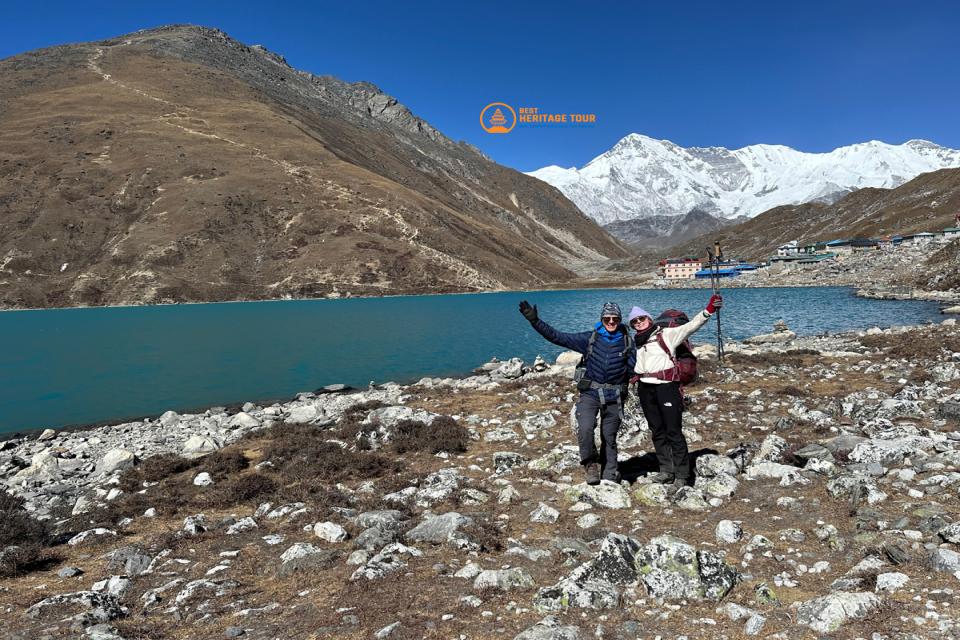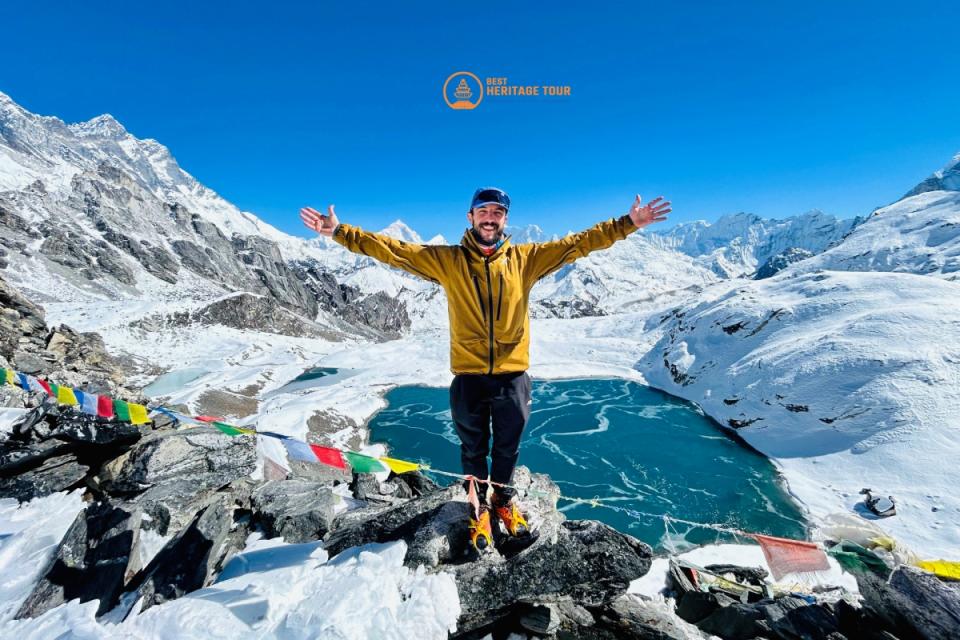
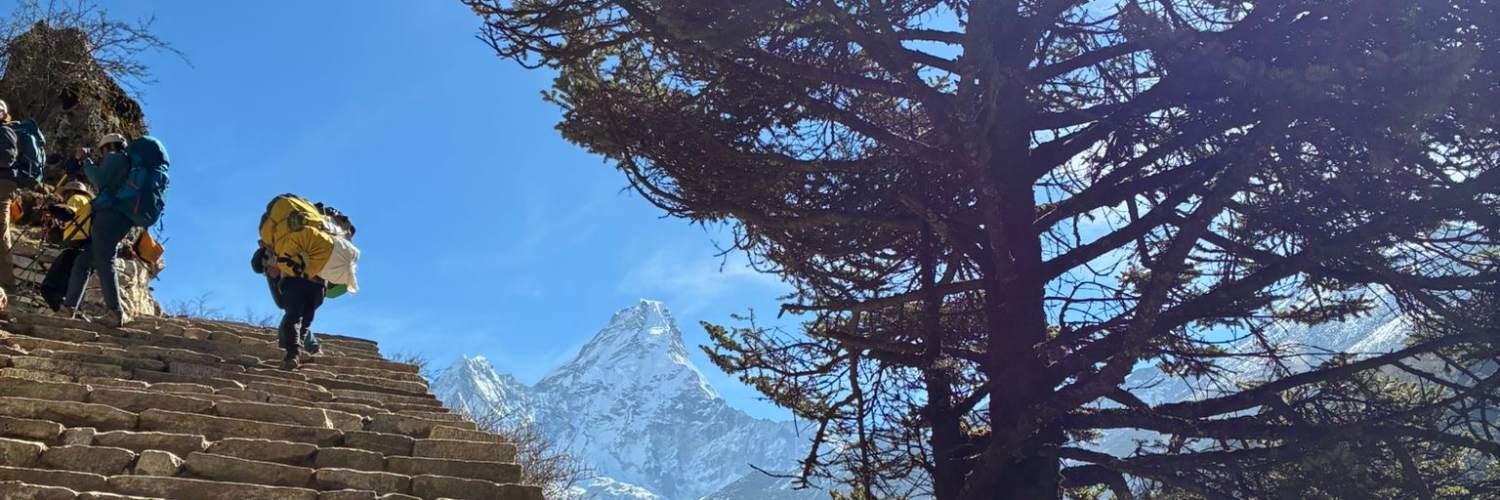
Planning a trek in Nepal is a bucket-list dream for millions of travelers worldwide. From the iconic trails of the Everest Base Camp to the deep cultural valleys of the Annapurna Circuit and the untouched, rugged terrains of Manaslu, the Himalayas offer an unparalleled adventure.
However, your safety, comfort, and the overall success of your Himalayan journey heavily depend on one critical decision: How to choose the trekking agency?
With over 3,000 registered trekking and touring companies operating out of Kathmandu and Pokhara, navigating the options can be overwhelming for travelers. Not all agencies provide the same level of safety, ethical practices, or value for money.
At Best Heritage Tour, we believe that transparency is the cornerstone of great hospitality. To help you make an informed decision, our team of veteran guides and destination specialists has compiled this comprehensive guide on the critical things to consider while choosing a trekking agency in Nepal.
1. Legal Registrations and Government Authorizations
The very first filter you must apply when vetting a trekking agency is their legal status. Operating a travel or trekking company in Nepal requires strict licensing from multiple government bodies. Choosing an unregistered or illegal operator puts your safety, your money, and your insurance coverage at immense risk.
Before booking, verify that the agency is officially authorized by the following entities:
-
Ministry of Culture, Tourism, and Civil Aviation (MoCTCA): The primary government body that issues operating licenses to tourism businesses in Nepal.
-
Department of Cottage and Small Industries: Ensures the business is legally registered as a commercial entity.
-
Nepal Rastra Bank (NRB): A mandatory authorization required for agencies to legally handle foreign currency transactions.
-
Trekking Agencies' Association of Nepal (TAAN): The umbrella association for registered trekking agencies. Membership indicates compliance with industry standards.
-
Nepal Mountaineering Association (NMA): Crucial if your itinerary involves climbing trekking peaks like Island Peak or Mera Peak.
Why Legal Registration Matters for Your Insurance
Most travel insurance policies explicitly state that they will only cover medical evacuations, accidents, or trip cancellations if you are traveling with a legally registered and authorized local operator. If you hire an illegal guide or an unregistered company, your insurance claim could be completely voided in an emergency.
2. Safety Protocols and Emergency Evacuation Infrastructure
The Himalayas are as unpredictable as they are beautiful. Acute Mountain Sickness (AMS), rapid weather shifts, and challenging terrain require flawless safety protocols. When researching how to choose the trekking agency, you must look beyond the price tag and deeply investigate their emergency response system.
We advise asking potential agencies the following specific safety questions:
-
What is the emergency evacuation protocol? Does the company have direct, 24/7 communication lines with helicopter charter companies in Kathmandu for swift medical evacuations?
-
Are the guides trained in Wilderness First Aid? Ensure your guides hold certifications in high-altitude sickness management and first aid.
-
What medical equipment is provided? For high-altitude treks (above 4,000 meters), does the agency provide oximeters to monitor blood oxygen saturation levels daily? Do they carry comprehensive first-aid medical kits?
-
Acclimatization Philosophy: Does the itinerary include dedicated acclimatization days, or is it rushed to lower the price? Rushing an itinerary is a major red flag.
3. Experience, Credentials, and Local Expertise of Guides
A trekking guide is more than just a navigator; they are your translator, cultural bridge, first responder, and companion. A great guide can turn a challenging trek into the experience of a lifetime, while an inexperienced one can jeopardize your entire trip.
When evaluating an agency, check the caliber of the staff they employ:
Government-Licensed Guides
Ensure the company exclusively employs guides licensed by the Government of Nepal. To receive this license, guides must undergo rigorous training covering history, culture, geography, safety, and leadership.
Region-Specific Experience
The Everest region requires different logistical knowledge than the remote trails of Upper Mustang or Kanchenjunga. Ask if your assigned guide has specific, multi-year experience on the exact route you intend to trek.
Language Proficiency
Clear communication is vital, especially during emergencies. The agency should provide guides who are fluent in your preferred language - whether that is English, Spanish, French, German, or Mandarin.
4. Transparent Pricing vs. Hidden Costs
One of the biggest pitfalls for international travelers is falling for incredibly cheap trekking packages. In the Nepalese tourism industry, if a package looks suspiciously cheap, it is usually because it excludes essential expenses that you will be forced to pay out-of-pocket once you arrive.
When comparing quotes, carefully analyze the "Inclusions" and "Exclusions" sections. A reliable, professional agency will always maintain complete transparency.
|
Essential Cost Component |
What to Look For |
|---|---|
|
Permits & Fees |
Are TIMS cards, National Park permits, and restricted area permits included in the upfront cost? |
|
Domestic Flights & Ground Transport |
Are domestic flights (e.g., Kathmandu to Lukla or Pokhara) and private airport transfers covered? |
|
Accommodation |
What type of accommodation is included? Is it standard teahouses, or do you have options for attached bathrooms where available? |
|
Meals |
Does the package cover three meals a day (Breakfast, Lunch, Dinner), or just breakfast? Are hot drinks (tea/coffee) included? |
|
Porter Services |
Is a porter included to carry your heavy luggage, and what is the weight limit per trekker (typically 12.5 kg to 15 kg)? |
Avoid companies that lure you in with low baseline prices and then surprise you with hidden fees for hot showers, Wi-Fi, battery charging, or drinking water during the trek.
5. Ethical Practices and Responsible Tourism
Sustainable tourism is no longer optional; it is a necessity to preserve the fragile ecosystem of the Himalayas and support the local communities. A core aspect of things to consider while choosing a trekking agency in Nepal is how they treat their field staff and the environment.
Porter Welfare and Porter Protection Policies
Porters are the backbone of the Nepalese trekking industry. Sadly, some unscrupulous operators exploit them by over-carrying weights and providing substandard food and shelter. Look for agencies that strictly adhere to the guidelines set by the International Porter Protection Group (IPPG):
-
Weight Limits: Porters should never be made to carry more than 20 to 25 kg.
-
Fair Wages: Porters and guides must be paid fair, industry-standard wages.
-
Clothing & Gear: Porters must be provided with adequate cold-weather clothing, footwear, and proper sleeping arrangements at high altitudes.
-
Insurance: Field staff must be fully insured for medical emergencies and accidents.
Environmental Responsibility
Does the agency practice "Leave No Trace" principles? Do they encourage the use of water purification tablets/filters instead of purchasing single-use plastic bottles that pollute the mountain trails? Supporting eco-conscious operators ensures your travel dollars contribute positively to conservation.
6. Real Reviews, Track Record, and Testimonials
In the digital age, a company's past performance is highly visible. Do not rely solely on the polished photos and testimonials featured on an agency's official website. Instead, dig deeper into independent, third-party platforms to verify their reputation.
-
TripAdvisor: Look for consistent patterns in reviews. Pay close attention to how reviewers describe the responsiveness of the agency, the knowledge of the guides, and how the company handled unexpected disruptions (like flight delays in Lukla).
-
Google Reviews: Check recent reviews to understand the company's current operational quality.
-
Response to Negative Feedback: No company is perfect. Look at how the agency responds to criticism. A professional operator handles complaints with grace, accountability, and a commitment to fixing the issue.
7. Flexibility, Customization, and Pre-Trip Communication
The journey to the Himalayas begins long before you step off the plane at Tribhuvan International Airport. The quality of communication during your initial inquiry is a strong indicator of how you will be treated during the trek.
-
Tailor-Made Itineraries: Every trekker has unique physical fitness levels, time constraints, and interests. A top-tier agency will not force you into a rigid, one-size-fits-all package. They should be willing to customize the itinerary, add rest days, or change accommodation styles to suit your needs.
-
Promptness and Professionalism: Are they answering your emails within 24 to 48 hours? Are their answers detailed, addressing your specific concerns about gear, training, or visas, or are they sending automated, generic responses?
-
Logistical Support for Disruptions: Mountain weather can cause flight cancellations, particularly in regions like Everest (Lukla) and Mustang (Jomsom). A well-connected local agency will have the logistical agility to quickly rearrange your schedule, book alternative road transport, or modify your itinerary without causing panic.
Summary Checklist: Evaluating Your Trekking Agency
To make your decision easier, use this quick checklist when interviewing potential operators:
-
Is the agency fully licensed by MoCTCA, TAAN, and Nepal Rastra Bank?
-
Does the itinerary include scientifically proven acclimatization schedules?
-
Do they have a clear, documented 24/7 helicopter evacuation protocol?
-
Are the assigned guides government-licensed and fluent in your language?
-
Does the contract explicitly list all inclusions and exclusions (no hidden fees)?
-
Does the company enforce strict porter welfare policies (weight limits, fair pay)?
-
Are the independent reviews on TripAdvisor and Google overwhelmingly positive?
And we are proud to announce that, Best Heritage Tour tick all the boxes.
Conclusion
Choosing the right trekking agency is the single most important variable in your Himalayan adventure. By prioritizing legal compliance, robust safety protocols, transparent pricing, and ethical staff treatment over the absolute lowest price, you ensure that your trek through Nepal is safe, deeply rewarding, and memorable for all the right reasons.
We at Best Heritage Tour are dedicated to showcasing the profound beauty, rich history, and vibrant cultures of Nepal through world-class hospitality. Our itineraries are meticulously crafted, our guides are legendary local experts, and our commitment to sustainable, ethical tourism is unwavering. Let us handle the logistics while you focus on taking in the breathtaking views of the roof of the world.
Contact Best Heritage Tour
Phone / WhatsApp / Viber: +977-9851149197 / +977-9810043046
Email: info@bestheritagetour.com / bestheritagetour@gmail.com
Website: www.bestheritagetour.com
Office: Thamel Marg, Kathmandu, Nepal
Author: Best Heritage Tour
Date: 20th May, 2026