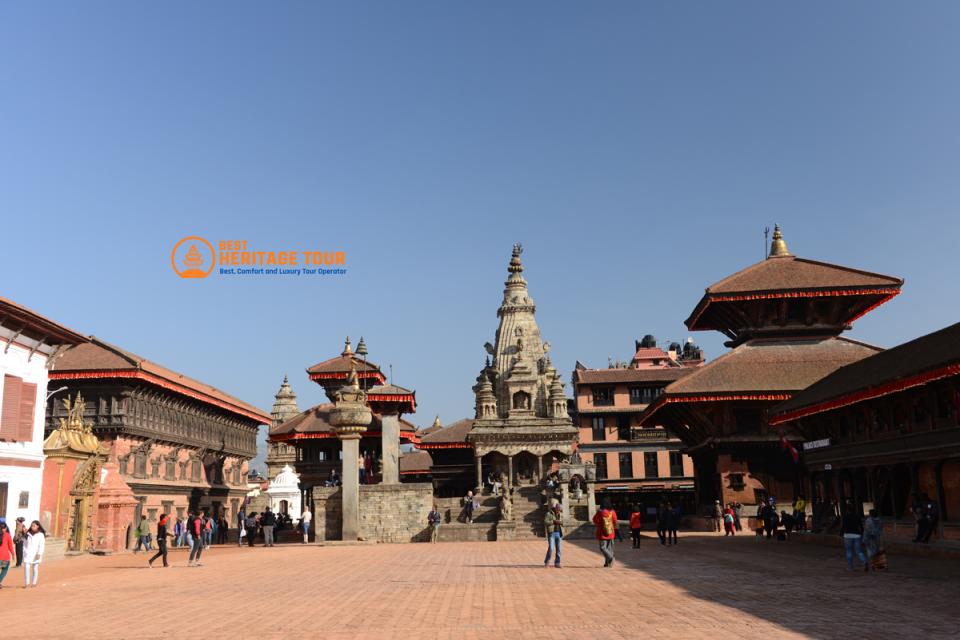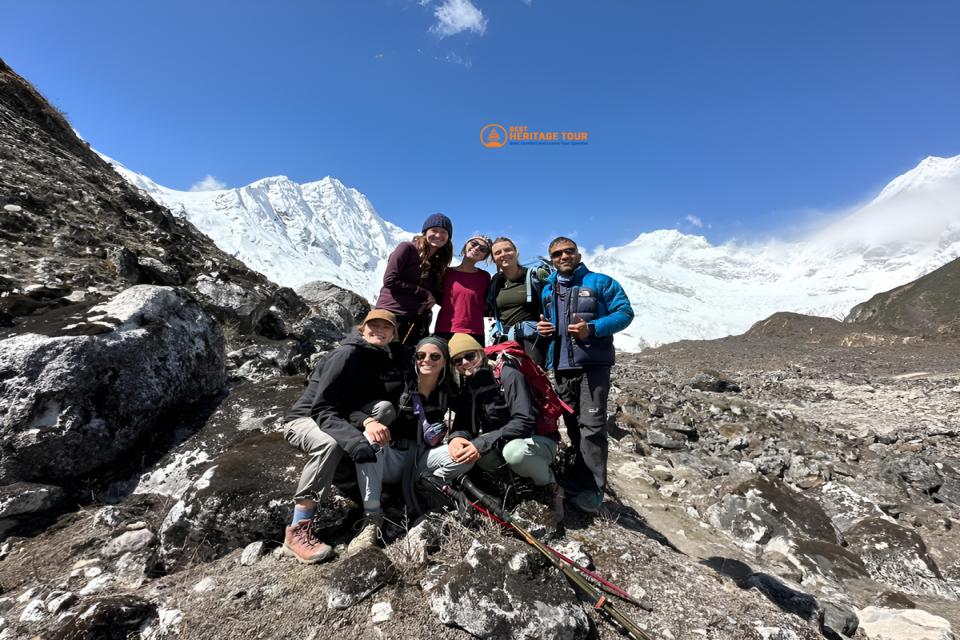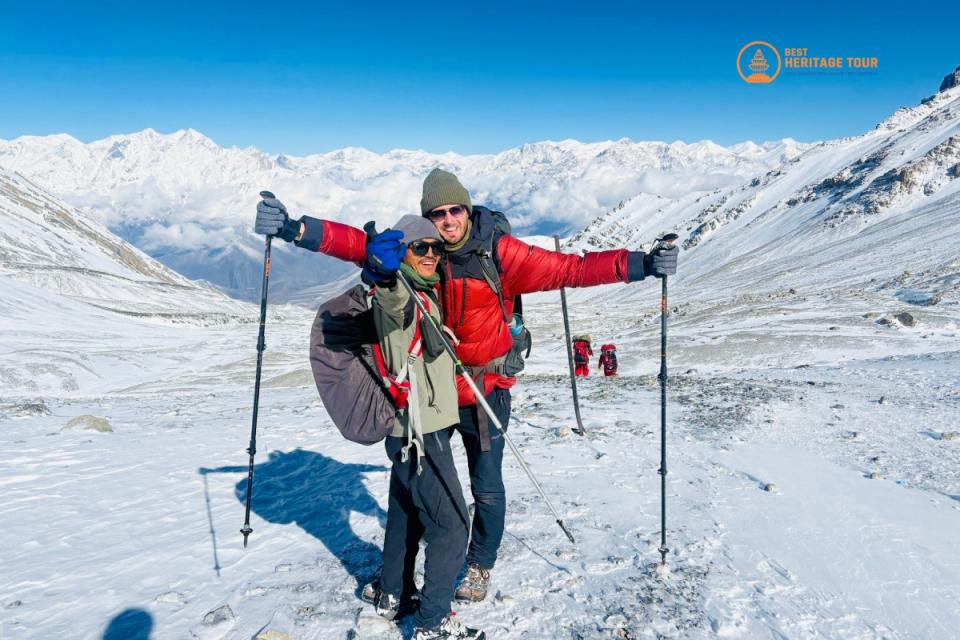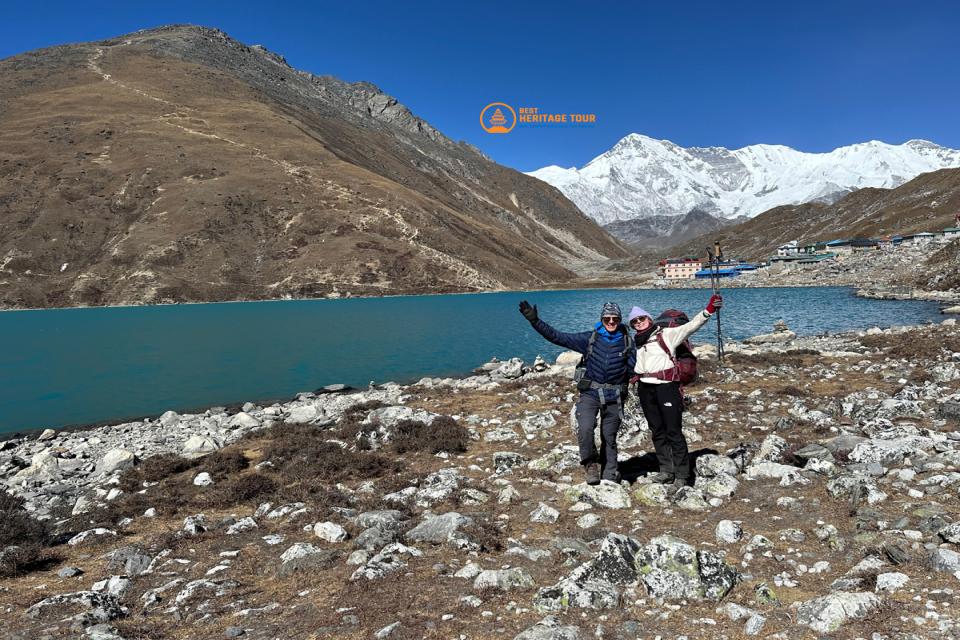
Nepal is often called "The Land of Devotion." Whether you are navigating the ancient cobblestones of Bhaktapur Durbar Square or trekking the rugged trails of the Annapurna Circuit, you are walking through a living museum of faith and tradition. While Nepali people are famously hospitable and forgiving, knowing the cultural "fine print" is what separates a tourist from a true traveler.
To help you navigate our beautiful home with grace, we have compiled the definitive guide: The Top 10 Not-to-Do Things While Traveling in Nepal.
1. Don’t Trek Solo (It’s Now Illegal)
As of 2026, the Government of Nepal has fully enforced the "No Guide, No Trek" policy across all major trekking regions, including Everest, Annapurna, and Langtang. At Best Heritage Tour, we prioritize your safety above all else.
The old paper TIMS cards have been replaced by the digital e-TIMS system. Attempting to trek without a licensed guide through a registered agency can result in heavy fines (up to NPR 12,000) and being turned back at checkpoints. Beyond the legalities, a guide is your lifeline - providing high-altitude first aid, navigating fickle weather, and bridging the language gap with local teahouse owners.
2. Don’t Point Your Feet at People or Deities
In Nepal, the head is considered the most sacred part of the body, while the feet are seen as the "unclean" part.
-
The Faux Pas: Pointing the soles of your feet toward a person, a monk, or a religious statue (like a Buddha image or a Hindu deity).
-
The Fix: When sitting on the floor in a monastery or a Nepali home, tuck your legs underneath you or sit cross-legged. If you accidentally touch someone with your foot, a quick "Sanchai?" or a silent gesture of apology is appreciated.
3. Don’t Use Your Left Hand for Giving or Receiving
This is a classic cultural "not-to-do." Traditionally, the left hand is reserved for personal hygiene in the bathroom, making it impolite to use for social interactions involving food or money.
-
The Rule: Always use your right hand to pay for items, accept a gift, or pass a plate of food.
-
Best Practice: To show maximum respect (especially to elders), use your right hand to give or receive while touching your left hand to your right elbow. This is a beautiful Nepali gesture that demonstrates humility.
4. Don’t Drink Tap Water (Ever)
This is a health-critical "not-to-do." Even in 2026, the municipal water systems in Kathmandu and Pokhara are not treated for direct consumption.
-
The Danger: Waterborne illnesses like Giardia or Typhoid can ruin your trek before it even begins.
-
The Solution: Stick to bottled mineral water, or better yet, use a UV purifier or water purification tablets. At Best Heritage Tour, we advocate for eco-friendly travel; carrying a reusable bottle and treating your own water significantly reduces the plastic waste choking our mountain trails.
5. Don’t Give Money to Street Children (The "Beggar" Trap)
It’s heartbreaking to see children asking for money, but giving cash reinforces a cycle of dependency and often encourages them to drop out of school to "work" the tourist routes.
-
The Alternative: If you wish to help, donate to established local NGOs or schools. If you’re trekking, don’t hand out "meethi" (candy) - it causes dental decay in villages that have no access to dentists. Instead, carry pens or notebooks to donate directly to a village school teacher.
6. Don’t Wear Revealing Clothing
While Thamel in Kathmandu has a modern vibe, the rest of Nepal remains deeply conservative.
-
For Women: Avoid short shorts, miniskirts, or spaghetti-strap tops.
-
For Men: Avoid going shirtless or wearing very short shorts in villages or religious sites.
-
Heritage Site Protocol: When visiting temples like Pashupatinath or stupas like Boudhanath, keep your shoulders and knees covered. Carrying a light pashmina or scarf in your daypack is a pro-traveler move.
7. Don’t Ignore Altitude Sickness (AMS)
The Himalayas are majestic, but they demand respect. One of the biggest mistakes travelers make is trying to "push through" a headache or nausea to keep up with a group.
-
The Golden Rule: Never ascend more than 300-500 meters of "sleeping altitude" per day once you pass 3,000m.
-
The Warning: If you have symptoms of Acute Mountain Sickness (AMS), do not go higher. Stay at your current altitude or descend. At Best Heritage Tour, our guides are trained to monitor your oxygen levels and heart rate daily - we never gamble with your life.
8. Don’t Take Photos Without Permission
Nepal is incredibly photogenic, but its people are not props.
-
The Faux Pas: Snapping a photo of a woman washing clothes or a sadhu (holy man) in prayer without asking.
-
The Protocol: Simply ask, Can I take a photo? or just point to your camera with a smile. Most people will happily oblige, but if they say no, respect their privacy.
-
Inside Temples: Many Hindu temples (like the inner sanctum of Pashupatinath) strictly forbid photography. Always look for "No Photography" signs.
9. Don’t Enter a Kitchen Uninvited
In many traditional Nepali households, the kitchen is considered a sacred space, and "Jutho" (ritual impurity) is taken seriously.
-
The Mistake: Walking into a teahouse kitchen to see what’s cooking.
-
The Proper Way: Always wait to be invited. If you are staying in a homestay, ask your host before entering the cooking area. Also, avoid touching the rim of a communal water vessel with your lips - pour the water into your mouth from a distance instead.
10. Don’t Forget to Walk Clockwise
Whether you are circling the Swayambhunath Stupa (Monkey Temple) or passing a Mani stone (prayer stone) on a trek, there is a specific direction to follow.
-
The Direction: Always walk clockwise. This keeps the sacred object to your right side, which is a sign of respect in both Buddhism and Hinduism.
-
Prayer Wheels: If you spin prayer wheels, use your right hand and spin them clockwise as you walk.
Why Experience Matters
Navigating the cultural and physical landscape of Nepal can be complex, but it is infinitely rewarding when done correctly. At Best Heritage Tour, we don’t just provide a service; we provide a bridge between your world and ours. From securing your e-TIMS and Green Fee permits to ensuring you understand the subtle nuances of a village "Namaste," we handle the details so you can focus on the magic.
Top 10 Not to do Things while Travelling in Nepal - keep this list in your pocket, and you’ll find that the "doors of the heart" in Nepal open much wider for you.
Conclusion
Nepal is a land of unmatched beauty, but its true heart lies in its traditions and its people. By avoiding these common mistakes, you ensure that your presence in the Himalayas is a positive one. Ready to explore the Roof of the World with the experts who know it best?
Plan Your Journey with Best Heritage Tour:
Phone / WhatsApp / Viber: +977-9851149197 / +977-9810043046
Email: info@bestheritagetour.com / bestheritagetour@gmail.com
Website: www.bestheritagetour.com
Office: Thamel Marg, Kathmandu, Nepal
Author: Best Heritage Tour
Date: 10th May, 2026