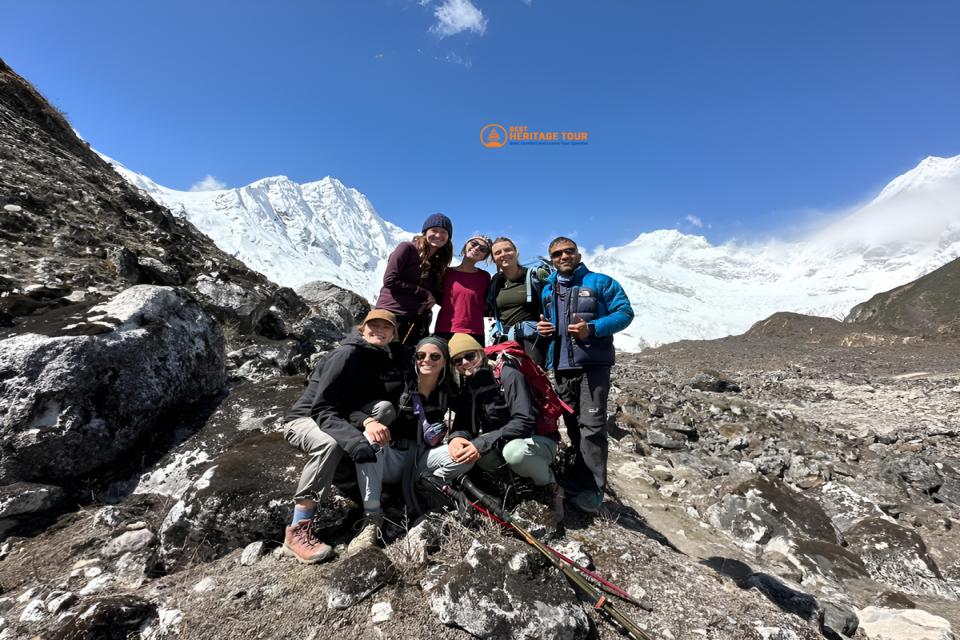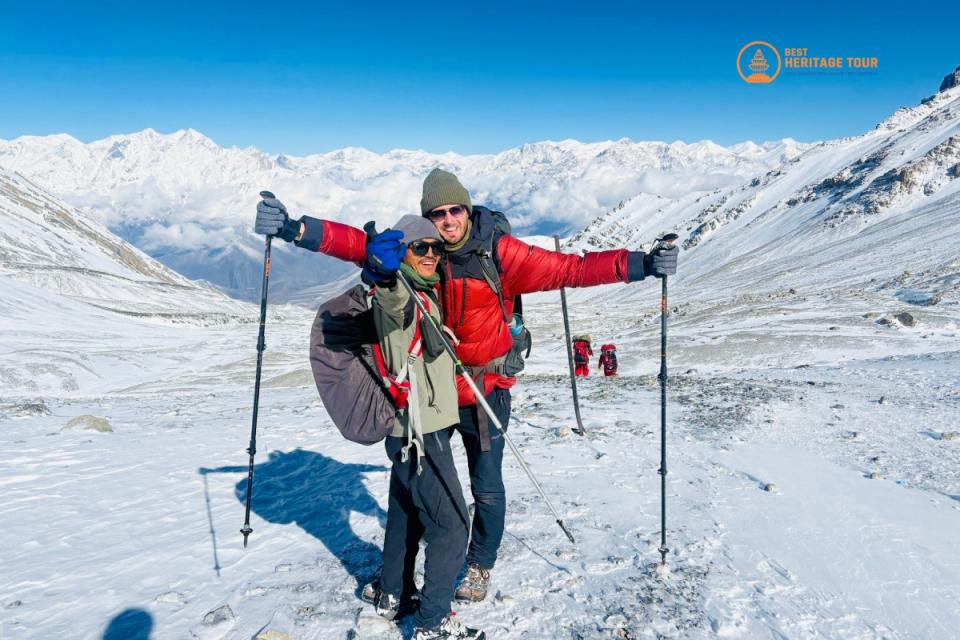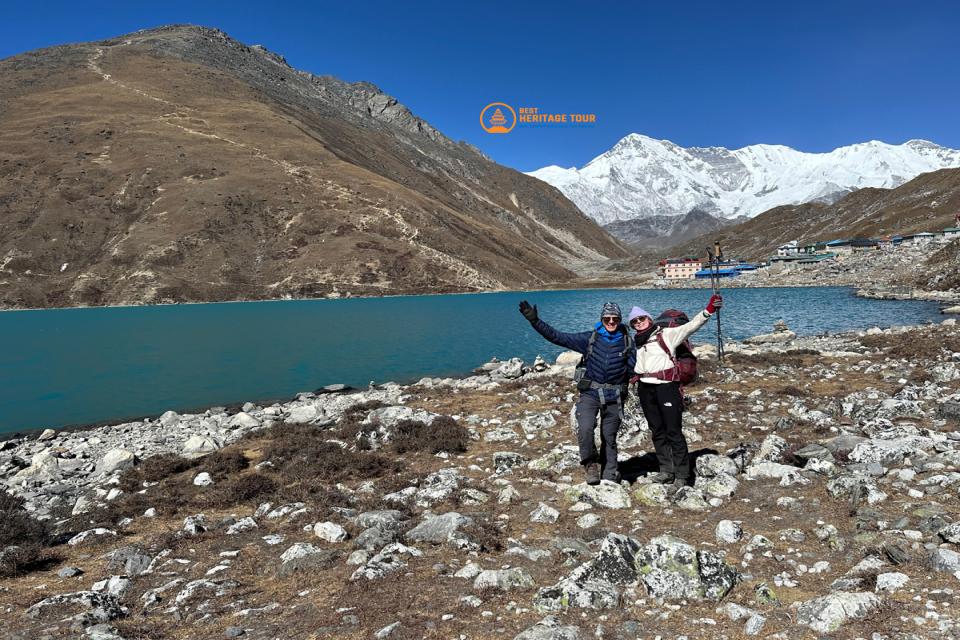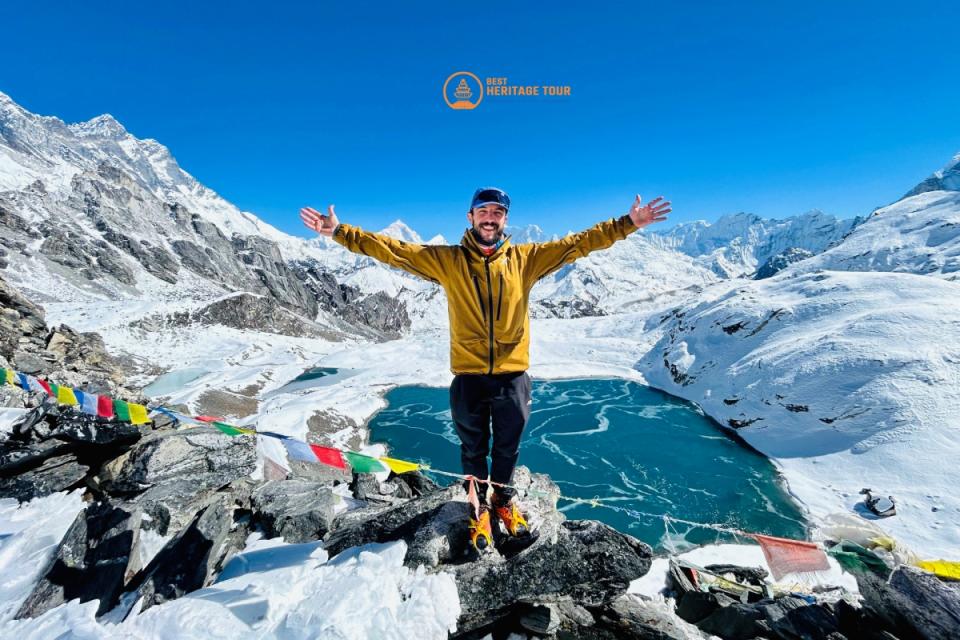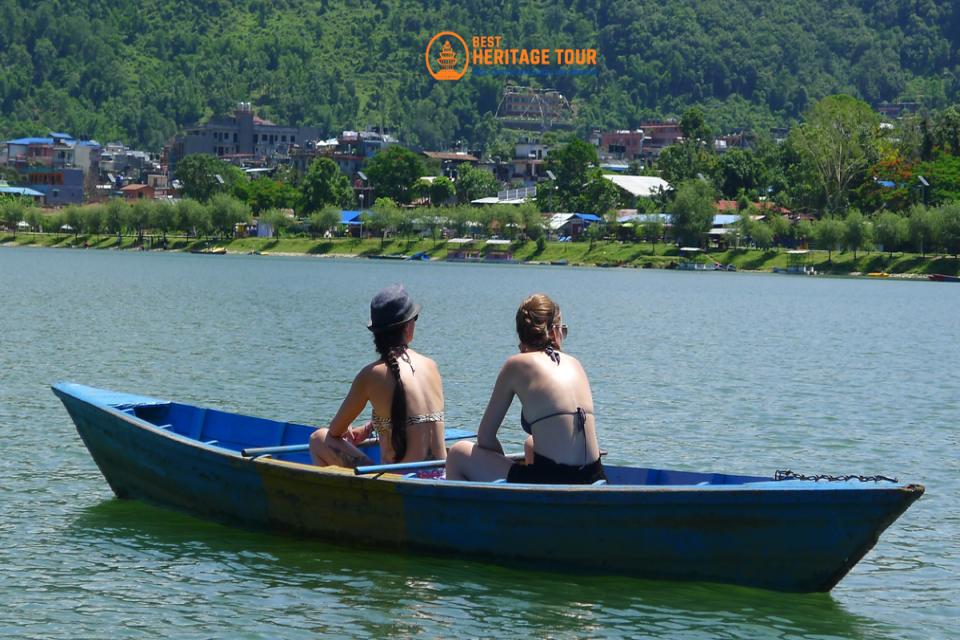
Namaste and welcome to the heart of the Himalayas! At Best Heritage Tour, we believe that the most profound travel experiences happen when you bridge the gap between being a tourist and being a guest.
Nepal is famous for its towering peaks and ancient temples, but our true beauty lies in our culture - a complex, beautiful tapestry of traditions that dictate how we interact, eat, and show respect. For many of our guests, one of the most surprising and important cultural nuances to grasp is the concept of "Jhuto."
If you are planning a trek to Everest Base Camp, a spiritual tour of Kathmandu’s heritage sites, or a peaceful retreat in Pokhara, understanding Jhuto is essential. It is more than just a word; it is a fundamental pillar of Nepalese social etiquette.
What is the Meaning of "Jhuto" in Nepal?
To put it simply, Jhuto refers to food or drink that has been "polluted" or "contaminated" by contact with someone’s mouth, saliva, or used utensils.
In Western cultures, sharing a sip of water from a friend’s bottle or taking a bite of someone’s sandwich is often seen as a sign of closeness. However, in Nepal, once food or liquid touches your lips or your used spoon, it becomes Jhuto. To offer that same food to someone else - or to touch a communal serving dish with your "polluted" hand - is considered highly disrespectful and unhygienic in a traditional context.
The Philosophy Behind the Concept
The Jhuto concept in Nepal is deeply rooted in ancient Hindu and Buddhist notions of purity (Shuddha) and impurity. Saliva is viewed as a medium of ritual contamination. By keeping things "non-Jhuto," we maintain a standard of communal respect and spiritual cleanliness. While modern urban households in Kathmandu might be more relaxed, the rule remains strictly observed in the mountains, rural villages, and during religious ceremonies.
Why Trekkers and Travelers Must Know the Jhuto Concept
When you are trekking through the tea houses of the Annapurna Circuit or the Langtang Valley, you are often living in close quarters with local families. Understanding Jhuto isn't just about following rules; it's about showing the locals that you respect their home and their way of life.
Here are the primary ways the Jhuto concept manifests in daily Nepalese life:
1. The "Air-Drop" Water Technique
You may notice your trekking guide or porters drinking water by tilting their heads back and pouring the water directly into their throats without letting the bottle touch their lips. This is the "Air-Drop."
-
The Reason: This keeps the water in the bottle "pure." Anyone can then share that water because it hasn't become Jhuto.
-
Pro Tip for Travelers: If a local offers you a drink from their bottle, try not to touch your lips to the rim. If you find this difficult, it is better to politely decline or use your own bottle.
2. Sharing Plates and Cutlery
In many Western countries, "family-style" dining involves everyone dipping their forks into central platters. In Nepal:
-
Once you start eating from your plate, everything on that plate becomes Jhuto.
-
You should never offer a "taste" of your food from your plate to a local friend or another traveler using the spoon you’ve already used.
-
If you want to share, do so before you start eating, using a clean, unused spoon to move the food to another plate.
3. The Left-Hand Taboo
While not strictly Jhuto (which specifically involves saliva), the use of hands is closely related. In Nepal, the right hand is used for eating and giving/receiving items. The left hand is traditionally reserved for "unclean" tasks (personal hygiene).
-
The Intersection: Even if your hands are clean, touching someone else’s food with your left hand can be seen as a form of contamination similar to making it Jhuto.
Common Scenarios: Navigating Jhuto Like a Pro
To help you navigate your journey with Best Heritage Tour, let’s look at some real-world scenarios you might encounter.
At a Local Tea House
You’ve just finished a grueling 6-hour hike and sit down for a steaming plate of Dal Bhat (Lentil soup and rice). The host brings a large pot of extra rice to your table.
-
The Mistake: Reaching into the communal rice pot with your own spoon to grab a second helping.
-
The Correct Way: Wait for the host to serve you, or use the dedicated serving spoon that has not touched anyone’s individual plate.
Visiting a Nepali Home
If you are invited to a local home for tea, your host will be incredibly hospitable.
-
The Mistake: Taking a biscuit, taking a bite, and then putting the half-eaten biscuit back on the serving tray.
-
The Correct Way: Once you touch or take a piece of food, it is yours. If you cannot finish it, it must be discarded (or given to animals), but never returned to the communal pile.
At a Temple or Shrine
Many temples offer Prasad (blessed food).
-
The Mistake: Eating the Prasad and then touching the sacred statues or bells with your "food-contaminated" hands.
-
The Correct Way: Wash your hands and mouth after eating before engaging with sacred objects.
The "Sip" Exception?
You might see young Nepalese friends in Kathmandu sharing a drink or a "bite" in a modern cafe. The younger generation is increasingly influenced by global culture. However, as a traveler, it is always safer and more respectful to default to the traditional rule. When in doubt, assume the Jhuto concept is in full effect.
Beyond Food: Other Cultural Sensitivities in Nepal
While Jhuto is perhaps the most specific "technical" rule, it sits within a larger framework of Nepalese etiquette that we at Best Heritage Tour encourage our guests to embrace:
-
Shoes Off: Always remove your shoes before entering a home or a temple.
-
Dress Modestly: Especially in rural areas and religious sites, keep shoulders and knees covered.
-
Circumambulation: Always walk around stupas (like Boudhanath) and temples in a clockwise direction.
-
Public Affection: Physical intimacy (even holding hands) is generally frowned upon in public, especially in rural villages.
Conclusion
The concept of Jhuto might seem strict at first glance, but it is actually a beautiful reflection of the Nepalese emphasis on hygiene, communal respect, and the sacredness of sharing a meal. By being mindful of what we touch and how we share, we preserve the purity of the experience for everyone involved.
As you prepare for your adventure in this land of wonders, remember that your effort to understand our culture is the greatest gift you can bring. We can't wait to show you the hidden corners of our heritage and the breathtaking heights of our mountains.
Ready to start your journey?
If you have more questions about Nepalese customs or are ready to book your next Himalayan adventure, the team at Best Heritage Tour is here to guide you every step of the way.
Contact Best Heritage Tour:
Phone / WhatsApp / Viber: +977-9851149197 / +977-9810043046
Email: info@bestheritagetour.com / bestheritagetour@gmail.com
Website: www.bestheritagetour.com
Office: Thamel Marg, Kathmandu, Nepal
Author: Best Heritage Tour
Date: 30th April, 2026