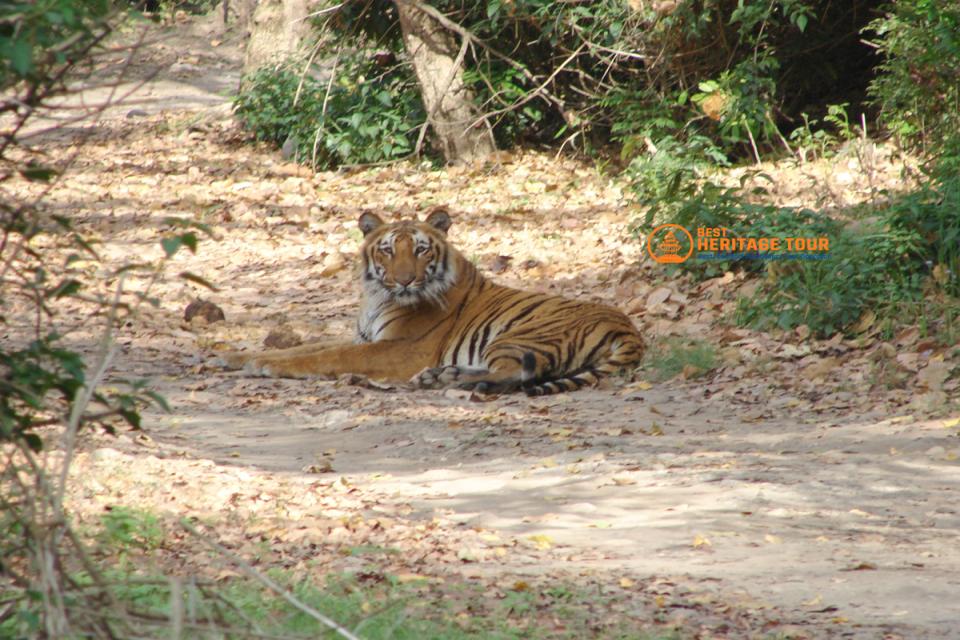
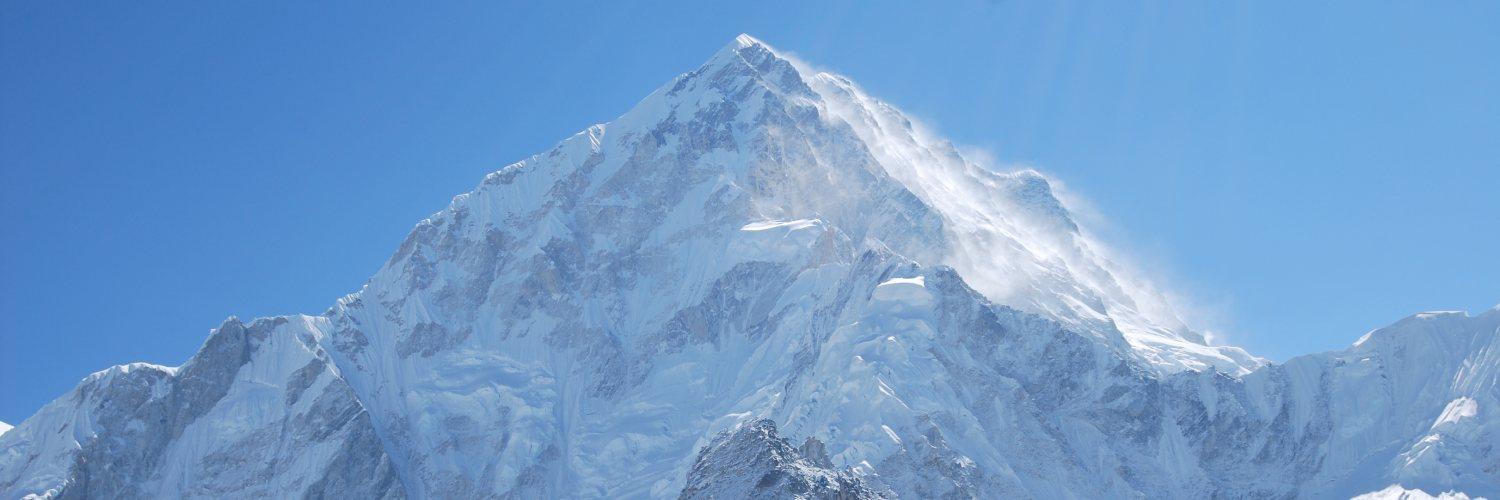
Planning a trip to Nepal is unlike any other travel experience. One week you might be navigating the bustling, incense-filled streets of Kathmandu; the next, you’re breathing thin air at 5,000 meters; and a few days later, you’re scanning the tall grass of the Terai for a Royal Bengal Tiger.
At Best Heritage Tour, we’ve spent decades guiding travelers across this diverse landscape. We know that the secret to a successful Himalayan adventure isn't just about your fitness level - it’s about what’s in your bag. As we move into 2026, gear technology has evolved, and so have the trails.
Whether you are aiming for the summit of Island Peak, trekking the classic Everest Base Camp trail, or heading south for a luxury safari in Chitwan, this comprehensive guide is your “go to” for packing.
The Golden Rule of Nepal Travel: The Layering System
In Nepal, you don't pack for one climate; you pack for four. In a single day of trekking, you might start in a T-shirt under a tropical sun and end the evening huddled in a down jacket as the temperature drops below freezing.
The 3-Layer System is your best friend:
-
Base Layer (Wicking): To move sweat away from your skin.
-
Mid Layer (Insulating): To trap body heat (fleece or light down).
-
Outer Layer (Shell): To protect you from the biting Himalayan wind and unexpected rain.
Why Quality Matters in 2026
With advancements in sustainable fabrics, we highly recommend Merino wool for 2026. It’s naturally odor-resistant (perfect for 12-day treks without a laundry machine) and regulates temperature better than old-school synthetics.
Trekking Essentials: The Foundation of Your Journey
For most travelers, the "trek" is the heart of the trip. Whether it’s the Annapurna Circuit or the Manaslu region, your gear must be lightweight, durable, and functional.
Footwear: Your Most Important Investment
-
Trekking Boots: Do not skimp here. You need mid-to-high ankle support and a waterproof membrane (Gore-Tex). Pro Tip: Buy these 3 months before your trip and "break them in" on local trails. Blisters are the #1 reason trekkers fail to reach their goal.
-
Camp Shoes: After 7 hours in heavy boots, your feet will crave freedom. Lightweight Crocs or down booties are the gold standard for teahouses.
-
Technical Socks: Bring 4-5 pairs of Merino wool blend socks (like Darn Tough or Smartwool).
Upper Body & Lower Body
-
Moisture-Wicking T-shirts (3): Avoid cotton at all costs. Cotton stays wet, gets heavy, and makes you cold.
-
Long-sleeve Thermal Tops (2): One for trekking on cold days, one strictly for sleeping.
-
Fleece Jacket: A mid-weight layer for chilly mornings.
-
Down Jacket: Rated for at least -15°C. This is your "safety net" at night.
-
Convertible Trekking Pants: Great for the lower altitudes where it can get surprisingly hot.
-
Waterproof Shell Pants: Essential for crossing high passes like Thorong La or Cho La.
Peak Climbing Gear: Elevating the Adventure
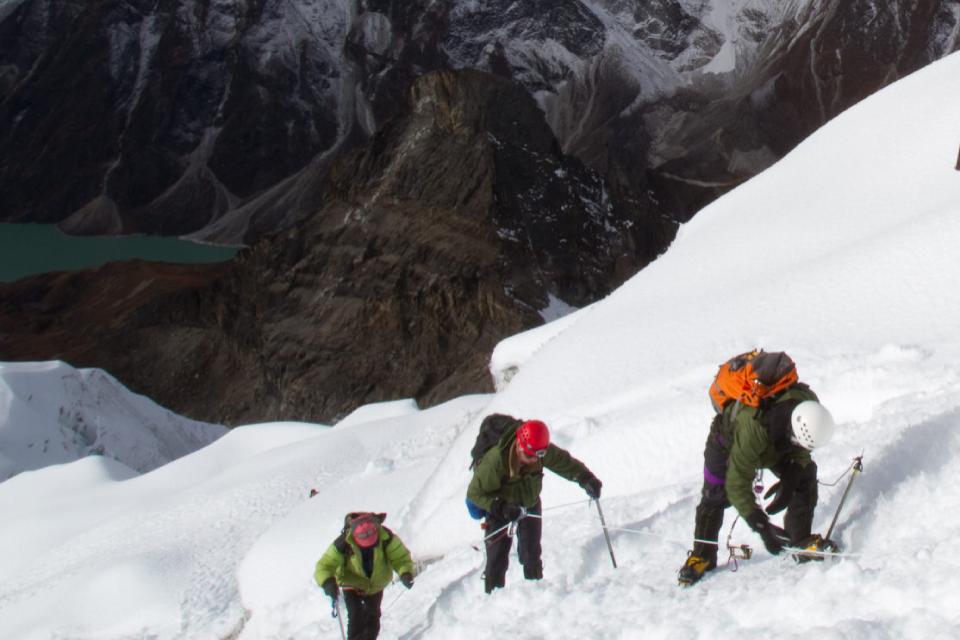
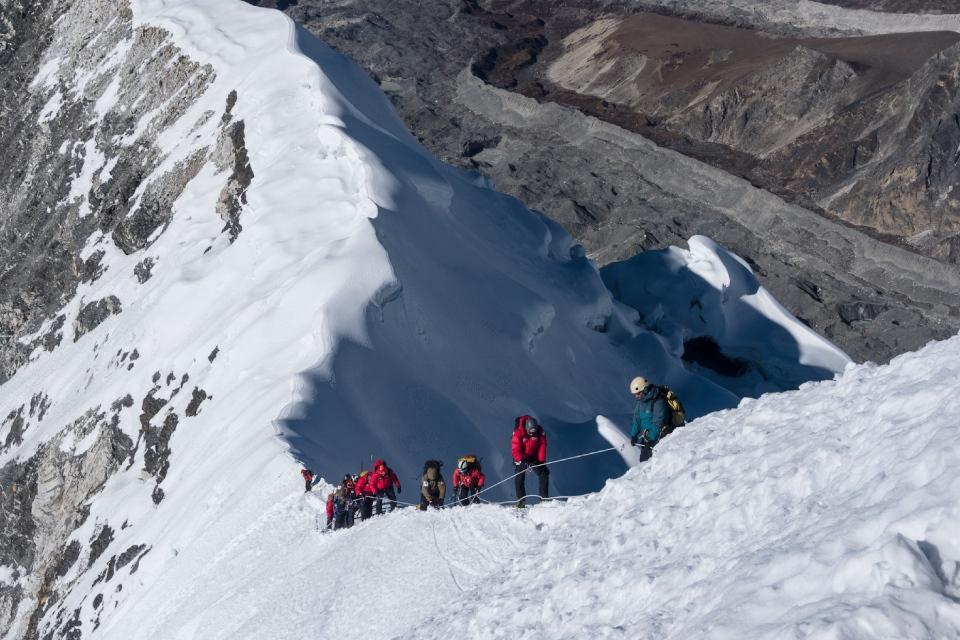
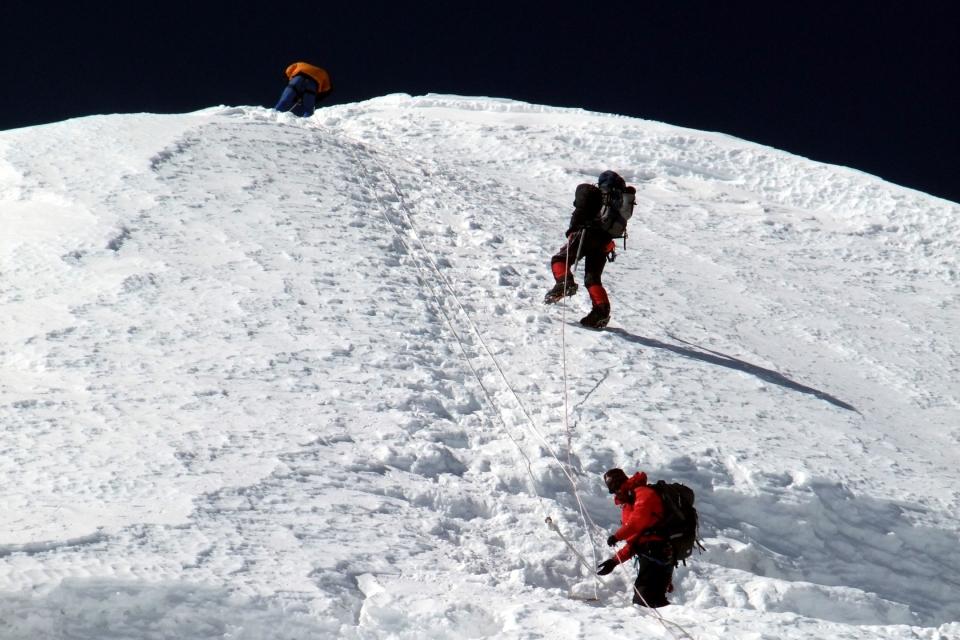
If your 2026 itinerary includes "trekking peaks" like Mera Peak, Island Peak, or Lobuche East, your packing list gets technical. While Best Heritage Tour provides heavy equipment (ropes, tents, oxygen), you are responsible for your personal technical kit.
Technical Hardware
-
Climbing Boots: These are different from trekking boots. They are rigid, insulated, and "crampon-compatible."
-
Crampons: 12-point steel crampons that fit your specific climbing boots.
-
Ice Axe: A standard mountaineering axe sized to your height.
-
Climbing Harness & Helmet: Safety is non-negotiable. Ensure your helmet is adjustable enough to fit over a thick beanie.
-
Ascender (Jumar) & Descender: Essential for fixed-line sections on peaks like Island Peak.
Specialized Hand & Headwear
-
Glacier Glasses: Standard sunglasses won't cut it. You need Category 4 UV protection with side shields to prevent snow blindness.
-
Summit Mittens: High-altitude wind is brutal. Your gloves should have a removable liner and a waterproof outer shell.
The Wildlife Safari: Gear for the Terai Jungles
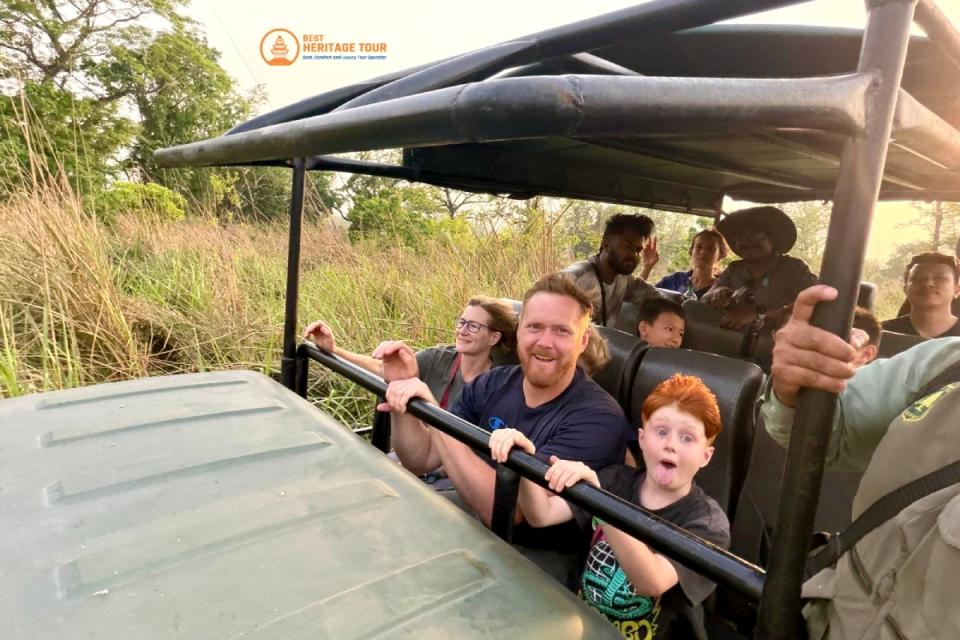
After the high-altitude chill, the humid jungles of Chitwan or Bardia National Park will feel like a different planet.
What to Pack for Safari:
-
Neutral-Colored Clothing: Tigers and rhinos have keen eyesight. Wear khakis, greens, and browns. Avoid bright reds, whites, or "high-viz" trekking gear, which can startle wildlife.
-
Lightweight Long Sleeves: Essential for protection against both the sun and mosquitoes.
-
Wide-Brimmed Hat: To shade your face during long jeep drives or canoe rides.
-
Binoculars: A pair of 8x42 or 10x42 binoculars will transform your safari experience.
-
Insect Repellent: Look for a high-DEET formula. The "jungle juice" is a must in the Terai.
Electronics and Tech: Staying Connected in 2026
The Himalayas are more "connected" than ever, but battery management remains a challenge.
-
Power Bank (20,000mAh+): Cold weather drains batteries fast. Charging at teahouses can cost $3-$8 per hour, so a high-capacity power bank is a money-saver.
-
Solar Charger: If you're heading to remote areas like Upper Dolpo or Kanchenjunga, a portable solar panel (like Goal Zero) is a game-changer.
-
Universal Adapter: Nepal uses Type C, D, and M plugs.
-
Headlamp: Essential for "summit pushes" and navigating teahouses during power outages. Always carry spare batteries.
-
eSim/Local SIM: Pick up an NTC or Ncell SIM at the airport for data in most trekking regions.
Health, Hygiene, and the "Small Essentials"
It’s often the smallest items that determine your comfort level.
The Mountain Pharmacy
-
Diamox (Acetazolamide): For altitude sickness (consult your doctor first).
-
Water Purification: In 2026, we advocate for Sustainability. Instead of buying plastic bottles, bring a LifeStraw or Katadyn filter bottle, or use purification tablets.
-
Personal First Aid: Blister pads (Compeed), Ibuprofen, Rehydration salts (Electrolytes), and broad-spectrum antibiotics.
-
Sunscreen & Lip Balm: At 5,000m, the UV rays are 50% stronger than at sea level. Use SPF 50+.
Hygiene & Comfort
-
Wet Wipes: Your "mountain shower."
-
Quick-Dry Towel: Compact and lightweight.
-
Hand Sanitizer: Use it religiously before every meal to avoid "Delhi Belly."
-
Pee Bottle (for Men/Women): Trust us - you don't want to leave your warm sleeping bag to find a toilet in the middle of a sub-zero night.
Documentation and Money
-
Passport & Visa: Ensure your passport is valid for at least 6 months.
-
Insurance: This is vital. Your policy must cover "Emergency Helicopter Evacuation" up to 6,000 meters. Without this, a rescue can cost upwards of $5,000 out of pocket.
-
Cash (NPR): While some places in Namche Bazaar take cards, the mountains are still a cash economy. Budget roughly $25-$35 per day for extra snacks, hot showers, and tips.
Renting vs. Buying in Kathmandu
Many of our clients ask: Should I bring everything from home?
Thamel, the tourist hub of Kathmandu, is a gear paradise.
-
What to BUY at home: Boots (must be broken in!), base layers, and high-quality socks.
-
What to RENT in Kathmandu: Down jackets and -20°C sleeping bags. Best Heritage Tour can assist you in finding reputable rental shops that provide sanitized, high-quality gear for a fraction of the purchase price.
Sustainable Packing: Leave No Trace
As a responsible travel company, Best Heritage Tour is committed to preserving the fragile Himalayan ecosystem. In 2026, we ask our travelers to:
-
Avoid Single-Use Plastics: Pack reusable silicone bags instead of Ziplocs.
-
Eco-Friendly Toiletries: Use biodegradable soaps and shampoos.
-
Battery Disposal: Take your dead batteries back home with you; Nepal lacks the infrastructure to recycle them properly.
Summary Checklist: The "Don't Forget" List
|
Category |
Must-Have Items |
|---|---|
|
Documents |
Passport, Insurance, Permits, 4x Passport Photos, Cash. |
|
Footwear |
Trekking Boots (Broken-in), Camp Shoes, 5x Wool Socks. |
|
Clothing |
Down Jacket (-15°C), Waterproof Shell, Fleece, 3x Base Layers. |
|
Gear |
4-Season Sleeping Bag, 30-40L Daypack, Trekking Poles. |
|
Health |
Water Filter, Sunscreen, Diamox, Hand Sanitizer, Blister Tape. |
|
Safari |
Neutral Colors, Binoculars, Mosquito Repellent, Sun Hat. |
|
Climbing |
Crampons, Ice Axe, Harness, Helmet, Glacier Glasses. |
Conclusion
Packing for Nepal can feel like a daunting task, but remember: you aren't just packing "things" - you are packing for the experiences that will define your 2026. Whether you are standing at the base of the world's highest peak or watching a rhinoceros bathe in a jungle river, having the right gear ensures you stay focused on the beauty, not the blisters.
At Best Heritage Tour, we handle the logistics so you can focus on the journey. Our expert guides are always available to check your gear before we head out into the wild.
Still feeling unsure about your gear?
Phone / WhatsApp / Viber: +977-9851149197 / +977-9810043046
Email: info@bestheritagetour.com / bestheritagetour@gmail.com
Website: www.bestheritagetour.com
Office: Thamel Marg, Kathmandu, Nepal
Author: Best Heritage Tour
Date: 4th February, 2026