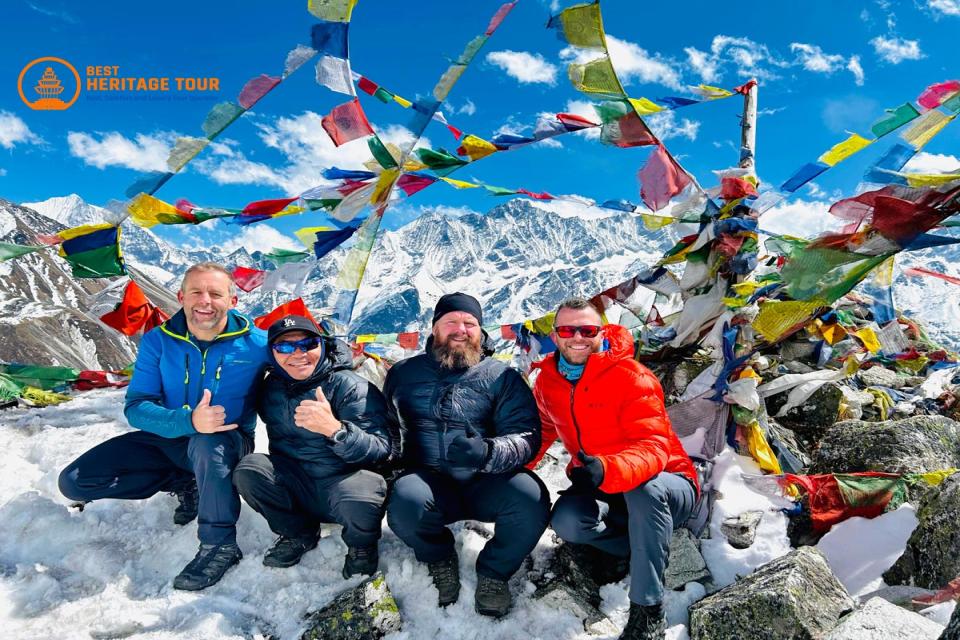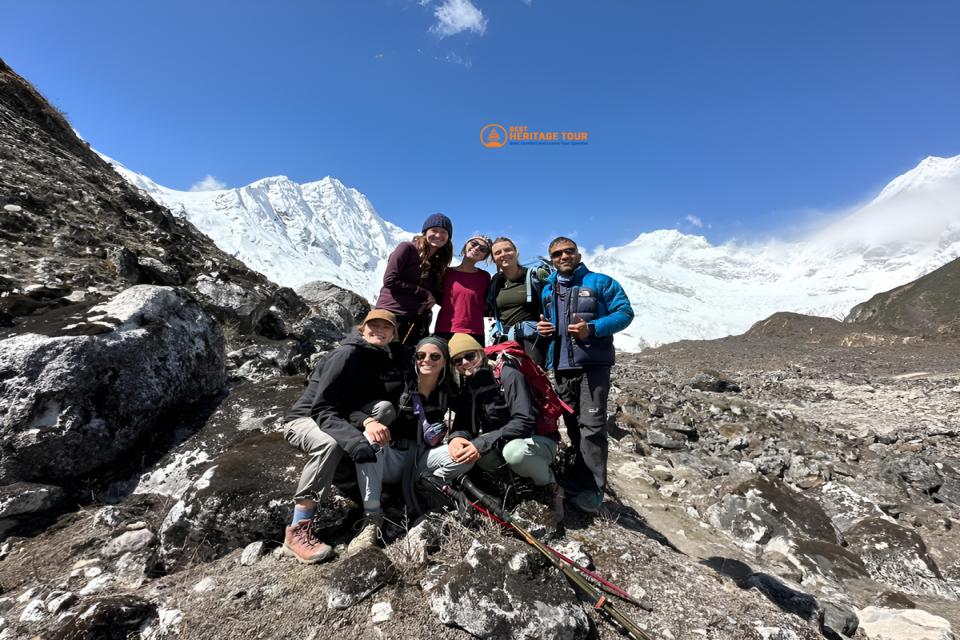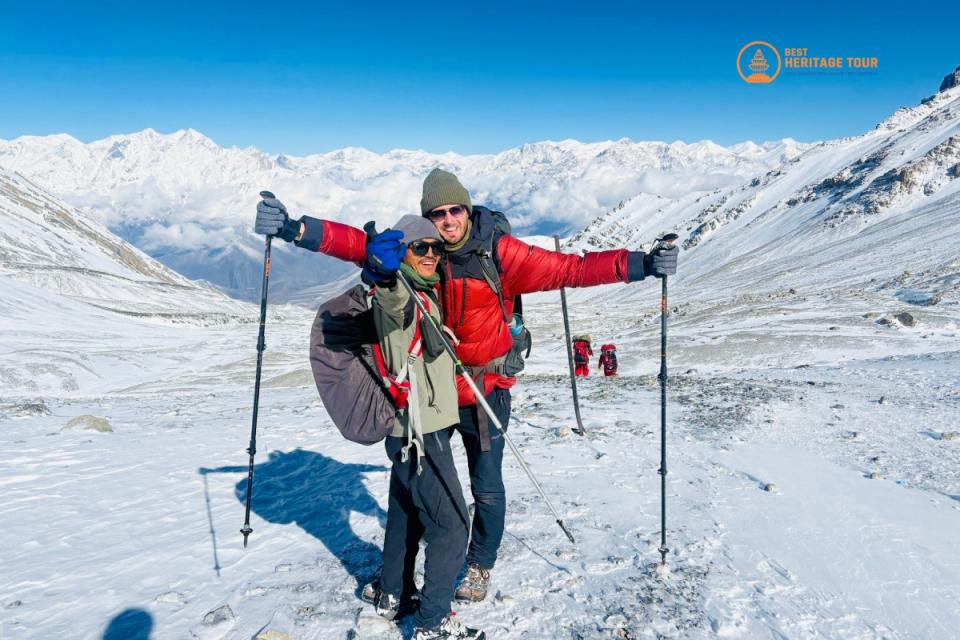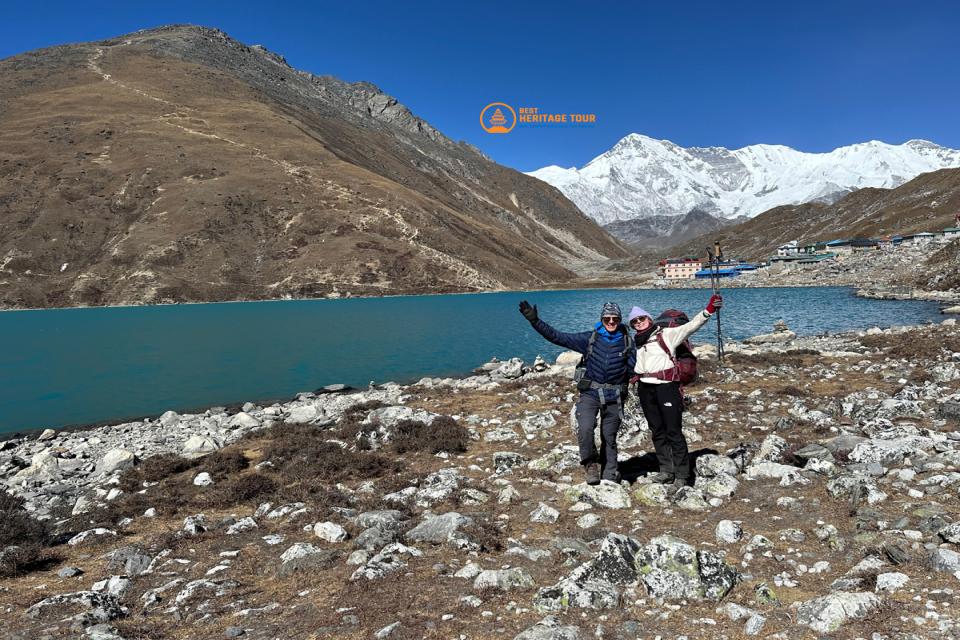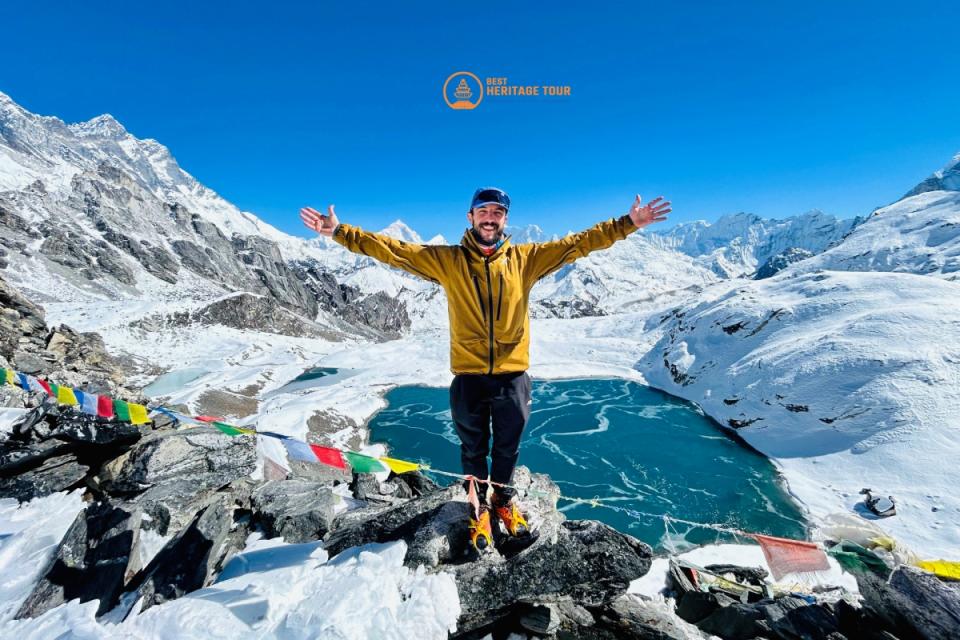
For decades, the image of trekking in the Himalayas was synonymous with heavy expeditions, rows of yellow tents, and a small army of porters carrying kitchen supplies. While camping treks still offer a rugged charm in remote corners like Upper Dolpo & Dhaulagiri Circuit, the modern era of Himalayan exploration has been defined by something far more accessible and culturally immersive: Teahouse Trekking.
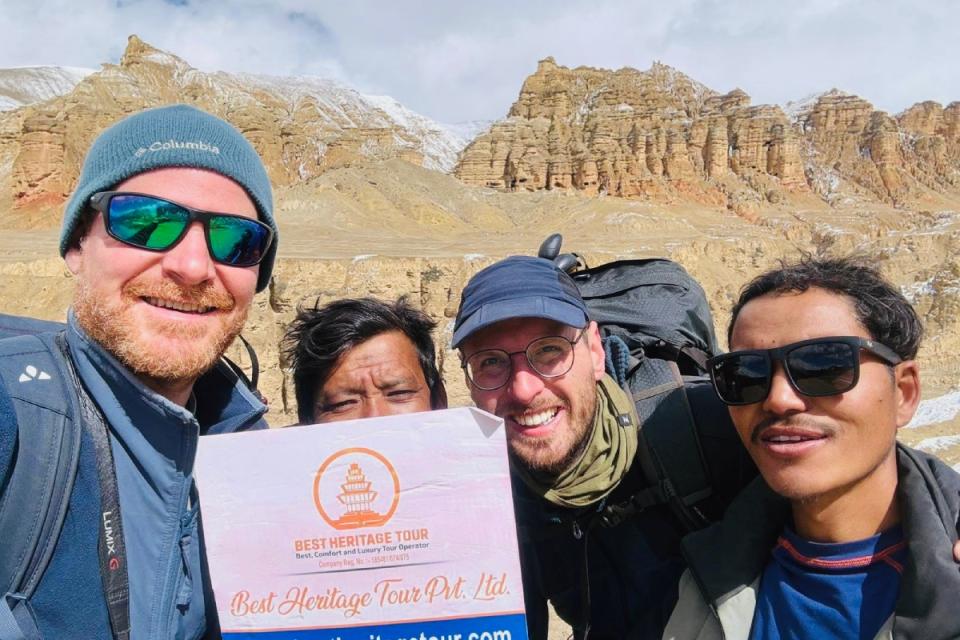
At Best Heritage Tour, we have spent years guiding travelers through the winding trails of our homeland. We’ve seen firsthand how the teahouse culture has transformed a grueling mountaineering feat into a sustainable, comfortable, and deeply human experience.
Whether you are dreaming of standing before Mount Everest or walking the lush rhododendron forests of the Annapurna, this comprehensive guide explains everything you need to know about teahouse trekking in Nepal for 2026.
What Exactly is a Teahouse?
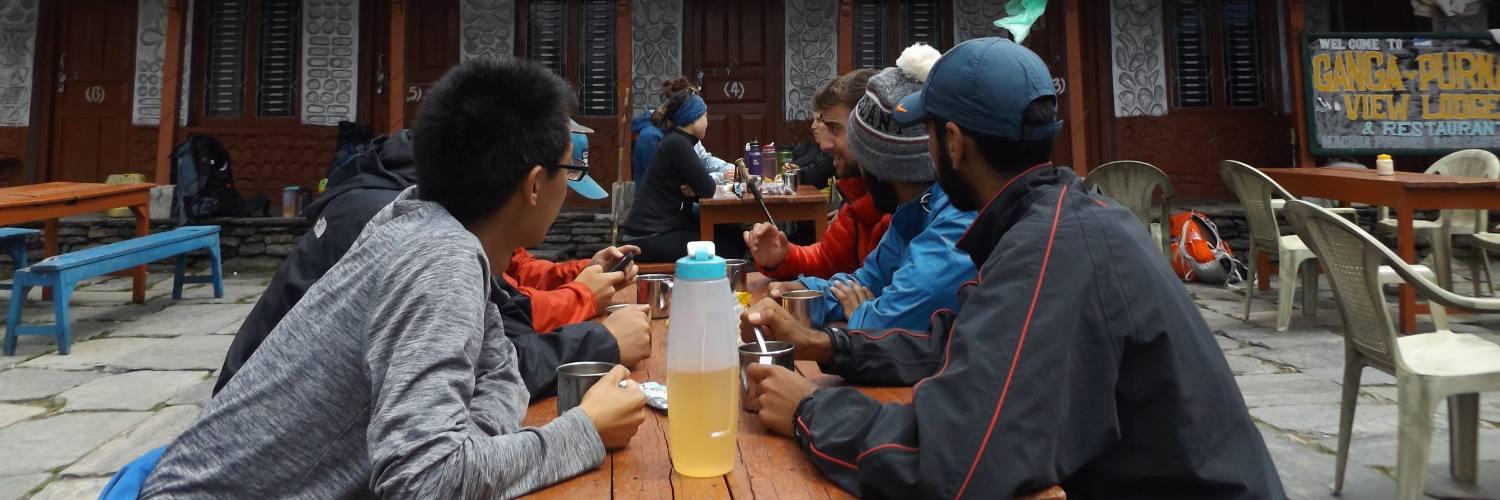
In the context of Nepal, a teahouse (locally known as a bhatti) is a mountain lodge that serves as a combination of a restaurant, a social hub, and a bed-and-breakfast.
In the early days of Himalayan tourism, these were simple family homes where locals offered a cup of tea and a spot on the floor to weary traders and early explorers. Today, they have evolved into a sophisticated network of mountain infrastructure. While they range from basic stone huts in high-altitude passes to surprisingly modern lodges with heated dining rooms and Wi-Fi in lower regions, the core philosophy remains the same: Himalayan hospitality.
Why Choose Teahouse Trekking?
-
Travel Lighter: You don’t need to carry tents, stoves, or weeks’ worth of food. This allows you to focus on the scenery and your own physical rhythm.
-
Cultural Connection: You aren’t isolated in a campsite. You eat in communal dining halls, often sharing space with the local families who run the lodge.
-
Local Economy Support: Staying in teahouses ensures your tourism dollars go directly into the pockets of the mountain communities.
-
Comfort & Safety: Having a solid roof over your head and a warm fire at night makes a massive difference in recovery, especially when temperatures drop below freezing.
Life on the Trail: What to Expect
1. The Accommodation
Expect "mountain luxury," which is a polite way of saying functional and cozy. Most teahouses offer twin-sharing rooms with two single beds.
-
The Room: Walls are often made of thin plywood (bring earplugs!). You’ll be provided with a mattress, a pillow, and a thick quilt. However, at Best Heritage Tour, we always recommend bringing your own -15°C rated sleeping bag for hygiene and extra warmth.
-
The Bathroom: In lower altitudes, you might find Western-style toilets and even attached bathrooms. As you climb higher, expect shared facilities and traditional "squat" toilets.
-
The Heat: Only the communal dining room is heated (usually by a central stove fueled by wood or dried yak dung). Sleeping rooms are unheated and can get very cold.
2. Dining and Nutrition
The teahouse menu is surprisingly diverse, but there is one undisputed king of the trail: Dal Bhat.
-
Dal Bhat Power: This traditional meal consists of lentil soup (dal), steamed rice (bhat), vegetable curry, and pickles. It is the best fuel for trekking because it is fresh, calorie-dense, and most importantly - comes with free refills.
-
International Options: You’ll also find pasta, pancakes, porridge, eggs, and even "mountain pizza."
-
Water: To protect our environment, we discourage buying plastic bottled water. Teahouses provide boiled or filtered water for a small fee, which you can further treat with purification tablets or a SteriPen.
3. Amenities and Connectivity
-
Electricity: Most teahouses have solar power or local hydropower. Charging your phone or camera usually costs between $2 to $5 per device.
-
Wi-Fi: Available in most regions (like Everest and Annapurna) via Ncell/NTC data or specialized services like Everest Link. However, expect it to be slow and occasionally cut out during bad weather.
-
Hot Showers: Solar or gas-heated showers are available for a fee ($3-$7). At high altitudes, many trekkers opt for "wet wipe showers" to avoid catching a cold.
Top Teahouse Trekking Regions in Nepal
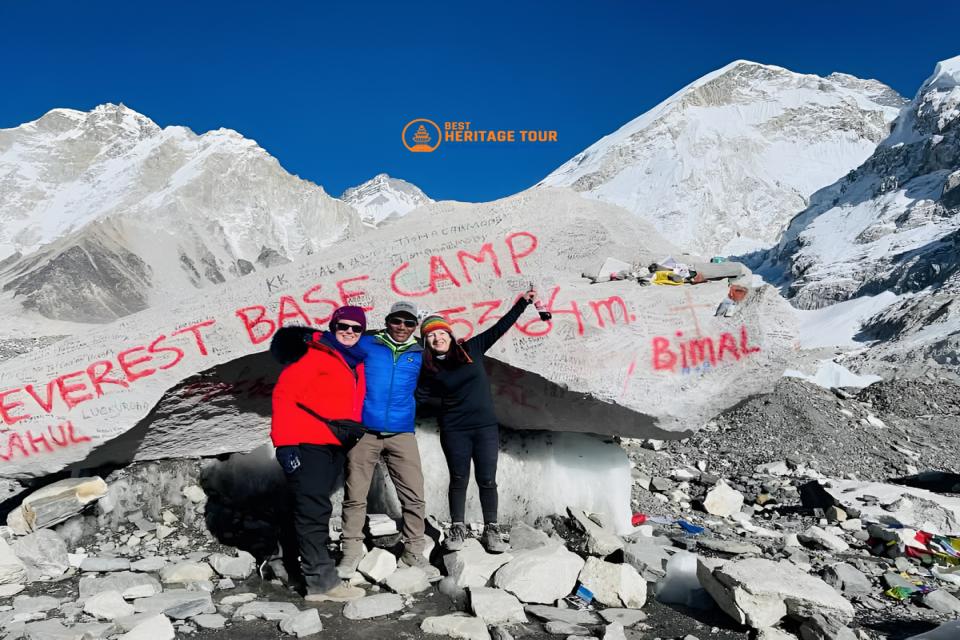
The Everest (Khumbu) Region
The most iconic trekking destination on earth. The teahouses here are among the best-developed in Nepal.
-
Highlights: Namche Bazaar (the Sherpa capital), Tengboche Monastery, and the view from Kala Patthar.
-
The Experience: High-altitude, culturally rich, and physically demanding.
The Annapurna Region
Known for its incredible diversity, from subtropical forests to the high-altitude desert of Mustang.
-
Annapurna Circuit: A classic "teahouse to teahouse" journey that crosses the 5,416m Thorong La Pass.
-
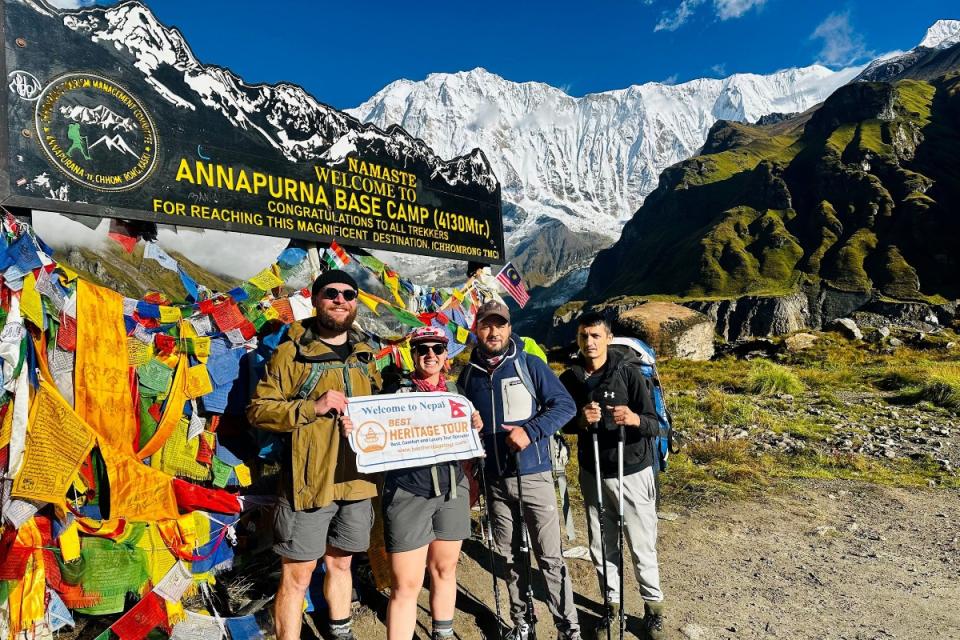
Annapurna Base Camp (ABC): A shorter, "in-and-out" trek that puts you in a natural amphitheater of 8,000m peaks.
The Langtang Valley
The "Valley of Glaciers" is the closest trekking region to Kathmandu. It offers a more intimate look at Tamang culture and was beautifully rebuilt after the 2015 earthquake.
-
Best For: Those with limited time or those looking for a slightly quieter trail.
Manaslu Circuit
The "new classic." It offers the remote feel of a camping trek but with the convenience of teahouses. It requires a special restricted area permit and a mandatory licensed guide.
Essential Packing List for 2026
When trekking from teahouse to teahouse, the goal is minimalism. Here is a quick checklist of the essentials:
|
Category |
Must-Have Items |
|---|---|
|
Clothing |
Moisture-wicking base layers, Fleece mid-layer, Down jacket (essential), Waterproof shell jacket. |
|
Footwear |
Broken-in hiking boots, Merino wool socks, Camp shoes (sandals or Crocs). |
|
Gear |
30-40L Daypack, -15°C Sleeping bag, Trekking poles, Headlamp with extra batteries. |
|
Health |
Water purification (tablets/UV), Sunscreen (SPF 50+), Personal first-aid kit, Diamox (for altitude). |
|
Documents |
Passport, Trekking Permits (TIMS/National Park), Cash (NPR) as there are no ATMs on the trail. |
Permits and Regulations (2026 Update)
Nepal’s trekking regulations have become stricter in recent years to ensure trekker safety and environmental protection.
-
TIMS Card: The Trekkers’ Information Management System card is required for most regions.
-
National Park/Conservation Area Permits: Fees range from NPR 3,000 (~$25) for most parks.
-
Local Fees: In the Everest region, a specific Khumbu Rural Municipality Permit has replaced the TIMS card.
-
Mandatory Guides: In many restricted and high-altitude areas, the Nepal government now requires trekkers to be accompanied by a licensed guide. At Best Heritage Tour, we handle all these logistics so you can focus on the climb.
The Best Time to Visit
-
Spring (March to May): The season of rhododendrons. The weather is stable, and the mountain views are crystal clear in the mornings.
-
Autumn (September to November): The peak season. Post-monsoon air provides the sharpest visibility, though the trails and teahouses are at their busiest.
-
Winter (December to February): Beautiful and quiet, but extremely cold. Only recommended for lower-altitude treks or experienced cold-weather hikers.
-
Monsoon (June to August): Generally avoided due to rain and leeches, except for "rain shadow" regions like Upper Mustang.
Why Trek with Best Heritage Tour?
Trekking in the Himalayas is a life-changing experience, but it requires careful planning and local expertise. Best Heritage Tour isn't just a travel company; we are your local partners in adventure.
When you book with us, you aren't just getting a guide - you’re getting a team that ensures:
-
Hand-picked Accommodations: We know which teahouses have the best views and the warmest blankets.
-
Safety First: Our guides are trained in high-altitude medicine and carry oximeters to monitor your health daily.
-
Authentic Experiences: We take you beyond the "tourist menu" to discover the true heart of Nepal.
-
Seamless Logistics: From airport transfers to permit filings, we handle the boring stuff so you can enjoy the magic.
Plan Your Himalayan Journey Today
The mountains are calling, and the teahouses are open. Whether you’re a solo traveler or a group of friends, let us help you navigate the trails of Nepal with confidence and care.
Contact Best Heritage Tour:
Phone / WhatsApp / Viber: +977-9851149197 / +977-9810043046
Email: info@bestheritagetour.com / bestheritagetour@gmail.com
Website: www.bestheritagetour.com
Office: Thamel Marg, Kathmandu, Nepal
Author: Best Heritage Tour
Date: 5th April, 2026