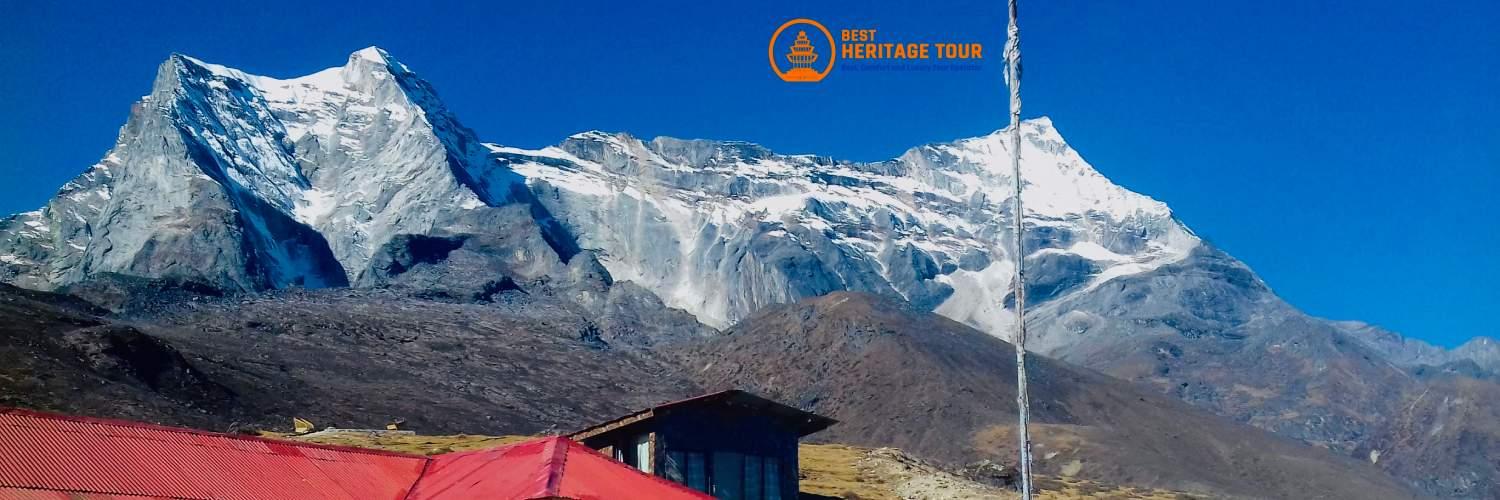
When trekkers think of Nepal, their often visualize the colorful prayer flags of Everest Base Camp or the bustling teahouses of the Annapurna Circuit. While these classic routes are iconic for a reason, the true soul of the Himalayas often lies where the crowds thin out and the asphalt ends.
At Best Heritage Tour, we have spent decades navigating the hidden corners of our home. We’ve seen how the "off-the-beaten-path" allure transforms a simple trek into a life-altering expedition. For the true adventure lover, the silence of a high-altitude desert in Dolpo or the raw power of the Kanchenjunga massif offers something a popular trail simply cannot: unfiltered connection.
In this comprehensive guide, we explore the best remote treks in Nepal for 2026, designed for those who seek solitude, cultural authenticity, and the thrill of the unknown.
Why Choose Remote Trekking in Nepal?
Before we dive into the specific trails, it’s important to understand what sets remote trekking apart. In regions like Everest or Annapurna, you are a guest in a well-oiled tourism machine. In remote regions, you are an explorer.
-
Untouched Culture: Regions like Upper Dolpo and Tsum Valley have preserved Tibetan Buddhist and Bon traditions for centuries, largely unaffected by Western influence.
-
Privacy and Solitude: On some of these trails, you may go days without seeing another trekking group. It is just you, your guide, and the mountains.
-
Unique Wildlife: Remote parks like Makalu-Barun and Shey Phoksundo are sanctuaries for the elusive Snow Leopard, Red Panda, and Himalayan Blue Sheep.
-
Sustainable Impact: By visiting restricted and remote areas, your trekking permits and local spending directly support communities that don't benefit from mainstream tourism.
1. Upper Dolpo Trek: The Last Forbidden Kingdom
If there is one place that defines "remote" in Nepal, it is Upper Dolpo. Located in the mid-western peaks bordering Tibet, this region was closed to foreigners until 1989 and remains one of the most restricted areas in the country.
The Experience
The landscape here is a stark, rain-shadow desert characterized by deep canyons and wind-sculpted cliffs. You will cross high passes like the Kang La (5,360m) and visit the legendary Shey Phoksundo Lake, a turquoise jewel that famously "doesn't have any life in it."
Highlights:
-
Shey Gompa: An 800-year-old monastery at the foot of the "Crystal Mountain."
-
Bon Culture: One of the last places on earth where the ancient pre-Buddhist Bon religion is still practiced.
-
Peter Matthiessen’s Trail: Walk the path made famous by the book The Snow Leopard.
-
Duration: 22-26 Days
-
Difficulty: Strenuous (Requires camping and high-altitude endurance)
-
Best Time: April to November (Safe during monsoon as it’s in the rain shadow)
2. Kanchenjunga Base Camp: The Great Eastern Wilderness
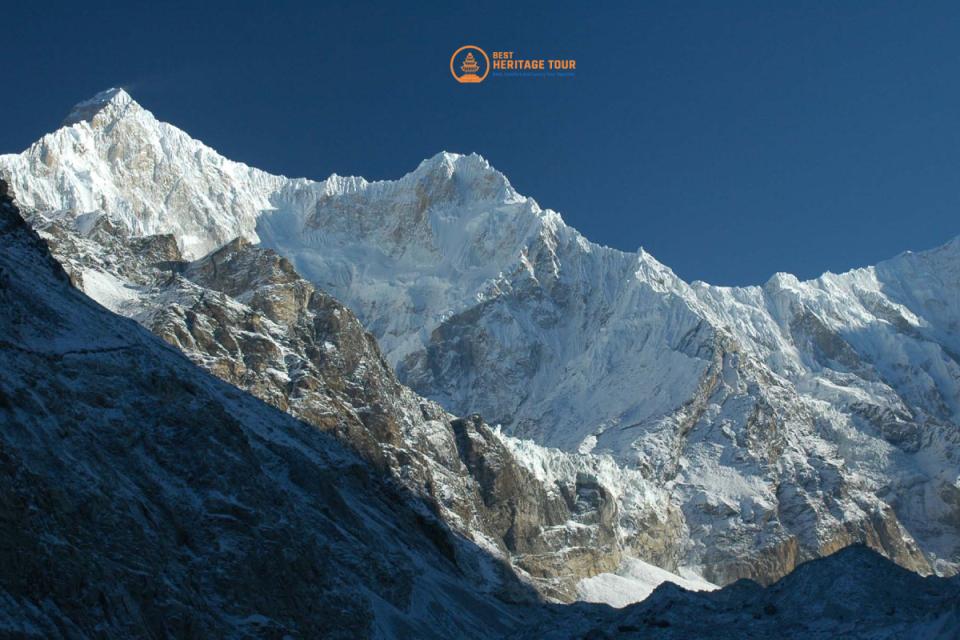
Mount Kanchenjunga (8,586m) is the third-highest peak in the world, straddling the border between Nepal and Sikkim. Because of its location in the far east, the Kanchenjunga Circuit remains remarkably quiet compared to its cousins in the west.
The Experience
This trek is a test of stamina. You will traverse both the North and South Base Camps, moving through lush rhododendron forests before emerging into a high-alpine world of massive glaciers and jagged granite. The cultural transition from the Rai and Limbu peoples in the lowlands to the Tibetan-influenced communities higher up is fascinating.
Highlights:
-
Pangpema (North Base Camp): Unrivaled views of the massive Kanchenjunga north face.
-
Biodiversity: The region is home to over 2,000 species of flowering plants.
-
Off-Grid Living: Very few teahouses exist here; many sections still require a fully supported camping crew.
-
Duration: 20-25 Days
-
Difficulty: Extreme
-
Best Time: March to May and October to November
3. Makalu Base Camp Trek: Raw and Rugged
For those who find the Everest region too "commercial," the Makalu Base Camp Trek is the perfect antidote. It shares the same high-altitude drama but with a fraction of the foot traffic.
The Experience
The trail begins in the humid lowlands of the Arun Valley - the deepest valley in the world - and ascends through the Makalu-Barun National Park. This trek is famous for its steep ascents and descents. Reaching the base camp of the world's fifth-highest mountain, Mt. Makalu (8,485m), puts you in a natural amphitheater of ice and rock that few human eyes ever see.
Highlights:
-
Barun Valley: A hanging valley known for its spectacular waterfalls and towering cliffs.
-
Baruntse and Lhotse Views: Perspectives of the Everest massif that are unavailable from the Khumbu side.
-
Solitude: This is widely considered the "quietest" of the 8,000m base camp treks.
-
Duration: 18-21 Days
-
Difficulty: Strenuous
-
Best Time: April to May and October to November
4. Manaslu Circuit: The New Classic
While gaining popularity, the Manaslu Circuit still qualifies as a "remote" experience compared to Annapurna. It offers a perfect balance of high-altitude challenge and cultural immersion without the overcrowding of the more famous circuits.
The Experience
The trek circles Mt. Manaslu (8,163m), the eighth-highest peak. Since it requires a restricted area permit and a mandatory guide, the numbers are strictly controlled. The climax of the trek is crossing the Larkya La Pass (5,106m), which offers a mind-blowing panorama of Cheo Himal, Himlung Himal, and the Annapurna massif.
Highlights:
-
Tsum Valley Extension: If you have an extra week, the Tsum Valley adds a spiritual layer of "Hidden Valleys" and ancient nunneries.
-
Tibetan Border Proximity: Experience the unique lifestyle of the "Nubri" people.
-
Larkya La: One of the most rewarding high-altitude passes in the Himalayas.
-
Duration: 14-18 Days
-
Difficulty: Moderate to Strenuous
-
Best Time: March to May and September to November
5. Upper Mustang: The Forbidden Kingdom of Lo
Trekking in Upper Mustang is less about climbing mountains and more about traveling through time. This high-altitude desert was a sovereign kingdom until 2008, and its capital, Lo Manthang, remains a walled medieval city.
The Experience
The landscape is surreal - red sandstone cliffs dotted with thousands of "sky caves" (ancient burial and meditation chambers). Because Mustang lies in the rain shadow of the Annapurna and Dhaulagiri ranges, it is the best place for trekking during the summer monsoon months.
Highlights:
-
Lo Manthang: The historic capital where the former King’s palace still stands.
-
Tiji Festival: A vibrant three-day ritual held in May to chase away demons.
-
Arid Beauty: A landscape that looks more like Tibet or the American Southwest than the green hills of Nepal.
-
Duration: 12-14 Days
-
Difficulty: Moderate
-
Best Time: May to October (Monsoon-safe)
6. Nar Phu Valley: Hidden Behind Annapurna
Tucked away between the Annapurna and Manaslu ranges, the Nar Phu Valley was opened to tourists only in 2003. It is a rugged, high-altitude world of medieval stone villages and ancient monasteries.
The Experience
To reach Nar and Phu, you leave the main Annapurna Circuit at Koto. The trail narrows into deep canyons before opening into wide, wind-swept valleys. The people here are primarily of Tibetan origin, and their way of life has remained unchanged for centuries. The trek usually concludes by crossing the Kang La Pass (5,320m) and rejoining the Annapurna trail.
Highlights:
-
Phu Village: A fortress-like village perched on a hill, overlooking the valley.
-
Kang La Pass: Offers perhaps the best view of the entire Annapurna range.
-
Tashi Lhakhang Monastery: One of the most significant monasteries in the region.
-
Duration: 9-12 Days (as an add-on or standalone)
-
Difficulty: Strenuous
-
Best Time: April to November
7. Rara Lake Trek: The Blue Gem of the West
If your idea of adventure involves alpine serenity and pristine forests, the Rara Lake Trek in Mugu district is the ultimate destination.
The Experience
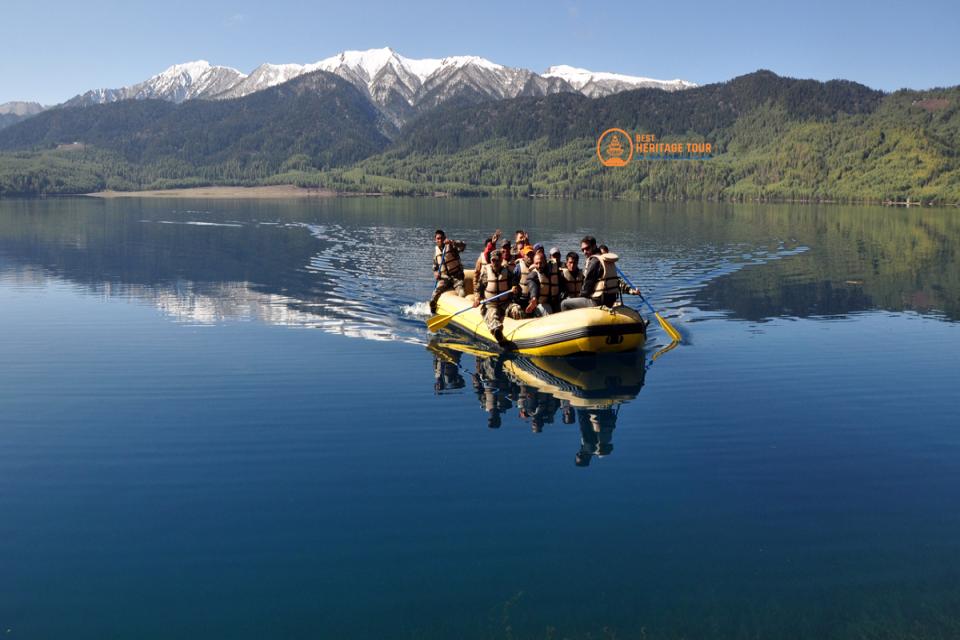
Rara is the largest lake in Nepal, sitting at 2,990m. The trek takes you through the smallest national park in the country, through forests of blue pine, spruce, and cedar. Unlike the high-pass treks, this is more about the journey through the remote "Khas" culture of Western Nepal.
Highlights:
-
Boating on Rara: Crystal clear waters that reflect the surrounding snow-capped peaks.
-
Murma Top: A viewpoint offering a 360-degree look at the lake and the distant Kanjirowa Himal.
-
Untouched Nature: The area is a haven for birdwatchers and those seeking total peace.
-
Duration: 10-14 Days
-
Difficulty: Moderate
-
Best Time: March to May and September to November
8. Dhaulagiri Circuit: For the Hardcore Adventurer
The Dhaulagiri Circuit is widely regarded as one of the most challenging treks in Nepal. It is not for the faint of heart or the inexperienced.
The Experience
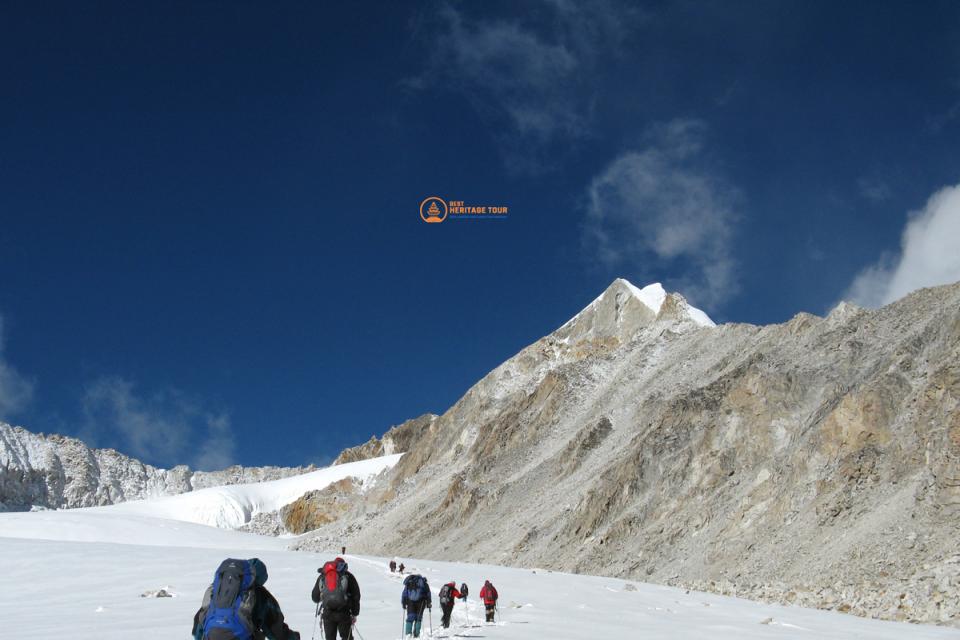
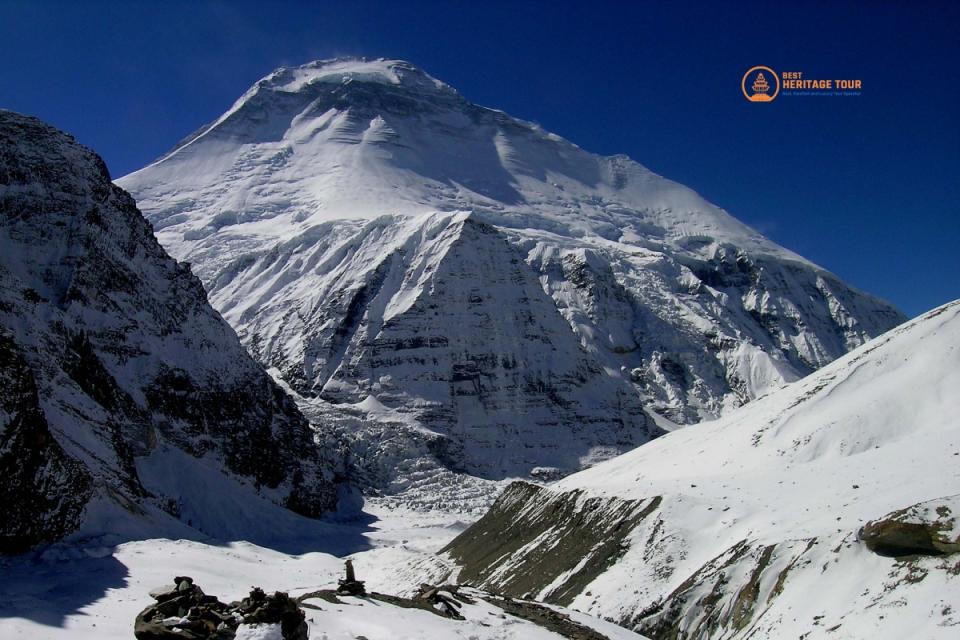
This trek involves spending several days walking on glaciers and crossing the French Pass (5,360m) and Dhampus Pass (5,240m). You will be camping on the glacier at Dhaulagiri Base Camp, surrounded by the "White Mountain" (Dhaulagiri I, 8,167m). The sense of isolation here is absolute.
Highlights:
-
Hidden Valley: A high-altitude, desolate valley that feels like another planet.
-
Glacier Camping: A true expedition-style experience.
-
Proximity to 8,000ers: Get closer to the Dhaulagiri massif than on any other route.
-
Duration: 18-21 Days
-
Difficulty: Extreme (Requires crampons and high-altitude experience)
-
Best Time: April to May and October to November
9. Limi Valley Trek: The Far West Frontier
Located in the Humla district, the Limi Valley is as close as you can get to Tibet without crossing the border. This is the "wild west" of Nepal.
The Experience
This trek follows the ancient salt trading routes. You will see yak caravans, visit centuries-old monasteries like Halji, and bathe in natural hot springs. Accessing the region usually requires a flight to Simikot, one of the most remote airstrips in the world.
Highlights:
-
Cultural Preservation: The Limi people have a unique dialect and social structure.
-
Wildlife: High chances of spotting Himalayan wolves and Blue Sheep.
-
Limi River: A beautiful valley landscape that transitions from green meadows to arid trans-Himalayan terrain.
-
Duration: 18-22 Days
-
Difficulty: Strenuous
-
Best Time: May to October
10. Rolwaling Valley Trek: The Home of the Yeti
Situated between the Everest and Langtang regions, the Rolwaling Valley is a deep, glaciated trench steeped in legend and mountaineering history.
The Experience
The valley is famous for being the alleged home of the Yeti. For trekkers, it offers the challenge of the Tashi Lapcha Pass (5,755m), which connects Rolwaling to the Khumbu (Everest) region. It is a technical trek that requires basic climbing gear and a very high level of fitness.
Highlights:
-
Tsho Rolpa Lake: One of the largest glacial lakes in Nepal.
-
Beding Village: The largest settlement in the valley, known for its expert Sherpa climbers.
-
Tashi Lapcha: A high-adrenaline pass that tests your mountain skills.
-
Duration: 15-18 Days
-
Difficulty: Extreme
-
Best Time: April to May and October to November
Essential Planning Tips for Remote Treks
Trekking in these regions requires more preparation than a standard trip to Everest. Here is what we at Best Heritage Tour recommend:
1. Permits and Regulations
Most remote areas are "Restricted Areas." You cannot trek here solo. You must have:
-
A registered trekking guide from a licensed agency.
-
A minimum of two trekkers in your group (for most restricted permits).
-
Specific Restricted Area Permits (RAP) in addition to National Park permits.
2. Physical Preparation
These trails are often rugged, less maintained, and involve significant altitude gain. Start a cardio and strength training regimen at least 3 months before your departure.
3. Gear and Logistics
Teahouses in remote regions are basic. In some places (like Dhaulagiri or Upper Dolpo), camping is mandatory. Ensure your agency provides high-quality tents, insulated mats, and a professional kitchen crew.
4. Travel Insurance
Ensure your insurance covers emergency helicopter evacuation at altitudes up to 6,000m. In remote Nepal, there are no roads; if you get sick, the only way out is by air.
Conclusion
The Himalayas are calling, but they speak most clearly in the places where the crowds don't go. Whether you want to witness the ancient traditions of Upper Mustang or test your limits on the glaciers of Dhaulagiri, Nepal’s remote trails offer a sense of discovery that is increasingly rare in our modern world.
At Best Heritage Tour, we don't just organize trips; we craft experiences. As locals who know every ridge and river of these mountains, we ensure your safety while providing an authentic window into the Himalayan way of life.
Ready to step off the beaten path?
Phone / WhatsApp / Viber: +977-9851149197 / +977-9810043046
Email: info@bestheritagetour.com / bestheritagetour@gmail.com
Website: www.bestheritagetour.com
Office: Thamel Marg, Kathmandu, Nepal
Author: Best Heritage Tour
Date: 6th April, 2026