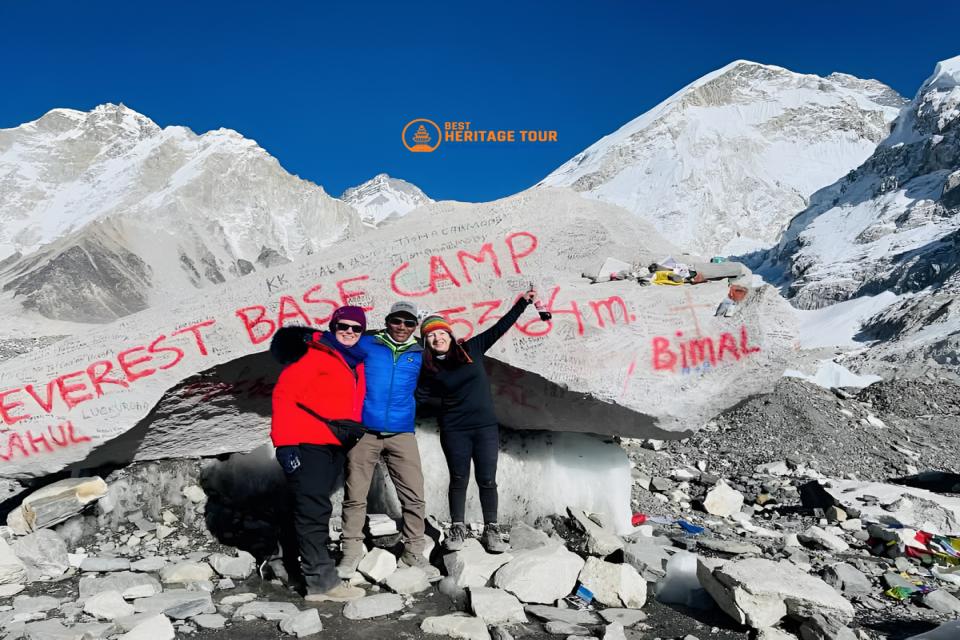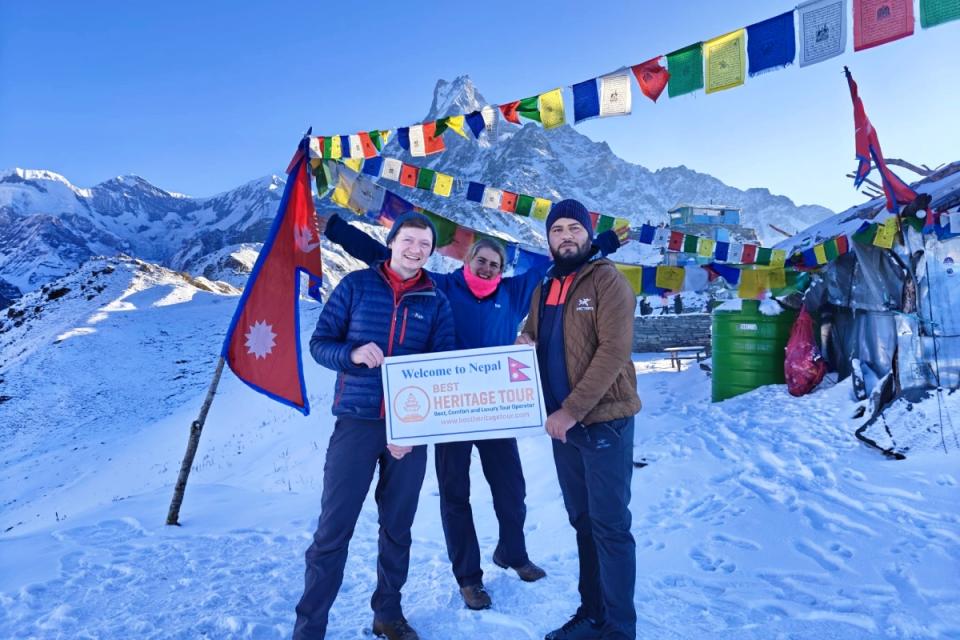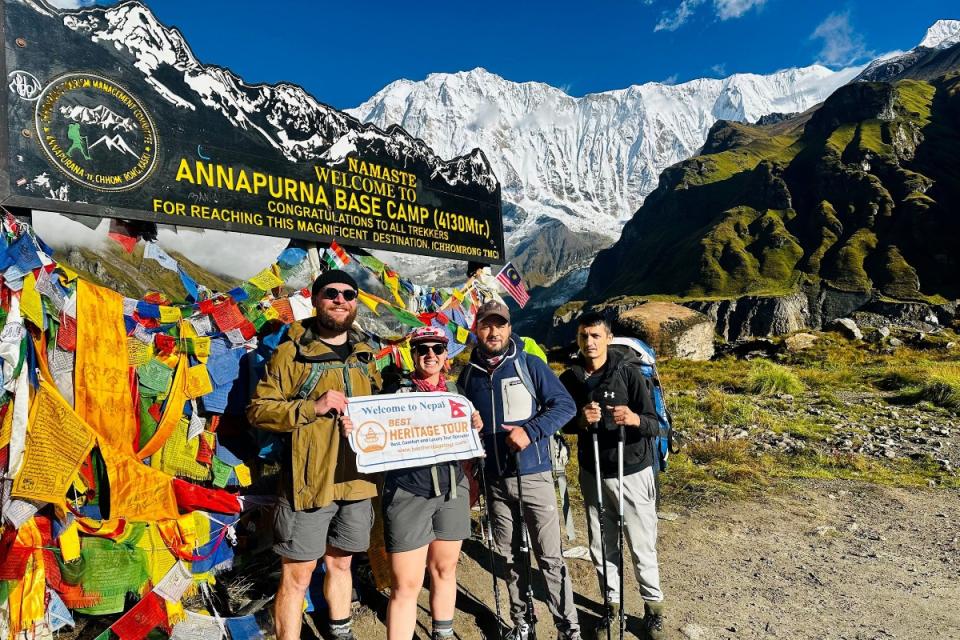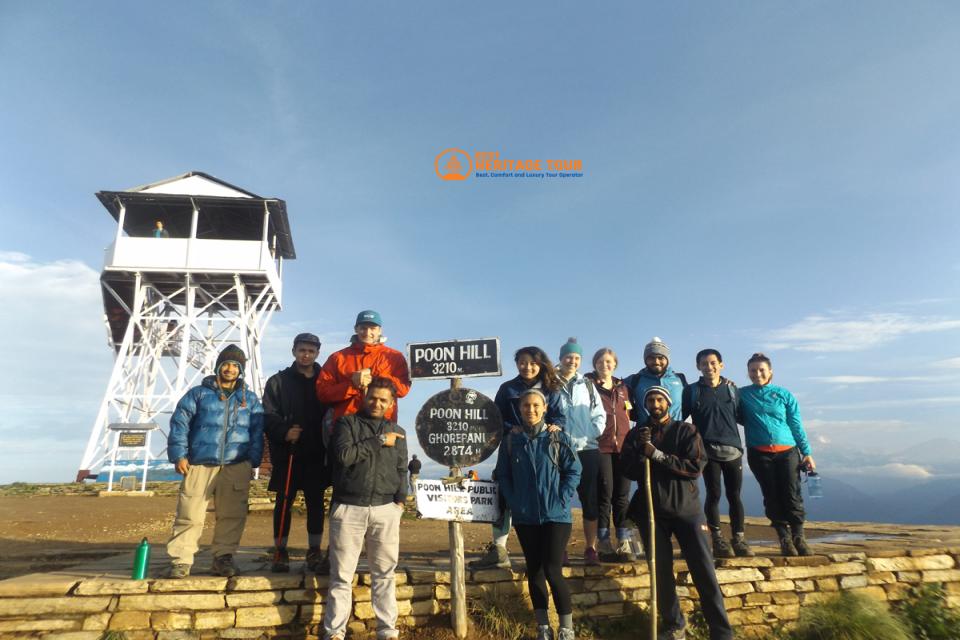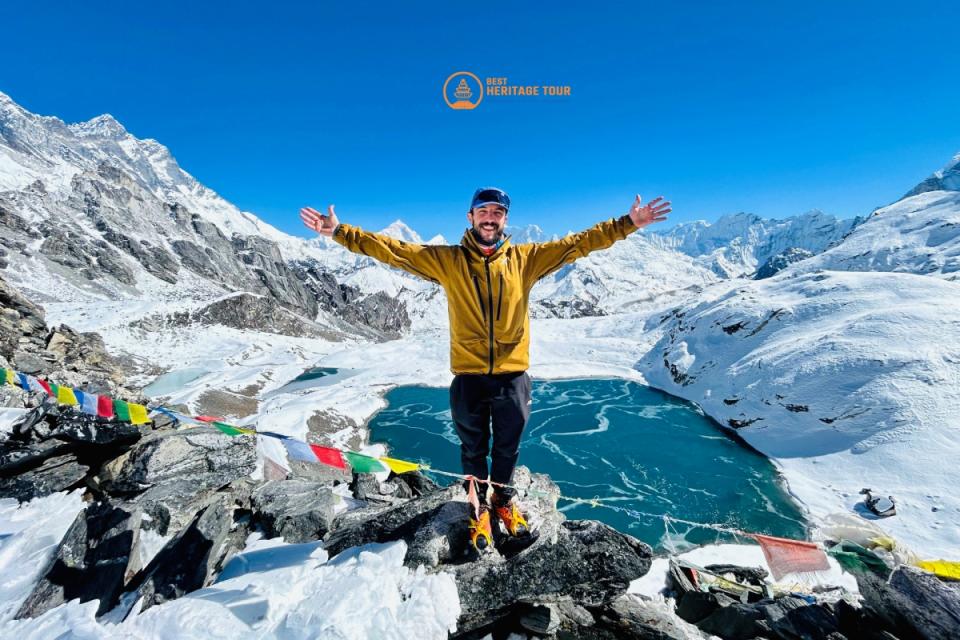
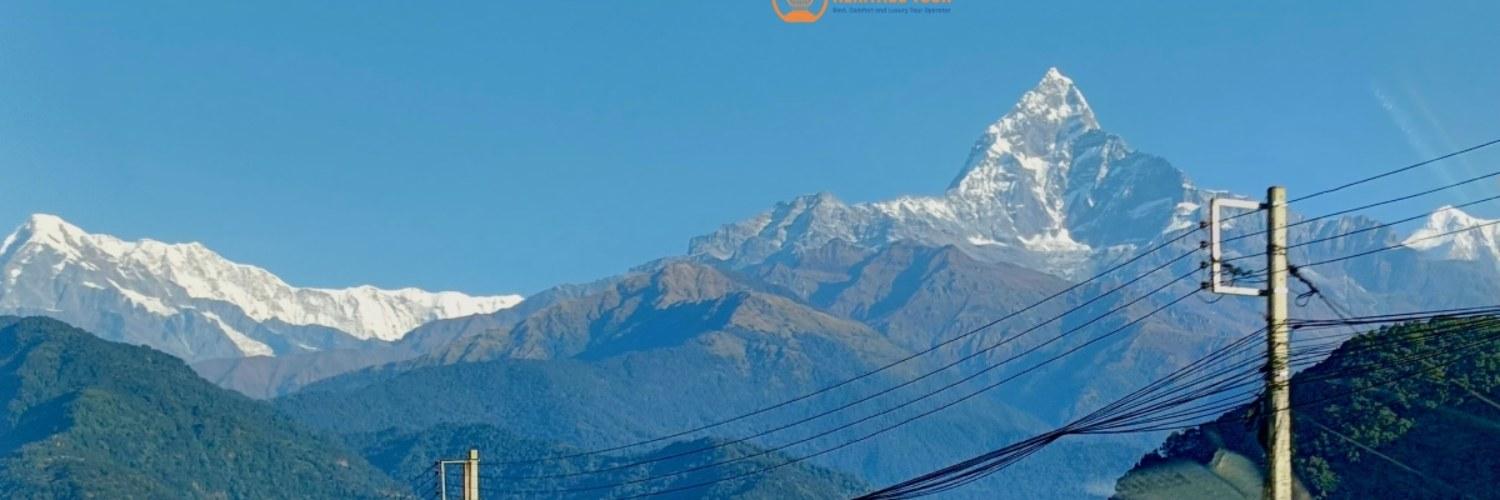
The Himalayas aren’t just a mountain range; they are a spiritual calling, a physical challenge, and a bucket-list dream for travelers across the globe. Whether you are eyeing the legendary Everest Base Camp, the culturally rich Annapurna Circuit, or the rugged trails of Manaslu, one thing remains true: the success of your journey is decided long before you land at Tribhuvan International Airport.
At Best Heritage Tour, we’ve guided thousands of trekkers through the winding stone steps and high-altitude passes of Nepal. We’ve seen firsthand that the difference between a grueling struggle and a life-changing adventure lies in preparation.
This comprehensive guide is your roadmap to getting "Himalayan-ready." From physical conditioning and mental grit to the nitty-gritty of gear and permits, here is everything you need to know about pre-trek preparation for Nepal.
Physical Conditioning: Building Your "Himalayan Engine"
You don’t need to be an Olympic athlete to trek in Nepal, but you do need functional strength and cardiovascular endurance. The trails here are rarely flat; they consist of "Nepali flat" - which locals jokingly describe as "a little bit up and a little bit down" (but usually mostly up).
Cardiovascular Endurance
Your goal is to train your heart and lungs to perform with less oxygen. Start your training at least 8 to 12 weeks before your departure.
-
The Routine: Engage in 45-60 minutes of cardio 4 times a week. Swimming, cycling, and rowing are excellent, but brisk walking on an incline is the gold standard.
-
The Stairmaster Secret: If you live in a flat city, the Stairmaster or a local stadium’s bleachers will be your best friend. It mimics the relentless stone stairs of the Khumbu and Annapurna regions.
Strength & Stability
Trekking involves carrying a daypack for 5-7 hours a day. You need a strong core and "bulletproof" knees.
-
Legs: Focus on squats, lunges, and step-ups. These build the quadriceps and glutes needed for steep climbs and the eccentric strength required for long descents.
-
Core: A stable core prevents back pain when carrying your gear. Incorporate planks and Russian twists.
-
The Load Test: In the final month of training, start hiking with the actual backpack and boots you plan to use. Gradually increase the weight in your pack until it matches your expected trekking weight (usually 5-8 kg for a daypack).
The Mental Game: Preparing for the "Unpredictable"
Trekking in Nepal is as much a mental challenge as it is a physical one. You will be away from the comforts of home - sometimes without hot showers, high-speed Wi-Fi, or familiar food.
Managing Expectations
The Himalayas are raw and wild. Flights to Lukla might be delayed due to weather, or a trail might be blocked by a yak caravan.
-
Patience is a Virtue: Embrace the "Himalayan Pace." Things happen when they happen.
-
Digital Detox: Prepare to disconnect. While many teahouses now offer Wi-Fi for a fee, it can be spotty. Use this time to reconnect with nature and yourself.
Mental Resilience
There will be days when your legs ache and the air feels thin. Developing a "one step at a time" mindset is crucial. Visualize the summit or the base camp, but focus only on the next few meters in front of you.
Mastering the Art of Packing: The Layering System
In Nepal, you can experience four seasons in a single day. You might start in a humid subtropical forest and end the day in a freezing alpine zone. The key to staying comfortable is layering.
The Three-Layer Principle
-
Base Layer (The Moisture Manager): Use synthetic or Merino wool fabrics. Avoid cotton at all costs; it soaks up sweat, stays cold, and can lead to hypothermia.
-
Mid Layer (The Insulator): A high-quality fleece or a lightweight "puffy" synthetic jacket to trap body heat.
-
Outer Layer (The Shield): A waterproof and windproof Gore-Tex shell. The wind on high passes like Thorong La can be biting; your shell is your primary defense.
Essential Gear Highlights
-
Footwear: Your boots are your most important investment. They should be waterproof, provide ankle support, and - most importantly - broken in. Do not show up in Kathmandu with brand-new boots, or blisters will end your trek before it begins.
-
Sleeping Bag: Even in teahouses, nights are freezing. We recommend a bag rated to at least -10°C (14°F) or -15°C for high-altitude treks.
-
Trekking Poles: Your knees will thank you. They reduce the impact on your joints by up to 25% during descents.
Understanding Altitude and Health
Altitude Sickness (Acute Mountain Sickness or AMS) is the most significant hurdle for trekkers. It does not care about your fitness level; it only cares about how fast you ascend.
The Golden Rules of Acclimatization
-
Walk Slowly: This isn't a race. The slower you go, the better your body adjusts.
-
Hydrate, Hydrate, Hydrate: Drink 3-4 liters of water daily. Dehydration mimics AMS symptoms and makes acclimatization harder.
-
Climb High, Sleep Low: Many of our Best Heritage Tour itineraries include "acclimatization days" where we hike to a higher point and return to a lower elevation to sleep. This "teaches" your body to handle thinner air.
The Trekker's Pharmacy
Consult your doctor about carrying Diamox (Acetazolamide), which can help speed up acclimatization. Other essentials include:
-
Broad-spectrum antibiotics.
-
Rehydration salts (ORS).
-
Blister kits (Compeed is a lifesaver).
-
Water purification tablets or a Filter Bottle (like Lifestraw) to avoid plastic waste.
Logistics: Permits, Insurance, and Visas
Before you can set foot on the trail, there is a bit of "paperwork prep" to handle.
Trekking Permits
Most treks require at least two permits:
-
TIMS Card (Trekkers' Information Management System): This helps the government track trekkers for safety.
-
Conservation Area or National Park Permits: Such as the ACAP (Annapurna) or the Sagarmatha National Park permit.
-
Restricted Area Permits: If you are heading to Manaslu, Upper Mustang, or Dolpo, you will need special permits that can only be processed through a registered agency like ours.
Travel Insurance: The Non-Negotiable
Standard travel insurance often excludes "extreme sports" or altitudes above 3,000 meters.
Crucial Tip: Ensure your policy specifically covers Emergency Helicopter Evacuation up to 6,000 meters. If you get seriously ill at high altitude, a helicopter is often the only way out, and costs can exceed $5,000 USD.
Cultural Etiquette: Being a Responsible Trekker
Nepal is as much about the people as it is about the peaks. The trails pass through sacred land and ancient villages.
-
Namaste: A simple greeting goes a long way.
-
The Left Side: When passing mani walls (prayer-engraved stones) or chortens, always pass them on the clockwise (left) side.
-
Respect the Wildlife: Give way to yaks and mules. Always stay on the "inside" (mountain side) of the trail when a caravan passes so you don't get accidentally bumped off the edge.
-
Leave No Trace: The Himalayas are a fragile ecosystem. Carry out what you carry in and avoid single-use plastics whenever possible.
Budgeting for the Trail
While your trekking package with Best Heritage Tour covers most essentials, you should budget for "on-trail extras." As you go higher, the price of goods increases because everything is carried up by porters or yaks.
|
Item |
Estimated Cost (NPR/USD) |
|---|---|
|
Hot Shower |
300 - 600 NPR |
|
Charging Electronics |
200 - 500 NPR |
|
Wi-Fi Access |
300 - 700 NPR |
|
Bottle of Beer |
500 - 1,000 NPR |
|
Snickers Bar |
200 - 400 NPR |
Note: Having small denominations of Nepali Rupees is essential as teahouses rarely have change for large bills.
Conclusion
Preparing for a trek in Nepal is a journey in itself. It’s a commitment to your health, a test of your organization, and a transformation of your mindset. When you finally stand at the base of the world's highest peaks, breathless not just from the altitude but from the sheer beauty of the landscape, you will realize that every squat, every practice hike, and every piece of gear you researched was worth it.
At Best Heritage Tour, we don't just provide guides; we provide companions who ensure your safety and share the deep history and culture of our homeland. We handle the logistics so you can focus on the mountains.
Are you ready to take the first step toward the clouds?
Ready to plan your dream trek?
Phone / WhatsApp / Viber: +977-9851149197 / +977-9810043046
Email: info@bestheritagetour.com / bestheritagetour@gmail.com
Website: www.bestheritagetour.com
Office: Thamel Marg, Kathmandu, Nepal
Author: Best Heritage Tour
Date: 6th February, 2026