Choosing between the Poon Hill Trek and the Mardi Himal Trek is a classic dilemma for travelers visiting the Annapurna region. Both offer world-class views of the Himalayas, start from the vibrant city of Pokhara, and can be completed in under a week.
However, in 2026, the trekking landscape in Nepal has evolved. With new mandatory guide regulations and upgraded trail infrastructure, the "right" choice depends entirely on your fitness, your craving for solitude, and how much you love (or hate) stone stairs.
As the team at Best Heritage Tour, we’ve guided thousands of trekkers through these ridges. Here is our definitive, deep-dive comparison to help you decide which trail should host your boots this year.
At a Glance: The Quick Stats
|
Feature |
Ghorepani Poon Hill Trek |
Mardi Himal Base Camp Trek |
|---|---|---|
|
Duration |
3-5 Days |
5-7 Days |
|
Maximum Altitude |
3,210m (Poon Hill) |
4,500m (Base Camp) |
|
Difficulty |
Easy to Moderate |
Moderate to Challenging |
|
Scenery |
Panoramic vistas, villages |
Close-up peaks, ridgelines |
|
Crowd Level |
High (Popular & Social) |
Low to Medium (Quiet & Serene) |
|
Accommodation |
Standard to Luxury Teahouses |
Cozy, Rustic Teahouses |
|
Best For |
Families, Beginners, Photographers |
Solo Seekers, Fit Hikers, Nature Lovers |
The Experience: Cultural Immersion vs. Alpine Solitude
Poon Hill: The Cultural Heartbeat
The Poon Hill trek is more than just a hike; it is a journey through the "Heritage" part of our name. You’ll walk through the historic villages of Ulleri, Ghorepani, and Ghandruk. These are bustling hubs of Magar and Gurung culture.
In 2026, these villages have perfected the art of mountain hospitality. You’ll find teahouses with heated dining halls, extensive menus (from Dal Bhat to Apple Pie), and even reliable Wi-Fi to share your sunset photos instantly. If you enjoy meeting fellow travelers from around the globe over a cup of ginger lemon honey tea, Poon Hill is your social sanctuary.
Mardi Himal: The Ridgeline Adventure
Mardi Himal is the "quiet cousin" of the Annapurna circuit. It was only opened to trekkers in 2012, and even today, it retains a wilder, more rugged feel. Instead of stone-paved village paths, you’ll find yourself walking on narrow dirt trails along a spectacular ridgeline.
The cultural interaction here is more intimate but less frequent. The "camps" (Forest Camp, Low Camp, High Camp) are mostly clusters of lodges built specifically for trekkers rather than ancient ancestral villages. It’s the perfect choice for those who want to hear the sound of the wind through the rhododendrons rather than the chatter of a large crowd.
Scenery & Views: Panoramas vs. Proximity
The Poon Hill Sunrise
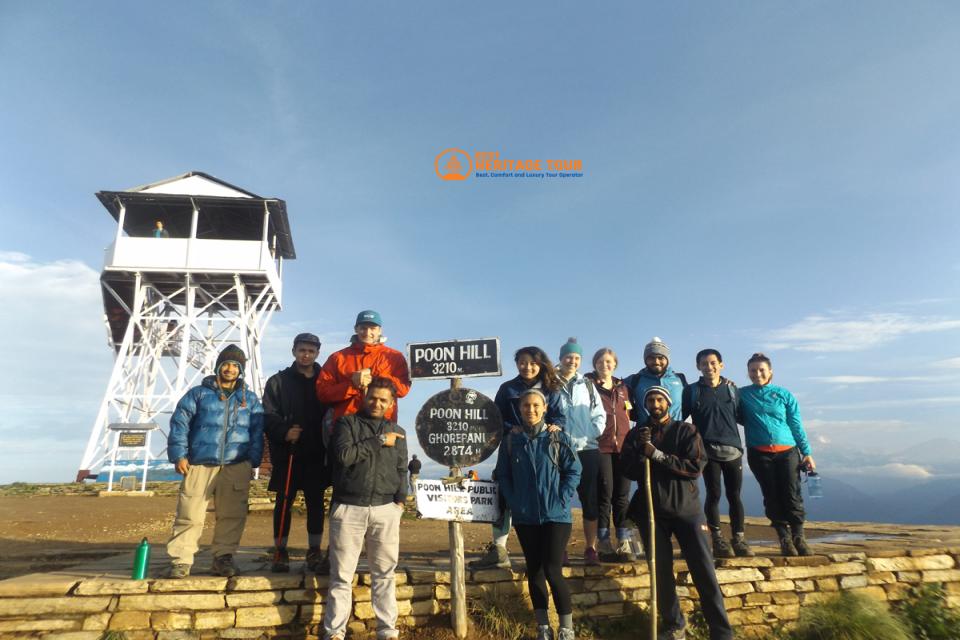
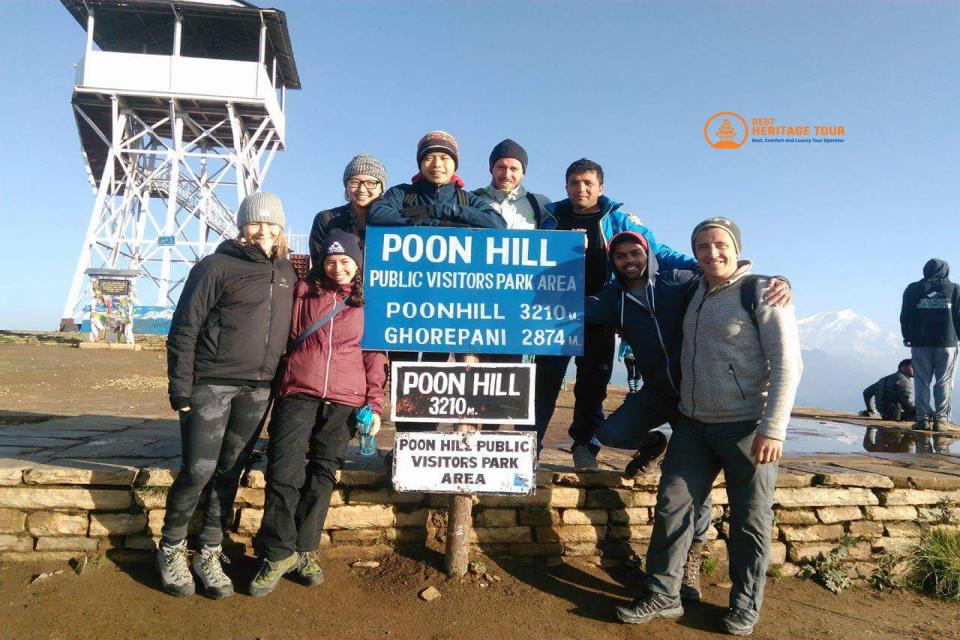
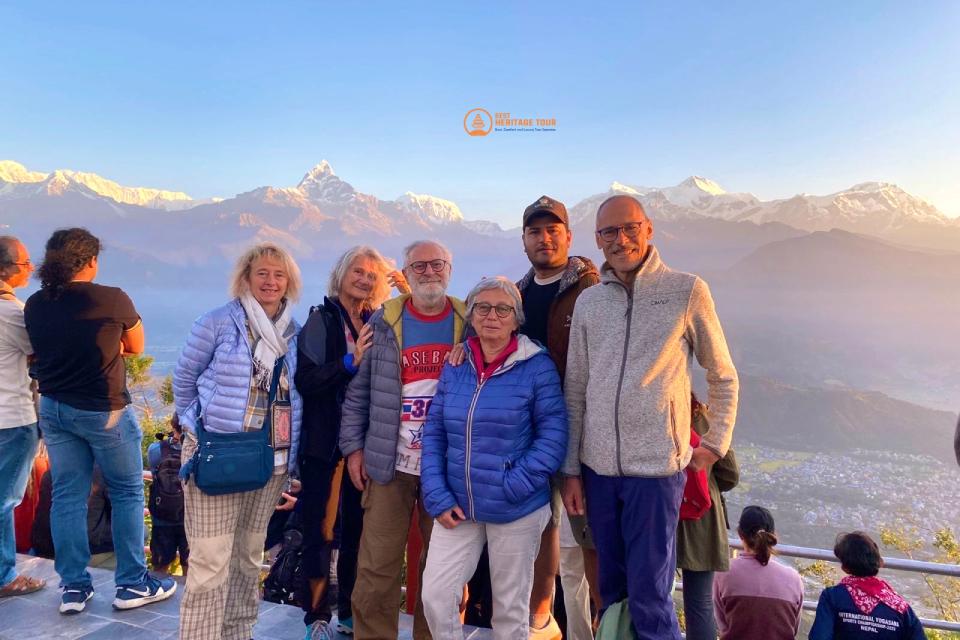
The "Grand Prize" of the Poon Hill trek is the 360-degree panorama from the summit. Standing at 3,210 meters, you watch the sun ignite the Dhaulagiri (8,167m) and Annapurna (8,091m) massifs.
-
Unique Selling Point: You see two 8,000-meter peaks at the same time.
-
The Vibe: It’s a classic, "desktop wallpaper" view that never gets old.
The Mardi Himal Face-Off
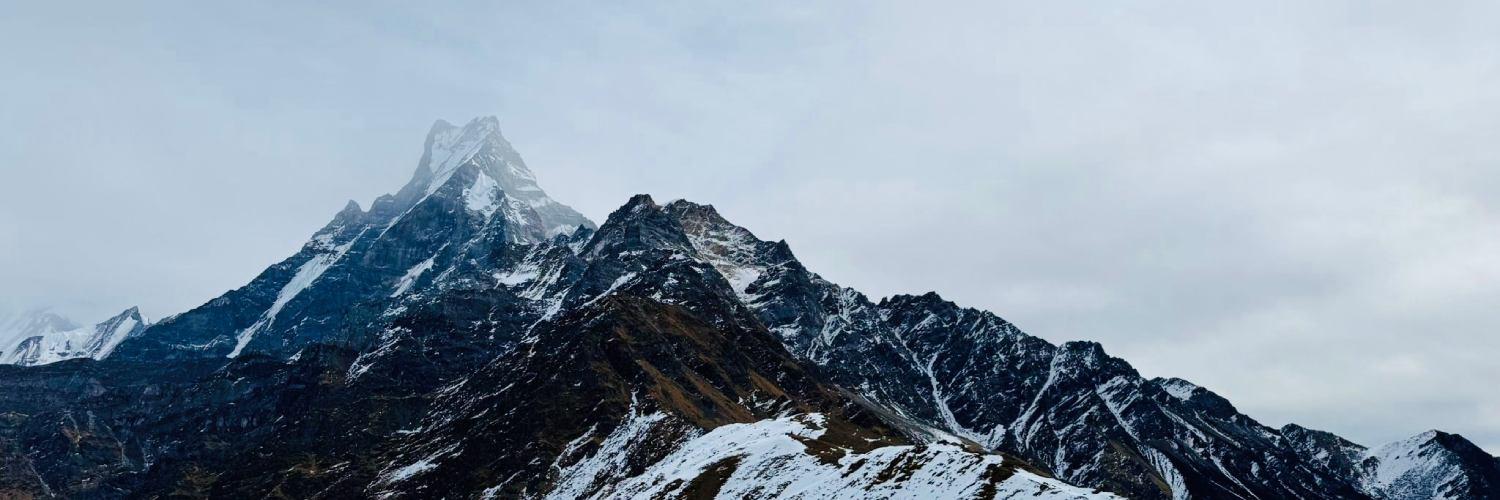
Mardi Himal offers a different perspective. Because the trail follows a ridge leading toward the base of Machhapuchhre (Fishtail), the mountain feels like it’s right in your face.
-
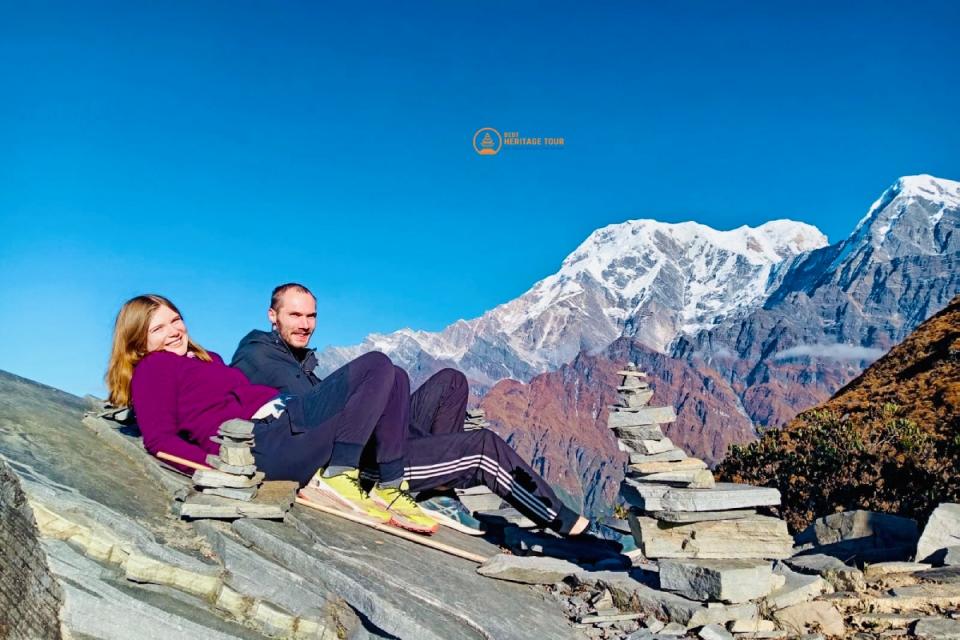
Unique Selling Point: At Mardi Himal Base Camp (4,500m), you are standing directly beneath the towering south face of Annapurna South and the iconic "Fishtail."
-
The Vibe: It’s dramatic, vertical, and feels much "higher" than Poon Hill because you are physically closer to the ice and rock.
Difficulty & Terrain: The "Stairmaster" vs. The Ridge
Poon Hill’s Famous Stairs
Let’s be honest: Poon Hill is famous for the 3,300+ stone steps leading up to Ulleri. It’s a great workout for the glutes! While the trail is technically easy and well-maintained, the constant ascent can be tiring for those not used to stairs. However, the altitude is low enough that Acute Mountain Sickness (AMS) is rarely an issue.
Mardi Himal’s Steep Ascent
Mardi Himal is physically more demanding. You gain altitude quickly - sometimes over 1,000 meters in a single day. The trail from High Camp to Base Camp is narrow, often windy, and can be slippery if there’s a light dusting of snow.
Professional Tip: Since you reach 4,500m, we at Best Heritage Tour always recommend a slower pace and extra hydration to ensure your body adjusts to the thinner air.
Trekking in 2026: What’s New?
The Mandatory Guide Rule
As of 2026, Nepal’s safety regulations remain firm: solo trekking is no longer permitted in most national parks, including the Annapurna Conservation Area. Whether you choose Poon Hill or Mardi Himal, you must be accompanied by a licensed guide.
-
Why this is good for you: This has significantly reduced the number of lost trekkers and ensured that local communities benefit directly from tourism. Our guides at Best Heritage Tour don't just carry a map; they are storytellers who bridge the gap between you and the local culture.
Road Connectivity
Roads have extended further into the mountains. For Poon Hill, you can now take a jeep further toward Ulleri or Banthanti, turning a 5-day trek into a 2-day "express" hike if you’re short on time. Mardi Himal remains more protected from roads, preserving that "remote" feeling for longer.
Seasonality: When Should You Go?
-
Spring (March-May): Both treks are stunning. The rhododendron forests (Nepal's national flower) turn the hillsides into a sea of red, pink, and white. Poon Hill is particularly famous for its massive rhododendron groves.
-
Autumn (September-November): The peak season. Crystal clear skies and crisp mountain air. This is the best time for photography on either route.
-
Winter (December-February): Poon Hill is perfectly doable and often very peaceful. Mardi Himal can be tricky, as snow can sometimes block the path to the Base Camp.
-
Monsoon (June-August): We generally advise against Mardi Himal in the monsoon due to leeches and slippery ridges. Poon Hill is more manageable, though views are often hidden by clouds.
Cost Comparison: Budgeting Your Adventure
In 2026, the cost of trekking has stabilized.
-
Poon Hill is generally more affordable because the lodges are more competitive and the trek is shorter. Expect to spend roughly $25-$35 per day on food and accommodation (excluding guide and permit fees).
-
Mardi Himal is slightly more expensive, specifically at High Camp and Base Camp, where supplies must be carried up by porters or mules. Expect $35-$45 per day.
The Verdict: Which One Should You Choose?
Choose Poon Hill if:
-
This is your first-ever trek in the Himalayas.
-
You are traveling with family or children.
-
You want to see traditional village life and local museums.
-
You have a tight schedule (3 days is enough!).
-
You want the highest "comfort level" available in the mountains.
Choose Mardi Himal if:
-
You have trekked before and want a new challenge.
-
You prefer peace, quiet, and fewer crowds.
-
You are a serious photographer looking for unique mountain angles.
-
You want to reach a higher altitude (4,500m).
-
You love walking through dense, pristine forests.
Final Thoughts
Still can't decide? Why not do both?
We often organize a Combined Annapurna Panorama Trek that takes you to the sunrise at Poon Hill first, then cuts across the valley to join the Mardi Himal ridge. It’s the ultimate 10-day Himalayan experience.
Whichever path you choose, the mountains are waiting. 2026 is a beautiful year to rediscover the Himalayas - not just as a tourist, but as a guest of the heritage that makes these peaks so special.
Ready to lace up your boots?
Phone / WhatsApp / Viber: +977-9851149197 / +977-9810043046
Email: info@bestheritagetour.com / bestheritagetour@gmail.com
Website: www.bestheritagetour.com
Office: Thamel Marg, Kathmandu, Nepal
Author: Best Heritage Tour
Date: 6th February, 2026