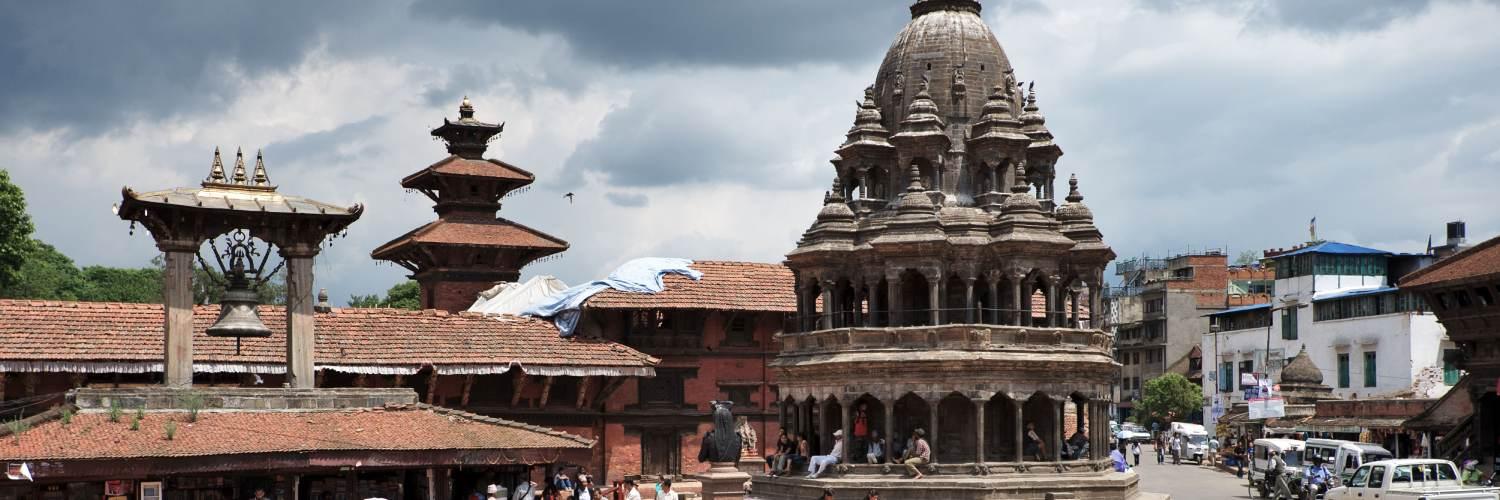
Namaste and welcome to the cultural heartbeat of the Kathmandu Valley. If you are planning an expedition to Nepal, your journey is incomplete without stepping into a living canvas where history is etched into every brick, piece of timber, and bronze statue. Welcome to Patan, known historically as Lalitpur - a name that literally translates to "The City of Fine Arts."
At Best Heritage Tour, we have spent decades guiding enthusiastic trekkers, curious world travelers, cultural tourists, multigenerational family groups, and energetic student groups through the labyrinth of Nepal's heritage. To us, Patan is not just a destination on a map; it is a breathing, thriving testament to human creativity and spiritual devotion. Whether you are resting your legs after a grueling trek in the Himalayas, exploring with your children, or conducting an educational field trip, this extensive guide will reveal everything you need to know about Patan, its unmatched artistic legacy, and its hidden corners.
Why Patan is Called the City of Fine Arts?
To truly appreciate Patan, one must understand how it earned its poetic title, Lalitpur. The distinction dates back over a millennium, rooted deeply in the golden age of the Malla Dynasty (primarily between the 14th and 18th centuries), although the city’s foundations are far older, reaching into the Licchavi period and beyond.
1. A Blueprint of the Sacred Dharma Chakra
Legend and historical architecture suggest that Patan was deliberately designed in the shape of the Buddhist Dharma Chakra (the Wheel of Righteousness). The city boundaries are anchored by four ancient stupas, believed to have been erected by the Indian Emperor Ashoka in 250 BC. This sacred symmetry transformed the entire city into a canvas of divine artistry.
2. The Living Symphony of Metal, Stone, and Wood
When you walk through the narrow alleyways of Patan, the predominant soundtrack is not the hum of traffic, but the rhythmic clink-clink-clink of hammers hitting chisels. For generations, the local Newar craftsmen have perfected three primary disciplines:
-
Lost-Wax Bronze Casting: The creation of incredibly detailed sacred deities, exported across Asia for centuries.
-
Repousse Metalwork: Hammering sheets of copper and brass from the reverse side to create intricate, relief designs for temple roofs and pinnacles.
-
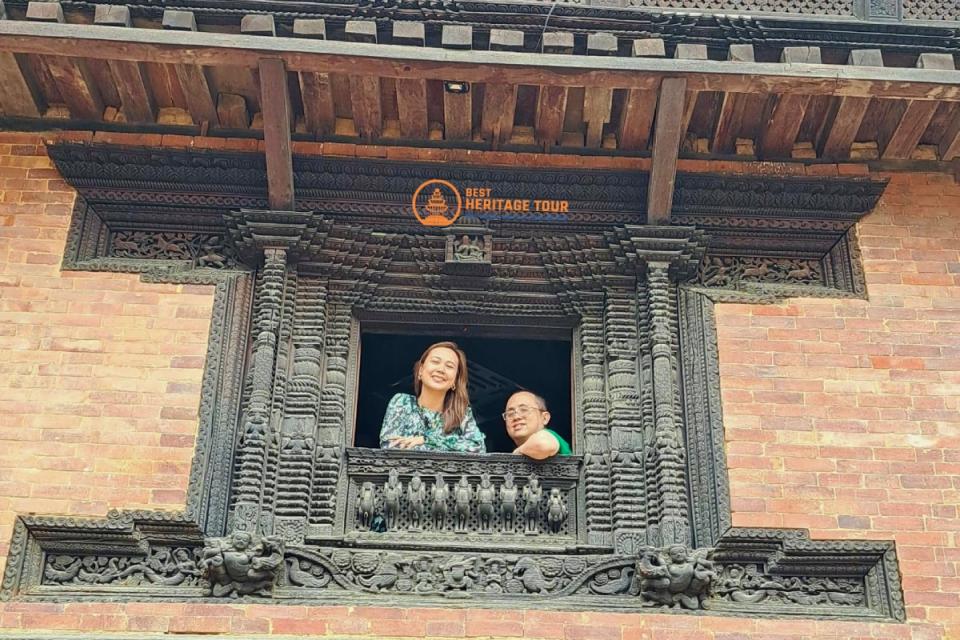
Intricate Wood Carving: Creating structural masterpieces out of single blocks of wood, visible on the windows and struts of every local home and palace.
Patan is called the City of Fine Arts because art here is not confined to a gallery. It forms the very walls, windows, waterspouts, and doorways where locals live out their daily lives.
What to See in Patan: A Curated Explorer's Map
For families, students, and travelers alike, knowing where to direct your steps ensures you do not miss the soul of the city. While most casual visitors spend an hour at the main square, our team at Best Heritage Tour recommends a deeper dive into these phenomenal landmarks.
1. Patan Durbar Square (The Royal Heart)
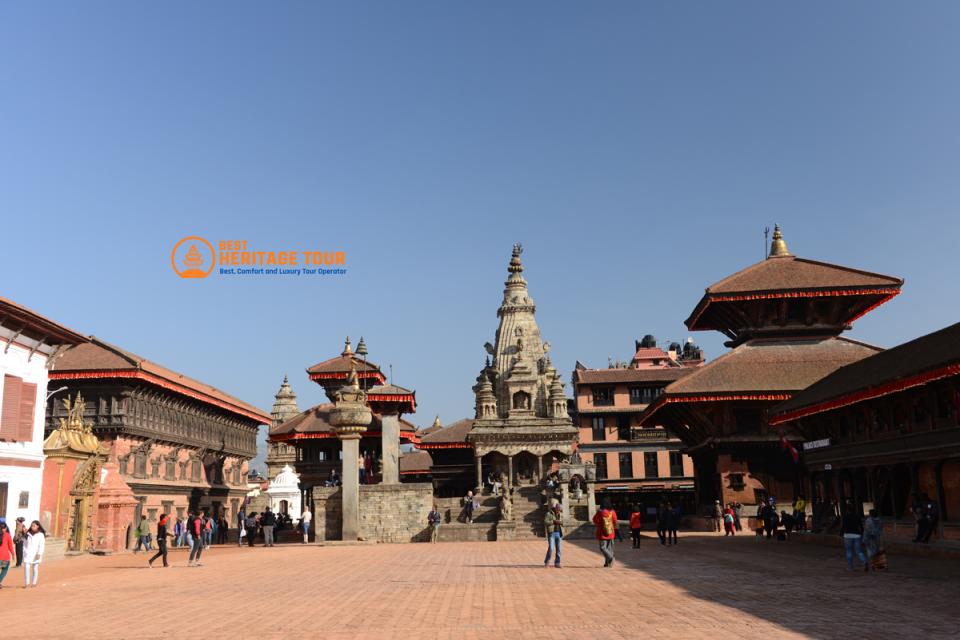
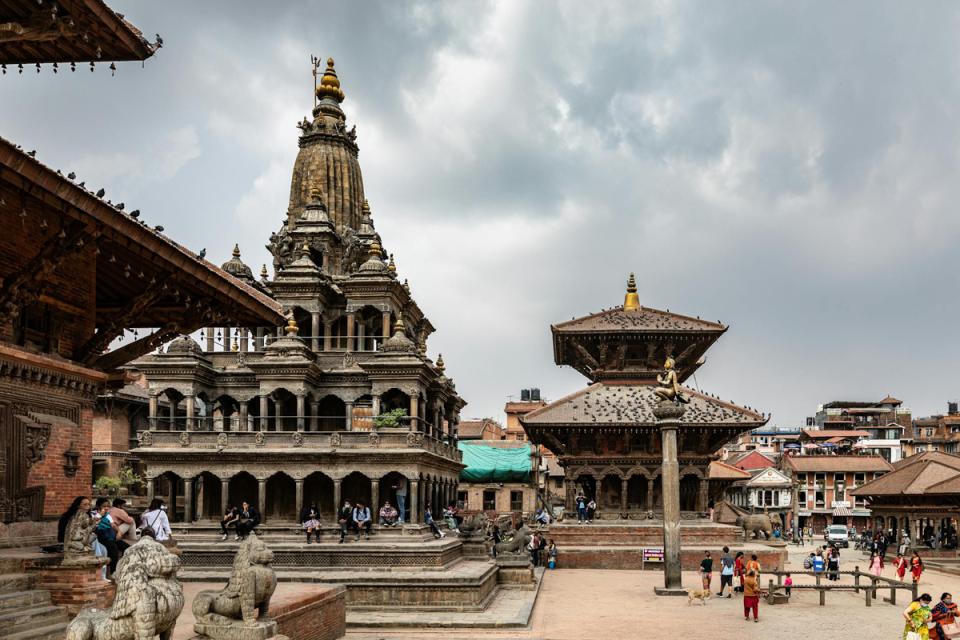
As a UNESCO World Heritage Site, this open-air museum serves as the old royal palace complex of the Malla Kings. Paved with traditional red bricks, the square is an enchanting display of Newari architectural brilliance at its zenith. It is a fantastic spot for family photography, student history lessons, and for trekkers to unwind and soak in the culture.
2. The Krishna Mandir: The Crown Jewel
Built in 1637 AD by King Siddhi Narsingh Malla, the Krishna Mandir is an architectural anomaly in the valley. Unlike the surrounding wooden pagoda-style structures, this temple is built entirely of stone in the Indian Shikhara style.
-
Look Closer: Take your time examining the stone beams running above the first and second floors. The first-floor carvings meticulously narrate the epic battles of the Mahabharata, while the second floor tells the story of the Ramayana. It features 21 golden pinnacles (spires) that capture the morning sun beautifully.
3. Patan Museum (Inside Keshav Narayan Chowk)
Widely recognized as one of the best public museums in South Asia, this beautifully restored palace courtyard (Keshav Narayan Chowk) was saved through a historic collaborative preservation effort between the Nepalese government and Austrian architects. It safely houses a world-class collection of bronze icons, sacred art, and architectural artifacts. For student groups, this provides an unparalleled educational experience detailing Hindu and Buddhist iconography.
4. Sundari Chowk and Tusha Hiti (The Royal Bath)
Deep inside the palace complex lies Sundari Chowk, a courtyard famous for its jaw-dropping wood and stone carvings. At its center rests Tusha Hiti, a sunken royal bath designed for the Malla kings. The steps and walls of this oval bath are intricately lined with 74 individual stone statues of various gods and goddesses, allowing the king to pay homage to the entire pantheon while taking his morning bath.
5. Hiranya Varna Mahavihar (The Golden Temple)
Located just a short five-minute walk north of the main square, hidden within a courtyard called Kwa Bahal, is this 12th-century Mahayana Buddhist monastery. The main three-story shrine is heavily plated in gold and copper repoussé work.
-
The Ritual: Keep an eye out for the young temple priests, called Bapacha boys, who perform age-old daily rituals. The courtyard is guarded by massive bronze lions and elephants, creating a mystical atmosphere that leaves travelers completely spellbound.
6. Mahabouddha Temple (The Temple of a Thousand Buddhas)
Tucked away in a tight residential alley east of the square stands Mahabouddha, a 14th-century terracotta masterpiece. Every single brick used to build this tall, mountain-shaped temple carries an engraved image of the Lord Buddha. It is an astonishing display of patience and dedication, offering a stark contrast to the stone and wood seen elsewhere.
Why Foreign Artists and Creators Love Patan?
Over the decades, our tour guides have noticed a fascinating trend: while casual tourists admire Patan, artists, writers, architects, and designers from all over the globe fall completely in love with it. Many return year after year, choosing to spend weeks sketching in its courtyards or studying under local masters.
The Unbroken Lineage of Craftsmanship
In many parts of the world, historic art forms are dead, preserved only behind glass or revived artificially for tourists. In Patan, the art is fiercely alive. A foreign sculptor can sit in a workshop in Nag Bahal or the Patan Industrial Estate and watch an artisan use the exact same lost-wax bronze casting technique that was utilized during the 12th century. There is an immense, magnetic creative energy in a city where art is passed down from father to son across twenty generations.
The Spatial Harmony of the "Bahals"
Architects and urban planners are routinely fascinated by Patan's neighborhood design. The city is built around Bahals (traditional residential courtyards). These communal spaces feature a central stupa or shrine, a public water source (hiti), and shared seating platforms. This configuration naturally nurtures community life, slow contemplation, and human interaction. Foreign artists find that the spatial layout of Patan reduces cognitive noise and unlocks deep creative inspiration.
Practical Travel Tips for Planning Your Visit
To ensure your self-guided exploration or organized trip runs perfectly smoothly, keep these insider logistics in mind:
-
Entry Fees: Patan Durbar Square requires an entry ticket for foreign nationals and SAARC tourists. Keep this ticket on you at all times, as inspectors may check it if you enter different heritage sectors. The funds directly support the ongoing post-earthquake restoration work.
-
How to Get There: Located across the Bagmati River just south of Kathmandu, Patan is highly accessible. From Thamel, it is a convenient 25-to-30 minute ride via local taxi or ride-sharing applications (such as Pathao or InDrive). If you are looking for an adventurous local experience, public buses run frequently from Ratna Park to Lagankhel.
-
Temple Etiquette: Always walk around Buddhist stupas and shrines in a clockwise direction. Remember to remove your shoes before entering internal temple sanctuaries, and avoid taking photographs where explicit "No Photography" signs are posted (such as inside the sacred Bhimsen Temple).
-
Do Not Skip the Side Alleys: The real magic of Patan lives 50 meters off the main paved roads. Follow the low doorways and brick archways; they frequently open up into massive, peaceful hidden courtyards where locals are drying grains, carving wooden window frames, or spinning prayer wheels in complete tranquility.
Conclusion
Patan is far more than a collection of historic monuments; it is a profound celebration of human craftsmanship, spiritual devotion, and community architecture that has survived into the modern era. From the striking stone symmetry of the Krishna Mandir to the ancient daily rituals echoing through the Golden Temple, every single corner of this magnificent city has a story to tell.
At Best Heritage Tour, we do not believe in superficial, rushed sightseeing. Our native guides grew up playing in these very courtyards, and they possess the deep historical knowledge, personal local relationships, and cultural insight required to truly bring the City of Fine Arts to life for you. Let us handle the logistics, custom itineraries, and expert storytelling so that you can simply lose yourself in the timeless beauty of Nepal.
Connect With Our Heritage Experts Today
Phone / WhatsApp / Viber: +977-9851149197 / +977-9810043046
Email: info@bestheritagetour.com / bestheritagetour@gmail.com
Website: www.bestheritagetour.com
Office: Thamel Marg, Kathmandu, Nepal
Author: Best Heritage Tour
Date: 21st May, 2026