
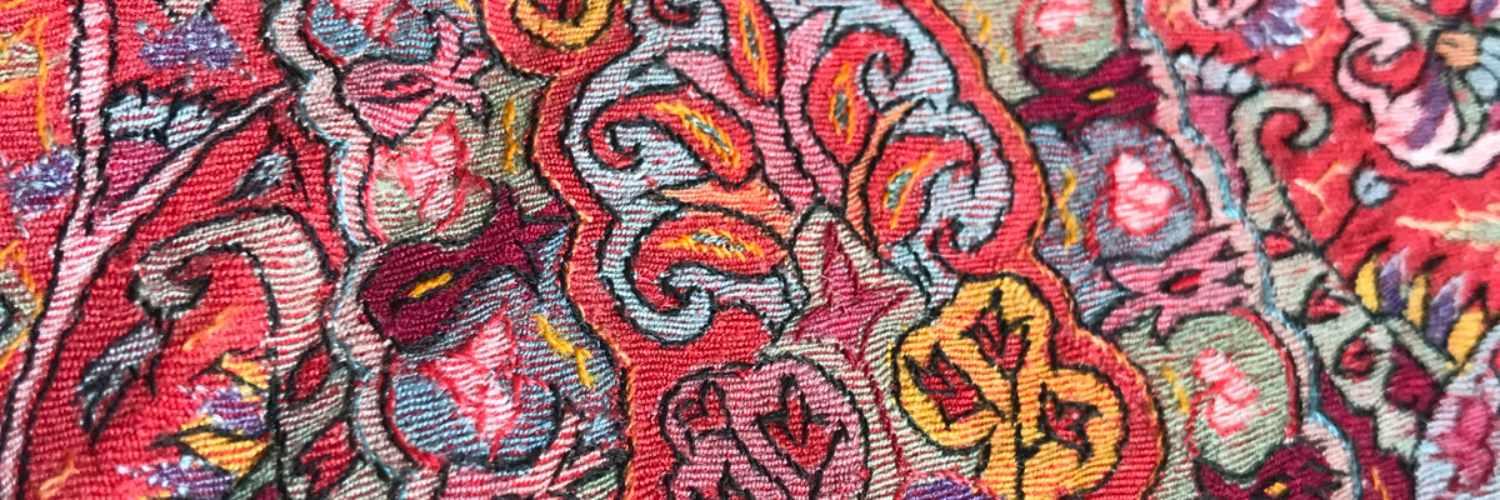
When you travel through the vibrant, sensory-rich streets of Kathmandu, you are constantly enveloped by the sights of ancient brickwork, the scent of burning incense, and the rich textures of local craftsmanship. Among the many treasures that catch a traveler's eye, none carry the sheer elegance, history, and warmth quite like an authentic Pashmina Shawl.
For trekkers returning from the crisp, freezing heights of the Annapurna or Everest regions, or for travelers seeking a tangible piece of Himalayan heritage to take home, a Pashmina shawl is more than just a souvenir. It is a piece of wearable art. However, navigating the bustling markets of Nepal to find a genuine piece can be daunting. With countless shops claiming to sell "100% pure Cashmere," how do you separate the genuine legacy from the cheap counterfeits?
At Best Heritage Tour, we believe that travel is as much about the stories and crafts you bring home as it is about the places you visit. In this comprehensive guide, we will educate you on the rich history of Himalayan Pashmina, show you exactly how to identify the real vs fake Pashmina shawl, and guide you on where to buy Pashmina shawl in Kathmandu so you can shop with absolute confidence.
What is a Pashmina Shawl? Understanding the Golden Fleece of the Himalayas
To truly appreciate a Pashmina shawl, one must understand its origins. The word Pashmina is derived from the Persian word Pashm, which literally translates to "soft gold." This exquisite fiber is harvested from the undercoat of the Chyangra goat (Capra hircus), a specific breed that thrives in the extreme, high-altitude climates of the Himalayan regions, including the Mustang and Dolpo districts of Nepal, at elevations above 14,000 feet.
To survive temperatures that routinely drop well below -20 ℃, these resilient goats develop an incredibly fine, soft inner layer of wool beneath their coarse outer hair. This fiber is exceptionally thin - usually measuring between 12 to 15 microns in diameter (by comparison, a human hair is roughly 75 microns wide).
THE PASHMINA JOURNEY
1. High-Altitude Chyangra Goat
Yields ultra-fine undercoat wool (<15 microns) in the harsh Himalayan winters.
2. Eco-Friendly Hand-Combing
Shed wool is gently collected by hand in spring, ensuring a cruelty-free process.
3. Artisanal Hand-Spinning & Weaving
Fibers are meticulously spun and handwoven on traditional wooden looms in Kathmandu.
4. The Authentic Pashmina Shawl
An incredibly lightweight, exceptionally warm and timeless piece of Nepalese heritage.
When spring arrives, the goats naturally shed this inner fleece. Local herders gently comb out the wool by hand - a completely cruelty-free process. The raw wool is then brought down to traditional workshops in the Kathmandu Valley, where artisans spend days washing, hand-spinning, and hand-weaving the delicate fibers into luxurious shawls, scarves, and stoles.
Pashmina vs. Cashmere: Is There a Difference?
A common question we hear from our guests at Best Heritage Tour is: “Is Pashmina the same as Cashmere?”
Technically, Pashmina is the highest, most premium grade of Cashmere. While standard cashmere can come from mountain goats across Mongolia, China, or Iran, authentic Nepalese Pashmina comes exclusively from the high-altitude Chyangra goat. It is thinner, lighter, warmer, and significantly softer than standard commercial cashmere.
Why a Pashmina Shawl is the Perfect Gift for Travelers and Trekkers
If you are wondering why you should dedicate a portion of your travel budget and luggage space to a Pashmina shawl, consider these unique characteristics that make it the ultimate keepsake:
-
Unrivaled Thermal Insulation: Despite being thin and lightweight enough to slip through a wedding ring, a genuine Pashmina provides extraordinary warmth. It traps body heat efficiently, making it the perfect transition piece for trekkers adjusting from alpine trails to the city temperatures of Kathmandu.
-
The Ultimate Lightweight Luxury: For backpackers and travelers mindful of strict airline baggage limits, a Pashmina shawl is a dream. It folds down into next to nothing, weighing only a few hundred grams, yet provides the comfort of a heavy blanket.
-
Versatility in Style: Whether used as an elegant wrap for a formal evening dinner, a cozy scarf during a chilly flight, or a makeshift blanket during a long drive across Nepal's countryside, its utility is unmatched.
-
A Sustainable, Living Heritage: By purchasing an authentic, handwoven shawl, you are directly supporting indigenous mountain herders, traditional weavers, and local families who have kept this ancient craft alive for generations.
How to Identify the Real vs Fake Pashmina Shawl: The Insider Tests
Walk down any tourist hub in Nepal, and you will see rainbows of soft scarves hanging outside shops, all accompanied by signs boasting impossibly low prices. Sadly, the market is flooded with counterfeits made of synthetic acrylic, viscose, polyester, or low-grade sheep's wool treated with chemical softeners.
To protect yourself from paying premium prices for cheap synthetics, you need to think like an expert. Here is how to identify the real vs fake Pashmina shawl using five simple, field-tested methods:
1. The Burn Test (The Definitive Proof)
If a shopkeeper is confident in the authenticity of their product, they will gladly let you perform a burn test on a single loose fringe thread.
-
Real Pashmina: Because it is natural animal protein (hair), burning a thread will smell distinctly like burnt human hair. The flame will burn out quickly, leaving behind a matte, dark, crumbly ash that easily turns to powder when rubbed between your fingers.
-
Fake Pashmina: Synthetic materials like polyester or acrylic will smell like burnt plastic or chemicals. Instead of forming crumbly ash, the thread will melt, curl up, and form a hard, solid plastic bead that cannot be crushed.
2. The Look and the "Irregular" Weave
Authentic Nepalese Pashminas are woven by hand on traditional wooden looms, not by mass-production industrial machines.
-
Real Pashmina: If you hold the shawl up against the light, you will notice a beautiful, subtle irregularity in the weave pattern. You might see slight variations in thread thickness or tiny, natural asymmetry. This imperfection is the hallmark of human craftsmanship.
-
Fake Pashmina: Machine-made synthetic shawls will look absolutely perfect, uniform, and flawless under close inspection, lacking the organic texture of a hand-loomed textile.
3. The Matte Appearance vs. Synthetic Sheen
-
Real Pashmina: Pure Pashmina has a very soft, natural, matte appearance. It does not possess a high gloss or reflective shine, though it may have a very subtle, muted glow.
-
Fake Pashmina: If a shawl looks highly glossy, shiny, or shimmers vibrantly under store lights, it is highly likely blended with silk, viscose, or pure polyester. (Note: Silk-Pashmina blends are common and acceptable, but they must be explicitly labeled and priced lower than 100% pure Pashmina).
4. The Static Electricity Test
-
Real Pashmina: Natural fibers do not build up static electricity easily. If you rub the shawl against your skin or a piece of plastic, it should not cause static cling or make your arm hairs stand up.
-
Fake Pashmina: Synthetic fabrics like acrylic and polyester accumulate static electricity rapidly. Rubbing a fake shawl will create noticeable static friction and cling to your clothes.
5. The Diameter of the Fringes
Take a close look at how the edges of the shawl are finished.
-
Real Pashmina: Because pure Pashmina fibers are incredibly delicate, they cannot be spun into long, intricate, heavy tassels or fringes without tearing. Real Pashmina shawls usually feature raw, unfinished edges or very short, simple, softly twisted fringes.
-
Fake Pashmina: Thick, heavily braided, and highly stylized fringes are a strong indicator that the material is made of sturdier synthetic fibers or blended sheep wool.
Quick Reference Comparison Table
|
Feature |
Authentic Pure Pashmina |
Synthetic / Fake Pashmina |
|---|---|---|
|
Material Source |
Chyangra goat undercoat wool |
Polyester, Acrylic, Viscose, Nylon |
|
Texture & Feel |
Exceedingly soft, warm, lightweight |
Silky or slippery; can feel slightly sweaty |
|
Weave Pattern |
Slight, natural hand-loomed irregularities |
Perfectly uniform machine-made grid |
|
Burn Test Result |
Smells like burnt hair; leaves crumbly ash |
Smells like burnt plastic; melts into a hard bead |
|
Static Electricity |
None |
High static cling and friction |
|
Price Point |
Premium (Reflects intensive manual labor) |
Suspiciously cheap or heavily discounted |
Where to Buy Pashmina Shawl in Kathmandu: Navigating the Local Markets
Knowing how to check for quality is only half the battle; knowing where to direct your footsteps in the bustling capital city is the other. If you are wondering where to buy Pashmina shawl in Kathmandu, you have a few distinct shopping environments to choose from, depending on your budget and travel style.
1. Thamel: The Vibrant Tourist Hub
Thamel is the beating heart of Kathmandu’s tourism. Its winding alleys are lined with hundreds of textile shops.
-
The Experience: Shopping here is vibrant and energetic, but it requires a keen eye. You will find everything from cheap, mass-produced 500 NPR scarves to high-end boutiques tucked away in courtyards.
2. Premium Government-Registered Boutiques and Co-operatives
For travelers who prefer a guaranteed, stress-free shopping experience without the need to bargain, Kathmandu hosts several reputable, government-certified emporiums and fair-trade cooperatives.
-
The Experience: Located primarily around upscale areas like Durbar Marg (King’s Way), Lazimpat, or the historic streets of Patan (Lalitpur), these stores source directly from women’s weaving cooperatives and rural communities.
-
The Advantage: Products here often carry the "Chyangra Pashmina" trademark label - a internationally registered hallmark guaranteed by the Government of Nepal and the Nepal Pashmina Industries Association (NPIA). This label ensures strict quality control, ethical manufacturing, and authentic sourcing.
3. Asan Tole and Mangal Bazaar: The Authentic Local Experience
If you are an adventurous traveler who wants to shop where the locals shop, head over to the historic market squares of Asan Tole or Mangal Bazaar in Patan.
-
The Experience: These traditional market centers are dense, hectic, and deeply authentic. While you will have to dig through piles of textiles and communicate across minor language barriers, you can occasionally find beautiful, traditional pieces at genuine local prices.
Caring for Your Nepalese Pashmina: Ensuring It Lasts a Lifetime
An authentic Pashmina is an investment. If cared for properly, it will actually grow softer with age and can easily be passed down as a treasured family heirloom. To preserve its delicate fibers, keep these essential care tips in mind:
-
Never Machine Wash: The harsh spinning cycle of a washing machine will ruin the delicate weave structure and cause severe shrinking.
-
Gentle Hand Wash Only: Wash your shawl by hand in lukewarm water using a very mild baby shampoo or a specialized wool detergent. Do not wring or twist the fabric; gently press the water out against the side of the basin.
-
Dry Flat in the Shade: Lay the shawl flat on a clean, dry towel away from direct sunlight, which can fade the natural dyes. Never hang a wet Pashmina on a hanger, as the weight of the water will stretch out the shape.
-
Store Safely: Store your shawl folded in a breathable cotton bag or wrapped in tissue paper. Avoid plastic storage bags, which can trap moisture and attract mildew. To ward off moths, use natural repellents like dried cedar blocks or lavender sachets instead of harsh chemical mothballs.
Conclusion
A Pashmina shawl is more than just a piece of clothing; it is a direct connection to the rugged terrain of the high Himalayas, the endurance of the Chyangra goats, and the timeless artistry of Nepalese weavers. Bringing one home means carrying a piece of Nepal close to your heart, wherever your future travels may lead.
At Best Heritage Tour, we are dedicated to helping travelers unlock the deep cultural wealth, breathtaking landscapes, and artistic legacies of our beautiful country. From exploring the ancient, UNESCO World Heritage courtyards of the Kathmandu Valley to organizing seamless, immersive journeys across the country, our experienced team ensures your time in Nepal is authentic, meaningful, and unforgettable.
Phone / WhatsApp / Viber: +977-9851149197 / +977-9810043046
Email: info@bestheritagetour.com / bestheritagetour@gmail.com
Website: www.bestheritagetour.com
Office: Thamel Marg, Kathmandu, Nepal
Author: Best Heritage Tour
Date: 17th May, 2026