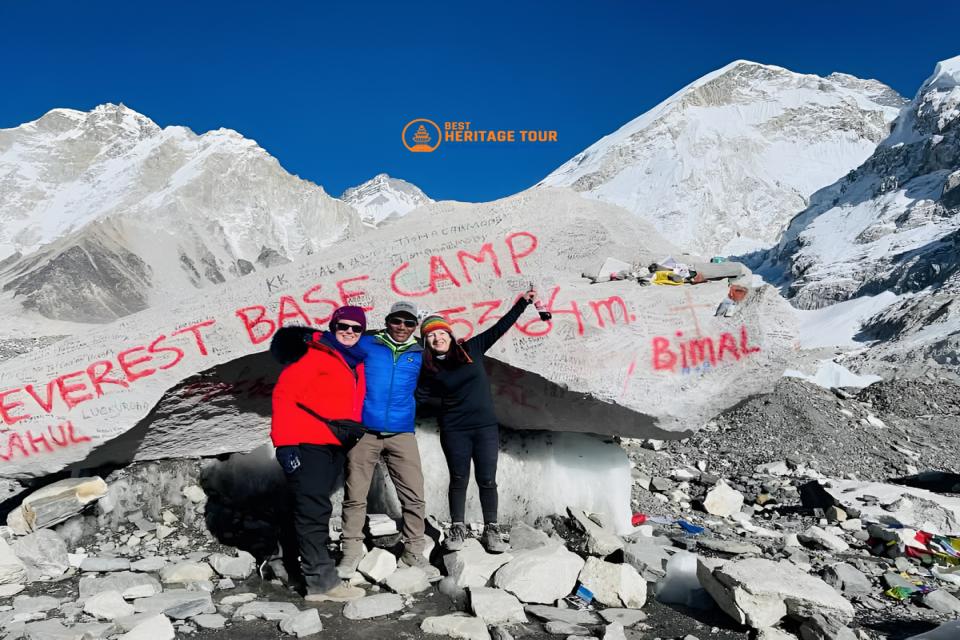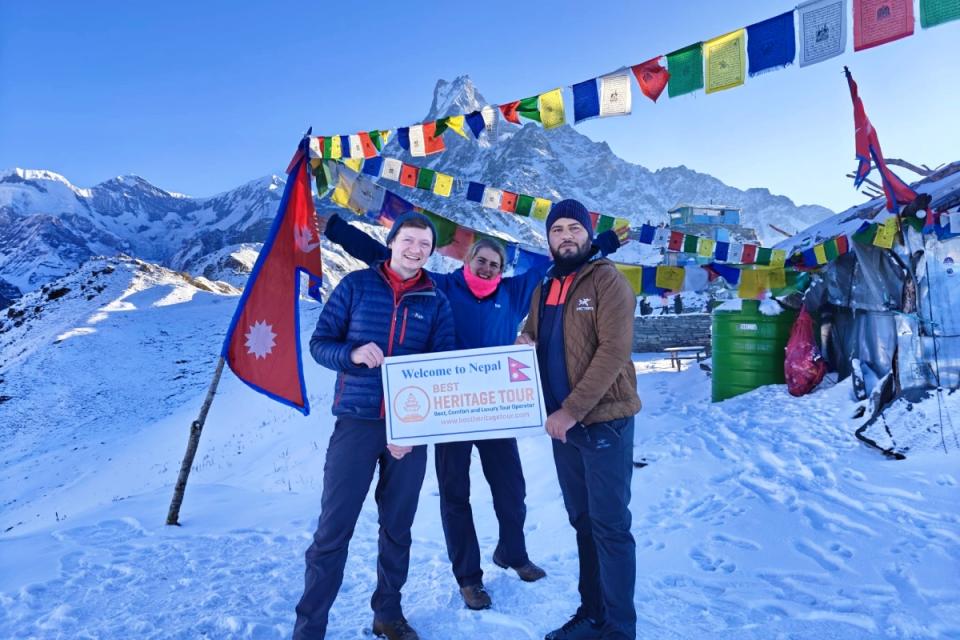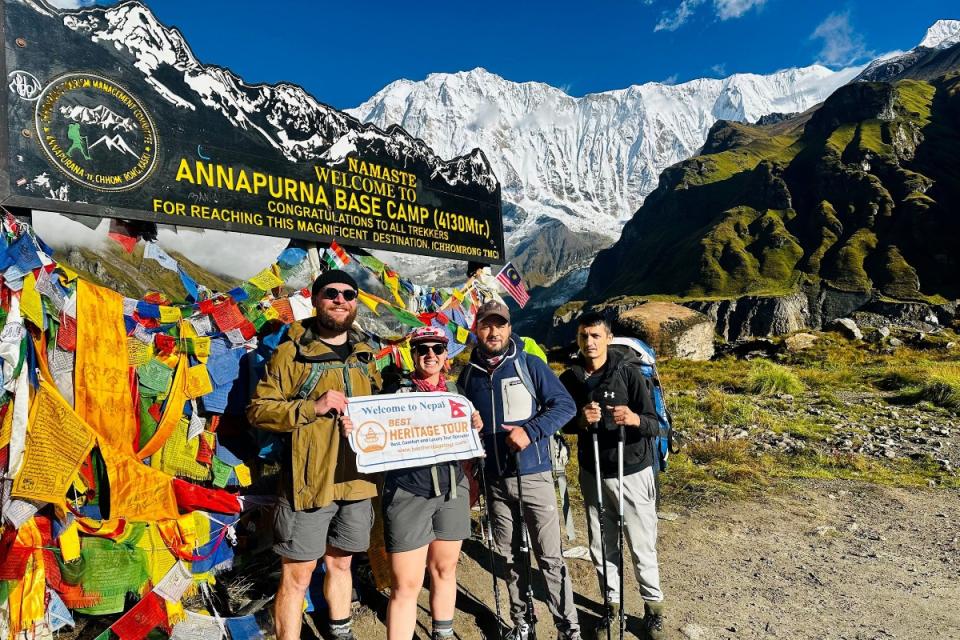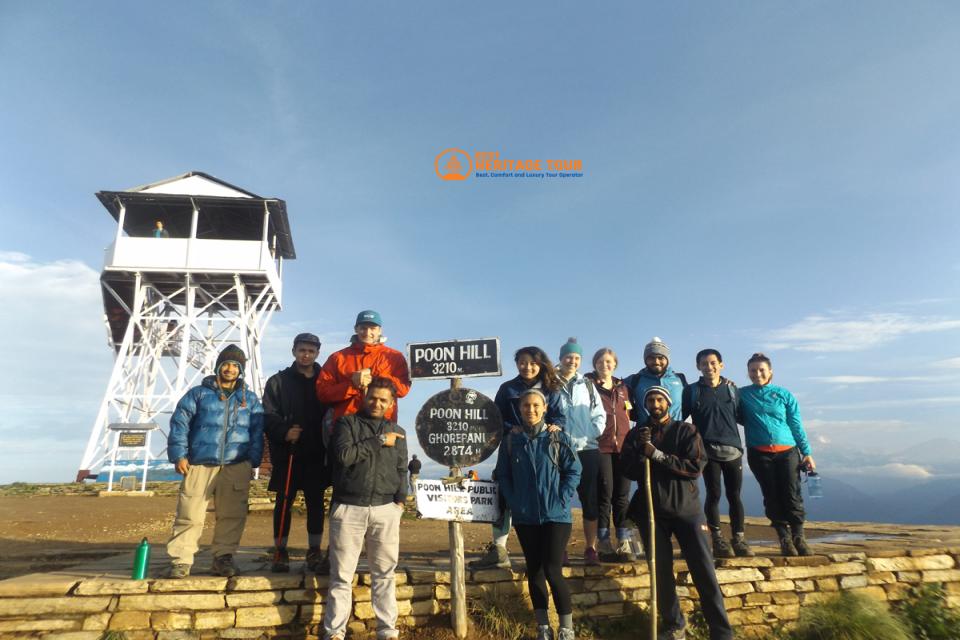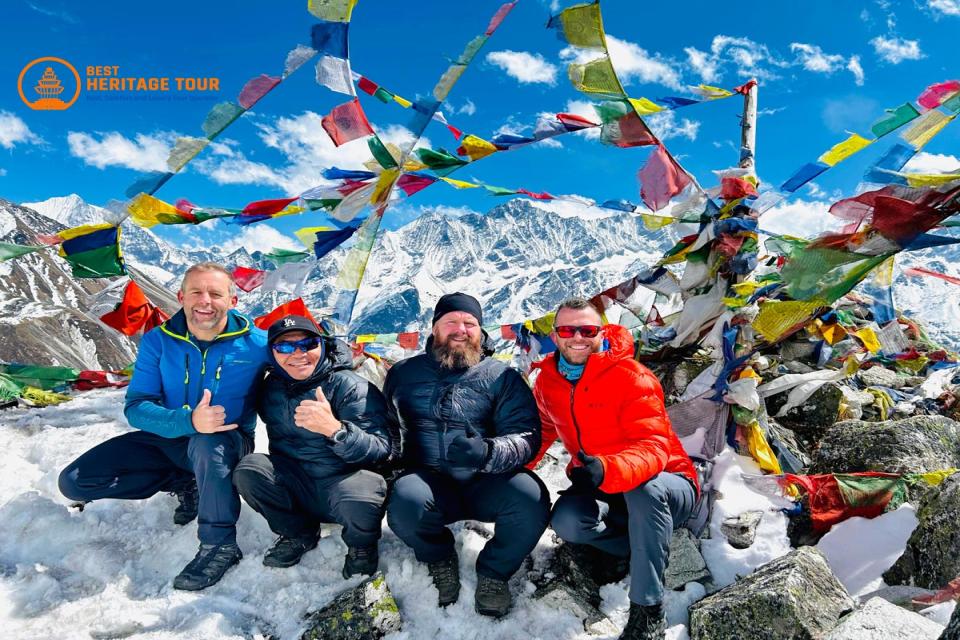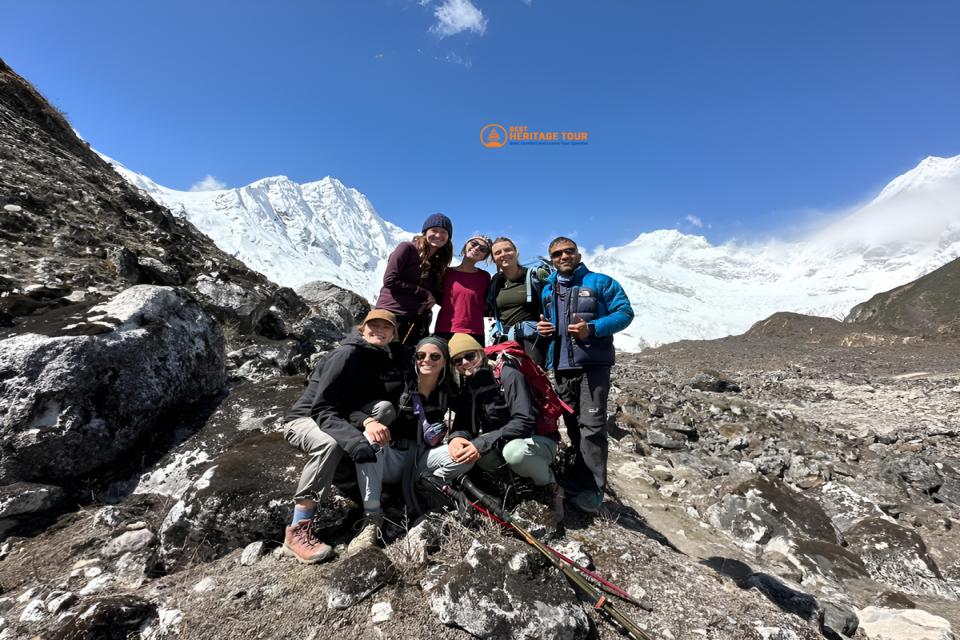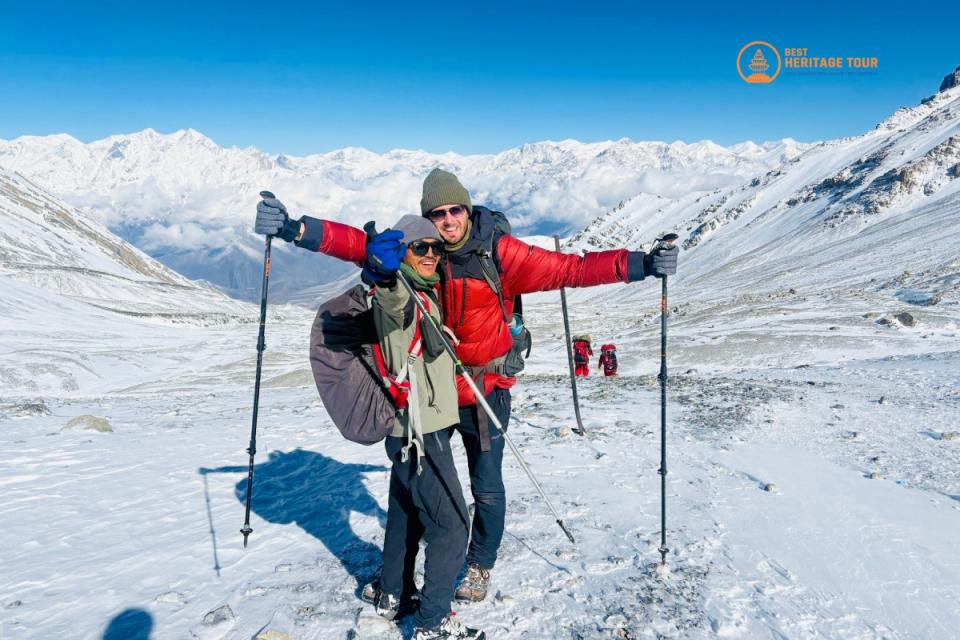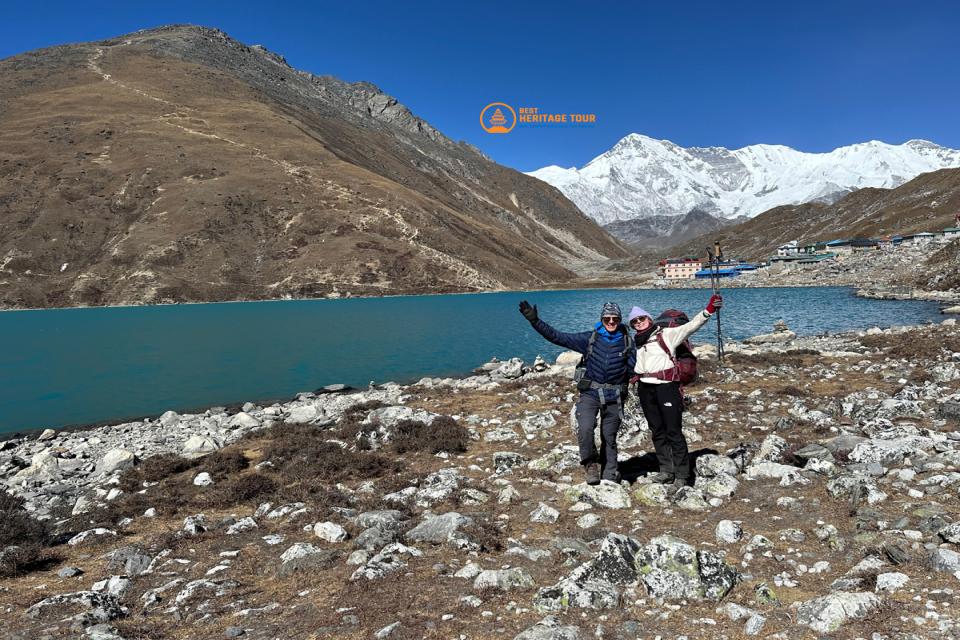
As a trekkers who love mountains, Nepal is a heaven for trekking. The Himalayas are calling, but in 2026, the answer requires more than just a sturdy pair of boots and a sense of adventure. As we step into the 2026 trekking season, the Government of Nepal, the Nepal Tourism Board (NTB), and the Department of Immigration have implemented the most significant regulatory changes in over a decade.
If you are planning to stand in the shadow of Everest, circle the Annapurna massif, or traverse the forbidden kingdom of Upper Mustang, the landscape of logistics has shifted. From the total ban on solo trekking to the complete digitalization of permit systems, this guide is your definitive break through the bureaucracy and beauty of Nepal in 2026.
1. The New Reality: The End of Solo Trekking in Nepal
For decades, Nepal was the ultimate destination for "Free Independent Trekkers" (FITs). However, as of late 2025 and moving into the full 2026 season, the rule of thumb is simple: No Guide, No Trek.
Why the Mandatory Guide Policy?
This isn't just about red tape; it's a multi-faceted approach to modernizing Himalayan tourism:
-
Safety and Search & Rescue: Every year, dozens of solo trekkers disappear or succumb to Acute Mountain Sickness (AMS) without a witness. In 2026, the government has mandated guides to ensure that if a trekker falls ill or a trail is blocked by a sudden blizzard, there is a professional on-site to coordinate immediate satellite communication and helicopter evacuation.
-
Economic Sustainability: By requiring a guide, the government ensures that the revenue from tourism trickles down directly into the hands of local communities. A guide is an employee, a storyteller, and a bridge between the trekker and the village.
-
Environmental Stewardship: With the increasing effects of climate change, the "Leave No Trace" policy is no longer a suggestion. Licensed guides are now legally responsible for ensuring their clients do not litter, stay on designated trails, and respect the fragile alpine ecosystems.
The "Porter-Guide" vs. "Licensed Guide" Distinction
In 2026, the regulations clarify that a guide must be licensed by the Nepal government and affiliated with a registered trekking agency (like Best Heritage Tour). A "porter" who does not hold a guide license cannot legally be your primary escort for permit verification at checkpoints.
2. Trekking Permits Update for 2026: The Digital Revolution
The era of paper booklets and waiting in line for hours at the Nepal Tourism Board office in Bhrikutimandap is officially over. In 2026, Nepal has moved to a Centralized Digital Trekking Portal.
The Death of the Physical TIMS Card
The Trekkers’ Information Management System (TIMS) has been replaced by the Digital TIMS (E-TIMS).
-
QR Code Integration: Your permit is now a QR code stored on your phone or printed.
-
Live Tracking: Every time you pass a checkpoint (like Monjo in Everest or Nayapul in Annapurna), your QR code is scanned. This allows the authorities to know exactly which section of the trail you are in - vital for safety during the unpredictable monsoon or winter seasons.
-
Cost for 2026: For most foreign trekkers, the E-TIMS fee is now NPR 2,000 (approx. USD 15), and it must be processed through an agency.
Restricted Area Permits (RAP): 2026 Pricing
Restricted areas remain the most pristine parts of Nepal. These require a special permit from the Department of Immigration. Note that these permits cannot be issued to individuals; they require a minimum of two trekkers and a guide.
|
Region |
Season |
2026 Permit Fee (First Period) |
Additional Days |
|---|---|---|---|
|
Upper Mustang |
All Year |
USD 50 per day |
|
|
Upper Dolpo |
All Year |
USD 500 (10 Days) |
USD 50 / day |
|
Manaslu Circuit |
Sept - Nov |
USD 100 (7 Days) |
USD 15 / day |
|
Manaslu Circuit |
Dec - Aug |
USD 75 (7 Days) |
USD 10 / day |
|
Tsum Valley |
Sept -Nov |
USD 40 (7 Days) |
USD 7 / day |
|
Nar Phu Valley |
Sept - Nov |
USD 100 (7 Days) |
USD 15 / day |
3. Regional Deep Dive: Everest, Annapurna, and Beyond
Each trekking region in Nepal has its own local "mini-government" rules. In 2026, understanding these nuances is key to a smooth trip.
The Everest (Khumbu) Region
Everest remains an outlier. The local Khumbu Pasang Lhamu Rural Municipality does not always recognize the TIMS card. Instead, they have their own local entrance fee.
-
The Khumbu Entrance Fee: NPR 3,000 per person (approx. USD 23).
-
Sagarmatha National Park Permit: NPR 3,000 (approx. USD 23).
-
New for 2026: Due to overcrowding, the municipality is trialing a "Trekker Cap" during peak October weeks. Booking your flight to Lukla and your permits through an agency early is no longer just recommended - it's essential.
The Annapurna Region
This is where the "No Solo Trekker" rule is most strictly enforced. Checkpoints at Birethanti and Besisahar are now equipped with biometric scanners.
-
ACAP Permit: NPR 3,000.
-
Key 2026 Tip: The road construction on the Annapurna Circuit continues. To find the "real" trail, your guide will lead you through NATT (Natural Annapurna Trekking Trails) which are off-road and only known to locals.
4. Mandatory Insurance: The 2026 Requirements
Insurance isn't just a suggestion in 2026; it is a prerequisite for permit issuance. Your policy must be uploaded to the digital permit portal.
What your insurance MUST cover:
-
Altitude up to 6,000m: Many standard policies stop at 2,500m. Ensure yours covers the height of the Thorong La Pass (5,416m) or Everest Base Camp (5,364m).
-
Helicopter Evacuation: This is the only way out of the mountains in a medical emergency. A typical heli-evac in Nepal costs between USD 2,500 and USD 5,000.
-
Search and Rescue: In the event of a natural disaster, this covers the cost of mobilizing ground teams.
Local Insight: Be wary of "cheap" policies. In 2026, Nepal’s helicopter companies are more stringent about verifying "Guarantee of Payment" (GOP) from insurance providers before they fly.
5. Health and Fitness: Preparing for the 2026 Trails
The mountains haven't gotten any lower, but our understanding of altitude health has improved.
The 30-Day Medical Fitness Certificate
For high-altitude treks involving passes over 5,000m or "trekking peaks" (Island Peak, Mera Peak), the Department of Tourism now suggests a medical fitness certificate. This should confirm you have no underlying cardiovascular issues.
Acclimatization: The "Golden Rule"
The 2026 guidelines for guides emphasize a slower pace:
-
Never climb more than 500m of vertical gain in a single day once you are above 3,000m.
-
Drink 4-5 liters of water daily.
-
Eat local: Dal Bhat (lentil soup and rice) is the fuel of the Himalayas. It’s fresh, high-carb, and provides the sustained energy you need.
6. Sustainability and Gear: Trekking with a Conscience
In 2026, "Green Trekking" is the standard.
The Plastic Ban
Almost all major trekking routes (Everest, Annapurna, Langtang) have banned single-use plastic water bottles.
-
What to bring: A 1-liter Nalgene or insulated bottle and a high-quality water filtration system (like a Grayl or Sawyer filter).
-
Water Stations: Teahouses now offer "Filtered/Boiled Water" for a small fee (NPR 100-300), which is safer for the environment than buying plastic bottles.
Smart Gear for 2026
-
Solar Power Banks: While teahouses have electricity, it is often solar-powered and can be unreliable. A portable solar panel on your backpack is a 2026 trekker’s best friend.
-
Satellite Messaging: While your guide will have communication, devices like Garmin InReach are popular for staying in touch with family when Wi-Fi (which costs USD 5-10 per day) fails.
7. Cultural Etiquette: Respecting the Heritage
This is where Best Heritage Tour truly shines. Trekking in Nepal is as much a cultural pilgrimage as it is a physical one.
-
Mani Walls and Stupas: Always pass these sacred structures on the clockwise side (keep them to your right).
-
Prayer Flags: Never step over prayer flags. They represent the five elements and carry mantras into the wind.
-
Photography: In 2026, with the rise of social media, many monasteries have banned photography inside the main prayer halls. Always ask your guide before clicking.
-
Dress Code: While on the trail, "trekking chic" is fine, but when entering a village or monastery, cover your shoulders and knees.
Frequently Asked Questions (FAQs)
Q: Can I still trek to Everest Base Camp alone?
Technically, the Khumbu municipality has been more lenient than the Annapurna region, but the national policy for 2026 strongly discourages it. Without a guide, you will find it extremely difficult to book teahouses during peak season or handle emergency logistics.
Q: What happens if I get caught trekking without a guide?
You may be turned back at the nearest checkpoint, fined, and in some cases, your permits could be revoked without a refund.
Q: How much does a trekking guide cost in 2026?
Expect to pay between USD 30 and USD 40 per day for a highly experienced, English-speaking licensed guide. This fee usually includes their food, accommodation, and insurance.
Q: Is there still Wi-Fi on the trails?
Yes, most trails have "Everest Link" Wi-Fi. However, it is expensive and often slow. 2026 sees better 4G/5G coverage in valleys, but a guide’s local SIM is often the most reliable way to stay connected.
Conclusion
Trekking in Nepal in 2026 is safer, more organized, and more rewarding than ever before. While the Rules to Know before trekking in Nepal have become stricter, they ensure that the "Third Pole" remains a majestic, sustainable destination for generations to come.
The mountains haven't changed - the sun still hits the peak of Machhapuchhre with a golden glow, and the rhododendrons still bloom in the spring. What has changed is the support system around you.
Let Best Heritage Tour take the weight of the logistics off your shoulders so you can focus on the breathtaking horizon. We don't just show you the mountains; we introduce you to the soul of Nepal.
Plan Your 2026 Adventure with Best Heritage Tour
Don't let permit confusion or new regulations stop your dream trip. Contact our expert team today for a free consultation and a customized 2026 trekking itinerary.
Phone / WhatsApp / Viber: +977-9851149197 / +977-9810043046
Email: info@bestheritagetour.com / bestheritagetour@gmail.com
Website: www.bestheritagetour.com
Office Address: Thamel Marg, Kathmandu, Nepal
Author: Best Heritage Tour
Date: 22nd February, 2026