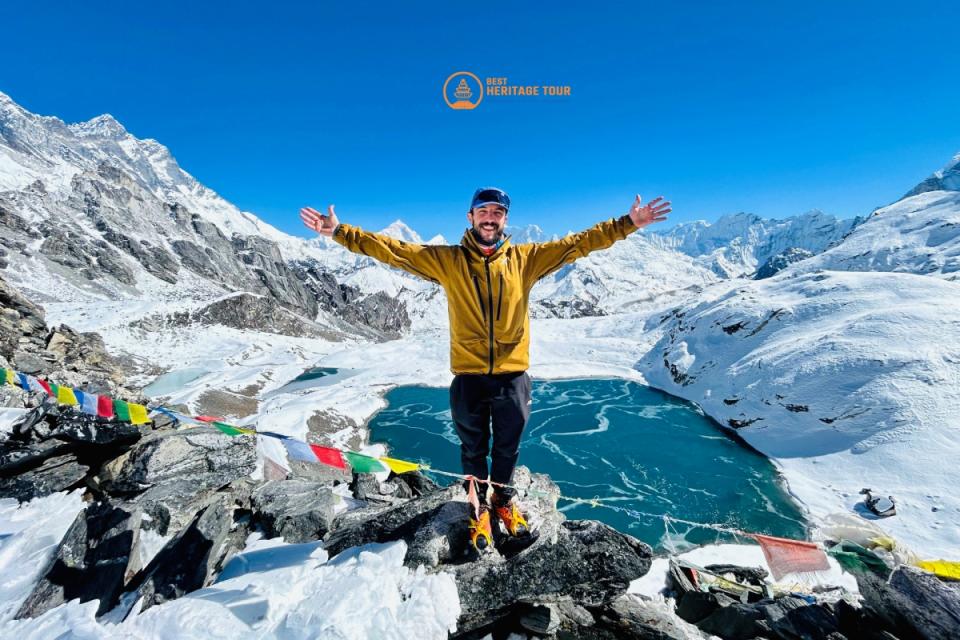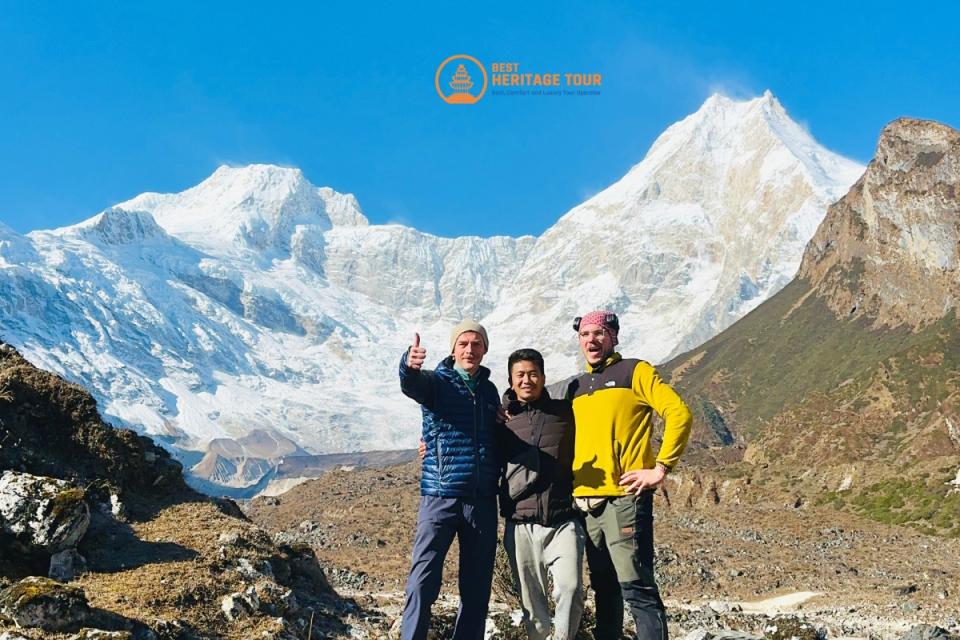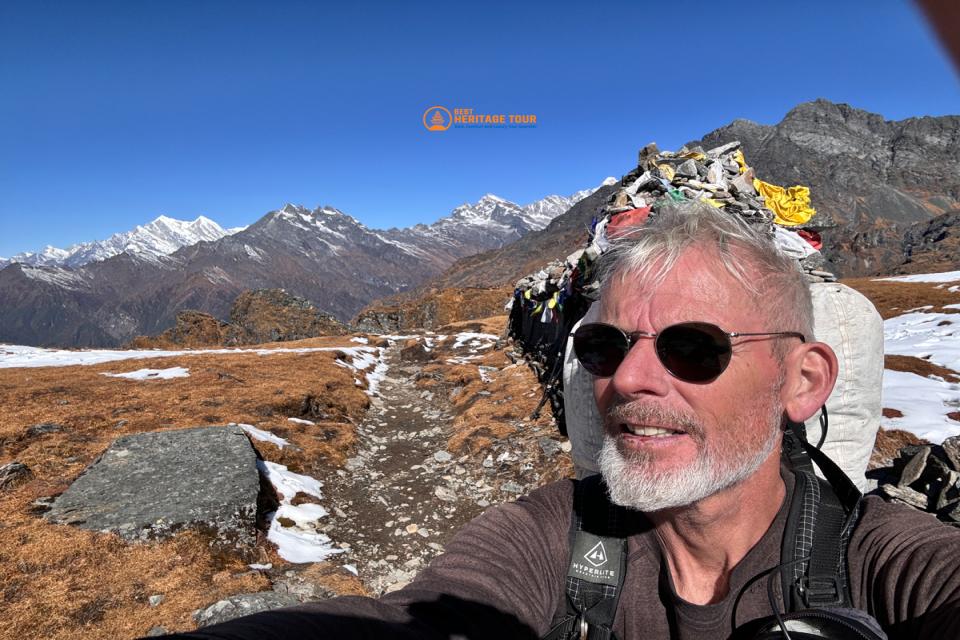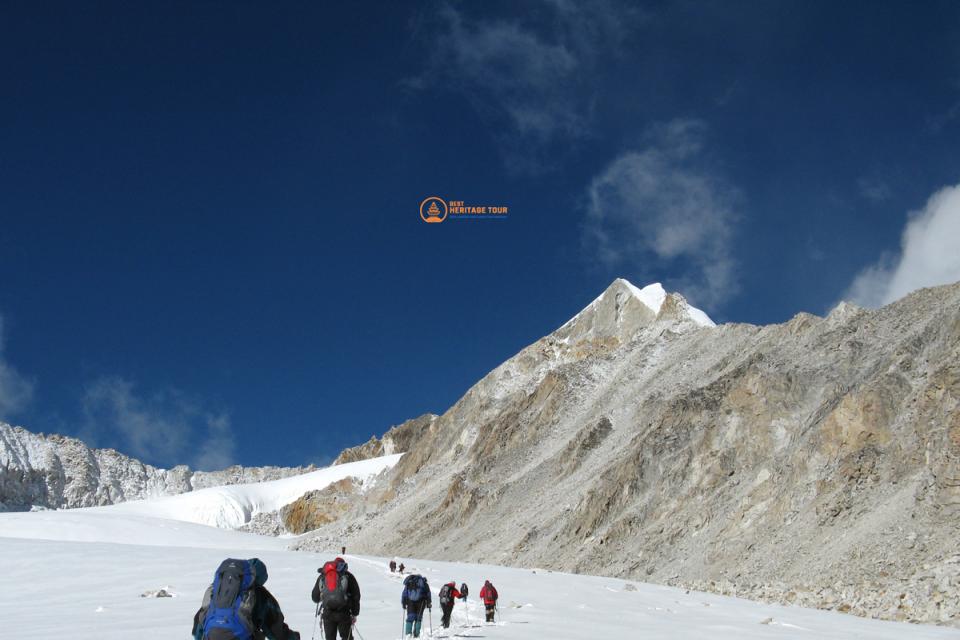
The Himalayas are not merely mountains; they are a grand testament to the raw power of nature. For those who have already stood at the foot of Everest or completed the Annapurna Circuit, the question often arises: What is next? Where does one go to find the true edge of endurance?
At Best Heritage Tour, we have spent decades navigating the remote "off-the-map" corridors of our homeland. We’ve seen the sunrise from the frozen heights of the Sherpani Col and felt the biting winds of the Dhaulagiri massif. If you are an adventure seeker looking to test your limits, you have come to the right place.
This guide explores the most challenging treks in Nepal - routes that demand not just physical stamina, but mental grit and a deep respect for the high-altitude wilderness.
Why Choose a Challenging Trek?
Standard trekking routes offer comfort and community. However, the "Great Himalayan" challenges offer something different: solitude and self-discovery. These trails are characterized by:
-
Extreme Altitudes: Frequent crossings of passes over 5,000 meters (16,404 feet).
-
Remote Landscapes: Moving through areas where there are no teahouses, requiring full camping logistics.
-
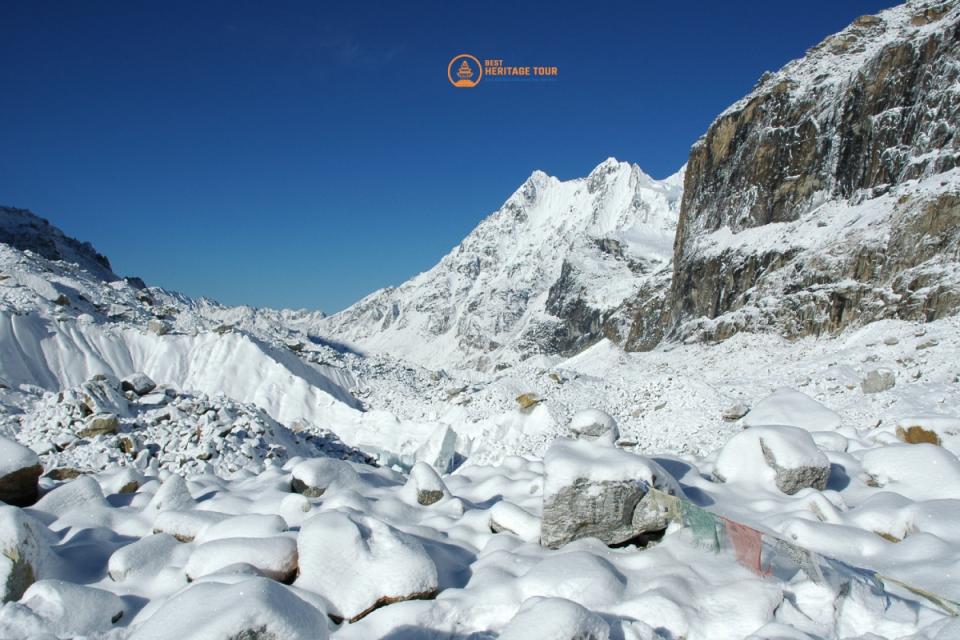
Technical Terrain: Glacial traverses, moraine walking, and occasionally, the need for fixed ropes and crampons.
1. The Great Himalayan Trail (GHT) - The Ultimate Odyssey
If there is a "Final Boss" of trekking, it is the Great Himalayan Trail. Spanning approximately 1,700 kilometers from the east to the west of Nepal, the GHT isn't just a trek; it’s a cross-country expedition. The High Route of the GHT stays at an average elevation of 4,000 meters and crosses some of the most technical passes in the world.
-
Duration: 120+ days (can be done in sections).
-
Difficulty: Extreme.
-
Key Challenge: Sustained high-altitude exposure and logistical complexity. You will traverse from the shadows of Kanchenjunga to the remote borders of Humla.
2. Dhaulagiri Circuit Trek - The White Mountain Challenge
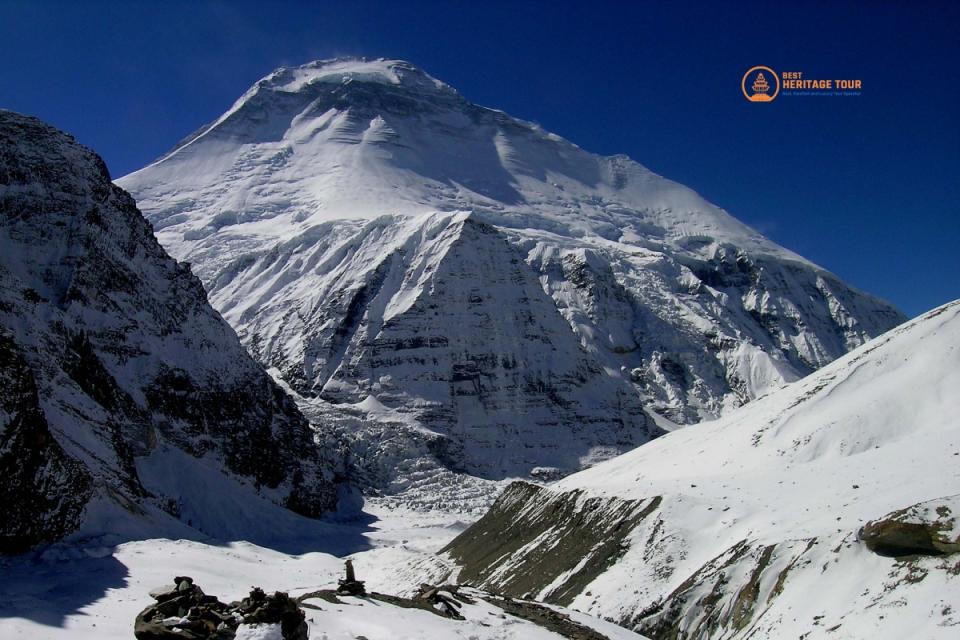
Dhaulagiri I (8,167 m) is the seventh-highest mountain in the world, and its circuit is widely considered the hardest trek in Nepal that doesn't involve a summit.
What makes Dhaulagiri so formidable? It’s the "Hidden Valley." To reach it, you must cross the French Pass (5,360 m) and the Dhampus Pass (5,240 m). For several days, you are walking on glaciers and sleeping on ice. There are no permanent settlements for a significant portion of the trek, making it a true wilderness experience.
-
Best Heritage Tip: This trek requires a high level of physical fitness and prior experience with crampons. The weather here is notoriously unpredictable.
3. Upper Dolpo Trek - Into the Forbidden Kingdom
Dolpo is a land that time forgot. Located in the rain shadow of the Dhaulagiri range, this region is culturally Tibetan and geographically rugged. The trek to Upper Dolpo involves crossing multiple passes above 5,000 meters, including the Nagdalo La (5,350 m).
The landscape is a high-altitude desert - stark, brown, and hauntingly beautiful. You’ll visit the ancient Shey Gompa and the crystalline Phoksundo Lake.
-
Why it’s challenging: The sheer remoteness. In Upper Dolpo, help is days away. You must be self-sufficient, making the role of an experienced guide from Best Heritage Tour vital.
4. Kanchenjunga Base Camp Trek - The Far East Wilderness
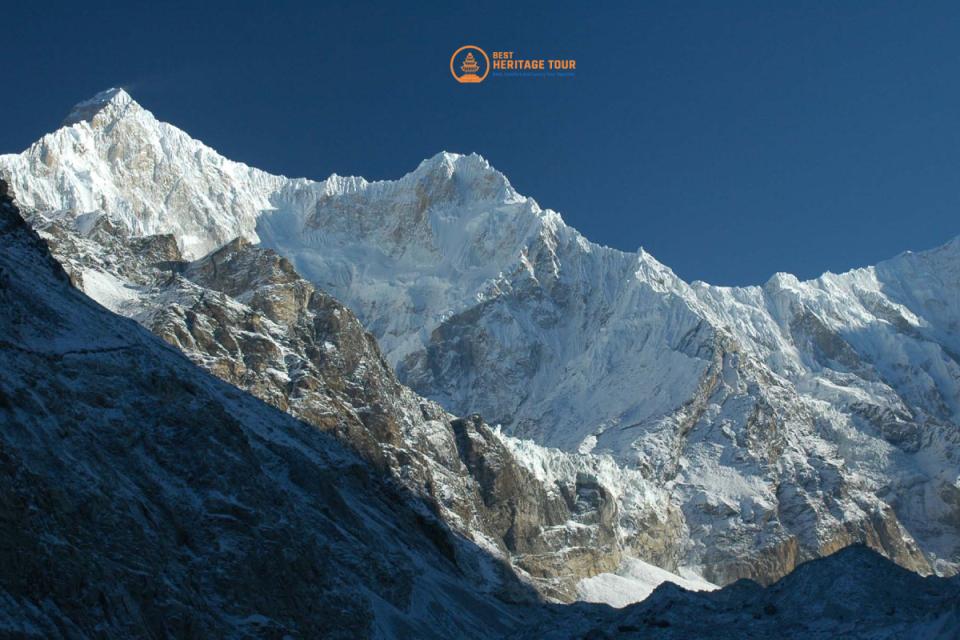
Mt. Kanchenjunga (8,586 m) sits on the border between Nepal and India. Because it is located in the far east, it sees a fraction of the tourists that Everest or Annapurna receive.
The trek covers both the North and South Base Camps, requiring you to cross the Sele La Pass. The trails are often narrow, overgrown, and prone to landslides after the monsoon.
-
The Reward: You will witness the massive Kanchenjunga massif in near-total silence. It is one of the most "authentic" trekking experiences left in the Himalayas.
5. Everest Three High Passes Trek - The Khumbu Trilogy
For those who find the standard Everest Base Camp trek too "touristy," the Three Passes Trek is the answer. Instead of the valley floor, you take the high road over:
-
Kongma La (5,535 m)
-
Cho La (5,420 m)
-
Renjo La (5,360 m)
This route links the four main valleys of the Khumbu. It provides the best panoramic views in the world but requires crossing steep, icy terrain and long 10-hour trekking days.
6. Makalu Base Camp Trek - The Granite Giant
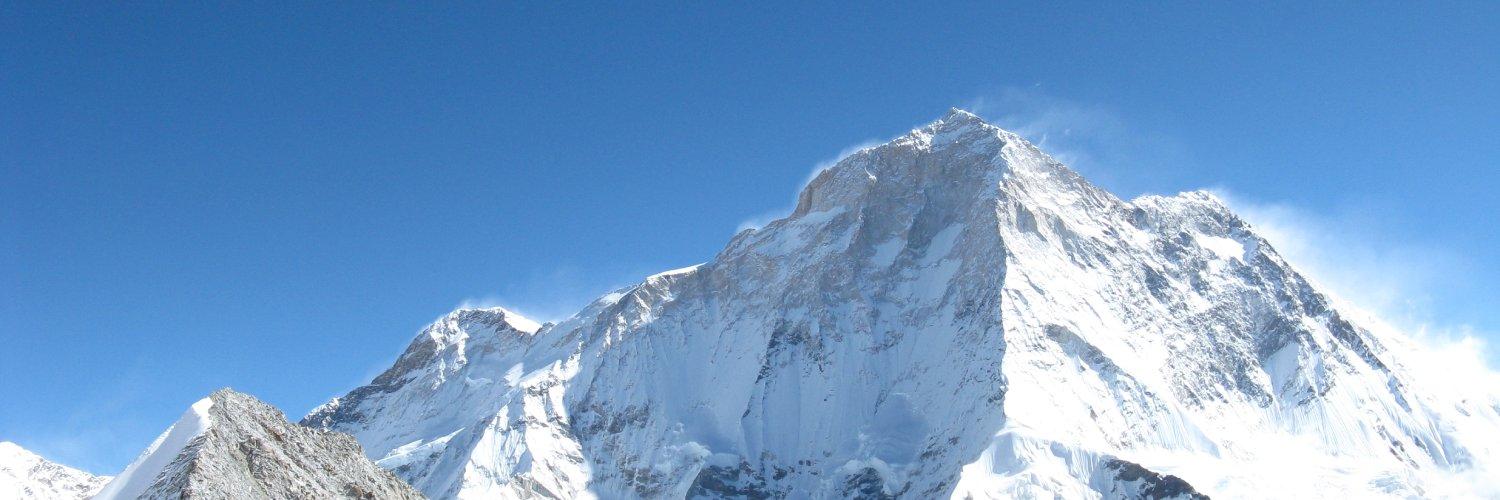
Makalu is the fifth-highest mountain, and its base camp trek is a grueling journey through the Makalu-Barun National Park. You will experience a massive range of biodiversity, from lush tropical forests to the barren Barun Valley.
The challenge lies in the Shipton La (4,210 m) and the relentless "up and down" nature of the trail. The weather in this region is damp and foggy, making the terrain slippery and demanding.
7. Rolwaling Valley & Tashi Laptsa Pass
The Rolwaling Valley is the "Grave of the Giants." It is a deep, narrow valley hemmed in by towering walls of rock. To exit the valley into the Khumbu (Everest) region, you must cross the Tashi Laptsa Pass (5,755 m).
This is arguably the most technical pass in Nepal. It involves glacier walking and potential rockfall zones. Only those with mountaineering experience should attempt this transition.
8. Manaslu Circuit with Tsum Valley
While the Manaslu Circuit is becoming more popular, adding the Tsum Valley extension turns it into a long-haul endurance test. You’ll trek through the "Hidden Valley of Happiness" before tackling the Larkya La Pass (5,106 m).
The pass is notorious for its long, grueling descent into Bimthang, which can take an entire day of navigating loose scree and snow.
9. Limi Valley Trek - The Wild West
Located in the Humla district, the Limi Valley trek takes you to the northwestern tip of Nepal. It is one of the few places where you can still see the traditional Tibetan way of life completely untouched by modernity.
The trek involves high passes like Nyalu La (4,990 m) and requires a long, expensive flight to Simikot. The isolation here is total.
10. Lumba Sumba Pass Trek
This trek connects the Kanchenjunga and Makalu regions. It is a bridge between two of the world’s highest peaks. The Lumba Sumba Pass (5,177 m) is the highlight, offering a rare view of both Everest and Kanchenjunga simultaneously.
The trail is largely exploratory, meaning paths are often faint or non-existent. You are essentially forging your own way through the eastern Himalayas.
Preparing for the Challenge: Best Heritage Expert Advice
As a trekking guide, I often tell my clients: "The mountain doesn't care how many marathons you've run." High-altitude trekking is about pacing and preparation.
1. Physical Conditioning
You need more than just cardio. Focus on weighted hiking. Practice walking for 6-8 hours with a 10 kg pack. Strengthen your core and your stabilizer muscles (knees and ankles) to handle the uneven moraine.
2. Mental Readiness
On day 15 of a camping trek, when it’s -10°C outside and you haven't showered in a week, your mind will want to quit. Successful trekkers are those who can find comfort in discomfort.
3. Gear Essentials
Invest in high-quality gear. A 4-season sleeping bag and broken-in, waterproof boots are non-negotiable. At Best Heritage Tour, we provide high-altitude tents and oxygen backup for our most strenuous expeditions, but your personal gear must be top-tier.
4. Altitude Awareness
Acclimatization is the golden rule. We design our itineraries with "rest days" that aren't actually for resting - they are for "climbing high and sleeping low." Never rush a pass.
Conclusion
Navigating the most challenging treks in Nepal requires more than just a map; it requires a legacy of local knowledge. At Best Heritage Tour, we don't just provide guides; we provide Himalayan companions who have grown up in these mountains.
Our team handles the complex logistics - permits for restricted areas, reliable porterage, and nutritional meals - so you can focus on the path ahead. Whether you are aiming for the heights of the Tashi Laptsa or the solitude of Upper Dolpo, we ensure your safety is the highest priority.
Are you ready to redefine your limits?
Phone / WhatsApp / Viber: +977-9851149197 / +977-9810043046
Email: info@bestheritagetour.com / bestheritagetour@gmail.com
Website: www.bestheritagetour.com
Office: Thamel Marg, Kathmandu, Nepal
Author: Best Heritage Tour
Date: 10th April, 2026