
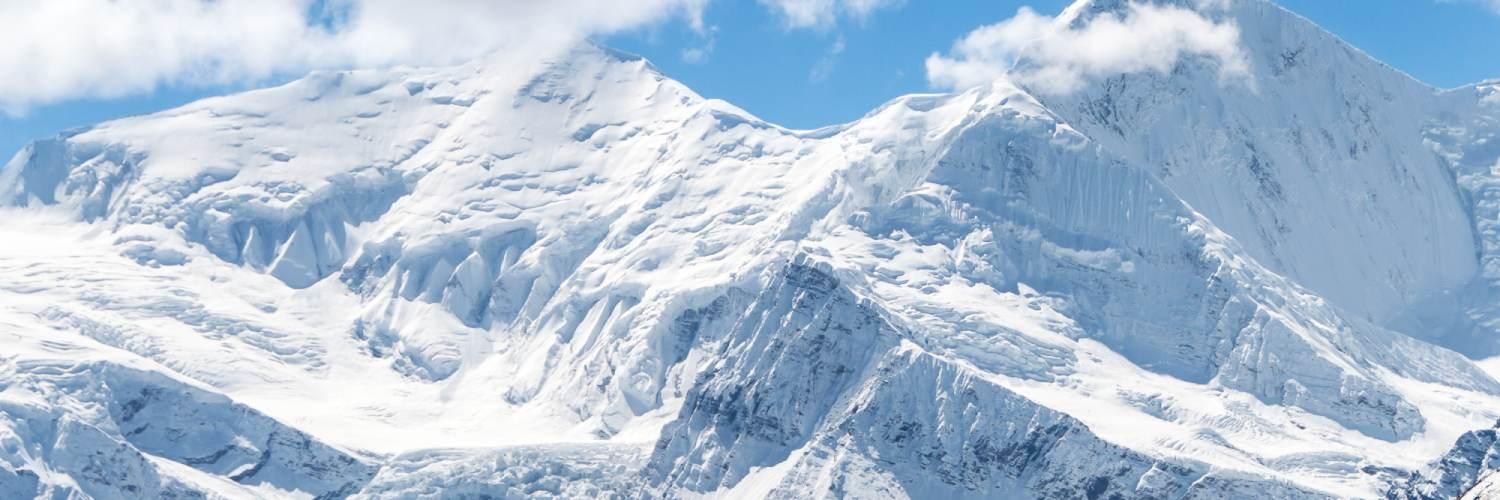
Nepal is not just a destination; it is a profound experience that stays with you long after the mountain dust has been washed from your boots. As a land where the earth reaches for the heavens and ancient traditions breathe in every alleyway, it offers a rare trifecta of experiences: the world’s most formidable peaks, a spiritual tapestry of temples, and a culture that treats every guest as a god.
At Best Heritage Tour, we believe that traveling through Nepal is about more than just checking off landmarks. It is about understanding the soul of the Himalayas. In this guide, we dive deep into the heart of the "Land of Devotion," exploring the major attractions that make Nepal a bucket-list priority for trekkers, travelers, and seekers alike.
1. The Crown Jewels of the Earth: The Mighty Himalayas
The Himalayas are the undisputed protagonists of the Nepali narrative. Stretching across the northern horizon like a jagged spine of ice and stone, these mountains are the primary reason why thousands of trekkers descend upon Nepal every year.
A. Mount Everest and the Sagarmatha National Park
No discussion of Nepal is complete without the "Mother of the World," Mount Everest (8,848.86m). Located within the Sagarmatha National Park - a UNESCO World Heritage Site - this region is a sanctuary for biodiversity and Sherpa culture.
For many, the Everest Base Camp (EBC) Trek is the ultimate pilgrimage. It isn't just about the altitude; it’s about the journey through Namche Bazaar, the "Gateway to Everest," where the air is thin but the hospitality is thick. You’ll witness the Tengboche Monastery, framed by the stunning silhouette of Ama Dablam, and walk the same paths as legendary mountaineers.
B. The Annapurna Massif: Diversity in Every Step
While Everest has the fame, the Annapurna Region is often cited by seasoned travelers as the most diverse. The Annapurna Circuit takes you through sub-tropical forests, terraced fields, and eventually the high-altitude desert of Mustang.
-
Poon Hill: For those who want the Himalayan sunrise without a 14-day commitment, the hike to Poon Hill offers a panoramic view of Dhaulagiri and Annapurna South that is nothing short of spiritual.
-
Annapurna Base Camp (ABC): An amphitheater of mountains where you are surrounded 360 degrees by 7,000 and 8,000-meter peaks.
C. Langtang Valley: The Valley of Glaciers
Often overshadowed by its bigger neighbors, the Langtang Valley is the closest Himalayan trekking region to Kathmandu. It offers a raw, intimate look at Tamang culture and resilient mountain communities. The trek to Kyanjin Gompa provides views of Langtang Lirung that rival any in the country.
2. A Living Museum: The Temples and Heritage of Kathmandu Valley
If the mountains are Nepal's body, the Kathmandu Valley is its soul. The valley is home to seven UNESCO World Heritage sites, all within a small radius, making it one of the densest cultural zones on the planet.
A. The Three Durbar Squares: Kathmandu, Patan, and Bhaktapur
In the medieval era, the valley was divided into three kingdoms. Each competed to build the most exquisite palaces and temples, leaving us with the three "Durbar" (Palace) Squares.
-
Kathmandu Durbar Square: The historical seat of royalty. Here, you might catch a glimpse of the Kumari, the world’s only living goddess, at her intricately carved wooden palace.
-
Patan Durbar Square: Known as the "City of Fine Arts," Patan is a masterpiece of Newari architecture. The Krishna Mandir, built entirely of stone, is a testament to the incredible craftsmanship of the 17th century.
-
Bhaktapur Durbar Square: Entering Bhaktapur is like stepping back in time. The city has banned most vehicle traffic, preserving its medieval atmosphere. Don’t miss the Nyatapola Temple, the tallest pagoda in Nepal, which survived two major earthquakes - a feat of ancient engineering.
B. Pashupatinath: The Sacred Gateway
On the banks of the holy Bagmati River sits Pashupatinath Temple, the most sacred Hindu shrine in Nepal. While non-Hindus cannot enter the main temple, the surrounding complex offers a powerful look at the cycle of life and death. The evening Aarti (fire prayer) is a sensory explosion of bells, incense, and chanting that every traveler should witness.
C. The Great Stupas: Boudhanath and Swayambhunath
-
Boudhanath: One of the largest spherical stupas in the world. The giant eyes of the Buddha watch over a bustling community of Tibetan monks and refugees. Walking clockwise around the stupa (circumambulation) alongside locals spinning prayer wheels is a meditative experience.
-
Swayambhunath (The Monkey Temple): Perched atop a hill, this ancient stupa offers the best sunset views of the Kathmandu skyline. It is a symbol of religious harmony, where Buddhist and Hindu shrines sit side-by-side.
3. Beyond the Peaks: The Spiritual Heart of Lumbini
For those seeking a deeper connection, a journey to the plains of the Terai is essential. Lumbini is the birthplace of Siddhartha Gautama, the Lord Buddha.
Unlike the bustling energy of Kathmandu, Lumbini is a place of profound silence. The Maya Devi Temple marks the exact spot of the Buddha's birth, while the Monastic Zone features monasteries built by various nations, showcasing a global array of Buddhist architecture. It is a destination for reflection, meditation, and peace.
4. The Cultural Fabric: Festivals, Food, and People
At Best Heritage Tour, we believe the "Major Attraction" of Nepal isn't a building or a mountain - it’s the people. Nepal is home to over 125 ethnic groups, each with its own language and traditions.
The Festival Calendar
Nepal is a country that celebrates more days than it works.
-
Dashain and Tihar: The biggest Hindu festivals, celebrating the victory of good over evil with lights, swings, and family gatherings.
-
Holi: The festival of colors, where the streets of Kathmandu and Pokhara become a vibrant canvas of joy.
-
Indra Jatra: A spectacular street festival in Kathmandu featuring masked dances and the chariot procession of the Living Goddess.
A Taste of the Himalayas: Gastronomy
You haven't truly been to Nepal until you’ve sat down for a traditional Dal Bhat. This meal of lentil soup, rice, and vegetable curry is the fuel of the Himalayas.
-
Momo: The unofficial national dish. These steamed dumplings, filled with meat or vegetables and served with spicy tomato chutney, are addictive.
-
Newari Cuisine: In the Kathmandu Valley, try Samay Baji, a platter of beaten rice, smoked meat, and spicy beans that represents the rich culinary heritage of the Newar people.
5. Adventure Capital: Pokhara and the Great Outdoors
While Kathmandu is for history, Pokhara is for relaxation and adrenaline. Sitting on the shores of Phewa Lake, Pokhara offers a stunning reflection of the Machhapuchhre (Fishtail) peak in its waters.
It is the starting point for most Annapurna treks, but it is also a destination in its own right:
-
Paragliding: Soar over the lake with the Himalayas as your backdrop.
-
Boating: A peaceful row across Phewa Lake to the Tal Barahi Temple.
-
The World Peace Pagoda: A hike to this white stupa provides an unrivaled view of the Annapurna range.
Sustainable Travel: Respecting the Heritage
As a premier travel company, we emphasize the importance of Responsible Tourism. Nepal’s beauty is fragile. Whether it’s minimizing plastic use on treks or respecting the sanctity of local temples, how you travel matters.
-
Namaste: More than a greeting, it means "the divine in me bows to the divine in you."
-
Dress Modestly: When visiting temples, ensure your shoulders and knees are covered.
-
Leave No Trace: Ensure that the only thing you leave in the mountains are your footprints.
When to Visit Nepal: The Seasonal Guide
Timing is everything in Nepal. To see the major attractions at their best, you must plan around the monsoon.
|
Season |
Months |
Best For |
|---|---|---|
|
Autumn |
Sept - Nov |
Peak Trekking: Crystal clear skies and festive vibes. |
|
Spring |
March - May |
Nature Lovers: Rhododendrons in bloom and warmer temperatures. |
|
Winter |
Dec - Feb |
Low Altitude Treks: Crisp air, fewer crowds, but cold at night. |
|
Monsoon |
June - Aug |
Cultural Tours: Lush greenery, though mountain views are hidden. |
Conclusion
Nepal is a land of contrasts - where the highest points on earth meet the deepest spiritual traditions. From the adrenaline-pumping heights of the Everest region to the quiet, ancient courtyards of Bhaktapur, every corner of this country tells a story.
At Best Heritage Tour, we don't just organize trips; we curate legacies. Whether you are a solo trekker looking to challenge your limits or a family seeking to immerse yourselves in a different way of life, Nepal has a place for you. The mountains are calling, and the temples are waiting.
Are you ready to witness the magic of Nepal for yourself?
Phone / WhatsApp / Viber: +977-9851149197 / +977-9810043046
Email: info@bestheritagetour.com / bestheritagetour@gmail.com
Website: www.bestheritagetour.com
Office: Thamel Marg, Kathmandu, Nepal
Author: Best Heritage Tour
Date: 4th February, 2026