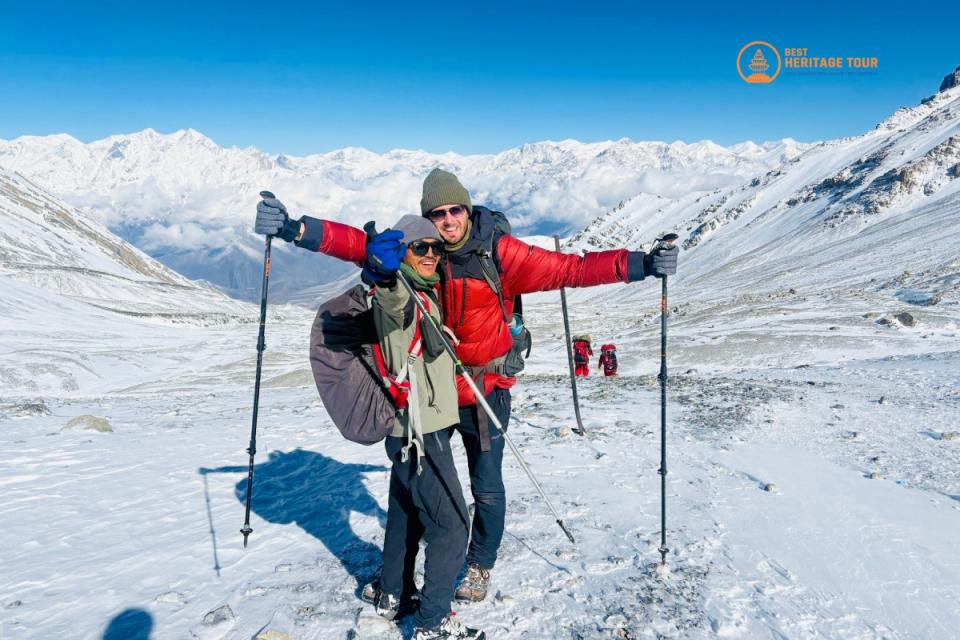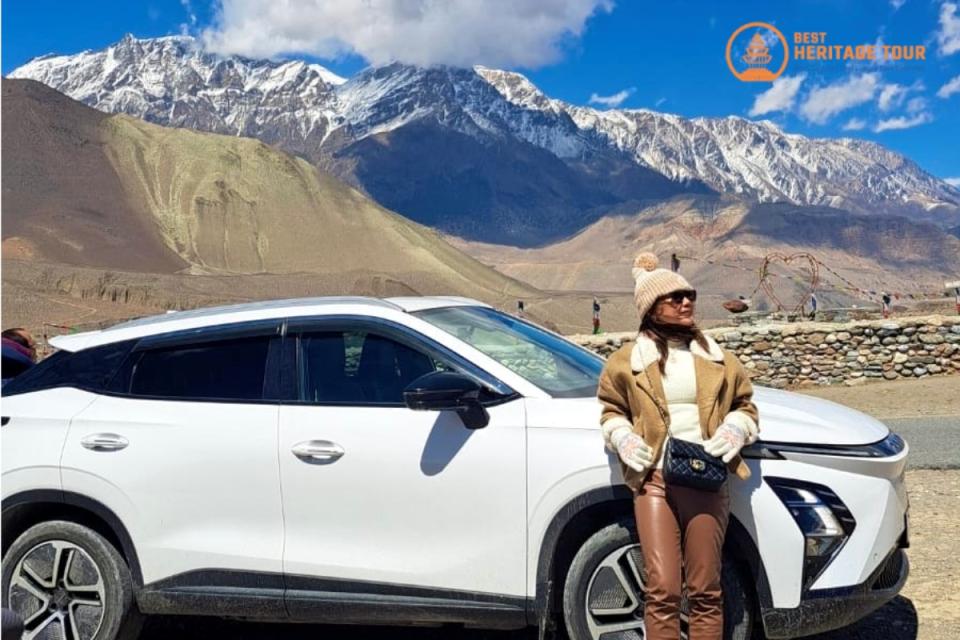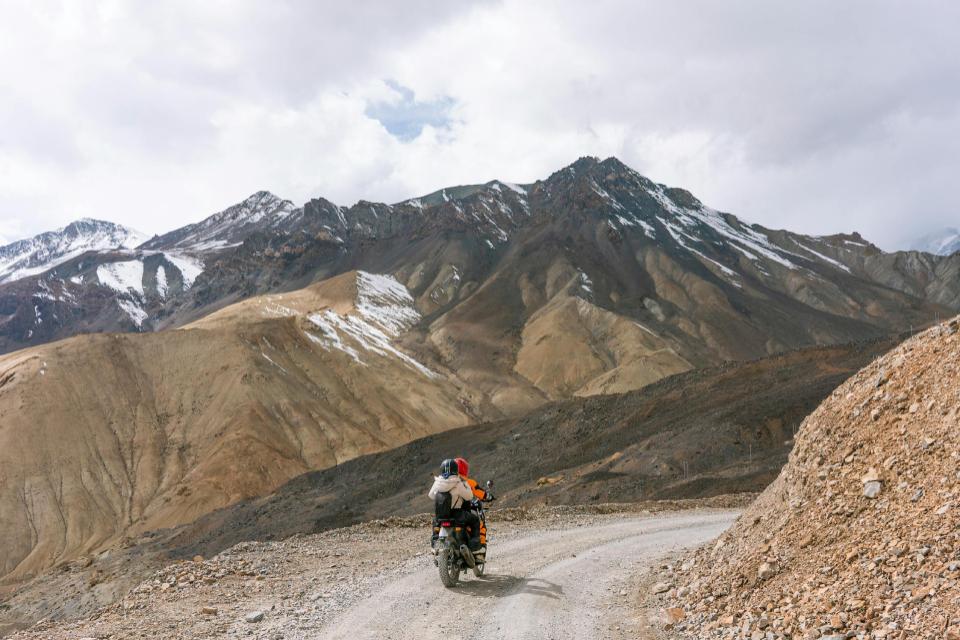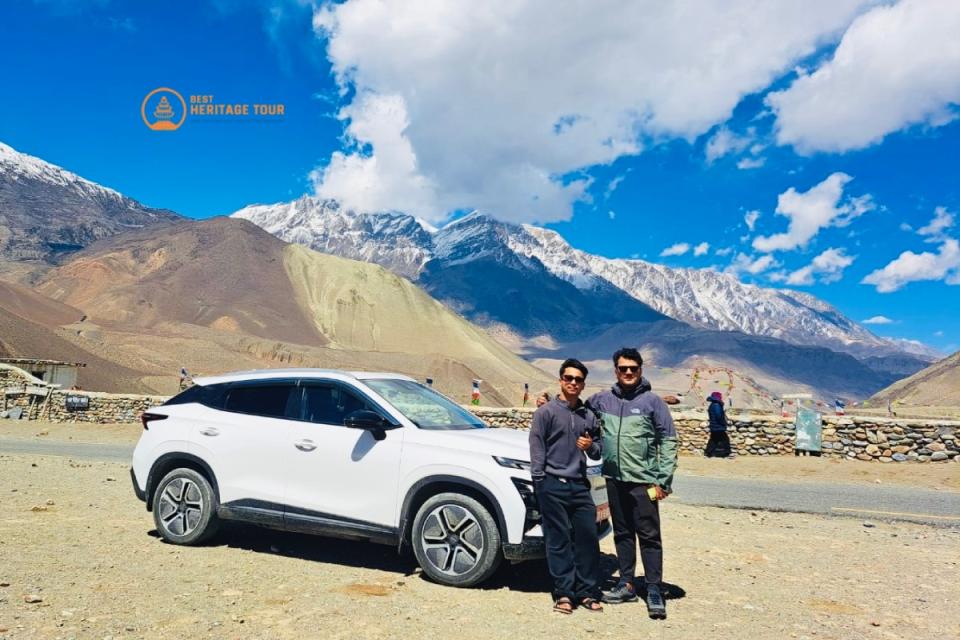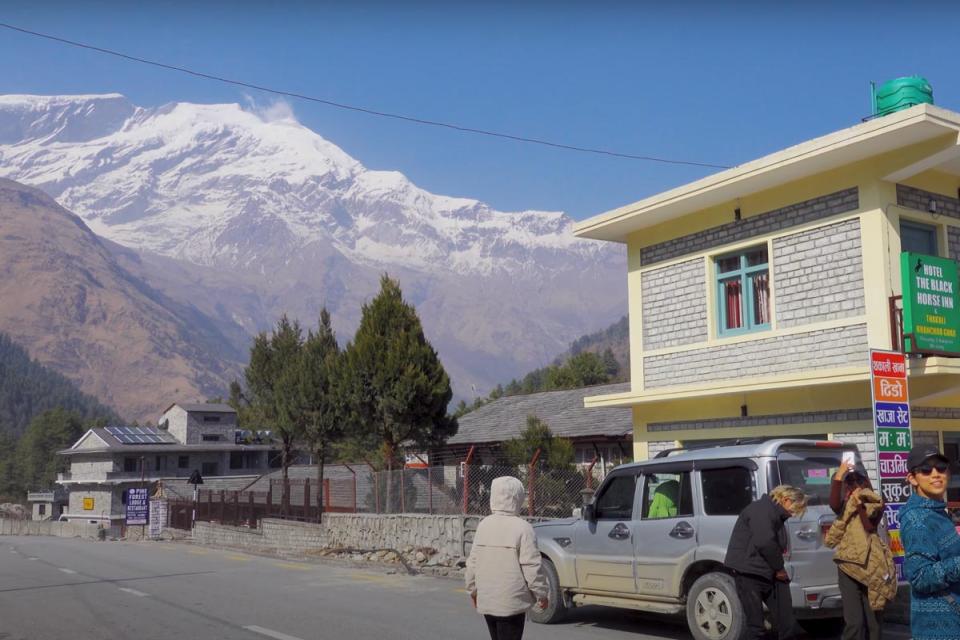
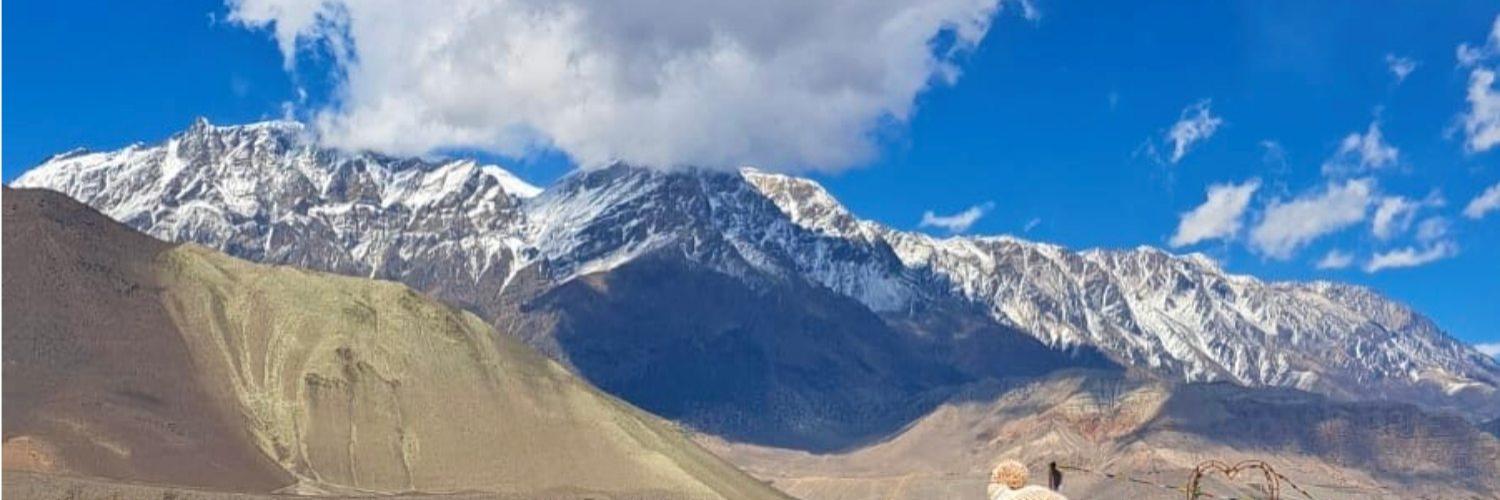
Have you ever stood in a place where the mountains are so tall they block the monsoon clouds, the earth looks like a red-tinted Martian desert, and a fierce, unstoppable wind rushes past you every single afternoon like clockwork?
Welcome to Jomsom - The Windy Valley of Nepal.
Perched at an altitude of 2,720 meters (8,923 feet) in the Mustang district of western Nepal, Jomsom is much more than just a transit town. It is the beating heart of the Lower Mustang region, a gateway to the ancient forbidden Kingdom of Lo Manthang, a spiritual baseline for pilgrims heading to Muktinath, and one of the most geographically fascinating destinations on the planet.
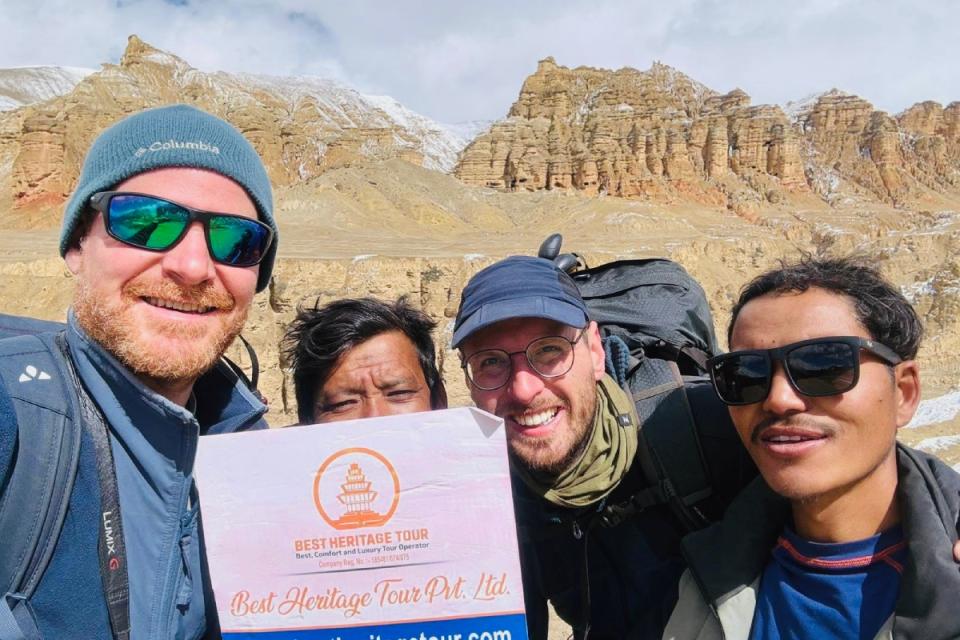
At Best Heritage Tour, we have been guiding intrepid travelers through the rugged terrains of the Himalayas for years. In this comprehensive guide, we will unpack everything you need to know about Jomsom: why it earns its windswept title, its rich cultural heritage, how to get there, and the unforgettable experiences that await you in this Trans-Himalayan paradise.
Why Jomsom is Called the Windy Valley of Nepal
If you speak to any pilot who navigates the short-hop flights from Pokhara to Jomsom, they will tell you one golden rule: never fly into Jomsom after 11:00 AM.
But why Jomsom is called the Windy Valley of Nepal is not just an atmospheric mystery; it is a fascinating display of pure Himalayan geography and thermal physics.
Jomsom sits snugly inside the Kali Gandaki River valley. This valley forms the deepest gorge in the world, flanked by two towering eight-thousand-meter giants: Mount Dhaulagiri (8,167 m) to the west and Mount Annapurna I (8,091 m) to the east.
To the north of Jomsom lies the vast, arid, high-altitude Tibetan Plateau. As the morning sun beats down, this massive, tree-less desert landscape heats up rapidly. The hot air over the plateau expands and rises, creating a massive low-pressure zone. Meanwhile, south of the Annapurna and Dhaulagiri ranges, the air over the lower, greener valleys of Nepal remains relatively cool and high-pressure.
Nature naturally seeks equilibrium. By mid-morning, the dense, cold air from the south rushes violently northward to fill the low-pressure void on the Tibetan Plateau. The only way for this air to travel is through the narrow bottleneck of the Kali Gandaki Gorge.
As this massive volume of air is forced through the tight mountain gap, it undergoes the Venturi effect - gaining immense speed and pressure. By 11:00 AM, a howling, relentless gale sweeps through Jomsom, often reaching speeds of 40 to 50 knots. This predictable, daily atmospheric phenomenon is exactly why travelers globally recognize this region as Jomsom - The Windy Valley of Nepal.
The Cultural Landscape: Home of the Thakali People
Beyond the raw geography, Jomsom is steeped in deep cultural history. For centuries, this valley served as a vital branch of the historic Salt Trade Route between Tibet and India. Traders would herd caravans of yaks laden with Tibetan rock salt down through the gorge, trading it for grain and spices from the lowlands of Nepal.
The custodians of this trade route are the Thakali people, the indigenous inhabitants of the Thak Khola region (Lower Mustang). Known across Nepal for their unmatched hospitality, exceptional cleanliness, and business acumen, the Thakali community has transitioned beautifully from ancient salt merchants to modern lodge owners and hoteliers.
When you travel with us at Best Heritage Tour, we do not just show you the mountains - we immerse you in this living history. In Jomsom, you will walk past traditional white-washed mud-brick houses with firewood neatly stacked on the flat roofs (a symbol of wealth and preparation for the harsh winters), prayer wheels softly turning in the wind, and ancient Buddhist chortens standing guard over the valley.
Top Attractions and Things to Do in and Around Jomsom
Whether you are an adventure trekker, a spiritual seeker, or a leisure traveler, Jomsom acts as a springboard for some of the most unique attractions in the Himalayas.
1. Marpha Village: The Apple Capital of Nepal
Located just an hour's drive or a scenic two-hour walk south of Jomsom is Marpha, arguably one of the most beautiful heritage villages in Nepal. Sheltered from the harshest of the valley winds, Marpha is famous for its stone-paved alleys, immaculate white buildings, and sprawling apple orchards.
Our Insider Culinary Tip: You cannot leave Marpha without trying the local delicacies. Indulge in freshly baked apple crumbles, sip a warm cup of apple cider, and for the bold traveler, sample Marpha Brandy - a potent spirit locally distilled from apples, apricots, or peaches.
2. Kagbeni: The Medieval Gateway to Upper Mustang
Heading north from Jomsom along the windy Kali Gandaki riverbed brings you to Kagbeni (2,800 m). Kagbeni feels like stepping backward through time. It features a labyrinth of dark mud-brick tunnels, an ancient clay-red monastery (Kag Chode Thupten Samphel Ling Gompa founded in 1429), and primitive protective earthen statues known as Kheni (Ghost Eaters). Kagbeni is also the official checkpoint where the restricted area of Upper Mustang begins.
3. The Sacred Muktinath Temple
For thousands of Hindu and Buddhist pilgrims, Jomsom is the essential gateway to Muktinath (3,762 m), known to Hindus as Mukti Kshetra (the place of liberation or salvation). Situated at the base of the Thorong La mountain pass, this sacred site features a pagoda-style temple dedicated to Lord Vishnu, 108 brass water spouts shaped like bull heads, and the Jwala Mai temple, where a natural gas jet produces a perpetual flame burning directly on top of a water spring - symbolizing the miraculous coexistence of earth, air, fire, and water.
4. Fossil Hunting for Shaligrams
As you walk along the wide, gray riverbed of the Kali Gandaki near Jomsom, look down closely at the stones. You might just stumble upon a Shaligram. These are black, rounded ammonite fossils dating back 140 to 240 million years to the Jurassic period, when the entire Himalayan mountain range was actually the floor of a prehistoric ocean called the Tethys Sea. To Hindus, these fossils are sacred, non-anthropomorphic representations of Lord Vishnu.
Best Time to Visit Jomsom
Because Jomsom lies in the rain shadow zone created by the Annapurna and Dhaulagiri mountain massifs, it does not experience the heavy summer monsoon rains that drench the rest of Nepal. This makes it a rare, viable year-round destination, though specific seasons offer optimal conditions.
|
Season |
Months |
Avg. Daytime Temp |
What to Expect |
Best For |
|---|---|---|---|---|
|
Spring |
March - May |
15℃ to 22℃ |
Clear blue skies, blooming wildflowers in the lower valleys, excellent mountain visibility. |
Trekking, Sightseeing, Photography |
|
Autumn |
September - November |
12℃ to 18℃ |
Crisp air, absolute peak clarity, harvesting season in the apple orchards. |
High-Altitude Trekking, Festivals |
|
Monsoon |
June - August |
20℃ to 25℃ |
Occasional light rain. The valley is accessible, but transport from Pokhara can face weather delays. |
Rain-shadow trekking (Upper Mustang) |
|
Winter |
December - February |
2℃ to 10℃ |
Freezing nights, snow-dusted landscapes, very quiet trails. |
Solitary travelers, budget options |
Navigational Guide: How to Reach Jomsom
Reaching the Windy Valley is an adventure in itself. Depending on your budget, time constraints, and craving for adventure, there are two primary routes starting from the lakeside city of Pokhara.
Option A: The Scenic Mountain Flight (Fast & Dramatic)
The quickest way to reach Jomsom is a 20-to-25-minute flight from Pokhara Airport. This is not your average commercial flight; it is a thrilling aerial safari. The twin-otter aircraft flies directly through the Kali Gandaki Gorge, with the snow-capped walls of Annapurna and Dhaulagiri practically brushing past your window.
-
Crucial Travel Note: Because of the intense daily afternoon winds we explained earlier, all flights to Jomsom operate exclusively between 6:00 AM and 10:00 AM. Flights are highly weather-dependent, and delays or cancellations are common if cloud cover or early winds disrupt the gorge. At Best Heritage Tour, we always advise our guests to keep a buffer day in their itinerary for this exact reason.
Option B: Overland Road Journey by Jeep or Bus (The Rugged Adventure)
If you prefer to keep your feet on terra firma, or if flights are grounded, the overland journey from Pokhara to Jomsom is an unforgettable road trip. The route covers roughly 158 kilometers along the Beni-Jomsom Highway.
While infrastructure developments have significantly improved and paved large sections of this highway, it remains a rugged, bumpy mountain road carved directly into vertical cliffs. The drive takes anywhere from 6 to 9 hours via private 4WD Scorpio Jeep or local public bus. Along the way, you will pass through cascading waterfalls (including the famous Rupse Waterfall), lush subtropical forests, and the deep, rocky riverbeds of the high desert.
Essential Travel Tips for Trekkers and Tourists
To ensure your journey through Jomsom is smooth, safe, and respectful of local ecosystems, keep these professional tips in mind:
-
Pack Windproof Gear: It cannot be stressed enough - when the mid-day wind arrives, the temperature drops rapidly, and airborne dust kicks up. Always carry a high-quality, windproof jacket, a buff or scarf to cover your face, and wraparound sunglasses to protect your eyes.
-
Acclimatize Gradually: At 2,720 meters, Jomsom is the threshold where altitude sickness (Acute Mountain Sickness) can occasionally cause mild symptoms like headaches or dizziness, especially if you fly in directly from Pokhara (820 m). Stay well-hydrated, avoid alcohol on your first day, and let your body adapt.
-
Secure the Right Permits: Jomsom sits within the Annapurna Conservation Area (ACA). You will need to obtain an Annapurna Conservation Area Project (ACAP) permit and a Trekkers' Information Management Systems (TIMS) card. If you plan to travel further north past Kagbeni into Upper Mustang, a specialized Restricted Area Permit (500 USD for 10 days) is mandatory.
-
Carry Indian Rupees or Nepalese Cash: While some upscale lodges in Jomsom accept digital payments, card machines are notorious for losing satellite connection due to the weather. ATMs can run out of cash. Carry sufficient Nepalese Rupees (NPR) to cover your personal expenses, tipping, and souvenirs.
Conclusion
Jomsom - The Windy Valley of Nepal is a landscape of stark contrasts. It is a place where the fierce, roaring winds meet the profound silence of ancient monasteries, where barren, desert cliffs are framed by blinding white peaks, and where a simple bowl of authentic Thakali Dal Bhat feels like a royal feast after a long day on the trail. It is an essential pilgrimage for anyone wishing to experience the true diversity of Nepal's geography and soul.
Planning an expedition to a region as dynamic and weather-dependent as Mustang requires local expertise, flawless logistics, and deep-rooted community connections. That is exactly where we come in. At Best Heritage Tour, we curate tailor-made cultural journeys, overland jeep safaris, and trekking itineraries designed around your comfort, safety, and curiosity. Let our experienced local guides navigate the winds while you capture the memories.
Ready to Experience the Magic of Jomsom? Contact Us Today!
Phone / WhatsApp / Viber: +977-9851149197 / +977-9810043046
Email: info@bestheritagetour.com / bestheritagetour@gmail.com
Website: www.bestheritagetour.com
Office: Thamel Marg, Kathmandu, Nepal
Author: Best Heritage Tour
Date: 21st May, 2026