The global travel landscape is shifting rapidly. Trekkers, travelers, and tourists alike are chasing a singular, elusive commodity: true authenticity. As classic trails become more crowded and commercialized, an urgent question echoes across the global hiking community: Is Nar Phu Valley Trek Worthy in 2027?
As a professional travel company rooted in the heart of the Himalayas, we at Best Heritage Tour have monitored this trail for decades. Tucked away within the rugged folds of the Annapurna region, the twin medieval villages of Nar and Phu offer a portal to an ancient, untouched world.
If you are planning your next grand Himalayan adventure, this comprehensive guide provides the definitive, data-driven answer on why a Nar Phu Valley Trek in 2027 deserves a spot at the very top of your bucket list.
Where is Nar Phu Valley? Mapping the Forbidden Kingdom
To understand the sheer allure of this destination, we must first answer a fundamental logistical question: Where is Nar Phu Valley?
Geographically, the Nar Phu Valley is located within the Manang District of north-central Nepal, sitting quietly between the world-famous Annapurna and Manaslu ranges. It rests in a rain-shadow zone near the Tibetan border, which grants it a unique, arid landscape heavily reminiscent of the Tibetan plateau.
The route splits cleanly from the standard Annapurna Circuit at the small village of Koto, just beyond Chame. While 95% of trekkers continue straight along the Marshyangdi River toward Manang, those bound for Nar Phu cross a suspension bridge, entering a steep, narrow, and forested canyon that instantly cuts off the modern world.
Why Trek to Nar Phu Valley? The 2027 Perspective
The Annapurna Circuit has changed significantly over the years due to road expansion. This evolution makes the question of why trek to Nar Phu Valley more relevant than ever. For adventurers looking for a raw, foot-travel-only experience, Nar Phu stands out as an exceptional alternative.
Here is why this hidden valley is an essential trek for 2027:
1. The Raw Authenticity of Restricted Area Status
The Government of Nepal designates Nar Phu as a Restricted Area, requiring a special Restricted Area Permit (RAP) and a mandatory licensed guide to enter. By controlling the flow of tourism, the valley has successfully resisted commercialization. There are no roads here. Life moves at the same steady pace it has for centuries, dictated by the seasons, yak herding, and barley harvests.
2. A Living Museum of Pure Tibetan Culture
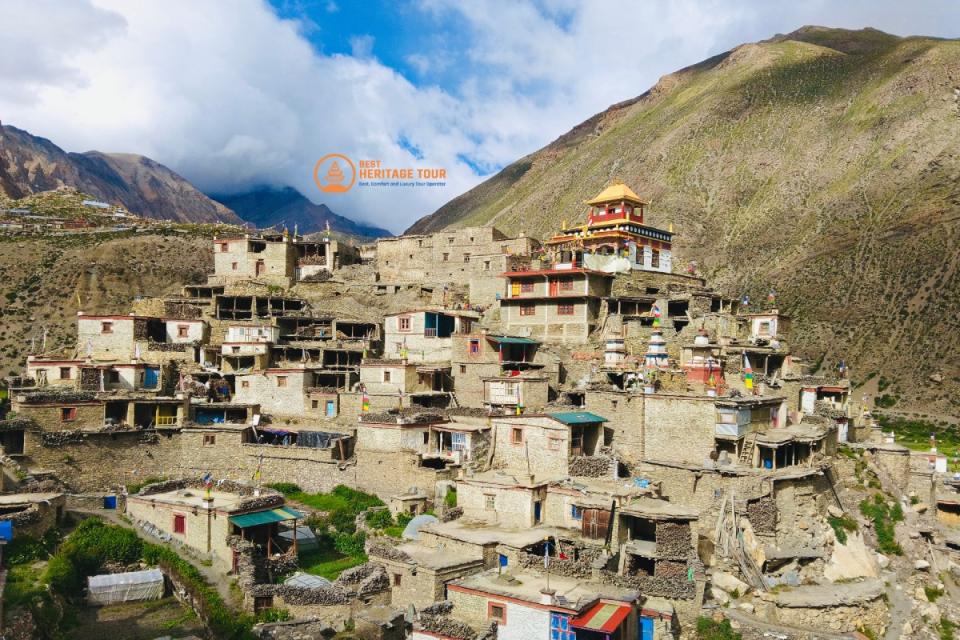
The residents of Nar and Phu - known as the Narpa people - have preserved their unique dialect, heritage, and deep spiritual traditions. Walking past the historic spinning prayer wheels, towering mani walls, and ancient chortens feels like stepping into a living museum. You will witness a form of Tibetan Buddhism that remains deeply integrated into daily life.
3. The Dramatic Contrast of Landscapes
The trail transitions from the lush, subtropical forests and roaring waterfalls near Koto into deep, vertical rock canyons. As you ascend, these canyons open up into wide, wind-scoured, alpine valleys framed by snow-capped peaks like Himlung Himal (7,126 m), Kang Guru (6,981 m), and Annapurna II (7,937 m).
4. The Challenge of the Mighty Kang La Pass
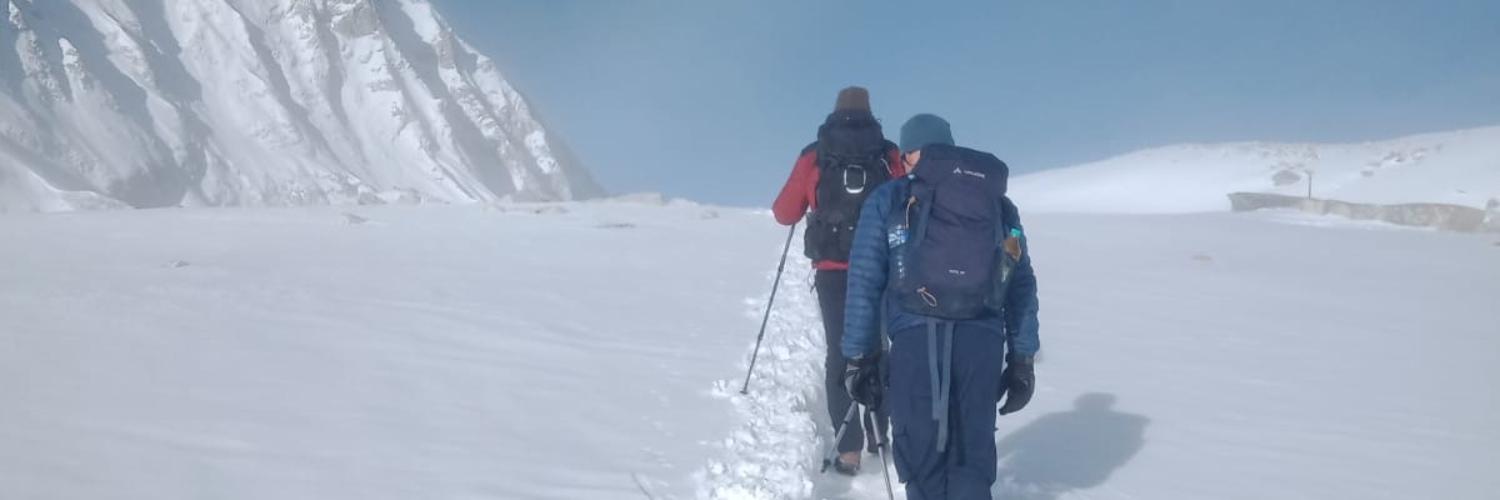
For serious trekkers, the ultimate physical reward is crossing the Kang La Pass at 5,320 meters. The climb demands stamina, but it rewards you with an uninterrupted panorama of the entire Annapurna massif before dropping you right back into the classic trail at Ngawal.
The Core Debate: Is Nar Phu Valley Trek Worthy in 2027?
To provide an objective perspective, let’s look closely at the balance between the investment required and the experience delivered for a Nar Phu Valley Trek in 2027.
The Challenges (The Cost of Remoteness)
-
Strict Permit Requirements: You cannot trek here solo. The government mandates a minimum of two trekkers per group and a registered guide.
-
Strenuous Trekking Conditions: This is a physically demanding journey. The trails are steep, the canyons can feel isolating, and the high altitude requires proper acclimatization.
-
Basic Tea House Amenities: Unlike the luxury lodges found in Everest or lower Annapurna, the teahouses here are simple, rustic, and offer basic communal facilities.
The Rewards (The Return on Investment)
-
Crowd-Free Trails: You can hike for hours without seeing another western traveler, a rare luxury in today's global trekking hotspots.
-
The Majestic Monasteries: Visiting the historic Tashi Lhakhang Gompa in Phu or staying overnight near the peaceful Nar Phedi Monastery offers a deep, reflective spiritual experience.
-
The Wilderness Experience: The region remains a sanctuary for rare Himalayan wildlife, including blue sheep, musk deer, and the elusive snow leopard.
The Verdict
If your goal is a casual stroll with Wi-Fi at every stop, this trek might not be for you. But if you seek a genuine adventure that tests your limits and rewards you with untouched cultures and pristine landscapes, Nar Phu Valley is absolutely worthy in 2027.
Quick Reference: Cost, Logistics, and Facts
Planning an expedition of this scale requires precise data. Our team has compiled this clear reference table to help you plan your itinerary:
|
Feature / Metric |
Essential Trekking Details |
|---|---|
|
Maximum Altitude |
5,320 m / 17,454 ft (Kang La Pass) |
|
Trek Difficulty |
Strenuous / Demanding |
|
Best Seasons |
Spring (March to May) & Autumn (September to November) |
|
Mandatory Permits |
Restricted Area Permit (RAP) & Annapurna Conservation Area Permit (ACAP) |
|
Restricted Area Permit Cost |
Autumn: $100/week |
|
Minimum Group Size |
2 Trekkers + 1 Government-Licensed Guide |
|
Accommodation Type |
Traditional, community-run Tibetan Teahouses |
A Glimpse into the Trail: Our Signature 13-Day Itinerary
To help visualize the journey, here is how we structure our standard 13-day itinerary to balance safety, steady acclimatization, and cultural exploration:
-
Day 1: Arrival in Kathmandu (1,350 m) - Welcome dinner and comprehensive pre-trip briefing.
-
Day 2: Drive from Kathmandu to Dharapani (1,860 m) - A scenic drive through lush hills along the Prithvi Highway, transitioning to a rugged jeep trail.
-
Day 3: Trek from Dharapani to Koto (2,600 m) - Walking along the entry paths of the Annapurna Circuit, surrounded by pine forests.
-
Day 4: Koto to Meta (3,560 m) - Leaving the main trail to enter the restricted river canyon, climbing steadily to the clearing of Meta.
-
Day 5: Meta to Phu Village (4,080 m) - A trek past unique chortens and through carved rock canyons, culminating in the entrance to the ancient, stone-built village of Phu.
-
Day 6: Exploration Day in Phu Village - A day dedicated to resting, exploring the historic Tashi Lhakhang Monastery, and taking in views of Himlung Himal.
-
Day 7: Phu to Nar Phedi Monastery (3,490 m) - Descending back down the valley to stay in the peaceful, communal atmosphere of the Nar Phedi Monastery.
-
Day 8: Nar Phedi to Nar Village (4,110 m) - A short but steep climb up to Nar Village, which reveals a lively, amphitheater-style agricultural community.
-
Day 9: Nar Village to Ngawal (3,660 m) via the Kang La Pass (5,320 m) - An early morning push to the top of the pass for views of the Annapurnas, followed by a descent into Ngawal.
-
Day 10: Ngawal to Manang Village (3,540 m) - Rejoining the classic circuit trail to explore the vibrant high-altitude hub of Manang.
-
Day 11: Manang to Besisahar via Jeep - A scenic drive back down along the Marshyangdi river valley.
-
Day 12: Drive from Besisahar to Kathmandu - Returning to the capital for a farewell dinner and celebration.
-
Day 13: Final Departure - Direct transfer to Tribhuvan International Airport for your journey home.
Expert Preparation Tips for Your 2027 Expedition
Success on this challenging high-altitude route depends entirely on your preparation. Keep these essential tips in mind:
1. Build Cardiovascular Endurance Early
Start training at least three to four months before your departure. Focus on consistent cardiovascular conditioning, strength training, and weekend hikes with a weighted backpack to prepare your body for consecutive long days on the trail.
2. Pack for Extreme Temperature Shifts
The climate varies greatly across the route. You will sweat in t-shirts in the humid valleys near Koto, but face freezing winds below zero at the top of Kang La Pass. Layering is key: bring high-quality Merino wool base layers, an insulating fleece, and a heavy down jacket rated for high-altitude conditions.
3. Carry Extra Cash Resources
The Nar Phu Valley operates entirely on a cash economy. There are no ATMs beyond Besisahar, and local teahouses do not accept credit cards or digital payments. Make sure to exchange sufficient Nepalese Rupees (NPR) in Kathmandu to cover personal snacks, hot showers, charging fees, and tips for your crew.
Conclusion
The Nar Phu Valley remains one of the few places where you can experience the true, untouched essence of the Himalayas. Its combination of wild landscapes, preserved culture, and quiet trails makes it an exceptional choice for adventurers in 2027.
Planning a trip into a restricted area requires careful coordination, local knowledge, and strict adherence to safety guidelines. At Best Heritage Tour, we handle all the details - from securing your specialized permits to pairing you with experienced, licensed guides who know these mountains intimately.
Are you ready to step beyond the ordinary maps? Get in touch with our team today to start planning your custom itinerary.
Contact Best Heritage Tour
Phone / WhatsApp / Viber: +977-9851149197 / +977-9810043046
Email: info@bestheritagetour.com / bestheritagetour@gmail.com
Website: www.bestheritagetour.com
Office: Thamel Marg, Kathmandu, Nepal
Author: Best Heritage Tour
Date: 17th May, 2026