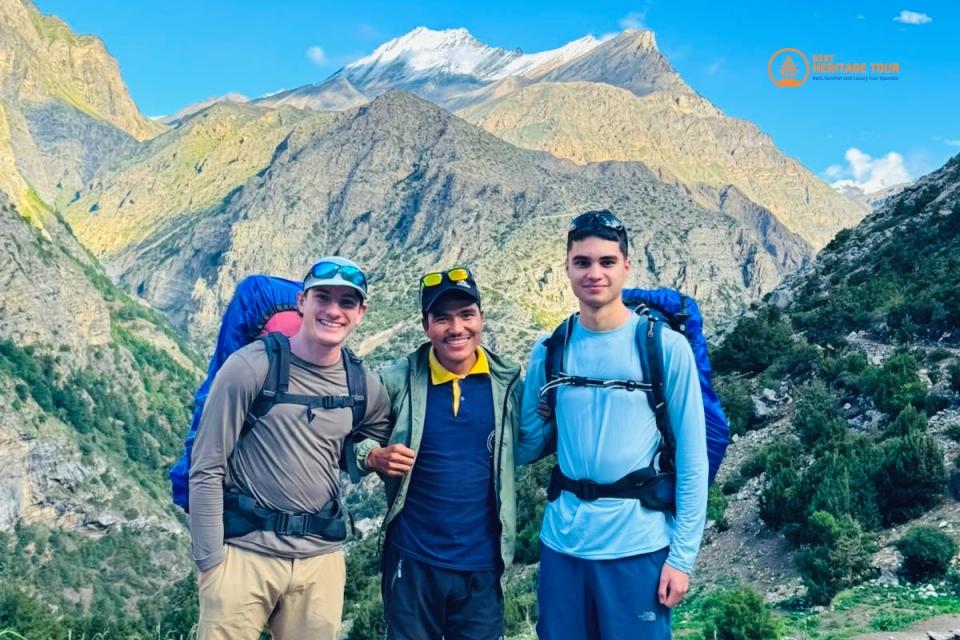
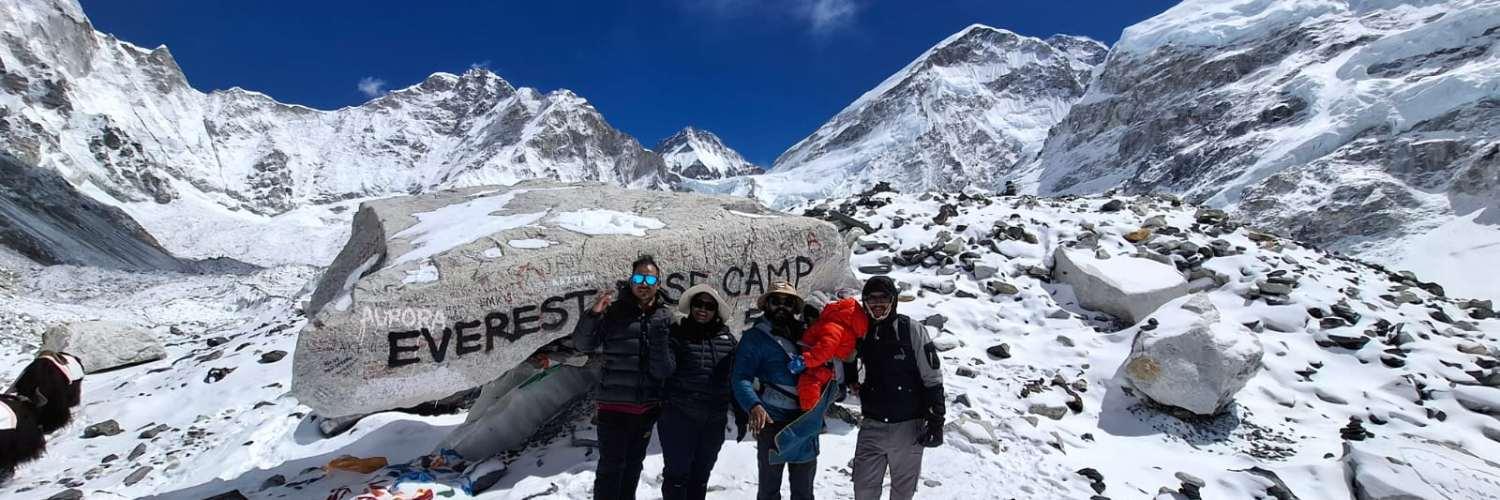
Monsoon season in Nepal (June to September) transforms the Himalayas into a lush, emerald paradise. The waterfalls roar with life, the valleys are blanketed in vibrant wild blossoms, and the popular trekking trails - usually bustling with crowds - offer a serene, isolated sanctuary for the intrepid traveler.
At Best Heritage Tour, we believe that off-season trekking offers some of the most authentic, raw experiences Nepal has to offer. However, venturing into the Himalayas during the rainy season requires specific preparation. Beyond the muddy trails and misty views, there is one tiny, slithering challenge every monsoon trekker must face: leeches (Juka).
If you are planning an off-season adventure, you are probably wondering how to prevent from leeches while trekking in Nepal? Fear not. Leeches are a minor annoyance rather than a dangerous threat, and with the right strategies, you can enjoy your trek entirely bite-free.
In this comprehensive guide, our experienced local guides share their time-tested tips to avoid leeches during trek settings, explain the science behind these little critters, and tell you exactly what to do if leeches bite while trekking in Nepal.
Understanding the Enemy: The Himalayan Monsoon Leech
Before hitting the trail, it helps to understand what you are up against. The leeches found on Nepal’s trekking routes are terrestrial (land) leeches. They don’t swim in lakes; instead, they sit on damp leaves, low-hanging bushes, wet grass, and rocks, waiting for a warm-blooded host to brush past.
Where and When Are They Most Active?
-
The Altitude Zone: Leeches thrive in warm, humid conditions. You will primarily encounter them in the sub-tropical forests and lower foothills, generally between 800 meters to 2,500 meters (2,600 to 8,200 feet). Once you cross the tree line into high-altitude zones, they disappear.
-
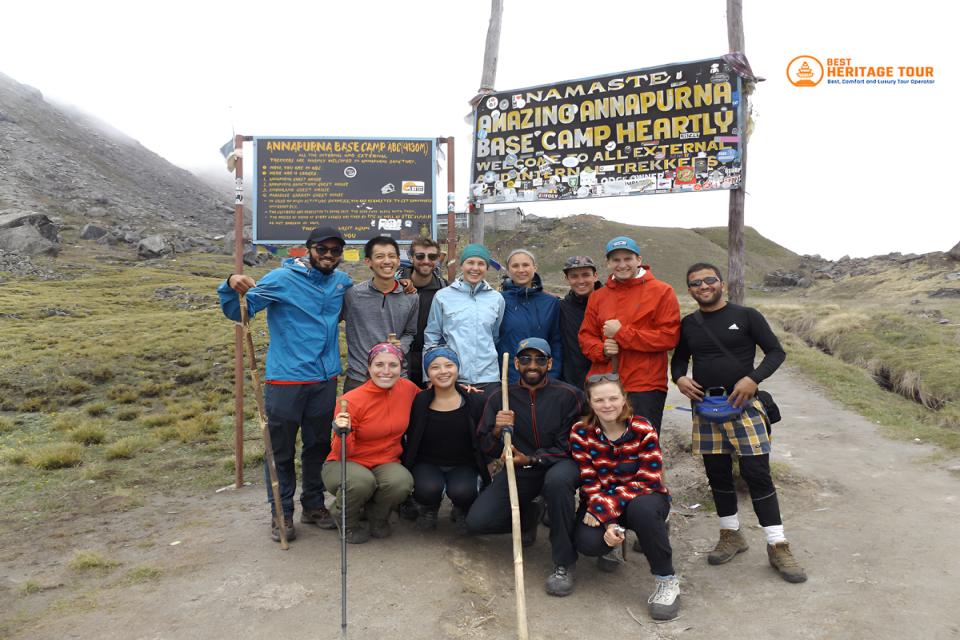
Favorite Haunts: Wet forests, shaded river valleys, and dense bamboo thickets (such as the lower sections of the Annapurna Base Camp trek or the Langtang Valley trek).
-
Weather Triggers: They are highly active during light drizzle, foggy afternoons, and immediately after a heavy downpour when the ground is damp.
How to Prevent From Leeches While Trekking in Nepal?
Prevention is your best line of defense. By creating physical and chemical barriers, you can prevent leeches from ever making contact with your skin. Here is how our team at Best Heritage Tour prepares our clients for monsoon departures.
1. Master Your Trekking Wardrobe (Physical Barriers)
Leeches are opportunistic; they look for gaps in your clothing. To stop them, you need to seal those gaps:
-
Tuck Everything In: Tuck your trekking shirt into your pants, and crucially, tuck your trekking pants into your socks. It might not look like a high-fashion statement, but it creates an impenetrable barrier against ground-dwelling leeches.
-
Wear Leech Socks: These are specialized, tightly woven cotton/polyester over-socks that go over your regular socks and tie just below the knee. They are incredibly effective and can be easily purchased in Kathmandu or Pokhara before your trek.
-
Invest in Gaiters: Breathable, waterproof trekking gaiters cover the gap between your boots and lower trousers, preventing leeches from crawling into your shoelace eyelets or up your legs.
2. Use Chemical Deterrents (The Local & Modern Armoury)
Leeches have incredibly sensitive chemical receptors. You can use this to your advantage by applying scents and substances they absolutely despise.
-
DEET-Based Insect Repellents: High-concentration DEET sprays applied to your boots, socks, and lower pants work exceptionally well. Reapply every few hours, especially after walking through wet brush.
-
The Local Solution: Salt and Mustard Oil: This is the ultimate Nepali guide secret. Before heading out, mix common table salt with pure mustard oil and rub it onto your boots and gaiters. The oil helps the salt stick, and leeches will instantly drop off if they touch a salty surface.
-
The Tobacco Pouch (Khaire): Another brilliant local technique involves wrapping chewing tobacco (khaini) or raw tobacco leaves in a small piece of mesh or thin cloth, dipping it in water, and rubbing the tobacco juice onto your footwear. The nicotine acts as a powerful natural deterrent.
-
Eucalyptus or Tea Tree Essential Oils: If you prefer a natural approach, spraying a concentrated mixture of water and tea tree or eucalyptus essential oil on your gear provides a fragrant, leech-repelling shield.
Crucial Tips to Avoid Leeches During the Trek
Your behavior on the trail matters just as much as what you wear. When guiding our off-season groups, our experts always emphasize these tactical trail rules:
Avoid Resting on the Ground
When you need a break, do not sit directly on damp grass, mossy logs, or stone steps in the forest. These are prime ambush spots. Instead, look for dry, exposed rocks in direct sunlight, or wait until you reach a tea house.
Keep Moving Through Dense Vegetation
If a section of the trail is overgrown with bushes pressing in from both sides, don't linger. Walk at a steady pace, keep your hands tucked close to your body, and avoid brushing against the foliage with your bare skin.
Conduct Regular "Buddy Checks"
Every 30 to 45 minutes, perform a quick visual inspection of your partner's lower legs, and have them do the same for you. Catching a leech while it is still crawling on the outside of your boot takes two seconds to fix; finding it later after it has crawled inside is much less pleasant.
What to Do if Leeches Bite While Trekking in Nepal?
Despite your best efforts, the relentless nature of monsoon trekking means you might occasionally find a leech that successfully bypassed your defenses. First rule of the trail: Do not panic.
Leeches do not carry tropical diseases like malaria or dengue, and their bites are completely painless because their saliva contains a natural anesthetic. You usually won't even know they are there until you see a spot of blood.
If you find a leech actively feeding on you, here is exactly what to do:
Do NOT Pull It Off Forcefully
Your instinct will be to rip it off. Resist this urge. If you pull a feeding leech off aggressively, its microscopic, saw-like teeth can break off and remain embedded under your skin. This can cause localized irritation, swelling, and a secondary bacterial infection.
The Safe Detachment Methods
Instead of pulling, use one of these safe, painless methods to make the leech detach voluntarily:
|
Method |
How to Apply It |
|---|---|
|
The Salt Flick |
Sprinkle a pinch of common table salt directly onto the leech. It will immediately shrivel and drop off. |
|
The Hand Sanitizer / Alcohol Wipe |
Dab a bit of alcohol-based hand sanitizer or a medical alcohol prep pad onto the leech. |
|
The Insect Repellent Spray |
Give the leech a direct squirt of your DEET repellent spray. |
|
The Finger Nail Slide |
If you don't have supplies handy, find the leech's narrow head end. Place your fingernail flat against your skin right next to it, and gently slide it under the sucker to break the vacuum seal, then quickly flick it away. |
How to Treat the Bite Post-Detachment
Leech saliva contains hirudin, a powerful anticoagulant that prevents blood from clotting. Because of this, a leech bite will bleed freely for quite some time after the leech is gone. This is entirely normal and actually helps flush out the wound.
-
Clean the Area: Wash the bite thoroughly with clean water and soap, or use an antiseptic wipe.
-
Apply Pressure: Place a clean tissue or gauze pad over the bite and apply firm pressure until the bleeding slows down.
-
Bandage It: Apply an antibacterial cream (like Neosporin) and cover it with a sterile adhesive bandage to keep dirt out while you finish the day's trek.
-
Resist the Itch: As the bite heals over the next few days, it will become incredibly itchy - much like a mosquito bite. Apply hydrocortisone cream or calamine lotion, and do not scratch it, as scratching opens the door to trail bacteria.
Recommended Monsoon Trekking Routes with Lower Leech Presence
If you love the idea of off-season travel but want to minimize your encounters with wet forests altogether, our itinerary designers at Best Heritage Tour recommend exploring Nepal’s spectacular rain-shadow regions.
These areas lie behind the main Himalayan range, meaning they are shielded from the heavy Indian Ocean monsoon rains. They remain dry, arid, culturally vibrant, and completely free of leeches even in July and August:
-
Upper Mustang Trek: Step into a forbidden kingdom of red cliffs, ancient cave dwellings, and Tibetan Buddhist culture that mirrors the landscape of Tibet.
-
Upper Dolpo Trek: A rugged, remote wonderland of deep blue lakes (like Phoksundo) and pristine, untouched alpine wilderness.
-
The Nar Phu Valley: A hidden gem tucked behind the Annapurna massif, offering medieval stone villages and rugged desert scenery.
Conclusion
Monsoon trekking is an incredibly rewarding endeavor for travelers who value solitude, lush landscapes, and deep cultural immersion without the tourist crowds. Leeches are simply a natural part of the ecosystem, and with the expert guidance of our team, they won't stand in the way of an unforgettable journey.
At Best Heritage Tour, our professional local guides are born and raised in these mountains. We provide our guests with comprehensive safety briefings, specialized trail gear advice, and deep logistical support to ensure your trek through Nepal is safe, comfortable, and deeply enriching - no matter the season.
Are you ready to explore the hidden side of the Himalayas? Let us design the perfect, custom-tailored trekking or cultural itinerary for your upcoming journey.
Phone / WhatsApp / Viber: +977-9851149197 / +977-9810043046
Email: info@bestheritagetour.com / bestheritagetour@gmail.com
Website: www.bestheritagetour.com
Office: Thamel Marg, Kathmandu, Nepal
Author: Best Heritage Tour
Date: 15th May, 2026