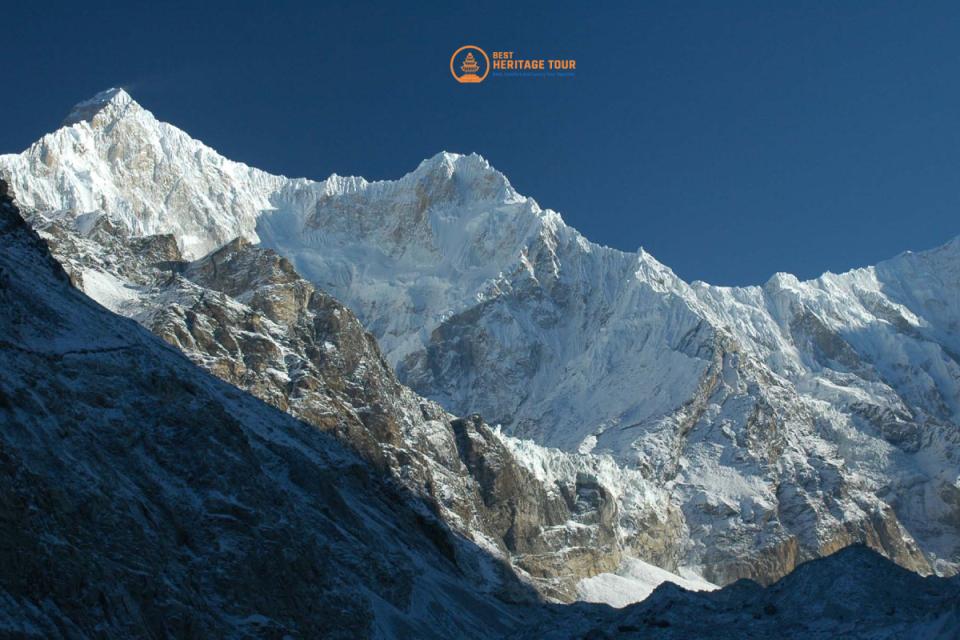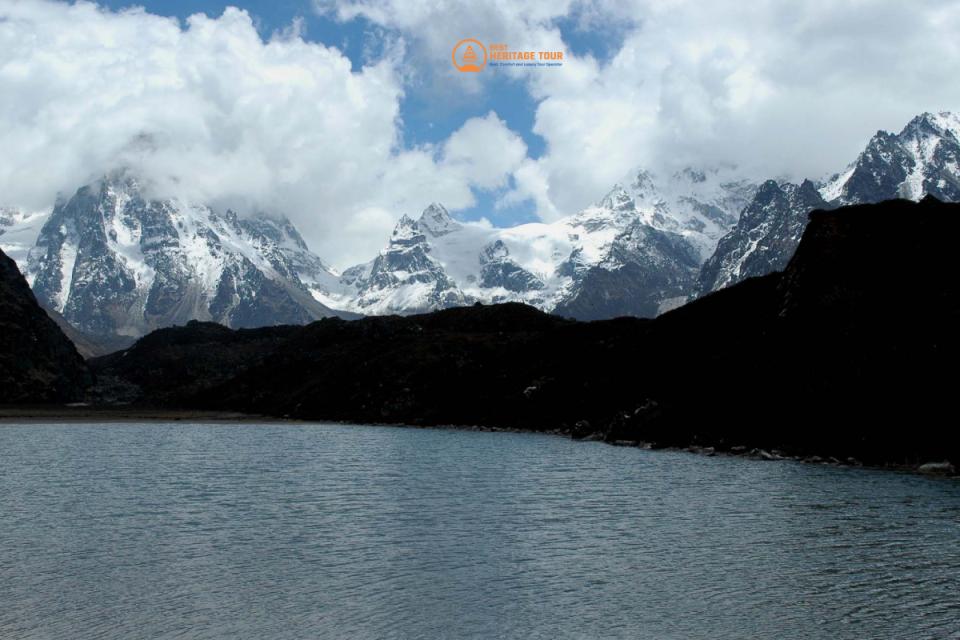
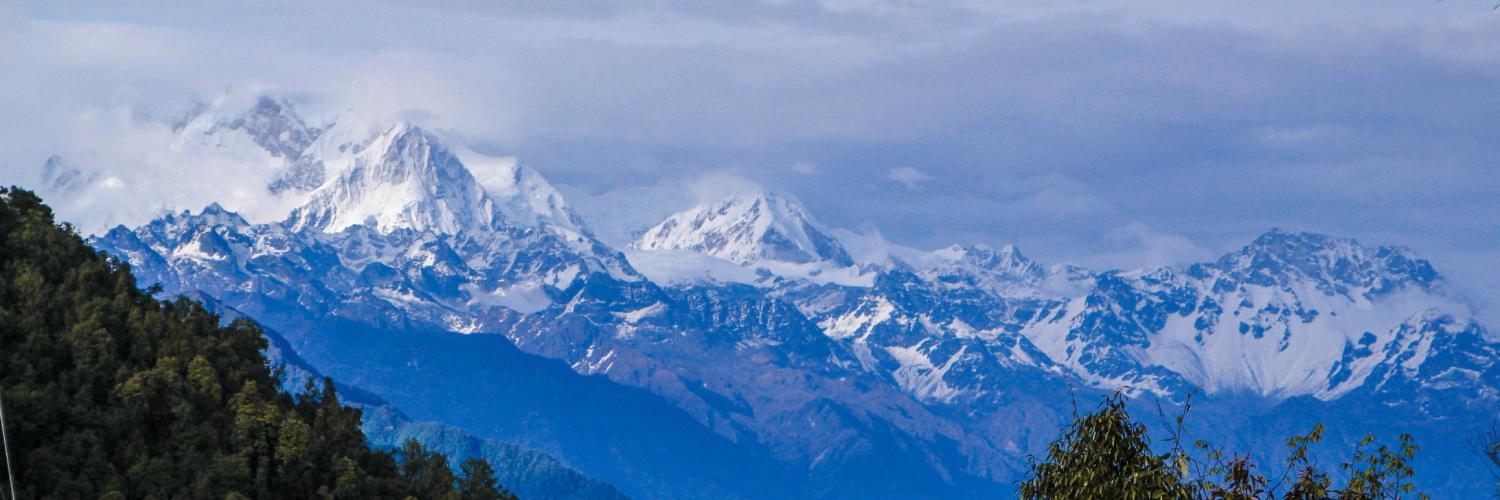
Trekking to the foot of the world’s third-highest peak is not just a "walk in the woods" - it is an expedition into the raw, unyielding heart of the eastern Himalayas. As one of Nepal’s most remote and challenging routes, the Kanchenjunga Circuit offers a level of solitude and rugged beauty that the crowded trails of Everest or Annapurna simply cannot match.
However, the very thing that makes Kanchenjunga alluring - its isolation - also makes it one of the most logistically demanding treks in the world.
At Best Heritage Tour, we have guided hundreds of adventurers through the Limbu and Rai villages to the soaring heights of Pangpema. In this comprehensive guide, we’ll break down everything you need to know about hiring guides and porters for Kanchenjunga in 2026, from legal requirements to the latest costs and safety protocols.
Is it Mandatory to Hire a Guide for Kanchenjunga?
Yes. Under the latest 2026 Nepal trekking regulations, Kanchenjunga remains a Restricted Area. Unlike some regions that recently moved away from solo trekking, Kanchenjunga has long required a licensed guide for legal entry.
To obtain the Restricted Area Permit (RAP), the Nepal Department of Immigration mandates:
-
A minimum of two trekkers in a group (solo permits are not issued).
-
Accompanying by a licensed Nepal trekking guide.
-
Permits must be processed through a registered trekking agency like Best Heritage Tour.
Pro Tip: In 2026, the old TIMS (Trekkers' Information Management System) card has been largely phased out in favor of the specialized Restricted Area Permits for this region. Don't let outdated blogs tell you otherwise!
Guide vs. Porter vs. Porter-Guide: What’s the Difference?
Understanding the roles is key to balancing your budget and your physical comfort.
A. The Licensed Trekking Guide
This is your "Captain." A professional guide doesn't just show you the way; they are your liaison with the local culture.
-
Role: Navigation, safety management, medical first-response, arranging teahouse logistics, and cultural translation.
-
Knowledge: Deep understanding of the flora, fauna, and the complex history of the Limbu and Sherpa people in the region.
-
Language: Fluent in English (and often other languages like German or French) and local dialects.
B. The Trekking Porter
The unsung heroes of the Himalayas. If you want to enjoy the view without the soul-crushing weight of a 20kg pack, a porter is essential.
-
Role: Carrying your heavy gear (typically up to 20-25kg).
-
Impact: By hiring a porter, you are directly contributing to the local economy of the Taplejung district.
C. The Porter-Guide
A "hybrid" role often chosen by solo travelers or couples on a budget.
-
Role: They carry a limited load (usually around 10-12kg) while also performing basic guiding duties.
-
Note: While cost-effective, they may not have the same level of English fluency or extensive emergency training as a senior licensed guide.
Estimated Costs for 2026
Inflation and new labor protection laws in Nepal have updated the daily rates for mountain staff. Here is what you should budget for the Kanchenjunga region, which is more expensive than central Nepal due to its remoteness.
|
Role |
Daily Rate (USD) |
What it Includes |
|---|---|---|
|
Professional Guide |
$35-$45 |
Salary, food, lodge, insurance, and equipment. |
|
Porter-Guide |
$25-$35 |
Salary, food, lodge, and basic insurance. |
|
Trekking Porter |
$20-$28 |
Salary, food, and mountain insurance. |
Note: These rates can vary based on the duration of the trek (usually 20-26 days) and the specific agency’s service level.
Why You Shouldn't "Go Independent" in Kanchenjunga
While the "independent" spirit is great, Kanchenjunga is a different beast. Here is why professional support is a game-changer:
Technical Navigation
The trails here aren't always "highways." Glacial shifts near the North Base Camp (Pangpema) and the South Base Camp (Ramche) can make paths disappear overnight. A guide knows how to read the terrain.
Emergency Response
Altitude sickness (AMS) is a very real threat when crossing the Sele La Pass (4,290m). Our guides at Best Heritage Tour are trained to monitor your oxygen levels daily and know exactly when a "tough walk" becomes a medical emergency.
Logistics in "Off-the-Grid" Zones
Many teahouses in villages like Ghunsa or Khambachen are small and family-run. During the peak seasons (Spring and Autumn), they fill up fast. A guide calls ahead (often via satellite phone or radio) to ensure you have a warm bed and a hot meal waiting.
The "Best Heritage Tour" Standards: Ethical Hiring
When you book with us, you aren't just hiring a "service" - you are supporting a sustainable ecosystem. We pride ourselves on:
-
Fair Wages: We pay above the industry average to ensure our staff can support their families.
-
Proper Gear: We ensure our porters have high-altitude clothing and proper footwear - no one should cross a pass in flip-flops.
-
Insurance: Every member of our team is fully insured for medical emergencies and helicopter evacuation.
Cultural Etiquette and the Guide's Role
Kanchenjunga is a sacred landscape. Your guide acts as a cultural bridge, ensuring you don't accidentally disrespect local customs.
-
Monasteries: Your guide will remind you to walk clockwise around Mani walls and Chortens.
-
Photography: They will ask permission before you snap photos of elders or inside sacred temples.
-
The "Tongba" Experience: A guide will introduce you to Tongba (fermented millet beer), a staple of the Kirat culture, ensuring you experience it in a safe and authentic way.
Packing for Your Porter: What to Include?
To make things easier for your porter, we recommend using a Duffel Bag rather than a hard suitcase.
-
The 15kg Rule: While porters can carry more, we ask our clients to keep their duffel bags around 15kg for the porter's health and safety.
-
The Daypack: You will carry your own daypack (5-7kg) with essentials like water, sunblock, a camera, and a rain jacket.
Tipping Guidelines: What is Fair?
Tipping is a deeply ingrained part of the trekking culture in Nepal. It is an expression of gratitude for the hard work your team puts in.
-
General Rule: Budget approximately 10%-15% of the total trek cost for tips.
-
The Ceremony: It is customary to give tips on the final evening of the trek in Taplejung or Bhadrapur.
Frequently Asked Questions (FAQ)
Can I hire a guide at the trailhead?
It is highly discouraged. Kanchenjunga requires restricted permits that must be issued in Kathmandu via a registered agency. Attempting to hire a "freelance" guide at the trail could result in your permits being declared invalid at the many police checkpoints along the route.
What happens if my guide gets sick?
This is the benefit of booking through an agency like Best Heritage Tour. If a guide or porter falls ill, we have the logistical network to send a replacement immediately, ensuring your trek doesn't come to a grinding halt.
How do I communicate with my guide?
Most professional guides speak excellent English. At Best Heritage Tour, we also provide guides who are familiar with the specific dialects of Eastern Nepal (Limbu/Rai), which is invaluable for authentic local interaction.
Conclusion
The Kanchenjunga trek is a "bucket list" achievement for any serious hiker. It is a journey of endurance, spirituality, and unparalleled natural beauty. By hiring a professional guide and porter, you aren't just making your life easier - you are ensuring your safety, enriching your cultural experience, and supporting the local communities that call these mountains home.
At Best Heritage Tour, we don't just organize trips; we create heritage experiences that stay with you for a lifetime.
Are you ready to stand in the shadow of the Five Treasures of the Great Snow?
Phone / WhatsApp / Viber: +977-9851149197 / +977-9810043046
Email: info@bestheritagetour.com / bestheritagetour@gmail.com
Website: www.bestheritagetour.com
Office: Thamel Marg, Kathmandu, Nepal
Author: Best Heritage Tour
Date: 3rd February, 2026