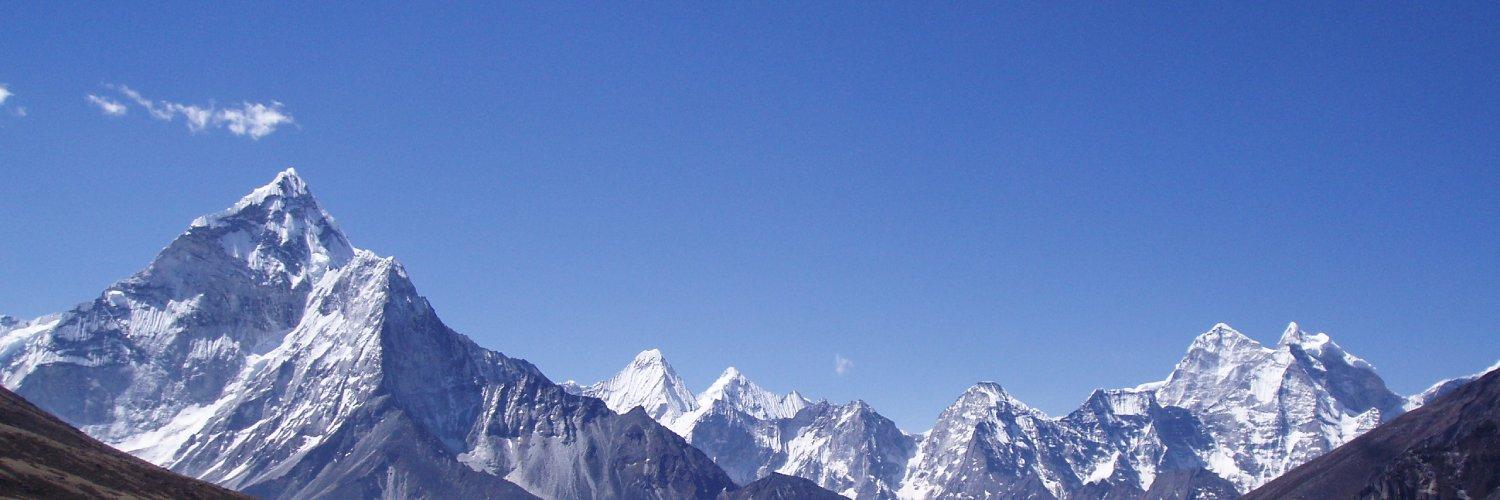
The Himalayas have a way of whispering to those who seek more than just a well-trodden path. While the Everest Base Camp and Annapurna Circuit remain the crown jewels of Nepal’s tourism, there is a hidden, rugged, and profoundly silent corridor that connects the "Valley of Glaciers" to the "Abode of Sherpas."
At Best Heritage Tour, we believe in the magic of the "off-the-beaten-path." For the seasoned trekker, the Ganja La Pass Trek is not just a journey; it is a rite of passage. Crossing the formidable Ganja La Pass (5,130m) requires more than just physical stamina - it requires a spirit of adventure that yearns for the remote, the technical, and the untouched.
In this comprehensive guide, we will walk you through everything you need to know about the Ganja La Pass Trek in 2026. From the emerald forests of Langtang to the alpine wilderness of Helambu, here is your roadmap to one of Nepal’s most rewarding challenges.
Why the Ganja La Pass Trek is Unique?
Most treks in the Langtang region are "Tea House" treks, where a warm bed and a hot meal are guaranteed every night. However, the Ganja La Pass Trek is a different beast entirely. It is a hybrid adventure that combines the comfort of lodge-to-lodge trekking with the raw intensity of high-altitude camping.
-
The Bridge Between Worlds: This trek connects the Langtang Valley with the Helambu region.
-
A Technical Challenge: Unlike the Gosaikunda Pass, Ganja La often requires fixed ropes and careful navigation over rock and ice.
-
Untouched Wilderness: Once you leave Kyanjin Gompa, the crowds vanish. It’s just you, your team, and the towering Langtang Lirung.
Essential Trip Facts & 2026 Overview
|
Feature |
Details |
|---|---|
|
Max Altitude |
5,130 Meters (16,830 Feet) |
|
Duration |
12 to 14 Days |
|
Trek Grade |
Strenuous / Technical |
|
Accommodation |
Tea Houses (Langtang) + Camping (Pass Crossing) |
|
Best Season |
Autumn (Oct-Nov) & Spring (Mar-May) |
|
Region |
Langtang National Park & Helambu |
|
Start/End Point |
Syabrubesi / Melamchi Pul Bazar |
Detailed 14-Day Itinerary: The Best Heritage Perspective
At Best Heritage Tour, our itineraries are crafted with one priority: Acclimatization. We don't rush the mountains; we respect them.
Phase 1: The Ascent through Langtang Valley
Day 01: Arrival in Kathmandu (1,400m)
Your journey begins the moment you land at Tribhuvan International Airport. We’ll welcome you with a traditional Khada and transfer you to your hotel in the heart of the city.
Day 02: Kathmandu Sightseeing & Trek Prep
While we handle your Langtang National Park permits and TIMS cards, you’ll explore the UNESCO World Heritage sites: Swayambhunath (The Monkey Temple) and the ancient streets of Patan.
Day 03: Drive to Syabrubesi (1,550m)
A scenic 7-8 hour drive through winding mountain roads. You’ll catch your first glimpses of Ganesh Himal as we head north.
Day 04: Trek to Lama Hotel (2,380m)
The trail begins alongside the Langtang Khola. We walk through dense forests of oak and rhododendron. Keep an eye out for the elusive Red Panda - they are known to inhabit this stretch!
Day 05: Lama Hotel to Langtang Village (3,430m)
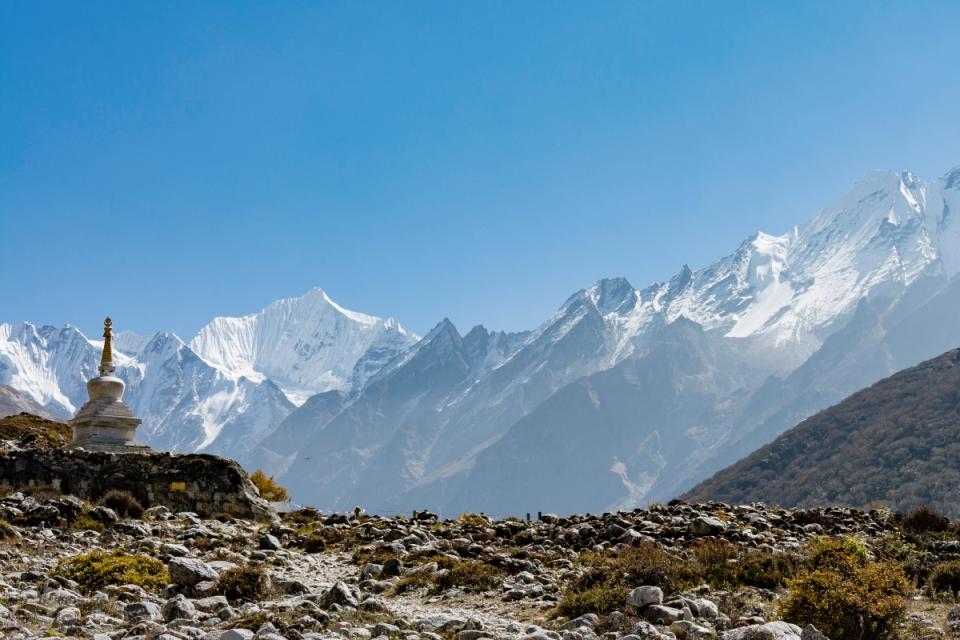
As we gain altitude, the landscape opens up. We pass the Ghodatabela checkpoint and enter the wide glacial valley. The view of Langtang Lirung (7,227m) from here is nothing short of majestic.
Day 06: Langtang Village to Kyanjin Gompa (3,870m)
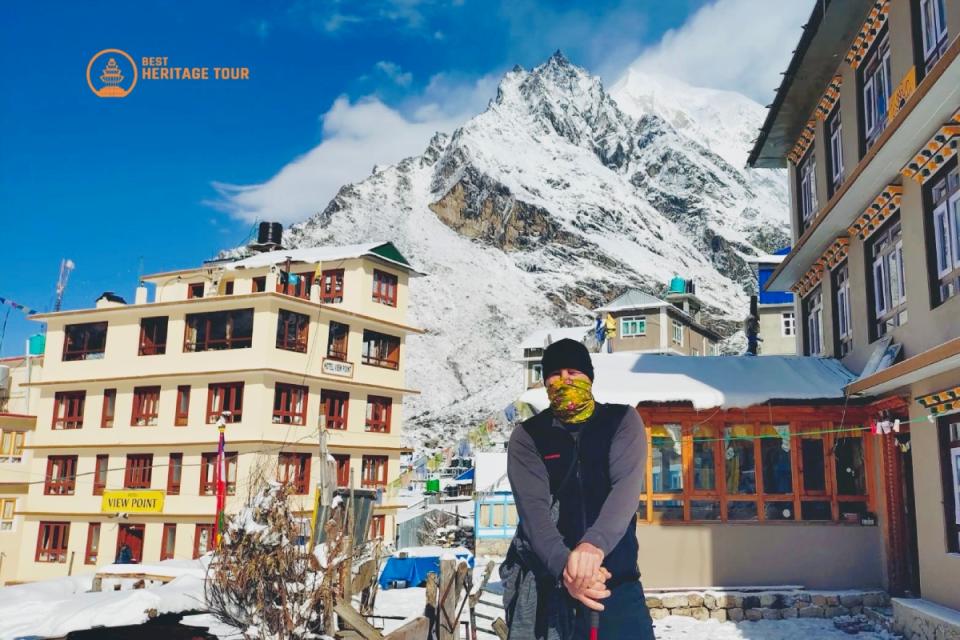
A shorter day of walking to allow for altitude adjustment. We reach the spiritual heart of the valley, Kyanjin Gompa. After lunch, we highly recommend visiting the famous Kyanjin Cheese Factory for some fresh Yak cheese.
Day 07: Acclimatization Day at Kyanjin Gompa
This is non-negotiable. To cross the 5,000m mark safely, we must climb higher today. We usually lead our guests up to Kyanjin Ri (4,773m) or Tserko Ri (4,984m) for a 360-degree panorama of the Himalayas.
Phase 2: The High Frontier (Camping)
Day 08: Kyanjin Gompa to Ngegang Kharka (4,430m)
We leave the luxury of tea houses behind. Crossing the Langtang River, we ascend into the wilderness. Tonight, we set up our first high-altitude camp.
Day 09: Crossing the Ganja La Pass (5,130m) to Keldang (4,270m)
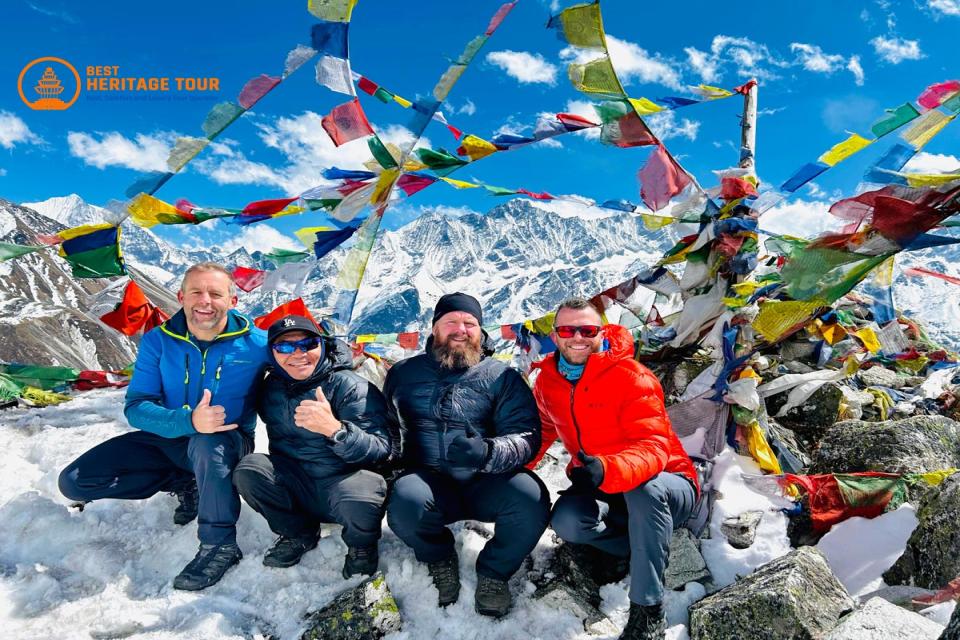
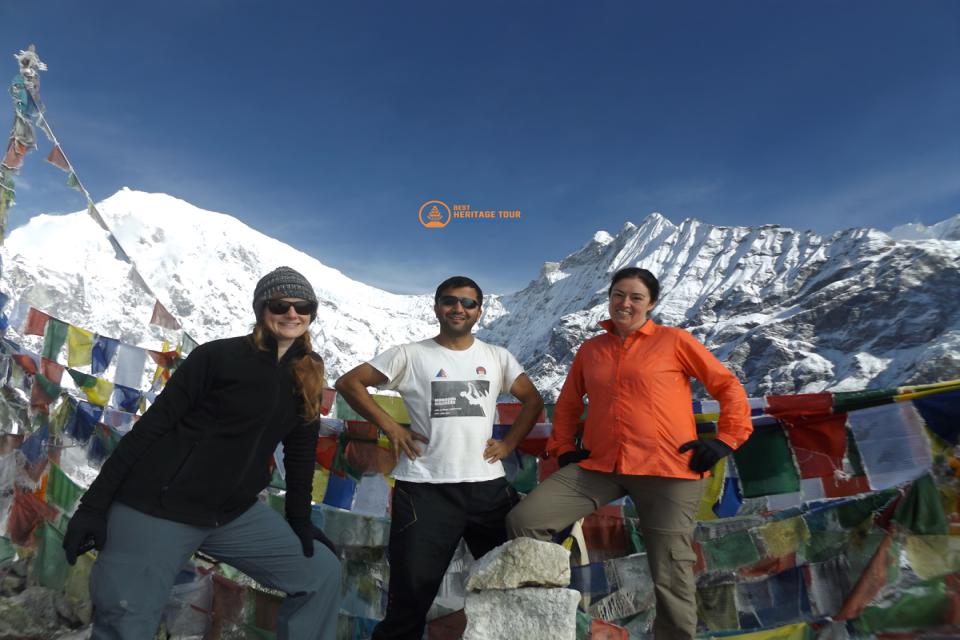
The "Big Day." We wake up at 4:00 AM. The ascent to the pass is steep and often involves navigating through snow-covered boulders. At the summit, the views of Mt. Shishapangma (Tibet) and the Jugal Himal are your reward. The descent is equally challenging, often requiring our guides to fix ropes for safety.
Day 10: Keldang to Dhukpa (4,040m)
A long day of ridge walking with incredible views of the Helambu valley below. We stay in the alpine zone, camping once more under the star-studded Himalayan sky.
Phase 3: The Cultural Descent into Helambu
Day 11: Dhukpa to Tarkeghyang (2,600m)
We descend into the lush greenery of the Helambu region. Tarkeghyang is a beautiful Sherpa village famous for its ancient monastery (one of the oldest in the region).
Day 12: Tarkeghyang to Sermathang (2,590m)
A pleasant walk through forests and apple orchards. The culture here is distinct - a blend of Tibetan Buddhism and local Hyolmo traditions.
Day 13: Sermathang to Melamchi Pul Bazar & Drive to Kathmandu
The final descent to the valley floor. We catch our private vehicle for the drive back to the capital, where a farewell dinner awaits.
Day 14: Final Departure
Our team will drop you at the airport, carrying memories of the Ganja La that will last a lifetime.
Best Time to Trek Ganja La Pass in 2026
Timing is everything. Because Ganja La is a high-altitude pass, it is often blocked by snow during the winter (Dec-Feb) and dangerous during the monsoon (June-Aug) due to landslides.
-
Autumn (October to November): This is the Gold Standard. The skies are crystal clear after the monsoon, the views are sharp, and the pass is usually free of excessive, soft snow.
-
Spring (March to May): A beautiful time to see the rhododendrons in bloom. However, the pass may still have significant winter snowpack, making the crossing slightly more technical.
Difficulty Level: Is the Ganja La Pass Trek Really Difficult?
At Best Heritage Tour, we categorize the Ganja La Pass Trek as Strenuous.
-
Physical Fitness: You should be capable of walking 6-8 hours a day with a daypack. Prior experience at altitudes above 4,000m is highly recommended.
-
Technicality: While not a "climb," the pass has steep sections that may require using your hands for balance or moving across narrow, icy ledges.
-
Mental Resilience: There are at least 3 nights of camping in remote areas with no electricity or Wi-Fi. It is a true "unplugged" experience.
Strategic Packing List for the Ganja La Pass Trek
Packing for a pass crossing is a balancing act between warmth and weight.
The "Big Three" for Ganja La:
-
Footwear: High-quality, waterproof trekking boots with good ankle support. You don't want to cross a 5,000m pass in sneakers.
-
Down Jacket: A -15°C rated jacket is essential for the camping nights at Ngegang Kharka.
-
Sleeping Bag: We provide high-quality bags for our clients, but if bringing your own, ensure it is rated for four seasons.
Don't Forget:
-
Trekking Poles: Essential for the steep descent from the pass.
-
Gaiters: Extremely helpful if there is fresh snow on the pass.
-
Sun Protection: UV rays at 5,000m are brutal. SPF 50+ and polarized sunglasses are mandatory.
Safety and Altitude Sickness (AMS)
Your safety is our primary mission. Our guides are trained in Wilderness First Aid and carry pulse oximeters to monitor your oxygen saturation levels daily.
Our Golden Rules for AMS Prevention:
-
Walk Slow: We follow the "Bistari, Bistari" (Slowly, Slowly) philosophy.
-
Hydrate: Drink at least 4 liters of water a day.
-
Garlic Soup: A local Himalayan remedy that helps with blood oxygenation!
-
Listen to the Guide: If our lead guide says it’s time to head down, we head down. The mountain will always be there.
Conclusion
The Ganja La Pass Trek is for the dreamer who wants to see the world from the top of a frozen ridge. It is for the traveler who finds beauty in a flickering candle in a remote camp rather than the lights of a city. It is a tough, raw, and magnificent journey through the heart of the Langtang and Helambu regions.
Are you ready to challenge yourself?
Phone / WhatsApp / Viber: +977-9851149197 / +977-9810043046
Email: info@bestheritagetour.com / bestheritagetour@gmail.com
Website: www.bestheritagetour.com
Office: Thamel Marg, Kathmandu, Nepal
Author: Best Heritage Tour
Date: 10th April, 2026