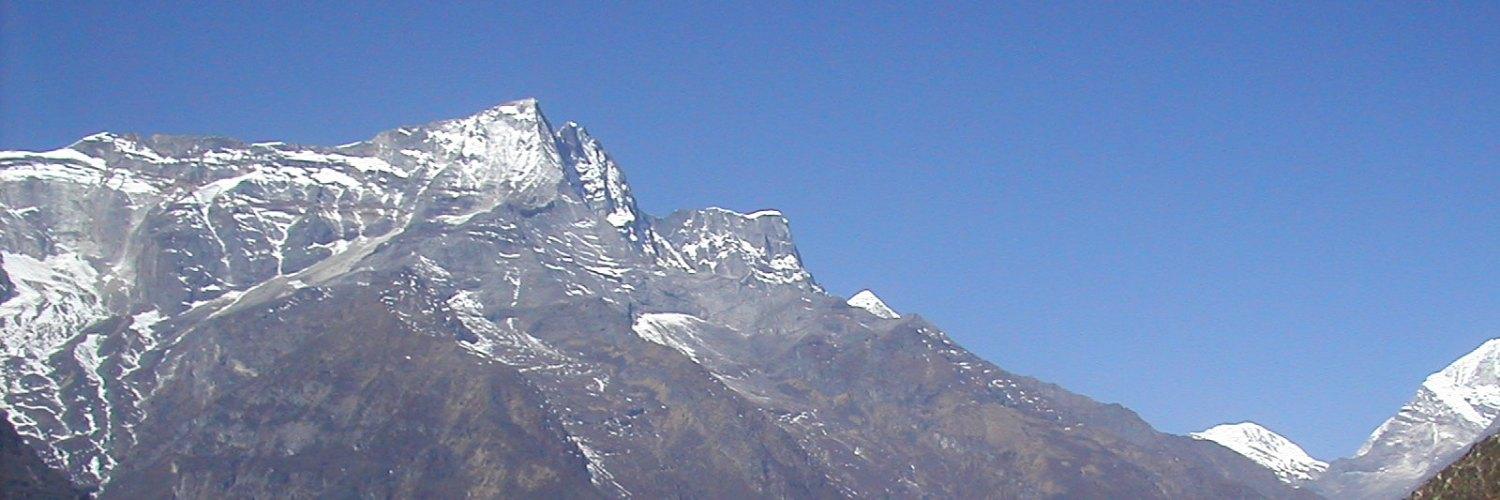
For many travelers, the words "Everest Base Camp" evoke images of triumph, colorful prayer flags, and the thin, crisp air of the Himalayas. But the actual journey from the last settlement, Gorakshep (5,164m), to the Base Camp (5,364m) is a unique beast of its own. It is a world of moving ice, shifting moraine, and a silence so deep it feels heavy.
At Best Heritage Tour, we believe that reaching Base Camp isn't just about the destination; it’s about understanding the environment you are walking through. In this comprehensive guide, we break down every meter of this legendary trail.
The Gateway: Understanding Gorakshep (5,164m)
Before we step onto the trail to Base Camp, we must talk about Gorakshep. Originally a summer grazing pasture for yaks, this "village" is now the highest permanent settlement on the EBC trek.
The name "Gorakshep" translates to "Dead Raven," a nod to the desolate, frozen lakebed that sits adjacent to the lodges. At this altitude, oxygen levels are roughly 50% of what they are at sea level. Every movement here feels intentional. We always advise our guests: Bistari, Bistari (Slowly, slowly).
Trail Logistics: Distance, Time, and Terrain
The walk from Gorakshep to Everest Base Camp is technically a "day hike," as there are no sleeping facilities at Base Camp for trekkers (the tents you see are reserved for expedition climbers).
The Numbers:
-
Distance: Approximately 3.5 km (2.1 miles) one way.
-
Duration: 2 to 3 hours to reach Base Camp; 1.5 to 2 hours to return.
-
Elevation Gain: 200 meters (656 feet) of gradual but grueling ascent.
-
Difficulty: Strenuous. While the incline is not "steep" like the climb to Kala Patthar, the combination of rocky terrain and extreme altitude makes it a physical test.
The Terrain:
The trail follows the lateral moraine of the Khumbu Glacier. You aren't walking on a paved path; you are walking on a mix of loose scree, large boulders, and sometimes slippery ice. Because the glacier is constantly moving (about 1 meter per day), the path changes slightly every season. Our guides at Best Heritage Tour scout these shifts daily to ensure our groups are always on the safest line.
What to Expect on the Trail: A Step-by-Step Narrative
Leaving the lodges of Gorakshep, the trail starts relatively flat across the sandy lakebed. However, within 20 minutes, you begin to ascend the ridge of the moraine.
The Khumbu Glacier View
As you crest the first ridge, the Khumbu Glacier reveals itself. It looks like a massive, grey river of stone and ice. You will hear the glacier "groan"—sharp cracks and deep thuds as the ice shifts beneath the rock debris. This is one of the few places on Earth where you can witness the raw power of a living glacier.
The "Everest Hidden" Paradox
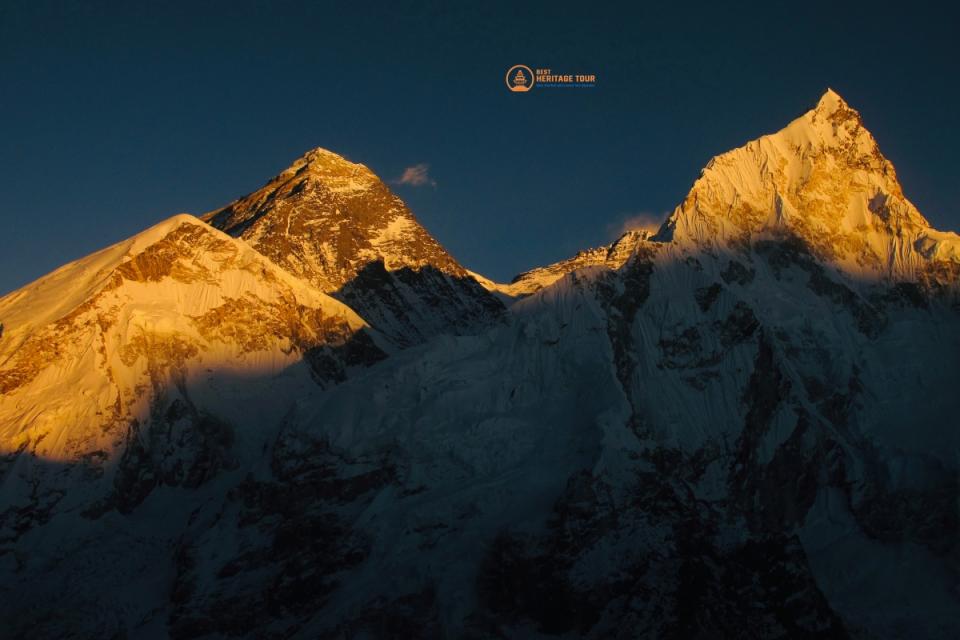
One of the most surprising things for first-time trekkers is that you cannot see the summit of Mt. Everest from Base Camp. The massive shoulders of Nuptse (7,861m) and the West Ridge of Everest block the view. To see the summit, you must climb Kala Patthar, which we usually schedule for the following sunrise.
The Khumbu Icefall
As you approach the 5,300m mark, the "Icefall" comes into view. This is a terrifyingly beautiful cascade of giant ice towers (seracs) and deep crevasses. It is the first major obstacle for climbers heading toward the summit. From Base Camp, you can watch through binoculars as tiny dots - the climbers - navigate this frozen labyrinth.
Best Time to Trek: Seasons and Vibe
Timing your arrival at Gorakshep is crucial for the "vibe" of your experience.
Spring (March to May): The Expedition Season
This is the only time of year when Base Camp is a "city of tents." Hundreds of climbers from around the world set up camp here. The energy is electric. You’ll see yak caravans carrying oxygen cylinders and helicopters ferrying supplies. If you want to feel the pulse of a mountain expedition, Spring is your season.
Autumn (September to November): The Crystal Clarity
The monsoon rains have washed the dust from the air, leaving the sky a deep, indigo blue. While there are fewer tents at Base Camp, the mountain views are at their sharpest. It is colder than Spring, but the stability of the weather makes it the preferred choice for photographers.
Safety and Altitude: The Best Heritage Tour Protocol
At 5,364 meters, Acute Mountain Sickness (AMS) is a real threat. We don't say this to scare you, but to prepare you.
Our Safety Pillars:
-
Hydration: We insist our trekkers drink 4 liters of water daily. Dehydration mimics and accelerates AMS.
-
The "Slow Pace" Rule: We don't care if you're a marathon runner. On the trek to EBC, the slowest person often has the most successful trek.
-
Pulse Oximeter Checks: Our guides carry oximeters to monitor your blood oxygen saturation and heart rate every morning and evening at Gorakshep.
-
Know the Signs: If you experience a persistent headache, nausea, or loss of appetite, our team is trained to make the call for a "stop" or a "descent." Your safety is our absolute priority.
Packing Essentials for the Final Push
Even though you leave your heavy duffel bags at the lodge in Gorakshep, your "day pack" for the Base Camp hike must contain:
-
Polarized Sunglasses: The glare off the glacier can cause snow blindness in minutes.
-
Sunscreen (SPF 50+): The UV rays at 5,000m+ are incredibly intense.
-
Down Jacket: Even if it’s sunny, the wind coming off the icefall is piercingly cold.
-
Headlamp: In case the clouds roll in or your trek takes longer than expected.
-
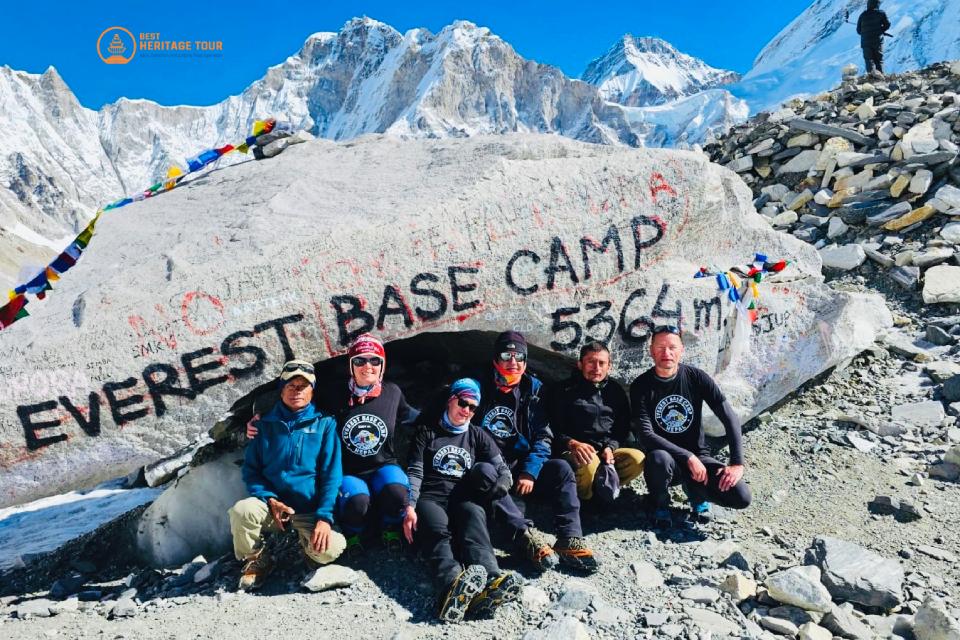
Camera/Phone: To capture the moment you reach the iconic "Everest Base Camp" rock.
The Experience: Reaching the "Rock"
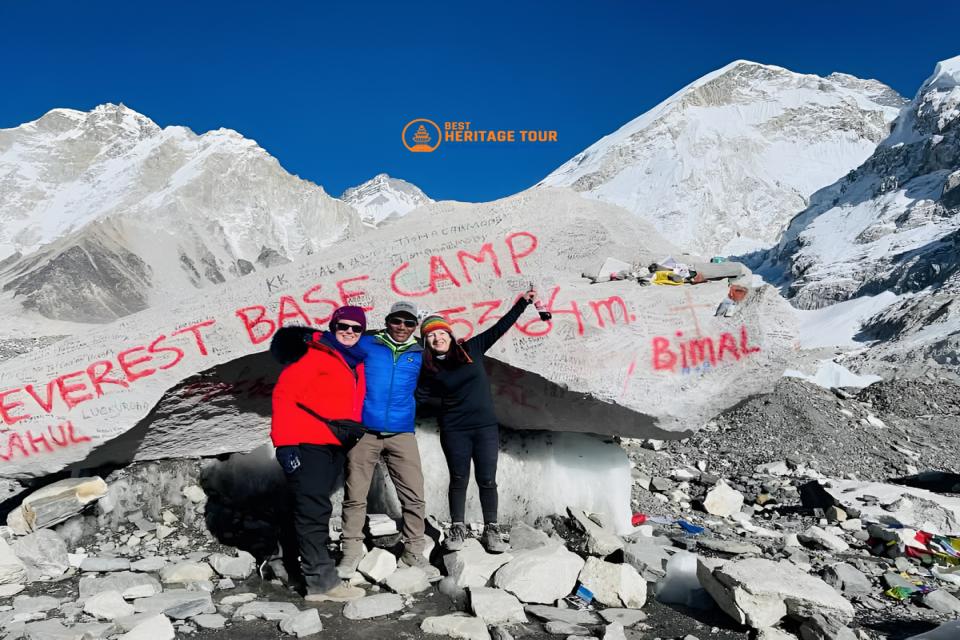
Reaching the rock covered in hundreds of fluttering prayer flags is an emotional moment. For some, it’s the culmination of a lifelong dream. For others, it’s a moment of quiet reflection on the power of nature.
You are standing at the base of the highest point on our planet. You are surrounded by 7,000 and 8,000-meter peaks: Pumori, Lingtren, Khumbutse, and Nuptse. The air is thin, your lungs are working hard, but the sense of achievement is unparalleled.
Conclusion
The trek from Gorakshep to Everest Base Camp is more than just a walk; it is a pilgrimage to the roof of the world. It requires preparation, respect for the altitude, and a spirit of adventure. Whether you are a solo traveler looking for a challenge or a group seeking a shared milestone, the Khumbu is waiting.
Ready to Stand at the Foot of Everest?
At Best Heritage Tour, we handle the logistics, the safety, and the permits so you can focus on the mountains. Our 2026 and 2027 departure dates are now open for booking.
Phone / WhatsApp / Viber: +977-9851149197 / +977-9810043046
Email: info@bestheritagetour.com / bestheritagetour@gmail.com
Website: www.bestheritagetour.com
Office: Thamel Marg, Kathmandu, Nepal
Author: Best Heritage Tour
Date: 30th March, 2026