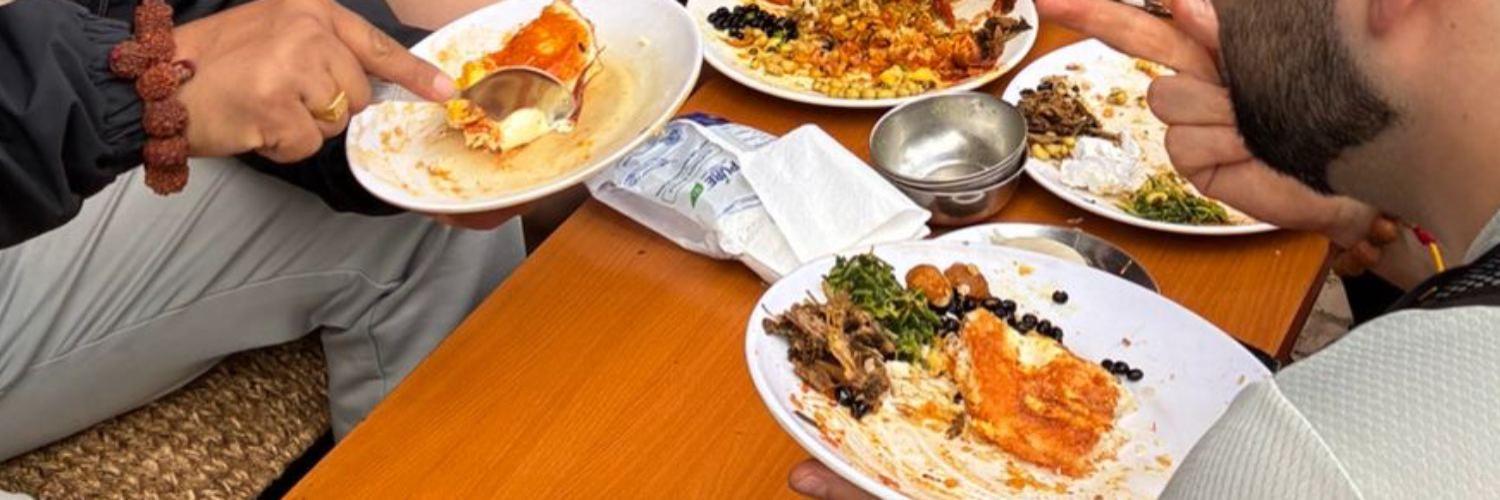
There is an old, wise saying among Himalayan guides: "Your stomach is your most important piece of gear."
When you embark on a classic Himalayan adventure - whether you are trekking to Everest Base Camp, completing the Annapurna Circuit, or exploring the remote valleys of Langtang - your body becomes a high-performance machine. You will be pushing your physical limits, ascending to altitudes where atmospheric pressure drops, and burning between 3,000 to 5,000 calories a day.
To sustain this level of exertion, nutrition is everything. However, trekking in the remote corners of Nepal presents unique culinary challenges. The high altitude significantly slows down your digestion, refrigeration becomes a luxury rather than a guarantee, and food hygiene standards vary drastically from the comfort of Kathmandu's boutique hotels. A single bout of food poisoning or a severe stomach upset at 4,000 meters can instantly end your dream trek.
At Best Heritage Tour, we believe that a successful trek isn't just about reaching the summit or the base camp; it is about enjoying every single step of the journey in peak health. Drawing from our decades of collective experience guiding thousands of international travelers through Nepal's most rugged terrain, we have compiled the definitive guide on what are the foods to avoid while trekking in Nepal.
Understanding the Himalayan Digestion Paradox
Before diving into the specific foods to avoid while trekking in Nepal, it is essential to understand why your stomach becomes incredibly sensitive at high altitudes.
As you ascend above 2,500 meters (8,202 feet), the atmospheric pressure decreases, and oxygen levels drop. To protect your vital organs, your body naturally redirects oxygen-rich blood away from your digestive tract and toward your heart, lungs, and heavy leg muscles.
The Golden Rule of High-Altitude Digestion: At high elevations, your metabolic rate increases, but your digestive capacity drops by up to 30% to 40%. Heavy, complex, or unhygienic foods sit in your stomach for much longer, leading to bloating, acid reflux, nausea, and increased susceptibility to foodborne bacteria.
When you combine a compromised digestive system with the rustic conditions of remote mountain teahouses, dietary caution becomes your best defense against acute mountain sickness (AMS) and gastrointestinal illness.
The Definitive List: Foods to Avoid While Trekking in Nepal
1. Non-Vegetarian Food (Meat, Chicken, and Pork)
This is arguably the most critical piece of advice our guides give to every traveler. While you might crave a juicy chicken breast or a plate of buffalo momos after a grueling 7-hour trek, consuming meat on the trail is highly risky.
-
The Transportation Reality: In the Everest (Khumbu) and Annapurna regions, religious and cultural traditions strictly prohibit the slaughter of animals within the sacred mountain sanctuaries. Consequently, all meat products must be slaughtered at lower elevations (like Lukla, Jiri, or Pokhara) and carried up the mountains by human porters or yaks.
-
The Cold Chain Failure: These meat products are often transported over several days in wicker baskets under the direct sun without any refrigeration. By the time the meat reaches a teahouse at 4,000 meters, it has frequently undergone multiple freeze-thaw cycles.
-
The Verdict: Avoid all meat products once you pass the major trailheads. Stick to a vegetarian or vegan diet to guarantee you do not ingest harmful bacteria like Salmonella or E. coli.
2. Unpasteurized Milk and Local Dairy Products
Staying hydrated and fueled with local soups is great, but you should exercise extreme caution when it comes to local, unpasteurized dairy.
-
Raw Milk Risks: While a steaming mug of fresh yak milk sounds like an authentic cultural experience, unpasteurized milk can harbor dangerous pathogens, including Brucella and Campylobacter.
-
Heavy Cheese: Hard yak cheese (Chhurpi) is a fantastic source of protein and a favorite local snack. However, eating massive quantities of heavy, processed cheese at high altitudes can cause severe constipation and indigestion because your body lacks the hydration and oxygen required to break down dense dairy fats efficiently.
-
The Verdict: Only consume dairy if you are certain it has been thoroughly boiled or comes from pasteurized, sealed packaging. Opt for black tea, ginger tea, or lemon tea instead of milk tea at higher elevations.
3. Excessive Caffeine (Coffee, Energy Drinks, and Dark Chocolates)
For many of us, a morning cup of coffee is a non-negotiable ritual. While a single cup of coffee at breakfast is perfectly fine, relying on excessive caffeine to power through your trek is a recipe for disaster.
-
The Dehydration Factor: Caffeine is a potent natural diuretic. At high altitudes, you lose moisture rapidly just by breathing the dry, thin mountain air. Drinking multiple cups of coffee or downing commercial energy drinks forces your kidneys to excrete water and essential electrolytes at an accelerated rate.
-
Masking Altitude Symptoms: Dehydration mimics and exacerbates the early symptoms of Acute Mountain Sickness (AMS), such as headaches, dizziness, and fatigue. Furthermore, caffeine artificially elevates your heart rate, making it harder to monitor your body’s natural adaptation to altitude.
-
The Verdict: Limit yourself to one cup of coffee in the morning. For the rest of the day, replace caffeine with herbal infusions like ginger, honey, and lemon tea, which naturally soothe the stomach and promote circulation.
4. Alcohol and Spirits
Nothing marks the end of a long, challenging day on the trail like relaxing around a communal teahouse stove. However, saving the alcoholic beverages for the end of the entire trek is a non-negotiable safety rule.
-
Impaired Acclimatization: Alcohol is a severe dehydrator and a central nervous system depressant. It significantly disrupts your sleep quality, reduces your respiratory drive at night, and interferes with your body's ability to acclimatize to lower oxygen levels.
-
Safety Hazards: Navigating narrow, rocky, or icy Himalayan trails requires absolute focus and flawless physical coordination. Even a mild hangover can lead to missteps, slips, and catastrophic falls.
-
The Verdict: Say a strict "no" to local spirits (Raksi or Chang) and commercial beers while ascending. Once you have successfully completed your trek and returned safely to lower altitudes, our team will gladly toast your achievement with a cold local brew!
5. Raw Salads, Peeled Fruits, and Uncooked Vegetables
Eating fresh greens sounds healthy, but on a trekking trail, raw vegetables are one of the most common vectors for the infamous "Delhi Belly" or traveler’s diarrhea.
-
Contaminated Wash Water: Teahouses often wash vegetables in local stream water or untreated tap water. While the locals have built immunity to the microorganisms present in this water, Western digestive systems do not have the same defenses.
-
Parasitic Risks: Raw, unpeeled fruits and salads can carry microscopic cysts of Giardia lamblia, a waterborne parasite that causes severe abdominal cramps, explosive diarrhea, and extreme fatigue.
-
The Verdict: Rule out raw salads entirely. Only eat fruits that you can personally peel yourself (such as bananas or oranges) after sanitizing your hands. Ensure all vegetables you consume are thoroughly cooked, steamed, or fried.
6. Highly Processed Junk Food and Stale Pastries
As trekking tourism has grown, many teahouses along popular routes like the Everest Base Camp circuit now feature bakeries selling croissants, apple pies, doughnuts, and packaged junk food.
-
Empty Calories: Processed snacks are packed with refined sugars, trans fats, and artificial preservatives. While they provide a temporary spike in blood sugar, they lead to a rapid energy crash shortly after, leaving you fatigued on steep inclines.
-
Stale Bakery Items: High-altitude bakeries do not always have the high turnover of a city cafe. Bakeries at 3,500+ meters may display pastries that were baked several days prior, increasing the risk of mold formation or bacterial growth.
-
The Verdict: Ditch the pastries and heavy processed chips. Pack high-quality, dense fuel sources like raw almonds, walnuts, pumpkin seeds, dried figs, and specialized energy gels from home.
What Should You Eat Instead? The Power of "Dal Bhat"
Now that we have covered what are the foods to avoid while trekking in Nepal, let’s focus on the ultimate fuel source that keeps both locals and seasoned international trekkers moving efficiently.
There is a famous phrase heard across the hills of Nepal: "Dal Bhat Power, 24 Hour!" This is not just a catchy tourism slogan; it is a nutritional truth.
Dal Bhat is the traditional, quintessential Nepali meal consisting of steamed rice (Bhat), a rich lentil soup (Dal), seasoned cooked seasonal vegetables (Tarkari), and a side of spicy or tangy pickle (Achar).
Here is why Dal Bhat is the ultimate trekking food:
-
Freshly Prepared: Because it is the staple diet of the teahouse owners and staff, Dal Bhat is cooked fresh for lunch and dinner every single day. It never sits around.
-
Perfect Nutritional Balance: The combination of rice and lentils provides a complete amino acid profile, offering premium plant-based protein alongside easily digestible, slow-release carbohydrates.
-
Free Refills: This is the best-kept secret of Himalayan trekking. When you order Dal Bhat, the teahouse staff will continuously top up your plate with extra rice, lentils, and vegetables at no extra cost until you are completely full.
Aside from Dal Bhat, excellent, safe, and easily digestible choices include:
-
Garlic Soup: Widely recognized by Himalayan communities as a natural vasodilator that helps thin the blood and aids in altitude acclimatization.
-
Oatmeal and Porridge: Excellent, warm, slow-burning carbohydrate breakfasts that keep you full for hours.
-
Steamed Vegetable Momos: A safe, delicious, vegetarian-friendly way to enjoy local dumpling culture.
-
Boiled Potatoes: Served with a pinch of salt, these are an incredible, clean source of potassium and pure energy.
Conclusion
Trekking through the dramatic landscapes of Nepal - gazing up at Ama Dablam, watching the sunrise over the Annapurna range, or walking through the vibrant cultural heritages of local Sherpa, Gurung, and Tamang communities - is a deeply transformative experience. By making mindful, disciplined choices about what you put into your body, you ensure that your focus remains entirely on the breathtaking beauty of the mountains rather than a preventable illness.
Avoid the meats, steer clear of the alcohol and excessive caffeine, embrace the local vegetable-based cuisine, and let the legendary power of Dal Bhat fuel your journey to the top of the world.
Start Your Journey with Best Heritage Tour
Phone / WhatsApp / Viber: +977-9851149197 / +977-9810043046
Email: info@bestheritagetour.com / bestheritagetour@gmail.com
Website: www.bestheritagetour.com
Office: Thamel Marg, Kathmandu, Nepal
Author: Best Heritage Tour
Date: 18th May, 2026