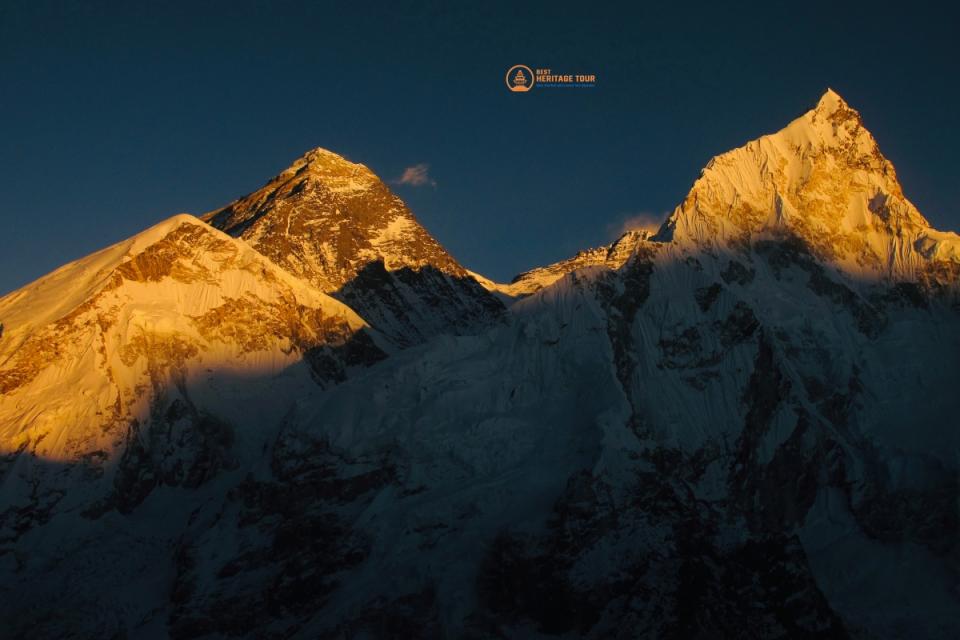
The Himalayas possess an undeniable allure. Watching the morning sun cast a golden glow over the jagged crest of Mount Everest is a bucket-list dream for travelers, tourists, and adventure seekers worldwide. When planning a journey into the iconic Khumbu region, many look beyond the classic trails and find themselves captivated by the ultimate alpine circuit: the legendary Three Passes loop.
Naturally, a vital question arises for those new to high-altitude hiking: Is Everest Three Passes Trek Suitable for Absolute Beginners?
At Best Heritage Tour, we believe in empowering our guests with raw, unfiltered, and expert local insights. The Short answer is: No, the classic Everest Three Passes Trek is generally not recommended for absolute beginners. It is widely categorized as a strenuous to elite-level alpine trek.
However, that does not mean a determined first-time trekker cannot successfully stand amidst these giant peaks. With the correct preparation, an adjusted itinerary, and the backing of an experienced guiding team, the impossible can become possible.
In this comprehensive guide, we will break down exactly why this trek is so demanding, analyze the unique challenges for novice hikers, and outline how Can a beginners trekkers do the everest three passes trek with the right strategy.
Understanding the Epic Everest Three Passes Trek
To evaluate Everest Three Passes Trek Good Beginners suitability, we must first look at what this grand circuit entails.
Unlike the standard out-and-back trail to Everest Base Camp (EBC), the Three Passes Trek is a comprehensive, high-altitude loop that navigates four distinct valleys of the Khumbu region: Imja Tse, Khumbu, Gokyo, and Bhotekoshi. The defining features of this trek are the three colossal mountain passes that sit well above 5,000 meters (16,400 feet):
-
Kongma La Pass (5,535m / 18,159ft): The highest and often considered the most physically demanding of the three, offering raw views of the Lhotse wall.
-
Cho La Pass (5,420m / 17,782ft): A thrilling pass that involves traversing a slippery glacier and steep, rocky moraines, linking the EBC trail to the turquoise Gokyo Valley.
-
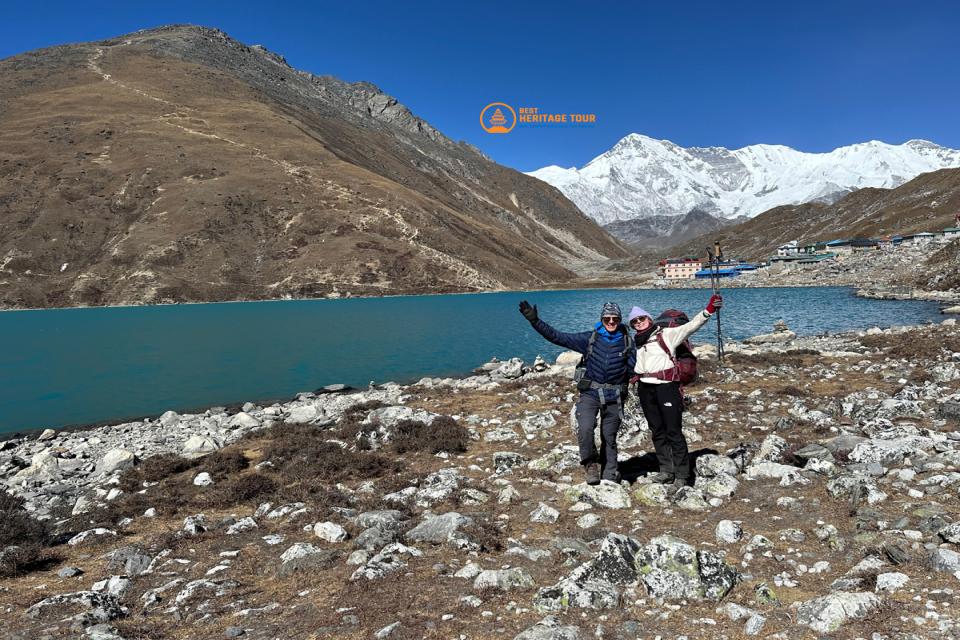
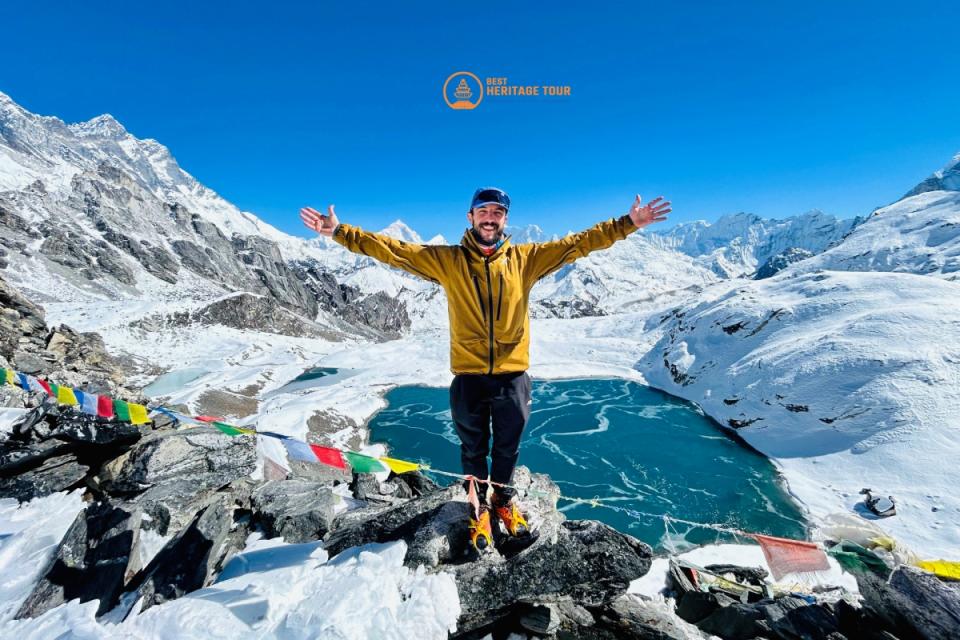
Renjo La Pass (5,360m / 17,585ft): The final pass, renowned for presenting what many argue is the most spectacular, comprehensive panorama of Mount Everest, Cho Oyu, and the vibrant Gokyo Lakes.
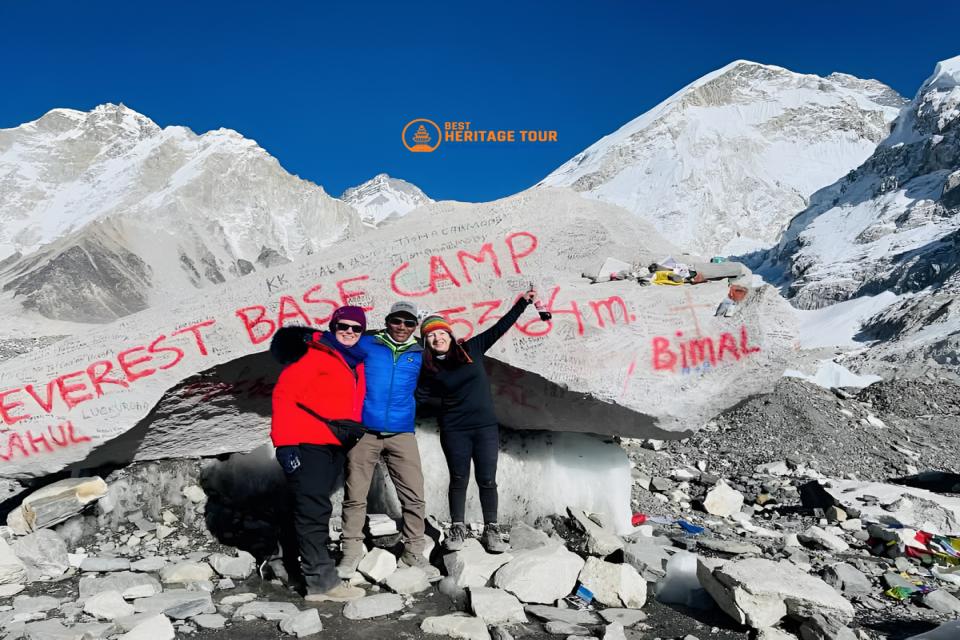
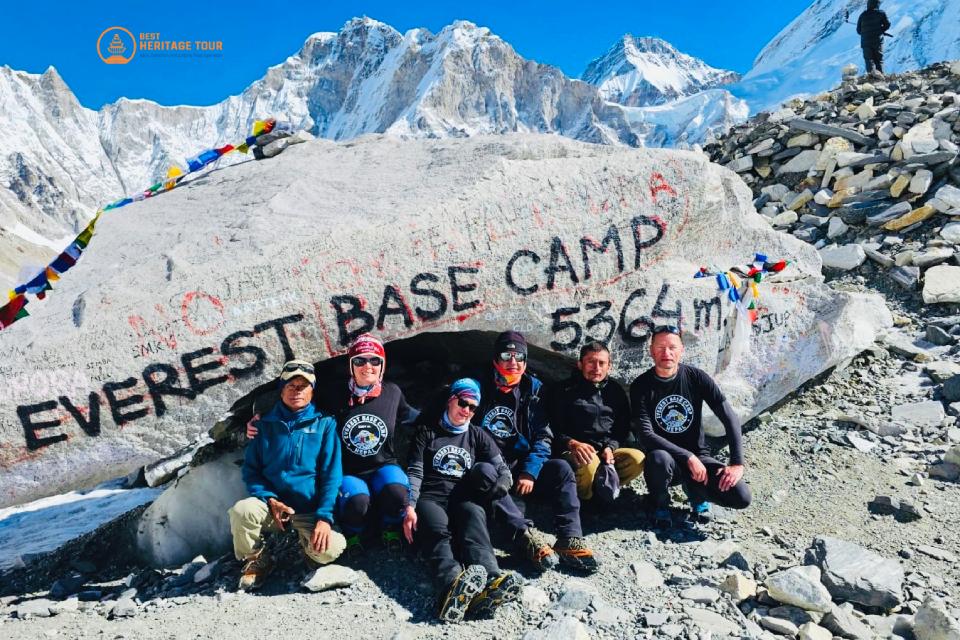
When you factor in side-trips to Everest Base Camp (5,364m), Kala Patthar (5,545m), and Gokyo Ri (5,357m), you are looking at an expedition that spends more consecutive days above 5,000 meters than almost any other teahouse trek in Nepal.
How Difficult is the Everest Three Passes Trek for a Beginners?
When assessing How difficult is the Everest Three Passes trek for a beginners, we have to examine the physiological and environmental factors that elevate this route from a standard mountain hike to an extreme alpine endurance test.
1. The Challenge of Sustained High Altitude
The primary obstacle on this circuit is not just the maximum height, but the sustained duration spent in the thin air zone. Above 5,000 meters, each breath delivers roughly 50% less oxygen than at sea level. For an absolute beginner whose body has never experienced extreme elevations, the risk of Acute Mountain Sickness (AMS), High Altitude Pulmonary Edema (HAPE), and High Altitude Cerebral Edema (HACE) increases drastically if the ascent is rushed.
2. Grueling Daily Trekking Durations
On a standard EBC itinerary, walking days average 5 to 6 hours. However, on the days you cross the passes, you will need to wake up before dawn (often around 4:00 AM) and trek for 8 to 10 hours over highly unpredictable, steep terrain. This demands immense cardiovascular stamina and muscular endurance - qualities that casual tourists or beginner walkers rarely have developed.
3. Technical Terrain and Volatile Weather
While you do not need technical mountaineering skills (like using ropes or ice axes), you will encounter loose scree, steep boulder fields, and icy, slippery glacial crossings. During the shoulder seasons, seasonal snow can completely obscure trails. Navigating a frozen boulder field at a 45 degree incline requires solid footwork, balance, and spatial awareness - skills usually honed through years of hiking.
4. Remote Living Conditions
For nearly three weeks, you will be staying in traditional mountain teahouses. While charming, the amenities become increasingly basic as you ascend. Rooms are unheated, temperatures drop far below freezing (0℃to -15℃), and hot showers become a luxury. For a beginner traveler, adjusting to this rustic lifestyle while fighting physical exhaustion can be mentally taxing.
|
Landmark/Pass |
Altitude (Meters) |
Key Challenge Level for Beginners |
|
Lukla Airport |
2,840m |
Acclimatization starting point |
|
Namche Bazaar |
3,440m |
Standard gateway & resting hub |
|
Kongma La Pass |
5,535m |
Extreme steepness & highest elevation |
|
EBC |
5,364m |
Glacial walking & crowded moraines |
|
Kala Patthar |
5,545m |
Freezing, steep pre-dawn summit push |
|
Cho La Pass |
5,420m |
Ice/glacier crossing (Crampons req.) |
|
Renjo La Pass |
5,360m |
Long, rocky descent into Thame valley |
Can a Beginner Trekker Do the Everest Three Passes Trek?
Yes, but with strict caveats. If an absolute beginner has exceptional baseline physical fitness, ironclad mental resilience, and prepares properly months in advance, they can successfully navigate this route.
If you are a beginner tourist determined to take on the Three Passes, here is the non-negotiable blueprint we layout at Best Heritage Tour to ensure your safety and success:
1. Commit to a 3 to 6-Month Physical Training Regimen
You cannot walk off a couch and onto the Kongma La Pass. If you are a novice, your preparation must mimic the physical demands of the trail.
-
Cardio Endurance: Focus on zone 2 cardiovascular training. Run, cycle, or use the stair-climber machine for 45-60 minutes, 4 times a week.
-
Incline Weighted Walks: Put on a 10kg backpack and find local steep hills or set a treadmill to its maximum incline. Walk for hours to get your calves, quads, and ankles used to sustained climbing.
-
Core and Leg Strength: Incorporate squats, lunges, step-ups, and planks into your weekly routine to build joint stability.
2. Extend Your Itinerary for Maximum Acclimatization
The golden rule of high-altitude trekking is: climb high, sleep low, and walk slowly. While experienced trekkers might rush through a 17-day itinerary, we strongly advise beginners to opt for a 21 to 22-day itinerary. Including extra rest and acclimatization days at Namche Bazaar (3,440m) and Dingboche (4,410m) gives your body the vital time it needs to manufacture the red blood cells required to thrive in thin air.
3. Never Trek Solo - Hire a Local Guide and Porter
Attempting the Three Passes Trek independently as a beginner is a massive safety hazard. A licensed, expert guide from a reputable agency understands how to read early signs of altitude sickness, knows alternative routes if a pass is blocked by heavy snow, and monitors daily weather changes. Furthermore, hiring a porter to carry your heavy duffel bag relieves immense pressure from your spine and knees, allowing you to focus entirely on your footing and breathing.
4. Invest in Premium, Field-Tested Gear
Your gear can make or break your trip. Beginners must arrive with high-quality, broken-in trekking boots to prevent debilitating blisters. You will also need a robust layering system (merino wool base layers, a fleece mid-layer, a heavy down jacket, and a windproof outer shell), polarized sunglasses to prevent snow blindness, and lightweight trekking poles to reduce impact on your knees during long descents.
Alternative Recommendations for Novice Trekkers
If, after reading about the intensity of the Three Passes, you feel it might be too overwhelming for your very first mountain experience, do not worry. The Khumbu region offers spectacular, beginner-friendly alternatives that provide identical cultural immersion and mountain views without the extreme physical strain:
-
Classic Everest Base Camp Trek (12 Days): This route stays on well-trodden, wider paths with gradual altitude gains. It avoids the steep, technical pass crossings entirely while still taking you to EBC and Kala Patthar.
-
Gokyo Lakes Trek (12-14 Days): A phenomenal option that leads you up a quieter valley to the pristine, turquoise glacial lakes. You can scale Gokyo Ri for an unforgettable view of Everest without crossing the high alpine passes.
-
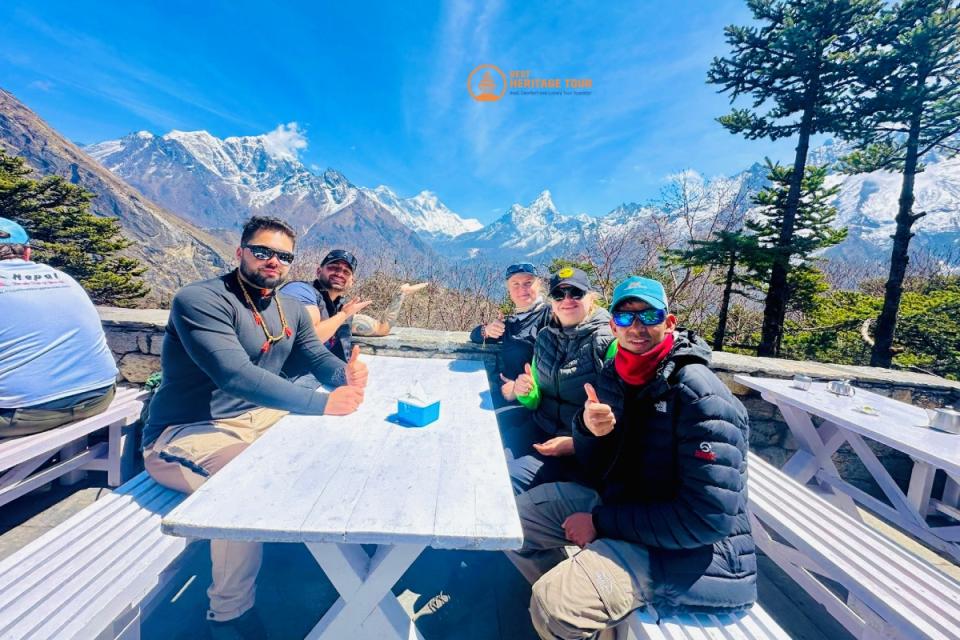
Everest View Panorama Trek (5-7 Days): Perfect for travelers, tourists, or families who want to experience Sherpa culture and view Mount Everest from lower, safer altitudes around Namche Bazaar and Tengboche.
Conclusion
The Everest Three Passes Trek is an extraordinary journey that showcases the raw, rugged soul of the Himalayas. While it poses significant challenges and is not naturally suited for absolute beginners, it remains an achievable dream for those possessing deep determination, proper physical training, and a safety-first mindset.
At Best Heritage Tour, we specialize in transforming ambitious travel dreams into safe, life-changing realities. Our handpicked team of veteran Sherpa guides, comprehensive acclimatization protocols, and tailored itineraries ensure that every traveler - whether a seasoned mountaineer or a passionate novice - is given the highest standard of care, safety, and authentic hospitality.
Don't leave your dream trek to chance. Let our local experts design the perfect, custom-tailored Himalayan itinerary for you.
Contact Best Heritage Tour
Phone / WhatsApp / Viber: +977-9851149197 / +977-9810043046
Email: info@bestheritagetour.com / bestheritagetour@gmail.com
Website: www.bestheritagetour.com
Office: Thamel Marg, Kathmandu, Nepal
Author: Best Heritage Tour
Date: 15th May, 2026