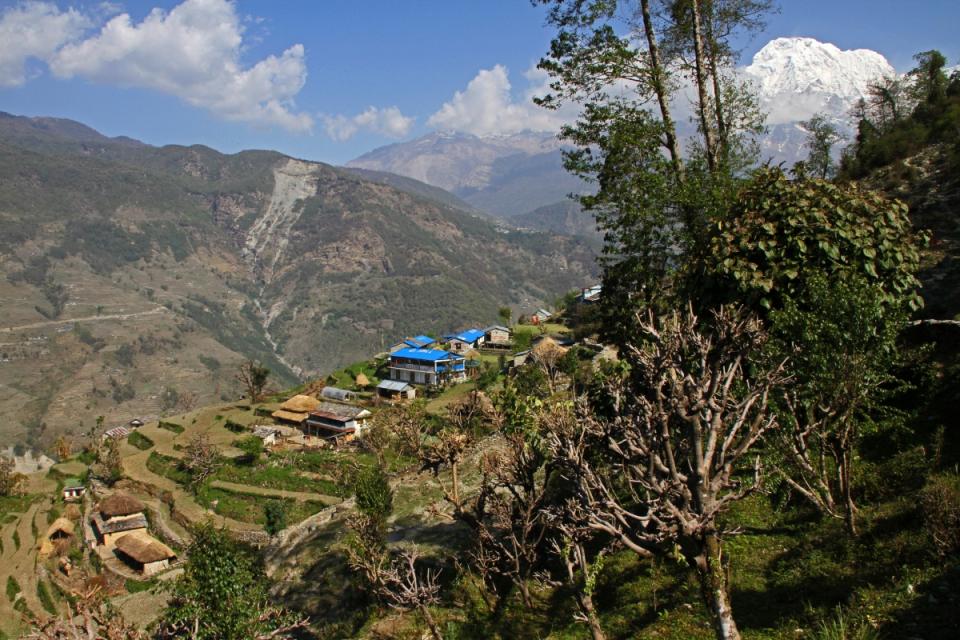
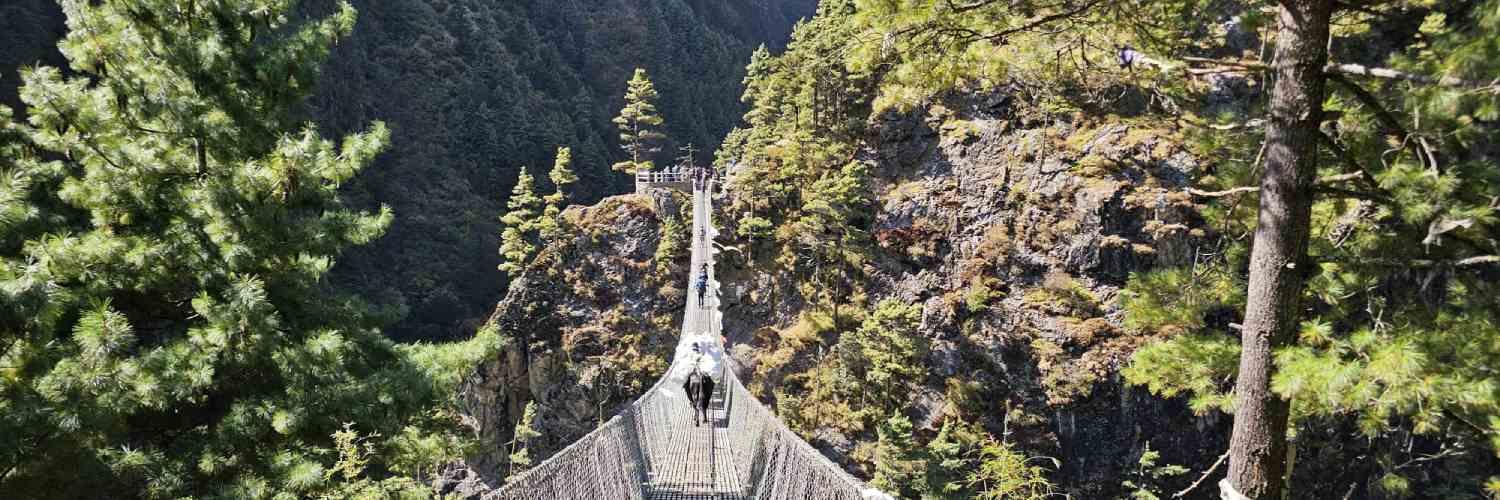
There is a persistent myth that the majesty of the Himalayas is reserved only for the elite athlete - the rugged trekker with steel lungs and a month to spare. At Best Heritage Tour, we’ve spent decades showing our guests that this couldn't be further from the truth. Nepal is not just a playground for mountaineers; it is a sanctuary for anyone who finds peace in the shadow of a giant.
Whether you are traveling with curious children, enjoying your golden years, or simply have a schedule that doesn't allow for a 14-day trek to Everest Base Camp, the "Roof of the World" is still within your reach. In this guide, we explore the most stunning Himalayan viewpoints in Nepal that require minimal hiking, accessible via scenic drives, cable cars, or gentle walks.
1. Nagarkot: The Sunrise Capital of the Kathmandu Valley
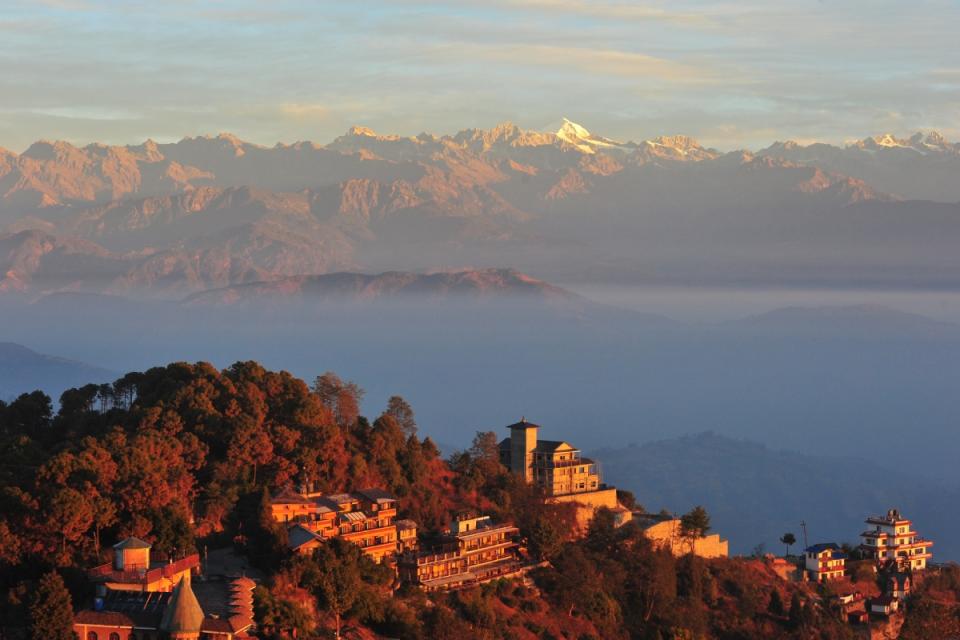
Located just 32 kilometers east of the bustling streets of Kathmandu, Nagarkot is arguably the most famous "easy" viewpoint in the country. Perched at an altitude of 2,175 meters, it serves as a natural balcony overlooking the central Himalayas.
Why It’s a Must-Visit
Nagarkot is one of the few places where you can see eight out of the thirteen Himalayan ranges in Nepal from your hotel balcony. On a crisp, clear morning, the panorama stretches from the Annapurna range in the west to the tiny, triangular tip of Mount Everest in the east.
Accessibility and "Hiking"
-
The Journey: A 1.5-hour winding drive from Kathmandu through terraced hillsides.
-
The Effort: Zero to minimal. You can stay in luxury resorts like the Club Himalaya or The Fort Resort, where the mountains are visible the moment you open your curtains.
-
Best Heritage Tip: For those who want a tiny bit of movement, the 1-hour walk to the Nagarkot View Tower is paved and gentle, offering a 360-degree vista that feels like standing on the edge of the world.
2. Sarangkot: Pokhara’s Golden Crown
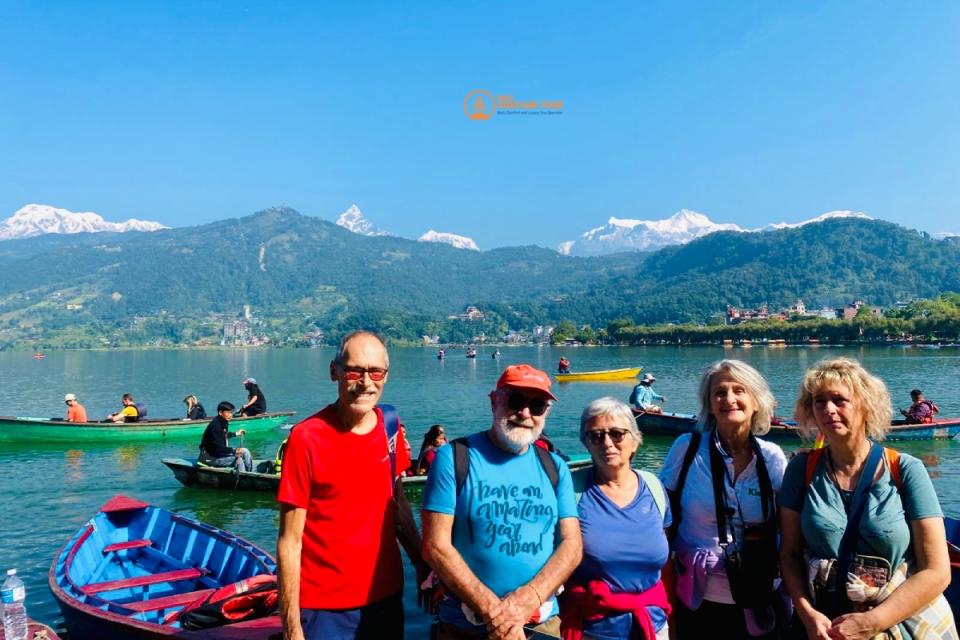
If Kathmandu is the cultural heart of Nepal, Pokhara is its soul. Standing guard over the city and the serene Phewa Lake is Sarangkot.
The Himalayan Spectacle
Sarangkot (1,600m) offers what many believe is the most "intimate" view of the mountains. The Annapurna Massif and the iconic Machhapuchhre (Fishtail) feel so close you could almost reach out and touch the ice. At dawn, the peaks transform from a ghostly blue to a fiery, molten gold.
Accessibility and "Hiking"
-
The Journey: A 30-minute drive from Pokhara’s Lakeside.
-
The Effort: You can be driven almost to the very top. A short 10-minute flight of stone stairs leads you to the main viewing platform.
-
The Heritage Experience: We often recommend our guests take the Annapurna Cable Car. It’s a smooth, scenic ride that skips the road traffic and deposits you directly into the lap of the mountains.
3. Chandragiri Hills: A Modern Gateway to Ancient Views
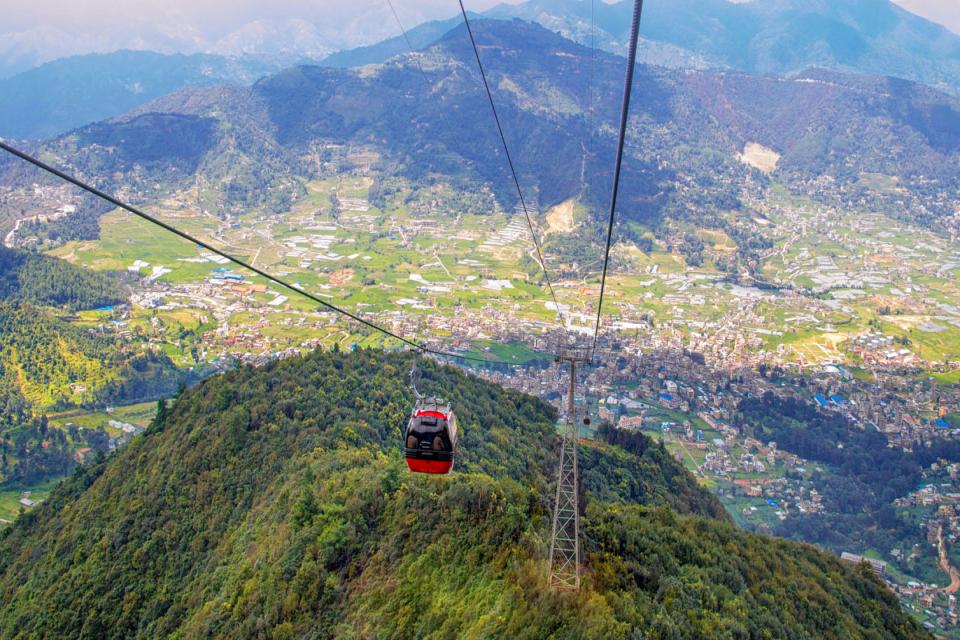
For the ultimate "no-hiking" experience, Chandragiri Hills is a triumph of modern accessibility. Located on the southwest rim of the Kathmandu Valley, this ridge was historically a strategic lookout for King Prithvi Narayan Shah during the unification of Nepal.
The View from the Top
From the summit at 2,551 meters, you get a bird’s-eye view of the entire Kathmandu Valley floor, contrasted against the massive white wall of the Langtang and Manaslu ranges. On clear days, the Everest range peeks through the clouds to the east.
Accessibility and "Hiking"
-
The Journey: A 45-minute drive from central Kathmandu to the base station at Thankot.
-
The Effort: The Chandragiri Cable Car whisks you 2.5 kilometers up the mountain in just 9 minutes.
-
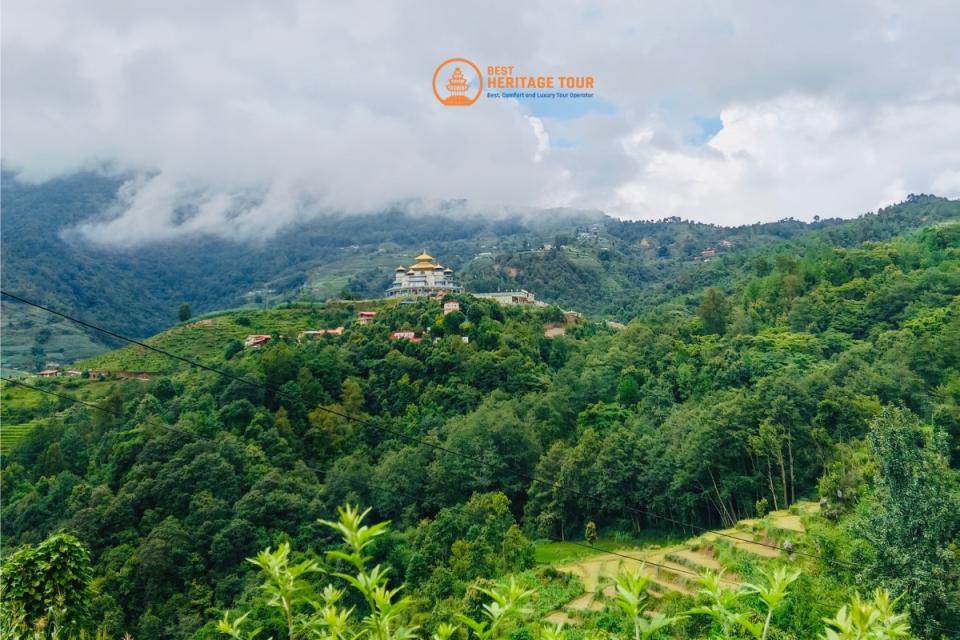
Best Heritage Tip: Visit the Bhaleshwor Mahadev Temple at the top. It’s a beautiful piece of Newari architecture that adds a layer of spiritual heritage to your mountain viewing.
4. Bandipur: The Living Museum
Bandipur is not just a viewpoint; it is a preserved piece of 18th-century Newari culture. This hilltop settlement, located midway between Kathmandu and Pokhara, was once a vital stop on the trade route to Tibet.
The Himalayan Backdrop
Because Bandipur sits on a high ridge, the north-facing side offers an unobstructed view of the Dhaulagiri, Annapurna, Manaslu, and Ganesh Himal ranges. The mountains seem to float above the "sea of clouds" that often fills the Marsyangdi Valley below.
Accessibility and "Hiking"
-
The Journey: A 4-hour drive from Kathmandu or 2.5 hours from Pokhara, followed by a short climb from the highway at Dumre.
-
The Effort: The town itself is a pedestrian zone. Walking the cobblestone main street is like stepping back in time. No hiking is required to see the mountains; they are visible from almost every guesthouse terrace.
-
The Heritage Experience: Stay in a traditional boutique hotel like The Old Inn to experience the carved wooden windows and red-brick charm of old-world Nepal.
5. Dhampus: The Gateway to the Annapurnas
For those who want the feeling of a trek without the grueling uphill climbs, the village of Dhampus is the perfect compromise.
Why We Love It
Dhampus (1,650m) sits on a ridge that provides a front-row seat to Annapurna South and Machhapuchhre. Unlike the high-altitude trails, Dhampus is surrounded by lush rhododendron forests and vibrant green rice terraces.
Accessibility and "Hiking"
-
The Journey: A 1-hour drive from Pokhara to Phedi or Kande.
-
The Effort: From Kande, it’s a very gentle 1.5-hour walk on a well-maintained trail. It’s the "easiest" trek in the Annapurna region and perfectly safe for seniors and children.
-
Best Heritage Tip: Pair this with a visit to the Australian Camp (just another 45 minutes of walking) for an even broader perspective of the mountains.
6. Daman: The Hidden Himalayan Panorama
If you want to escape the tourist crowds and see the longest stretch of the Himalayas possible, head to Daman. Located 80 km southwest of Kathmandu, it is one of the most underrated spots in the country.
The Epic View
Daman (2,322m) claims to offer a view that stretches from Mount Dhaulagiri in the west to Mount Everest in the east. There is a viewing tower equipped with long-range telescopes for those who want a closer look at the distant summits.
Accessibility and "Hiking"
-
The Journey: A roughly 3-hour drive from Kathmandu.
-
The Effort: The road takes you to the heart of the village. The viewing tower is a simple walk from the parking area.
-
Best Heritage Tip: Daman is particularly beautiful in the spring (March-April) when the surrounding forests burst into bloom with red and pink rhododendrons.
7. Dhulikhel: Tradition and Tranquility
While Nagarkot gets the fame, Dhulikhel gets the peace. This ancient town, located 30 km from Kathmandu, is famous for its sunrise and sunset views, but also for its deep-rooted Newari heritage.
The Mountain View
The panorama from Dhulikhel includes over 20 peaks, including Langtang Lirung, Gauri Shankar, and Melungtse. The views here are slightly more distant than in Nagarkot, but the tranquility makes up for it.
Accessibility and "Hiking"
-
The Journey: A 1-hour drive from Kathmandu on the Arniko Highway.
-
The Effort: Zero. High-end resorts like Dwarika’s Resort Dhulikhel offer some of the most luxurious mountain-viewing experiences in the world without requiring you to lace up a single hiking boot.
-
The Heritage Experience: Explore the old town's narrow alleys and visit the Hazarika Mahadev temple for a dose of local history.
Practical Tips for Your Himalayan Viewing Trip
1. Timing is Everything
The best months for clear mountain views are October to December (Post-monsoon) and March to May (Spring). During these times, the air is washed clean of dust, and the visibility is at its peak. In winter (January-February), views are still great, but it can be quite chilly at high altitudes.
2. The Early Bird Gets the Gold
The Himalayas are notoriously "shy." Clouds often roll in by mid-morning. To see the famous "Golden Glow," you need to be at your viewpoint at least 20 minutes before the scheduled sunrise.
3. Dress in Layers
Even if it's warm in Kathmandu or Pokhara, the temperature at viewpoints like Nagarkot or Daman can drop significantly at night and in the early morning. Always pack a fleece or a light down jacket.
4. Hydration and Sun Protection
Even at 2,000 meters, the Himalayan sun is strong. Wear sunscreen, a hat, and drink plenty of water to stay energized.
Conclusion
The beauty of Nepal is that its greatest treasures - the soaring, snow-capped peaks - are not locked behind a barrier of physical endurance. From the cable cars of Chandragiri to the balcony resorts of Nagarkot, the Himalayas are open to everyone.
You don't need to be a professional climber to feel the profound silence of the high mountains or the thrill of seeing the sun hit the top of the world. All you need is a sense of wonder and the right guide to show you the way.
Ready to see the Himalayas for yourself without the heavy lifting?
Phone / WhatsApp / Viber: +977-9851149197 / +977-9810043046
Email: info@bestheritagetour.com / bestheritagetour@gmail.com
Website: www.bestheritagetour.com
Office: Thamel Marg, Kathmandu, Nepal
Author: Best Heritage Tour
Date: 2nd February, 2026