For the modern adventurer, "epic" is a word often overused. However, there is one journey that truly earns the title - a trail that doesn't just cross a mountain, but an entire nation. At Best Heritage Tour, we call it the "Holy Grail of Trekking." We are talking about the Great Himalayan Trail (GHT).
If you are reading this, you aren't looking for a weekend stroll or a crowded tourist loop. You are looking for the absolute limit of human endurance and Himalayan beauty. The most frequent question we receive at our Kathmandu headquarters is: "What is the duration of the Great Himalayan Trek?"
In this comprehensive guide, we will break down the timeline, the sections, and the logistical reality of spending at least 120 days on the roof of the world.
What is the Great Himalayan Trek?
Before we dive into the calendar, we must define the beast. The Great Himalayan Trail is a cross-country network of trails that spans the entire length of Nepal, from the border of Sikkim in the east to the Tibetan border in the far west.
Unlike the Everest Base Camp or Annapurna Circuit, the GHT is not a single path. It is a philosophy of travel. It is divided into two main routes:
-
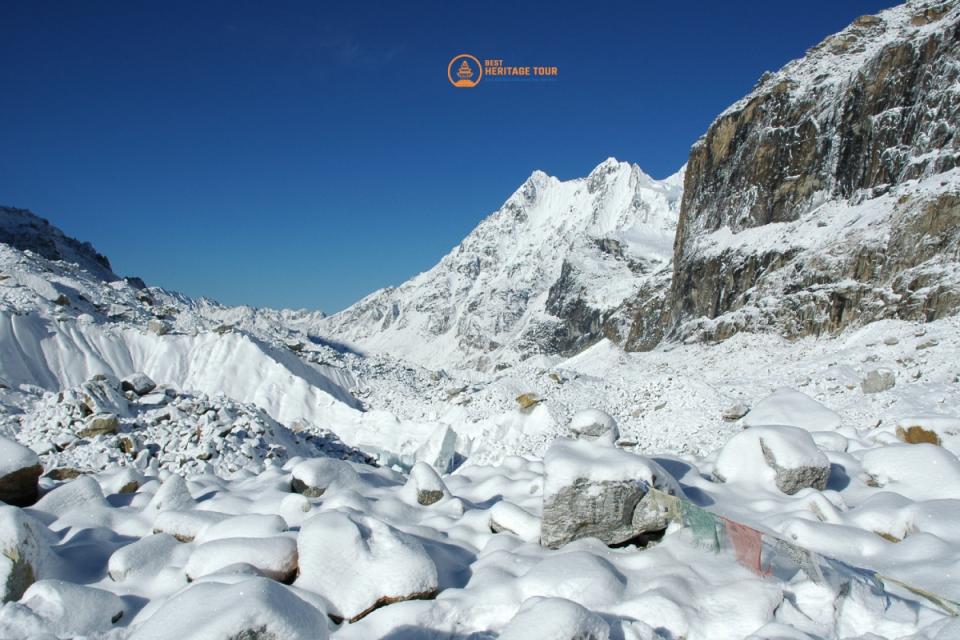
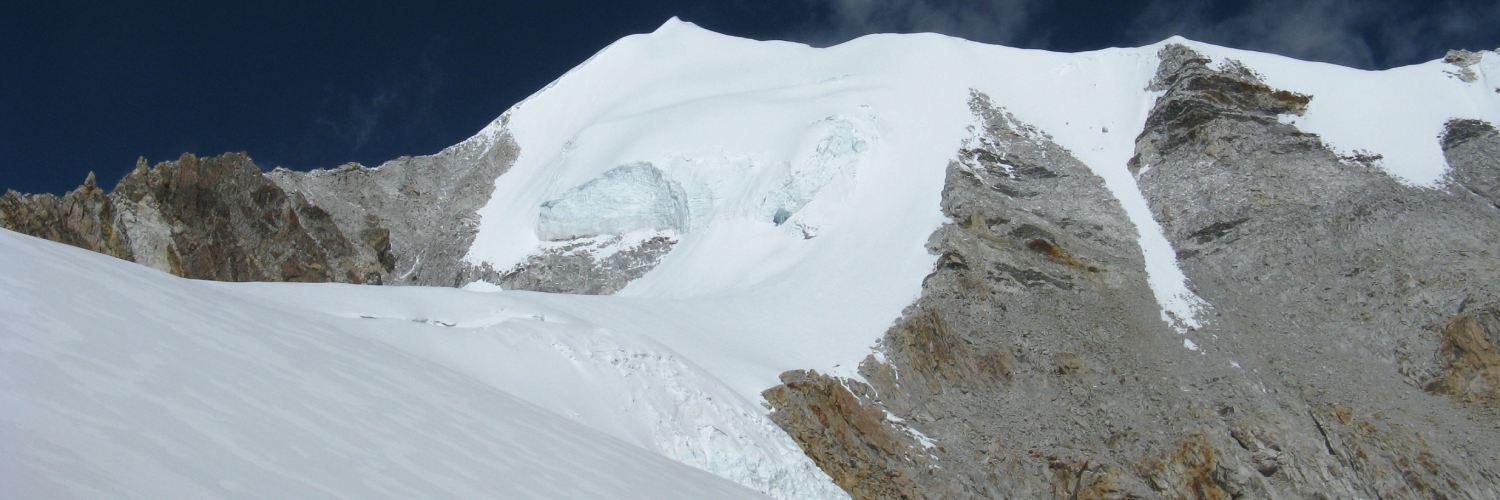
The High Route: An alpine odyssey that traverses high passes (often exceeding 6,000 meters), crossing glaciers and remote wilderness.
-
The Cultural (Low) Route: A journey through the middle hills, focusing on the diverse ethnic villages, lush forests, and the living heritage of Nepal.
For the purpose of this guide, we are focusing on the Full Traverse, a commitment that defines the pinnacle of adventure travel.
Duration of the Great Himalayan Trek: Why 120 Days?
When people ask, "How long is the Great Himalayan Trek?", the short answer is: Minimum 120 days. While some elite ultra-runners have clocked faster times, for a sustainable, safe, and culturally immersive expedition, 120 to 150 days is the industry gold standard. Why does it take four to five months? Let’s look at the breakdown:
1. The Physical Distance
The Nepal section of the GHT stretches approximately 1,700 kilometers (1,056 miles). To finish in 120 days, you must average roughly 14-15 kilometers of trekking per day. While that sounds manageable on flat ground, remember that "Himalayan flat" involves thousands of meters of vertical ascent and descent every single day.
2. Acclimatization and Safety
You cannot rush the Himalayas. The High Route involves crossing passes like the Sherpani Col (6,135m) and West Col. Your body requires scheduled rest days to adapt to the thinning oxygen. At Best Heritage Tour, we factor in "buffer days" for unpredictable mountain weather and recovery.
3. Logistical Complexity
A 120-day trek isn't just about walking. It involves resupplying food, arranging permits for restricted areas like Upper Mustang and Dolpo, and occasionally waiting for snow to melt on high passes.
Section-by-Section Breakdown: The 120-Day Itinerary
To understand the duration of the Great Himalayan Trek, it helps to view it as ten distinct segments. Here is how those 120+ days are typically spent:
|
Section |
Region |
Estimated Days |
Highlight |
|---|---|---|---|
|
1 |
Kanchenjunga |
20-25 Days |
The start at the world’s 3rd highest peak. |
|
2 |
Makalu Barun |
15-20 Days |
The most technical passes (Sherpani Col). |
|
3 |
Everest & Rolwaling |
18-22 Days |
The heart of Sherpa culture and Tsho Rolpa Lake. |
|
4 |
Langtang & Helambu |
12-15 Days |
Red Panda territory and holy Gosaikunda. |
|
5 |
Manaslu & Ganesh Himal |
15-18 Days |
The spiritual Tsum Valley and Larkya La. |
|
6 |
Annapurna & Mustang |
15-20 Days |
Tilicho Lake and the "Forbidden Kingdom." |
|
7 |
Dolpo (Upper & Lower) |
20-25 Days |
Phoksundo Lake and ancient Bon culture. |
|
8 |
Rara & Jumla |
10-12 Days |
Nepal’s largest lake, Rara. |
|
9 |
Humla & Far West |
15-18 Days |
The final frontier at the Tibetan border. |
The Challenges of a 4-Month Expedition
Knowing how long the Great Himalayan Trek is is only half the battle; surviving the duration is the real challenge.
Extreme Weather Windows
To complete the GHT in one go, you usually start in the spring (March) in the east and finish in the west by mid-summer, or start in the autumn (September). Managing the transition from freezing winter snow to the pre-monsoon heat requires a versatile gear list and expert guiding.
Mental Endurance
Spending 120 days in a tent or basic tea houses is a mental marathon. You will face physical exhaustion, "trail fatigue," and long periods of isolation in the Far West. This is why Best Heritage Tour emphasizes the importance of a professional crew that provides not just physical support, but moral encouragement.
Permit and Bureaucracy
The GHT crosses through multiple National Parks and Restricted Areas. The duration of your trek is often dictated by the validity of these permits. Navigating the paperwork for a 4-month journey is a full-time job - one that we handle for our clients to ensure a seamless transition between regions.
Why Choose the Full Traverse with Best Heritage Tour?
As a premier travel company based in Nepal, Best Heritage Tour specializes in "off the beaten trail" experiences. We don't just follow the map; we understand the rhythm of the mountains.
-
Experienced Trekking Guides: Our guides are veterans who have spent decades in the high-altitude wilderness.
-
Customized Logistics: We manage the complex resupply chains, ensuring you have fresh supplies and gear even in the most remote corners of Dolpo or Humla.
-
Heritage Focus: We ensure your 120-day journey isn't just a physical feat, but a deep dive into the heritage, languages, and traditions of the 100+ ethnic groups you will encounter.
Is the Great Himalayan Trek Right for You?
Before committing to the duration of the Great Himalayan Trek, ask yourself:
-
Have I completed multiple 3-week high-altitude treks before?
-
Am I comfortable with basic (or no) infrastructure for weeks at a time?
-
Do I have the physical fitness to climb the equivalent of Mt. Everest multiple times over four months?
If the answer is YES, then you are among the few ready to join the elite ranks of GHT finishers.
Conclusion
The Great Himalayan Trek is more than just a long walk. It is a 120-day meditation on the grandeur of nature and the resilience of the human spirit. From the rhododendron forests of Kanchenjunga to the arid, wind-swept plateaus of the Far West, every day offers a new perspective on what it means to be alive.
Understanding the duration of the Great Himalayan Trek is the first step in your planning. Whether you choose to tackle the full 120-day traverse in one season or break it into sections over several years, the Himalayas are waiting to transform you.
Ready to Start Your Expedition?
Planning a 120-day journey across the world's highest mountain range requires precision, local expertise, and a passion for adventure. At Best Heritage Tour, we are ready to turn your dream into a reality.
Contact Best Heritage Tour today for a customized GHT consultation:
Phone / WhatsApp / Viber: +977-9851149197 / +977-9810043046
Email: info@bestheritagetour.com / bestheritagetour@gmail.com
Website: www.bestheritagetour.com
Office: Thamel Marg, Kathmandu, Nepal
Author: Best Heritage Tour
Date: 10th April, 2026