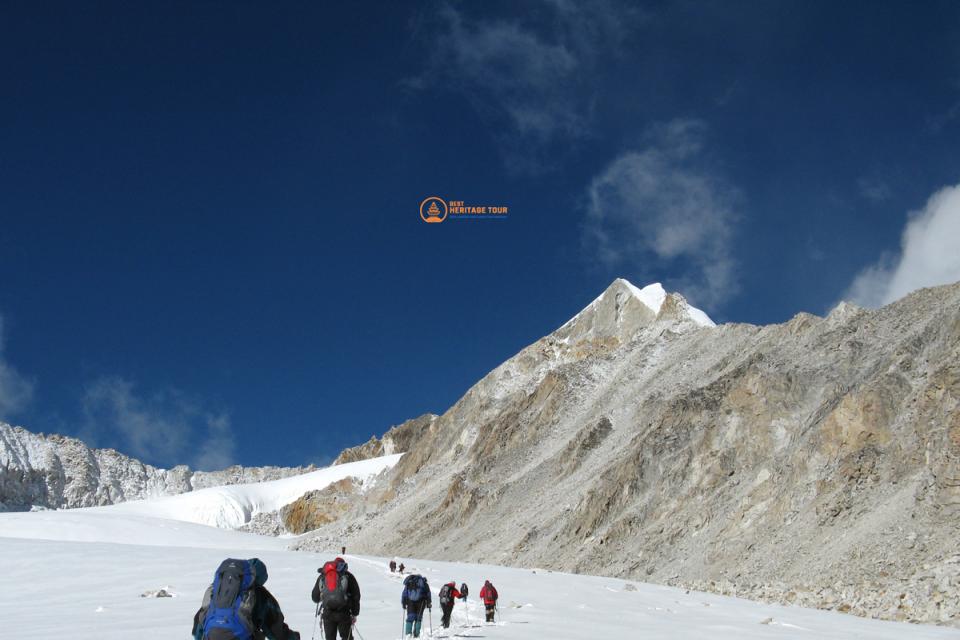
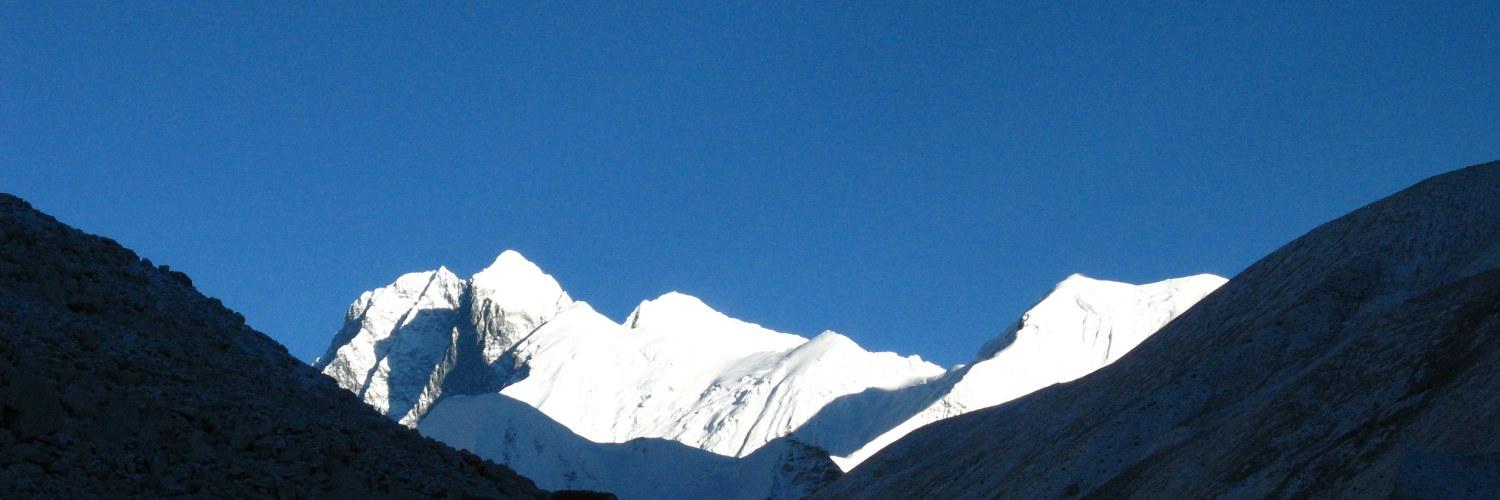
Finding the best time for the Makalu Base Camp Trek is the first step toward conquering one of the most rewarding and secluded trails in the Himalayas. As the fifth-highest mountain in the world, Mt. Makalu (8,485m) offers a rugged, off-the-beaten-path experience that demands precise timing.
At Best Heritage Tour, we believe that the success of your Himalayan adventure depends entirely on being in the right place at the right time. Whether you are chasing the vibrant rhododendron blooms of spring or the razor-sharp mountain views of autumn, this guide will break down the seasonal nuances of the Makalu Barun region.
Why Timing is Everything for Makalu Base Camp
The Makalu Base Camp (MBC) trek is not your average stroll to Everest or Annapurna. It is a strenuous journey through the Makalu Barun National Park, known for its extreme vertical diversity - ranging from lush tropical forests at 400m to the icy base camp at 4,870m.
Because the trail crosses high-altitude passes like the Shipton La (4,216m) and Keke La (4,170m), weather windows are narrow. Choosing the wrong month could mean blocked passes due to snow or views obscured by monsoon clouds.
Quick Summary: The Peak Seasons
-
Primary Window: Autumn (September to November)
-
Secondary Window: Spring (March to May)
-
Off-Season: Winter (December to February) and Monsoon (June to August)
1. Autumn: The Gold Standard (September - November)
If you ask any veteran guide at Best Heritage Tour for the "absolute best time," they will point to Autumn. This is the post-monsoon period where the dust and pollution are washed away, leaving the atmosphere incredibly thin and clear.
September: The Transition
Early September still carries the tail-end of the monsoon. You might encounter occasional rain in the lower sections like Num and Seduwa. However, by the third week, the skies begin to open.
-
Why choose September: The landscapes are incredibly green, and the waterfalls along the Barun River are at their most powerful.
-
Crowd Factor: Very low.
October: The Perfectionist’s Month
October is widely considered the peak trekking month in Nepal. The stability of the weather is unparalleled.
-
Visibility: You get 360-degree views of Makalu, Lhotse, and Everest.
-
Temperature: Pleasant daytime temperatures (10°C to 15°C in mid-altitudes), though it dips below freezing at the Base Camp.
-
SEO Tip: If you are looking for the most stable weather for high-pass trekking, October is your best bet.
November: The Crisp Finale
November brings even drier air and deeper blue skies. The temperatures start to drop significantly, especially at Khongma Danda and above.
-
The Perk: The air is so clear that photography enthusiasts can capture the "pyramid" of Makalu with zero haze.
-
The Catch: You’ll need high-quality down gear as nighttime temperatures at MBC can hit -10°C.
2. Spring: The Floral Symphony (March - May)
Spring is the second most popular time for the Makalu Base Camp trek. While autumn is about the views, spring is about the life returning to the mountains.
March: The Awakening
Early March still feels like winter in the high altitudes. Trails near the Shipton La may still be covered in deep snow, making the trek more challenging.
-
Best for: Trekkers who enjoy a snowy challenge and solitude.
April: The Rhododendron Peak
This is when the Makalu Barun National Park truly shines. The forests between Tashigaon and Khongma burst into shades of red, pink, and white rhododendrons (Nepal's national flower).
-
Wildlife: Higher chances of spotting rare birds and potentially the elusive Red Panda.
-
Temperature: Warmer than autumn, making the higher camps more comfortable.
May: The Pre-Monsoon Heat
May is the warmest month to trek. It is also the month when most Makalu expeditions attempt the summit.
-
Atmosphere: It can get a bit hazy at lower altitudes due to dust, but the high-altitude views remain spectacular.
-
Condition: Late May might see the buildup of pre-monsoon clouds in the afternoons.
3. The Off-Seasons: For the Brave and the Prepared
Winter (December - February)
Trekking to Makalu Base Camp in winter is a hardcore expedition.
-
The Risk: The Shipton La pass often becomes impassable due to heavy snow. Most teahouses above Tashigaon close down as locals migrate to lower elevations.
-
The Reward: If you manage to reach the base camp, the silence is profound, and the snow-capped peaks are breathtaking. Note: We only recommend this for highly experienced winter trekkers with a professional support team.
Monsoon (June - August)
We generally advise against trekking to Makalu during the monsoon.
-
Challenges: The Arun Valley is one of the wettest regions in Nepal. Expect heavy rain, leeches in the forest sections, and high risks of landslides and flight cancellations to Tumlingtar.
-
Visibility: Mountains are usually hidden behind thick clouds.
Month-by-Month Temperature & Condition Table
|
Month |
Avg. Temp (Base Camp) |
Trail Condition |
Visibility |
|---|---|---|---|
|
March |
-12°C to -2°C |
Snowy/Icy |
High |
|
April |
-8°C to 5°C |
Clear/Floral |
Moderate/High |
|
May |
-4°C to 10°C |
Clear |
Moderate |
|
Sept |
-2°C to 8°C |
Lush/Wet |
Improving |
|
Oct |
-10°C to 4°C |
Perfect |
Excellent |
|
Nov |
-15°C to 0°C |
Dry/Cold |
Excellent |
Essential Considerations for Your Trip
1. Permits for 2026
To trek in this region, you require:
-
Makalu Barun National Park Entry Permit: Approx. 3,000 NPR for foreigners.
-
Makalu Rural Municipality Permit: Approx. 20 USD per person (for the first 4 weeks).
-
Note: In 2026, a "Green Fee" of 1,000 NPR has been introduced for waste management in conservation areas.
2. Physical Fitness
Regardless of the time of year, Makalu is a Level 4 (Strenuous) trek. You will be climbing thousands of stone steps and crossing high passes. We recommend at least 3 months of cardio and strength training prior to arrival.
3. Travel Insurance
Ensure your policy covers Emergency Helicopter Evacuation up to 5,000m. This is a mandatory requirement for our guests at Best Heritage Tour, as the region is extremely remote with no road access beyond Num.
Packing Essentials: A Seasonal Guide
-
For Spring/Autumn: Layering is key. Moisture-wicking base layers, a warm fleece, and a heavy down jacket (rated to -20°C) are essential.
-
Footwear: Broken-in, waterproof trekking boots with good ankle support.
-
Gear: Trekking poles (to save your knees on the steep descents from Shipton La) and a high-quality sleeping bag.
Why Choose the Makalu Region?
While Everest sees thousands of trekkers daily, Makalu remains a sanctuary for those seeking the "old Nepal." You won't find luxury bakeries or Wi-Fi at every corner here. Instead, you find authentic Rai and Sherpa culture, untouched primary forests, and a sense of isolation that is becoming rare in the modern world.
Conclusion
The Makalu Base Camp trek is a journey of a lifetime, but it demands respect for the mountain's temperament. Choosing the Autumn (September-November) window offers the most reliable conditions for breathtaking photography and safe pass crossings. However, if you are a lover of botany and milder weather, Spring (March-May) will not disappoint.
At Best Heritage Tour, we specialize in high-altitude logistics and cultural immersion. Our guides are sons of these mountains, trained to monitor your health (oxygen levels and acclimatization) while sharing the deep history of the Makalu-Barun valley. We handle all the complexities - from Tumlingtar flight bookings to the latest 2026 permit regulations - so you can focus on the trail ahead.
Ready to Stand Before the Great Black Giant?
Don't leave your Himalayan dream to chance. Contact our experts today to receive a customized itinerary tailored to your fitness level and the best seasonal window.
Phone / WhatsApp / Viber: +977-9851149197 / +977-9810043046
Email: info@bestheritagetour.com / bestheritagetour@gmail.com
Website: www.bestheritagetour.com
Office: Thamel Marg, Kathmandu, Nepal
Author: Best Heritage Tour
Date: 7th April, 2026