Best Time for Mad Honey Hunting Tour
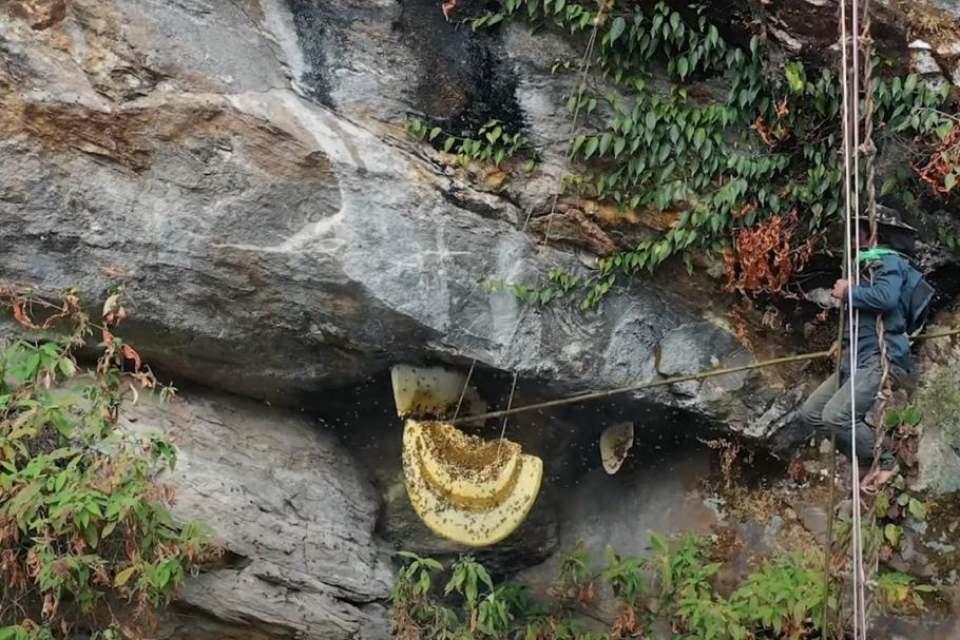
Deep in the rugged foothills of the Annapurna and Lamjung ranges, a tradition exists that defies both gravity and time. For the Gurung people of Nepal, honey hunting isn’t just a harvest - it is a sacred dance between man and nature, performed on the face of 300-foot vertical cliffs.
If you are a traveler seeking the "real" Nepal, a vlogger hunting for cinematic gold, or a photographer looking to capture a vanishing heritage, you’ve likely heard whispers of the Himalayan Red Honey. But here is the truth: you can’t just show up and expect to see it. Timing is everything.
At Best Heritage Tour, we’ve spent years navigating these cliffs alongside the local hunters. To help you plan your expedition, we’ve put together the ultimate guide on the best time for Mad Honey Hunting in Nepal, along with the insider details you need to document this breathtaking ritual.
What Exactly is "Mad Honey" Hunting?
Before we dive into the calendar, let’s talk about the "why." This isn't your average backyard beekeeping. The Himalayan Giant Honey Bee (Apis dorsata laboriosa) - the largest honey bee in the world - builds its nests on the overhangs of sheer rock faces.
These bees feed on rhododendron flowers containing grayanotoxins, which infuse the honey with medicinal, and in higher doses, hallucinogenic properties. This is the legendary Red Honey. To get it, local hunters scale the cliffs using nothing but handmade bamboo ladders and hemp ropes, suspended hundreds of feet in the air while thousands of bees swarm around them.
The Golden Windows: When to Visit
In Nepal, the harvest happens twice a year. However, the experience for a tourist or a filmmaker varies significantly between the two seasons.
1. The Prime Season: Spring (Mid-April to May)
If you want the most potent, "maddest" honey, Spring is the undisputed king.
-
Why it’s the best: This is when the rhododendrons are in full bloom across the Himalayas. Because the bees are feeding primarily on these flowers, the honey harvested in late April and May has the highest concentration of grayanotoxins.
-
The Landscape: The hills are a riot of color - pinks, reds, and whites. For photographers, the contrast between the colorful flora and the grey, jagged cliffs is spectacular.
-
The Weather: The days are long and warm. While the afternoons might bring a pre-monsoon breeze, the mornings are usually crystal clear, offering perfect lighting for high-speed shutter shots of the bees in flight.
2. The Cultural Harvest: Autumn (October to November)
The secondary season falls after the monsoon rains have washed the dust from the air.
-
Why it’s great: While the honey in Autumn is often less "mad" (less psychoactive) because the rhododendron bloom has passed, the clarity of the sky is unmatched.
-
The Vlogger’s Dream: If your goal is to capture the snow-capped peaks of Annapurna or Manaslu in the background while the hunters are on the ropes, this is your season. The post-monsoon air is incredibly thin and clear, providing miles of visibility.
-
Festive Vibes: Autumn is also the season of Dashain and Tihar, Nepal’s biggest festivals. You’ll experience the villages of Lamjung at their most vibrant, with communal feasts and traditional dances.
Seasonal Comparison for Travelers
|
Feature |
Spring (April-May) |
Autumn (Oct-Nov) |
|---|---|---|
|
Honey Potency |
Maximum (True Red Honey) |
Moderate / Medicinal |
|
Photography Light |
Golden & Soft |
High Contrast & Crisp |
|
Bee Activity |
Very High |
High |
|
Trekking Conditions |
Warm / Humid |
Cool / Perfect |
|
Background Views |
Occasional Clouds |
Clear Himalayan Peaks |
Top Locations: Where the Magic Happens
At Best Heritage Tour, we specialize in the Lamjung District, which remains the heart of the honey-hunting culture.
1. Bhujung Village
Bhujung is one of the largest and most pristine Gurung settlements. The cliffs here are legendary. Because the village is tucked away in a deep valley, the tradition has remained remarkably untouched by modern tourism. It’s the best place for vloggers who want an authentic, "raw" story.
2. Chamje & Tal
Located along the Annapurna Circuit route, these areas offer dramatic waterfalls and cliffs that are slightly more accessible. If you are a photographer with a lot of heavy gear, the proximity to the trail makes these spots a practical choice without sacrificing the "wow" factor.
3. Ghalegaun
Known as a "Model Trekking Village," Ghalegaun offers incredible homestay experiences. You can sleep in a traditional stone house and walk to the hunting sites at dawn. It’s perfect for those who want to document the community aspect of the hunt - the rituals, the prayers, and the communal honey-straining.
Insider Tips for Photographers and Vloggers
Capturing a honey hunt is a technical challenge. You are dealing with high heights, moving targets (bees and hunters), and unpredictable light.
-
The "Long" Game: Bring a 70-200mm or even a 400mm lens. You will be standing on a narrow trail or an opposite ridge; you won't be right next to the hunter. You need that reach to capture the sweat on the hunter's brow and the swarm of bees.
-
Protection is Priority: Even 100 meters away, the smoke can send bees toward the crowd. We always provide our guests with bee veils, but vloggers should bring "deadcats" (wind muffs) for their microphones, as the buzzing of thousands of bees can easily redline your audio.
-
Drone Etiquette: Drones provide incredible "God’s eye" perspectives of the cliffs. However, bees will attack a drone, thinking it’s a giant hornet. At Best Heritage Tour, we coordinate with the hunters to ensure drone flights don’t distract them during the most dangerous parts of the climb.
-
The Ritual: Don’t just film the harvest. The sacrifice and puja before the hunt are just as important. The hunters believe that if they don't appease the cliff gods, the ropes will snap. This is the "soul" of your content.
Safety and Ethics: Travel Like a Pro
Honey hunting is dangerous. Not just for the hunters, but for the bees. As a responsible travel company, we advocate for Sustainable Honey Hunting.
-
Don't Disturb the Hive: Never throw stones or make loud noises to "get the bees moving" for a shot.
-
Health Check: If you plan to taste the Mad Honey, start with a tiny spoonful. In the Spring, a single tablespoon can lead to a day of "spinning" and nausea. Our guides will help you dose it safely.
-
Support the Community: The honey belongs to the village. We ensure that a significant portion of your tour cost goes directly to the Honey Hunting Committee of the local village to preserve their heritage and protect the bee habitats.
Why Book with Best Heritage Tour?
We aren't just a booking agency; we are your local fixers. When you choose to travel with us, you get:
-
Direct Access: We have deep-rooted relationships with the head hunters (the Chitwas).
-
Safety Gear: We provide professional bee protection for all our guests.
-
Custom Itineraries: Whether you need three days at a single cliff for a documentary or a week-long trek, we build the trip around your creative goals.
Ready to witness the wildest harvest on Earth?
The cliffs of Lamjung are calling. Whether you’re looking to fill your portfolio with award-winning shots or simply want to experience a ritual that hasn't changed in a thousand years, we are here to take you there.