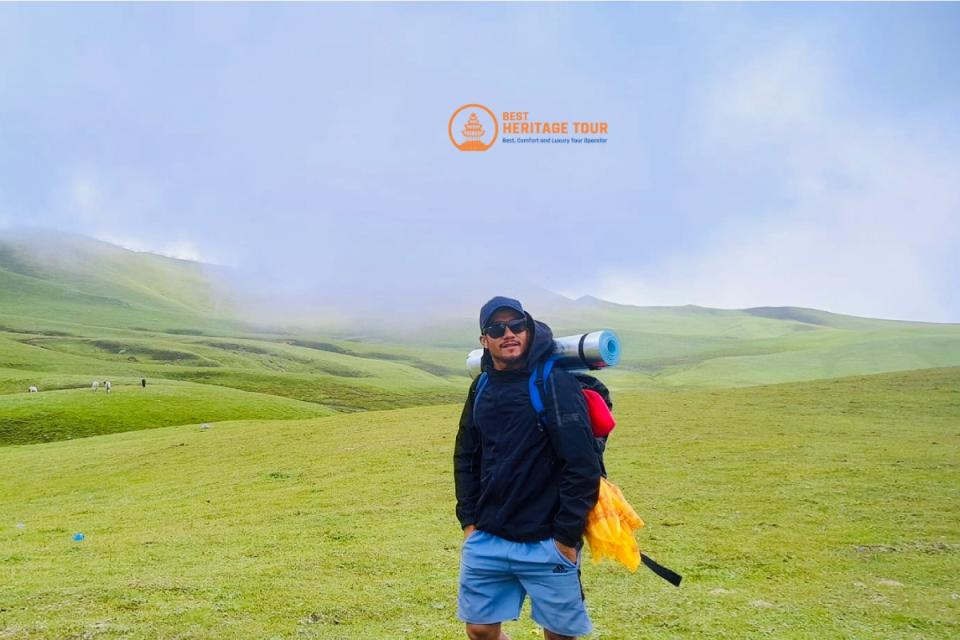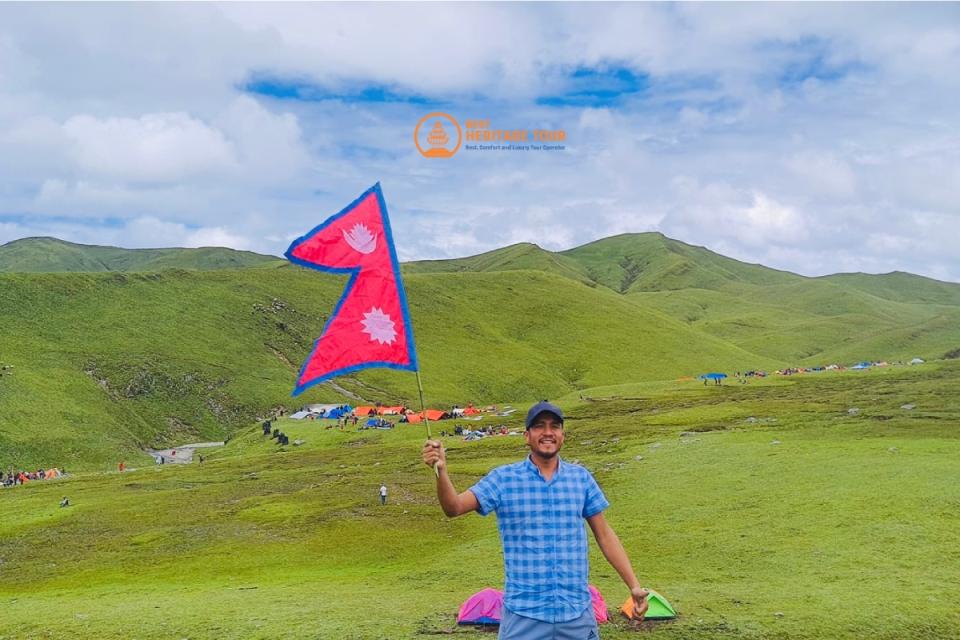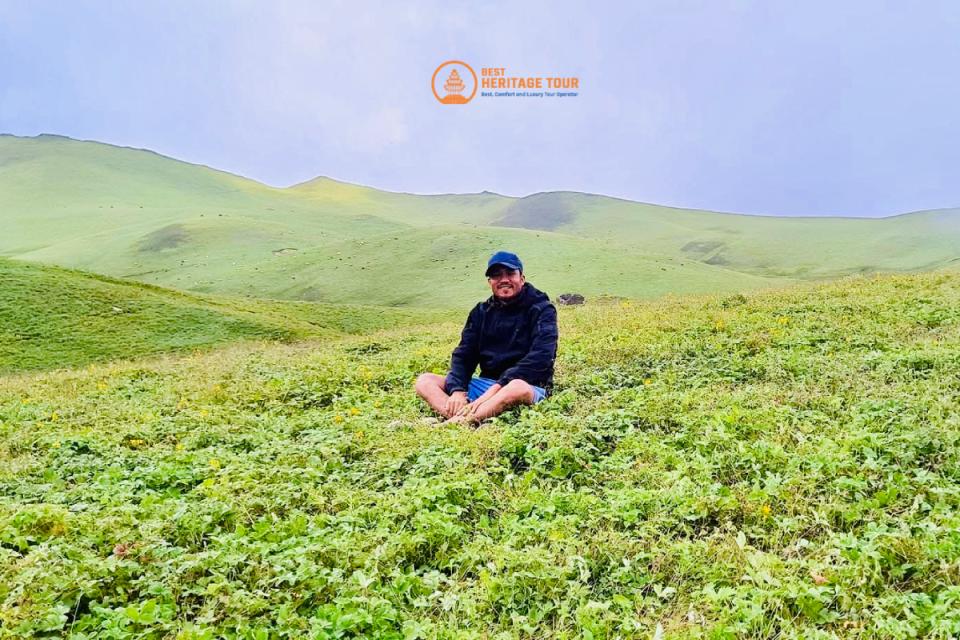
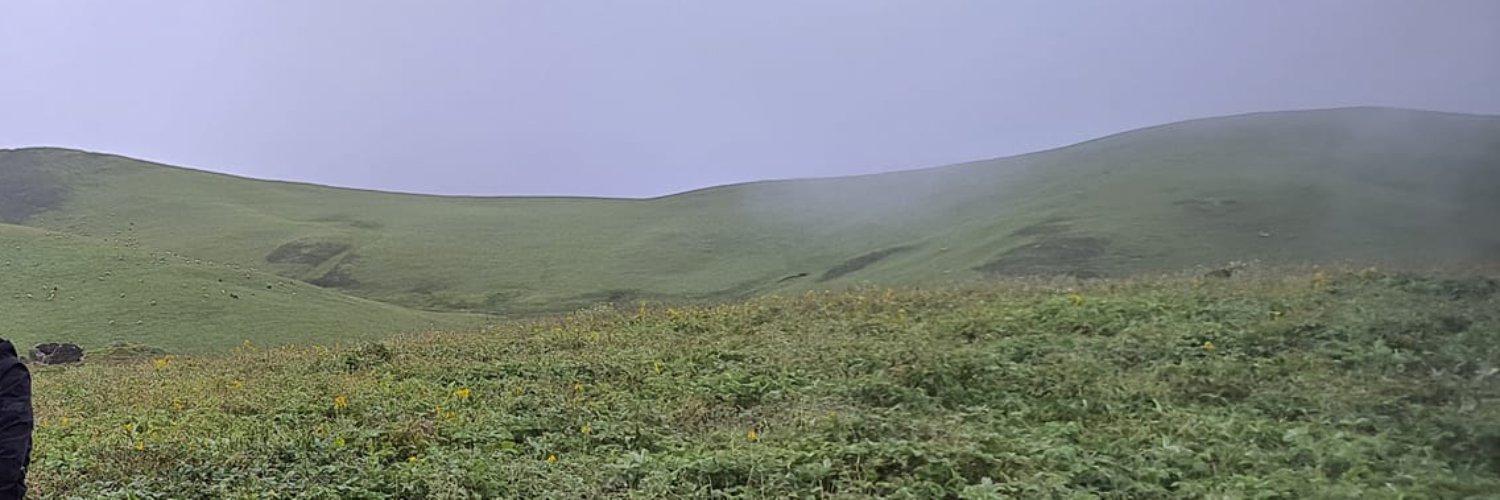
For those who feel that the classic trails of the Annapurna Circuit or Everest Base Camp have become a bit too crowded, the untamed wilderness of Sudurpashchim Province (Far-Western Nepal) beckons. Towering over the rolling alpine grasslands of the Bajura district sits the sacred Badimalika Temple at an altitude of 4,214 meters (13,825 feet). It is a destination where dramatic geographical ridges, deep spiritual energy, and ancient Khas culture converge.
Yet, because it remains beautifully isolated, the most common question we receive at Best Heritage Tour from eager adventurers is: How difficult is the Badimalika Trek?
Understanding the Badimalika Trek difficulty requires moving past standard elevation statistics. While 4,214 meters is lower than the passes of north-central Nepal, the sheer remoteness, lack of commercialized teahouse infrastructure, and raw terrain categorize this journey as moderate to challenging.
This comprehensive Badimalika Trek guide breaks down every physical, geographical, and logistical obstacle you will encounter on this bucket-list trail, helping you determine if you are ready to conquer Far-Western Nepal’s ultimate frontier.
Quick Facts: Demographics of the Trail
Before diving into the specific challenges, let us look at the logistical blueprint of a standard expedition with us:
|
Trip Characteristic |
Details |
|---|---|
|
Maximum Elevation |
4,214 meters (13,825 feet) at Badimalika Temple Summit |
|
Trek Duration |
10 to 14 days (depending on the transit route from Dhangadhi) |
|
Daily Trekking Hours |
5 to 7 hours of active walking per day |
|
Accommodation Style |
True Wilderness Camping (Mandatory at higher elevations) |
|
Best Seasons |
Spring (April-May) and Autumn (September-October) |
|
Physical Rating |
Moderate to Challenging (Requires strong endurance) |
1. Physical Endurance and Elevation Gain: The True Test
When analyzing how difficult is the Badimalika Trek, the conversation must begin with the terrain's sheer physical demand. Unlike the gradual, stone-paved stairs of the Khumbu region, the path to Badimalika is a relentless combination of steep ascents, narrow ridgelines, and deep river valleys.
The Incline Scale
Your trek effectively gains muscle as you leave the lower valleys of Bajura. From the riverbed settlement of Jadanga, the trail climbs sharply through sub-tropical forests up to Budha Krodh (2,700m), before making a punishing push through the dense woods toward the high plateau of Triveni Dham (3,870m).
You are looking at sustained daily vertical elevation gains of 700 to 1,100 meters. This puts an immense strain on your quadriceps, calves, and knees, particularly during the descents when the trails can be loose and rocky.
Altitude Concerns Above 3,000 Meters
Because the air grows thinner once you clear the tree line past Budha Krodh, acclimation is vital. While severe Acute Mountain Sickness (AMS) is less prevalent here than on 5,000-meter passes, the rapid change in pressure can cause mild headaches, shortness of breath, and fatigue. Our itineraries are specifically calibrated to include essential pacing strategies, but your cardiovascular endurance must be well-developed before setting foot on this trail.
2. Infrastructure Deficit: The Challenge of Absolute Self-Reliance
The primary factor that elevates the Badimalika Trek difficulty from a standard hike to a true wilderness expedition is the near-total lack of commercial tourism infrastructure.
Popular Treks (Everest/Annapurna) ----- Luxury Lodges, Wi-Fi, Flush Toilets, Varied Menus
Badimalika Wilderness Trail ----- Off-Grid Camping, Homestays, Open Grasslands, Local Dal Bhat
The Reality of Camping Logistics
On the Annapurna or Langtang routes, you can hike with a light daypack and sleep in heated teahouses every evening. On the Badimalika trail, teahouses are only available in the lowest farming settlements, such as Martadi or Jadanga.
Once you climb into the upper alpine plateaus, mandatory wilderness camping becomes the rule.
-
Sleeping in high-altitude four-season tents.
-
Relying entirely on a kitchen crew for hot meals.
-
Navigating freezing alpine nights without indoor heating.
For travelers accustomed to cozy lodges, the psychological adjustment to living in a tent for several consecutive days amid the silent, wind-swept meadows of Triveni is often the hardest part of the trip.
Off-Grid Realities
There are no charging stations, no Wi-Fi networks, and very limited cellular coverage (mostly erratic Nepal Telecom or Ncell signals on high ridges) once you deep-dive into the trek. If an emergency occurs, help is far away. This emphasizes why booking with an organized crew like ours is paramount for your safety; we manage the heavy logistics, porter support, and emergency communication setups seamlessly.
3. Trail Conditions and Technicality
No technical mountaineering skills, ropes, or ice axes are required for the Badimalika Trek. However, do not confuse "non-technical" with "easy."
Mud, Stone, and Exposed Ridges
The trail passes through diverse, unpredictable micro-ecosystems. The lower sections feature muddy farming paths and river crossings that can be slippery. As you ascend, the trail transitions into exposed, narrow paths hugging the sides of massive green hills.
Walking along these wide-open meadows - known locally as Patan - feels like walking on the edge of the world. High alpine winds regularly sweep across these plateaus, requiring trekkers to maintain excellent balance and a steady footing.
The Sacred Steps to the Shakti Peeth
The final push from the confluence of Triveni Dham to the Badimalika Temple summit is a steep, breathless ridge walk. On mornings when frost covers the grass, this section requires focused concentration. A single misstep on the narrow ridgelines can lead to a long slide down the grassy slopes, making trekking poles an absolute necessity.
4. Weather Volatility in the Far West
The weather in the Sudurpashchim highlands is notoriously unpredictable and plays a major role in determining how difficult is the Badimalika Trek at any given time.
The Ideal Windows: Spring & Autumn
During Spring (April to May), the lower forests erupt in shades of red and pink rhododendrons, and the high-altitude meadows begin to shake off the winter snow. Daytime temperatures are pleasant for walking, though the nights remain cold.
In Autumn (September to November), the post-monsoon air provides unparalleled clarity, allowing you to view the razor-sharp profiles of Mt. Api (7,132m) and Mt. Saipal (7,031m) on the horizon.
[Winter: Dec-Feb] -- Heavy Snow, Impassable Ridges, Extreme Cold (Avoid)
[Spring: Apr-May] -- Rhododendron Blooms, Moderate Cold, Stable Trails (Ideal)
[Monsoon: Jun-Aug] -- Heavy Rain, Slippery Clay, Pilgrimage Crowds (Challenging)
[Autumn: Sep-Nov] -- Crisp Skies, Deep Green Hills, Peak Visibility (Ideal)
The Monsoon and Pilgrimage Dynamic (June to August)
Unlike north-central Nepal, where monsoon trekking is widely discouraged, the Badimalika region sees its highest local foot traffic in late August during the Janai Purnima festival. Thousands of devout Hindu pilgrims from Nepal and India make the journey to worship the goddess Malika.
While culturally fascinating, trekking during this window multiplies the difficulty level tenfold:
-
The trails turn into slick, muddy clay paths.
-
Leeches become a constant nuisance in the forest zones.
-
Massive downpours can trigger landslides along the long driving routes from Dhangadhi or Nepalgunj.
-
The serene meadows become packed with temporary pilgrim tents, stripping away the solitude of the wilderness.
5. The Long and Rigorous Journey to the Trailhead
A factor often overlooked in a standard Badimalika Trek guide is the demanding transit required just to reach the starting point of the hike.
Getting to the far-western frontier is a test of endurance in itself:
-
The Air Connection: You must first take a 1-hour and 10-minute flight from Kathmandu to the sub-tropical plains of Dhangadhi.
-
The Mountain Road Marathon: From Dhangadhi, you face a mandatory, winding 10 to 12-hour overland jeep drive through Dadeldhura and Sanfebagar to reach the gateways of Bajura (Martadi or Jadanga).
These mountain roads are bumpy, narrow, and deeply exhausting. By the time you take your first step on the trekking trail on Day 3 or Day 4 of your itinerary, your body has already endured significant travel fatigue.
How to Prepare: Overcoming the Badimalika Challenge
To ensure your journey into the Far West is a source of joy rather than physical agony, we recommend starting a targeted physical training regimen at least 6 to 8 weeks before your scheduled departure.
-
Cardiovascular Condition: Focus on activities that build long-term stamina. Long-distance running, cycling, swimming, and rowing are excellent options. Aim for 45 minutes of sustained cardio, 4 times a week.
-
Leg Strength & Core Stability: Incorporate weighted squats, lunges, step-ups, and planks into your gym routine. Your legs will carry you up thousands of vertical feet; building quad and calf endurance is non-negotiable.
-
Stair Climbing with a Pack: Find a local hill or a multi-story building. Put on your hiking boots, load a backpack with 5-8 kg of weight, and spend an hour walking uphill. This mimics the specific muscle recruitment required on the Bajura ridges.
-
Mental Resilience: Prepare yourself for basic living conditions. Cultivate a mindset that embraces disconnect, changes in weather, and the rugged simplicity of camping in the wild.
Why Trek to Badimalika Despite the Difficulties?
If the trail is remote, the roads are long, and the camping is cold, why do we consider this one of the finest journeys in all of Asia?
The rewards of the Badimalika Trek far outweigh the physical sweat invested. When you stand at the 4,214-meter summit of the Badimalika Temple at dawn, watching the first golden light hit the massive faces of Api and Saipal, the world below fades into insignificance.
You will look out over hundreds of rolling, emerald-green alpine hills that look like frozen ocean waves. There are no concrete buildings, no telephone poles, and no sounds except the whistling wind and distant temple bells. You will experience an authentic, ancient lifestyle in the local Khas villages that remains entirely unchanged by modern globalization.
Local Expert Tip: To balance out the rugged difficulty of the trek, consider extending your trip to explore the nearby Khaptad National Park. The transition from the high ridges of Badimalika to the peaceful pine forests and rolling plateaus of Khaptad creates a perfectly balanced, multi-week western Nepal expedition.
Conclusion
The Badimalika Trek difficulty is undeniable, but it is precisely this barrier to entry that preserves the region's absolute purity, spiritual integrity, and unparalleled beauty. This is not a trek for the casual tourist seeking a pampered holiday; it is an expedition designed for true explorers, passionate trekkers, and those who seek deep solitude within the mystical mountains of Nepal.
Navigating a landscape this remote requires deep local expertise, rigorous logistical coordination, and an unyielding commitment to safety. At Best Heritage Tour, we handle every detail of your far-western adventure - from arranging your domestic flights and securing experienced local guides to managing premium wilderness camping setups and providing nutritionally balanced meals on the trail.
Are you ready to step off the beaten track and experience the raw majesty of Bajura?
Phone / WhatsApp / Viber: +977-9851149197 / +977-9810043046
Email: info@bestheritagetour.com / bestheritagetour@gmail.com
Website: www.bestheritagetour.com
Office: Thamel Marg, Kathmandu, Nepal
Author: Best Heritage Tour
Date: 17th May, 2026