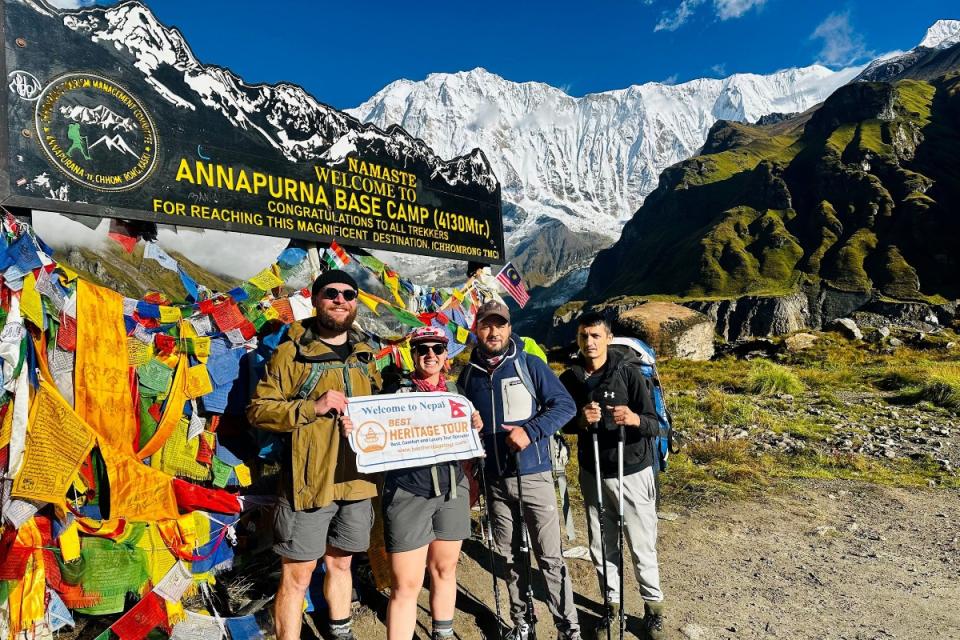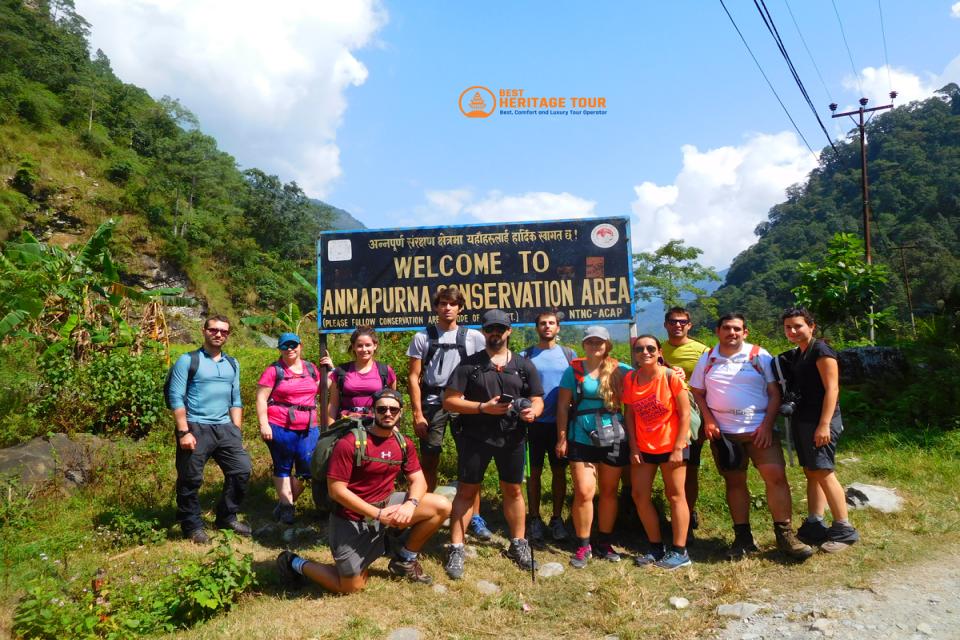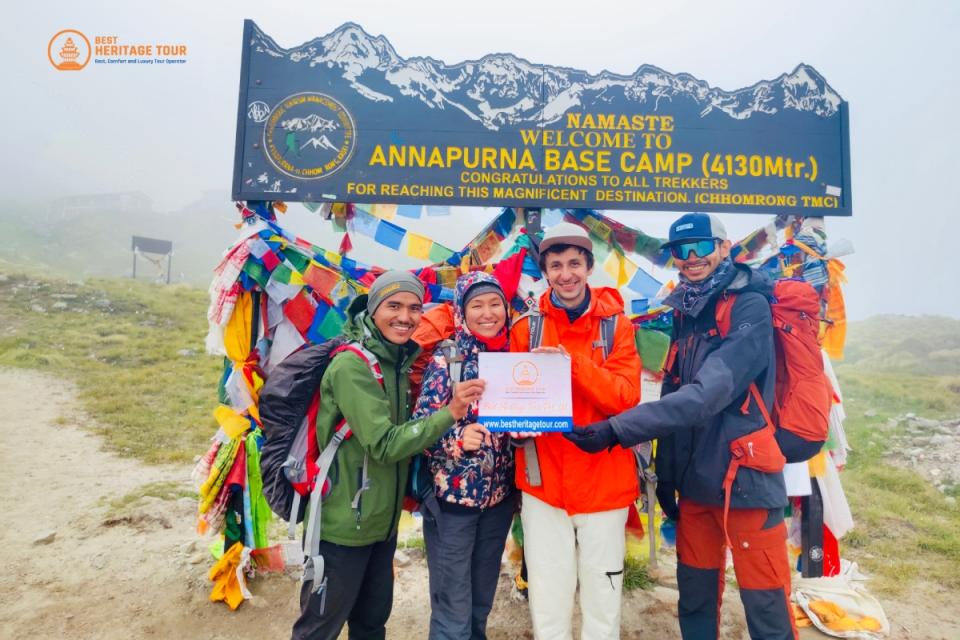
The landscape of Himalayan trekking is shifting, and for the 2026 season, the "old way" of reaching the Annapurna Sanctuary has been replaced by a more regulated, safe, and technologically integrated experience. At Best Heritage Tour, our team has monitored these changes from the front lines - from the recent infrastructure upgrades in the Modi Khola valley to the complete digitalization of the permit system.
Whether you are a veteran trekker or a first-time adventurer, navigating the 2026 requirements for the Annapurna Base Camp (ABC) Trek requires more than just a map; it requires up-to-the-minute local intelligence. From the strictly enforced mandatory guide policy to the new road-heads that have redefined the classic itinerary, the trail you see today is safer and more accessible than ever before.
In this definitive 2026 update, Best Heritage Tour provides a comprehensive breakdown of the new rules, current trail conditions, and essential logistics to ensure your journey into the heart of the Annapurnas is both seamless and extraordinary.
Annapurna Base Camp Trek 2026: An Overview
The ABC Trek remains one of the world's premier "moderate" high-altitude adventures. Reaching an elevation of 4,130 meters (13,550 feet), it places you in a natural amphitheater of 7,000 and 8,000-meter peaks. In 2026, the trek is more accessible but also more regulated, focusing heavily on trekker safety and environmental sustainability.
|
Feature |
2026 Details |
|---|---|
|
Maximum Altitude |
4,130m (Annapurna Base Camp) |
|
Typical Duration |
7 to 12 Days |
|
New 2026 Requirement |
Mandatory Licensed Guide |
|
Permit Costs |
Approx. $40-$50 USD (ACAP + TIMS) |
|
Best Seasons |
March-May (Spring) & Oct-Nov (Autumn) |
|
Trail Highlight |
Machhapuchhre (Fishtail) & Annapurna South views |
1. What’s New in 2026? Key Rule Changes
The most significant changes for 2026 revolve around how you access the trail. The Nepal Tourism Board and local authorities have prioritized safety to reduce the number of missing trekkers and medical emergencies.
The Mandatory Guide Policy
As of late 2025 and moving into the 2026 season, solo trekking is strictly prohibited in the Annapurna Conservation Area for foreign nationals. To obtain your permits, you must be accompanied by a government-licensed guide registered through a legitimate trekking agency.
-
Why? Rapid weather changes and altitude sickness are real risks. Having a guide ensures you have a first responder and a translator who understands the local terrain.
-
The Benefit: Beyond safety, your guide acts as a cultural bridge, explaining the Gurung traditions and identifying flora and fauna you’d otherwise miss.
Digital Permit System & QR Codes
Paper permits are becoming a thing of the past. In 2026, Nepal has fully transitioned to a Digital Permit Tracking System.
-
How it works: Your agency (like Best Heritage Tour) registers your details online. You will receive a digital permit with a QR code.
-
Checkpoints: Major hubs like Birethanti, Chhomrong, and Jhinu Danda now use digital scanners. This allows authorities to know exactly who is on the mountain in case of a landslide or blizzard.
2. Updated Trail Conditions: What to Expect Underfoot
If you haven't been to Nepal recently, the "road-head" has moved. Infrastructure development in the Annapurna region is moving fast, which is a double-edged sword for purists but a blessing for those with limited time.
New Road Access to Jhinu Danda
Previously, the trek began with a long, dusty walk from Nayapul. In 2026, many trekkers choose to take a private jeep directly to Jhinu Danda or Siwai.
-
The Impact: This cuts out 1-2 days of lower-altitude walking on dirt roads, allowing you to spend more time in the "Sanctuary" (the high-altitude basin).
-
Trail Improvement: The famous "3,300 stone steps" to Ulleri have seen significant repair work. While they are still a "knee-taxing" challenge, the footing is more stable and better drained to prevent slips during the occasional pre-monsoon shower.
Bridge Upgrades
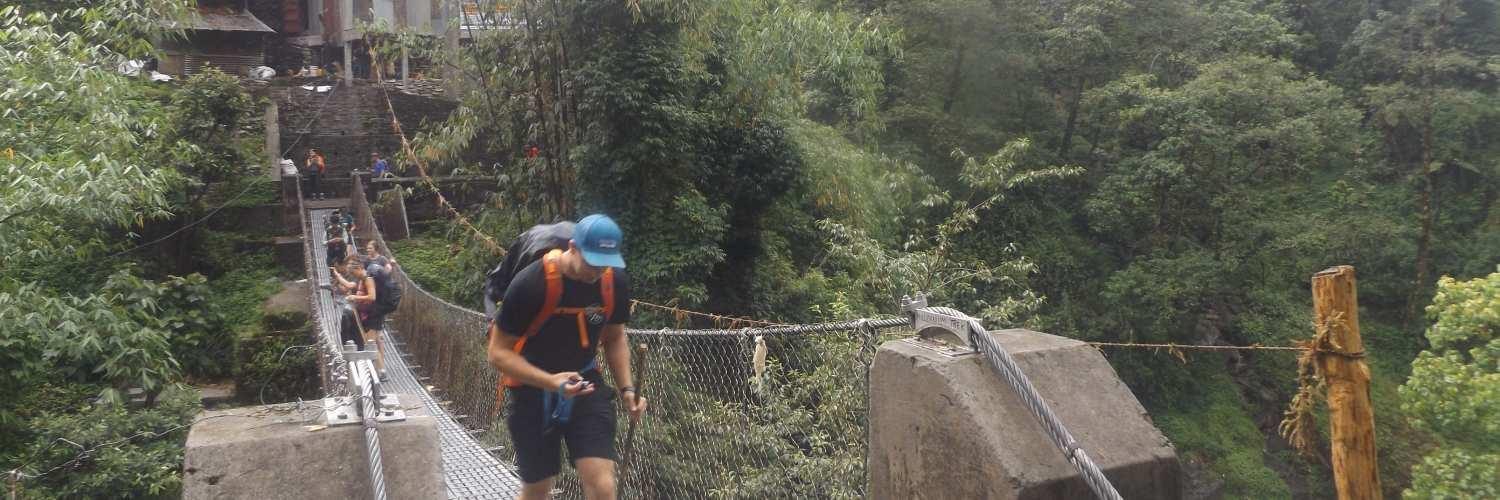
Several older suspension bridges have been replaced with higher-capacity steel structures. This is particularly noticeable in the gorge between Bamboo and Deurali, where the Modi Khola river can become quite fierce.
3. The 2026 Permit Breakdown & Costs
Budgeting for 2026 requires accounting for slight increases in permit fees and the mandatory "Green Fee" integrated into conservation costs.
Required Permits for ABC:
-
ACAP (Annapurna Conservation Area Project):
-
Cost: 3,000 NPR (approx. $23 USD) for foreigners.
-
Cost: 1,000 NPR for SAARC nationals.
-
TIMS (Trekkers’ Information Management System) Card:
-
Cost: 2,000 NPR (approx. $15 USD).
-
Note: This must be processed through your trekking agency like Best Heritage Tour.
Pro Tip: Always carry at least 4-6 passport-sized photos and a copy of your travel insurance. Even in a digital age, local check-posts occasionally appreciate a physical backup.
4. Accommodation & Dining: The "Teahouse" Evolution
The 2026 season sees a rise in "Premium Teahouses" in the lower regions (Ghandruk and Chhomrong), though things remain beautifully basic as you climb higher.
-
Connectivity: Wi-Fi is now available in almost every village up to Machhapuchhre Base Camp (MBC), though it is often a paid service ($3-$5). In 2026, many lodges have switched to Local ISP, providing more reliable speeds than the old radio-links.
-
Power: Solar power remains the standard. Expect to pay a small fee ($2-$3) to charge your phone or power bank.
-
Food: The "24-hour power of Dal Bhat" is still the king of the trail. However, hygiene standards have improved significantly through mandatory training programs for lodge cooks. You’ll find more vegan and gluten-free options than ever before.
5. Month-by-Month Guide: When to Trek in 2026
Climate change has made Himalayan weather slightly less predictable, but the general windows remain:
Spring (March - May)
-
Conditions: The rhododendrons (Nepal’s national flower) are in full, spectacular bloom.
-
2026 Insight: Expect slightly warmer temperatures in May, but with a higher chance of afternoon clouds. This is the best time for photographers.
Autumn (September - November)
-
Conditions: The "Golden Window." Post-monsoon air is incredibly crisp, offering the sharpest views of Annapurna I and Machhapuchhre.
-
2026 Insight: This remains the busiest season. Booking through an agency is essential to secure beds in the limited lodges at ABC and MBC.
Winter (December - February)
-
Conditions: Clear but brutally cold (-15°C to -20°C at night).
-
2026 Insight: Avalanche risk is higher in the "Himalaya to Deurali" stretch. Only recommended for experienced trekkers with a professional guide.
Conclusion
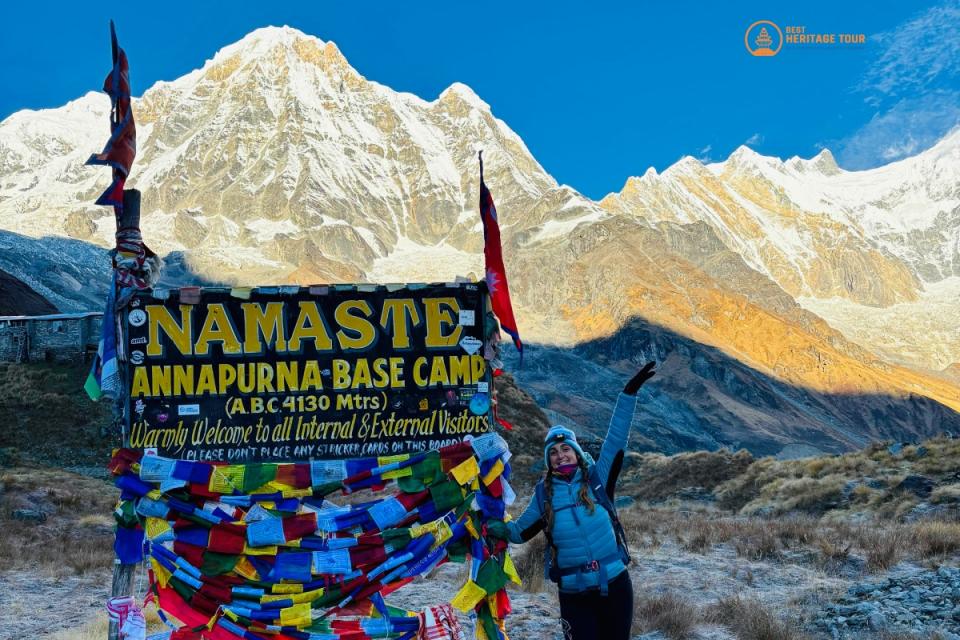
The Annapurna Base Camp Trek in 2026 is a blend of ancient culture and modern safety. While the new rules might seem strict, they are designed to preserve the very beauty you are coming to see. The mountains haven't changed - the sun still hits the peak of Annapurna South with a golden glow that will stay with you forever - but the world around them has become a bit more organized.
At Best Heritage Tour, we don’t just book a trip; we curate an experience. From handling the new digital permit hurdles to pairing you with the most knowledgeable local guides, we ensure you focus on the mountains while we handle the logistics.
Ready to stand in the heart of the Annapurna Sanctuary?
Contact us today to receive a personalized 2026 itinerary, a detailed gear checklist, and the latest updates on trail conditions.
Phone / WhatsApp / Viber: +977-9851149197 / +977-9810043046
Email: info@bestheritagetour.com / bestheritagetour@gmail.com
Website: www.bestheritagetour.com
Office: Thamel Marg, Kathmandu, Nepal
Author: Best Heritage Tour
Date: 24th February, 2026