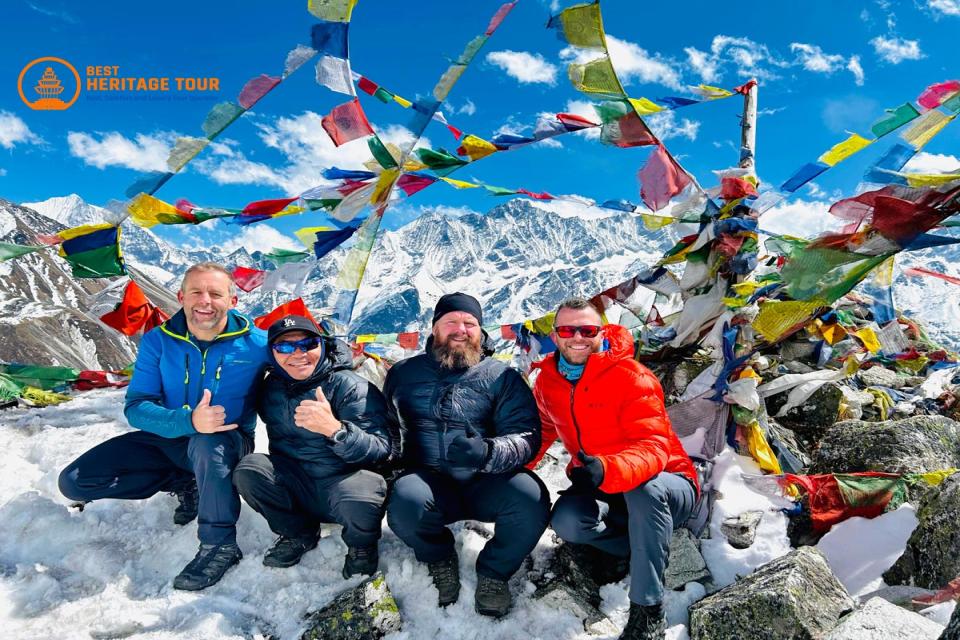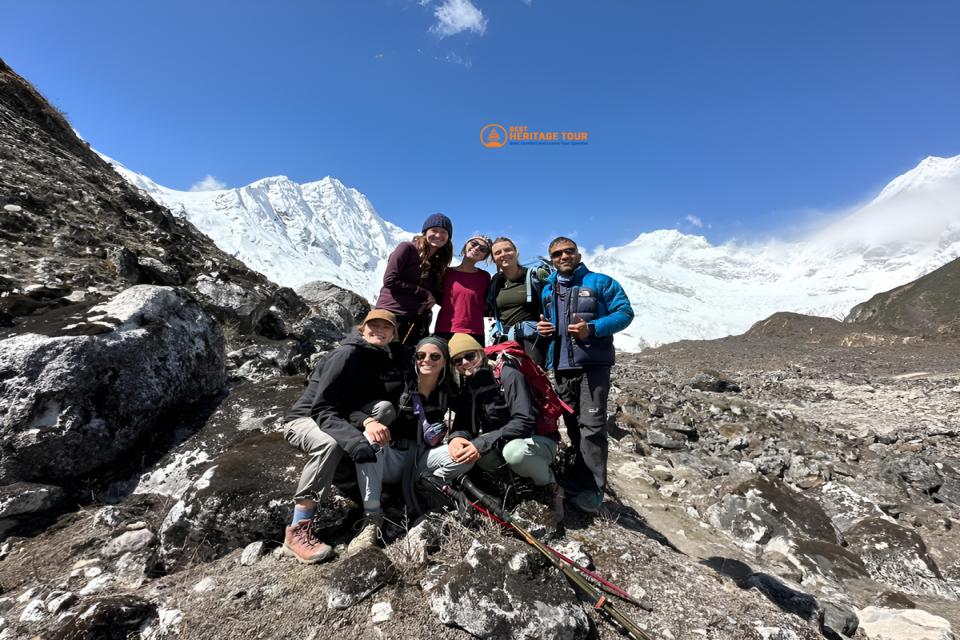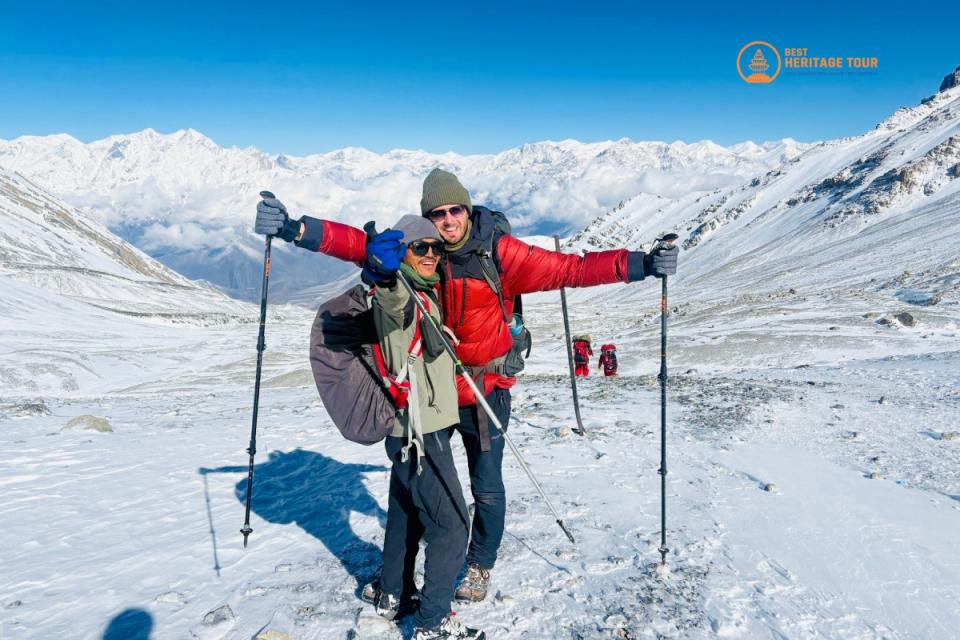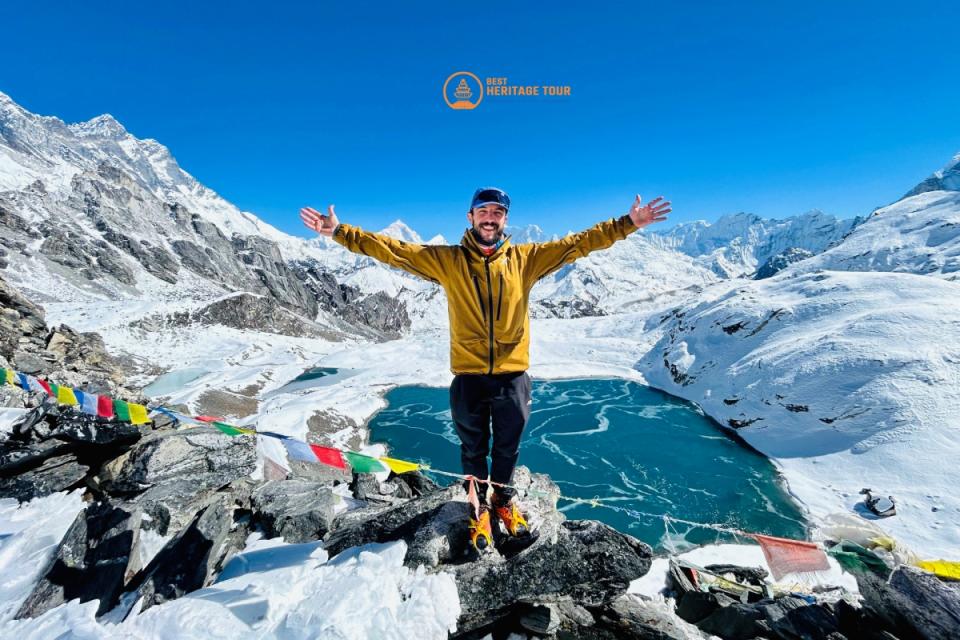
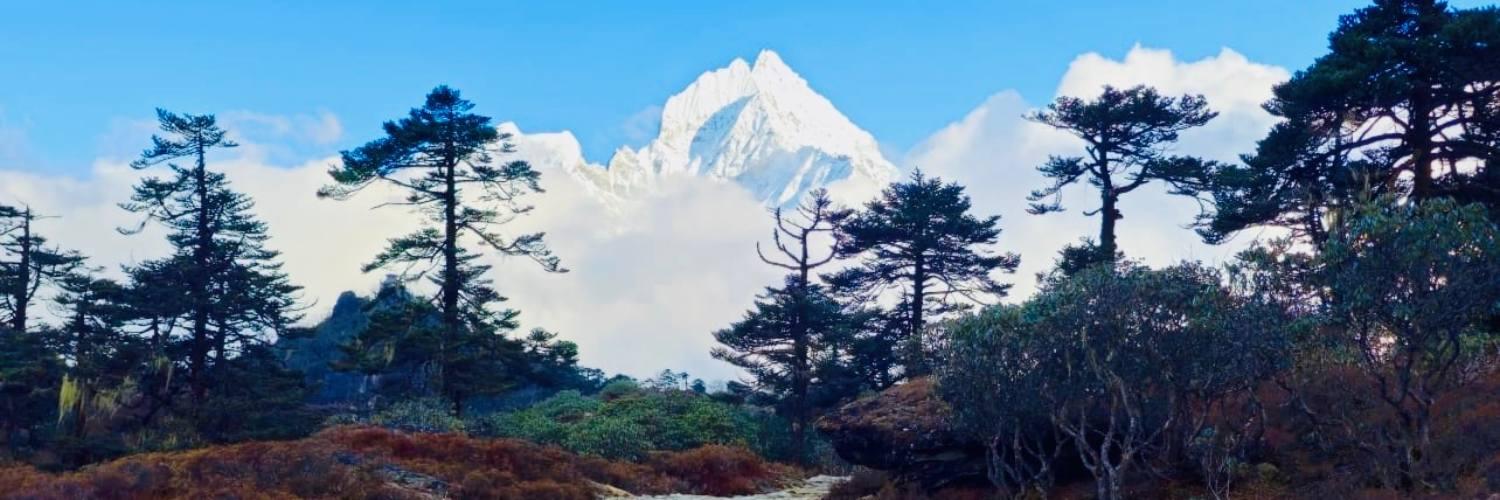
There is a specific kind of magic that happens when you trade the hum of a city for the rhythmic crunch of boots on a mountain trail. At Best Heritage Tour, we often tell our guests that trekking in Nepal isn't just a physical challenge; it is a transition into a different dimension of time. In the Himalayas, the sun is your alarm clock, the trail is your office, and the teahouse is your sanctuary.
If you are planning your first adventure to Everest, Annapurna, or the hidden valleys of Langtang, you might be wondering: What does a day actually look like? Is it all uphill? Do I ever get to rest? What’s for dinner?
To help you prepare for the journey of a lifetime, let’s walk through a typical 24-hour cycle on a Nepal trekking itinerary.
06:00 AM - The Himalayan Wake-Up Call
In the mountains, life starts early. You won’t need a buzzing smartphone to wake you up. Instead, you’ll likely wake to the soft "tap-tap" of your trekking guide at your door, often accompanied by a steaming cup of "bed tea" or coffee.
As you unzip your warm sleeping bag, the air in your room will be crisp - especially if you’re above 3,500 meters. But one look out the window makes it worth it. This is the "Golden Hour." The first rays of the sun hit the tips of peaks like Machhapuchhre or Ama Dablam, turning white ice into molten gold.
The Morning Ritual:
-
Pack your "Main Bag": Before breakfast, you’ll pack your large duffel bag. This is the bag our porters or yaks will carry to the next destination.
-
The Daypack Check: You’ll keep your essentials - water, sunscreen, camera, rain jacket, and snacks - in your small daypack.
-
Layer Up: Mornings are cold, but the sun is strong. Most trekkers start with a base layer, a fleece, and a down jacket, knowing they’ll peel layers off within the first hour of walking.
07:30 AM - Fueling the Adventure: Breakfast
Breakfast is the most important meal on the trail. You are about to burn a significant amount of calories, so "skimping" is not an option. We gather in the teahouse dining hall, which is often filled with the smell of woodsmoke and freshly brewed tea.
What’s on the Menu?
Teahouse menus in Nepal are surprisingly diverse. You can expect:
-
Tibetan Bread: A deep-fried, fluffy flatbread served with honey or jam.
-
Porridge/Oatmeal: Topped with apples or cinnamon - perfect for slow-release energy.
-
Eggs your way: Boiled, fried, or as a "Veggie Omelet."
-
Tsampa: For those wanting a traditional Sherpa experience, this roasted barley flour porridge is the ultimate mountain fuel.
During breakfast, your Best Heritage Tour guide will give you a "Morning Briefing." We discuss the terrain, the expected weather, and the specific milestones for the day. This is the time to ask questions and check in on how your body is feeling.
08:30 AM - Hitting the Trail: The Morning Session
By 8:30 AM, we are on the move. The air is at its freshest, and your legs are at their strongest. The first few hours of the day are often the most scenic.
Trekking in Nepal is rarely a flat walk. It is characterized by "Nepali Flats" - a local joke that refers to a series of gentle ups and downs. You might cross a suspension bridge draped in colorful prayer flags, walk through a rhododendron forest, or pass through a stone-walled village where children greet you with a chorus of "Namaste!"
The Pace:
We follow the mantra: "Bistari, Bistari" (Slowly, slowly). This isn't a race. Keeping a steady, conversational pace is the secret to successful acclimatization. We take short "water breaks" every hour to stay hydrated and soak in the views.
12:00 PM - The Lunch Break
After 3 to 4 hours of trekking, the sight of a small settlement on a hillside is a welcome relief. Lunch in the Himalayas is a leisurely affair. Unlike a quick sandwich back home, lunch on the trail is a 60-to-90-minute break designed to let your body recover.
The King of Meals: Dal Bhat Power!
Ask any local guide or porter, and they will tell you: "Dal Bhat Power, 24 Hour!" Dal Bhat (lentil soup, rice, and vegetable curry) is the staple. It’s nutritious, filling, and - best of all - you get free refills! It provides the complex carbohydrates and proteins needed to tackle the afternoon slopes.
Pro Tip: If you’re at high altitude, try the Garlic Soup. It’s a local remedy believed to help with blood circulation and altitude adjustment.
01:30 PM - The Afternoon Stretch
The afternoon walk is typically shorter than the morning session, usually lasting 2 to 3 hours. The landscape often changes as the day progresses. In the morning, you might have been in a lush forest; by afternoon, you could be entering the alpine zone where trees disappear and the landscape becomes rugged and windswept.
The clouds often roll in during the afternoon, creating a dramatic, misty atmosphere. It’s a time for quiet reflection as you settle into the rhythm of your own breathing and the sound of your trekking poles hitting the earth.
03:30 PM - Arrival at the Teahouse
Reaching the day's destination is a moment of pure triumph. Whether it’s a bustling hub like Namche Bazaar or a solitary lodge in the Manaslu region, the routine is the same:
-
Check-in: Find your room and drop your daypack.
-
The "Dry Change": Immediately change out of your sweaty trekking clothes into your "evening wear" - usually clean thermals and a warm down jacket. Staying dry is the key to staying warm.
-
Tea Time: Head to the common room for a "Ginger Lemon Honey" tea and some snacks like popcorn or biscuits.
05:00 PM - Relaxation and Cultural Immersion
The late afternoon is your free time. This is what makes a Best Heritage Tour experience special - we don’t just trek; we connect.
-
Explore the Village: Visit a local monastery (Gomba), watch the yaks being herded home, or chat with the villagers.
-
Journaling/Reading: Many trekkers use this time to update their travel logs or read a book by the fire.
-
Socializing: The dining hall becomes a global crossroads. You’ll meet trekkers from every corner of the world, sharing stories of trails conquered and blisters earned.
07:00 PM - Dinner and The Briefing
As the sun sets and the temperature outside plunges well below freezing, the central wood-burning stove (often fueled by dried yak dung) is lit. The dining hall becomes the warmest, coziest place on earth.
Dinner options often include Momos (Nepali dumplings), Thukpa (noodle soup), or even mountain-style pizza and pasta. After dinner, we gather for the Evening Briefing. Your guide will:
-
Check your oxygen saturation levels (on high-altitude treks).
-
Discuss the "Profile of the Day" for tomorrow (elevation gain/loss).
-
Take your breakfast order for the next morning so it’s ready the moment you wake up.
08:30 PM - Stargazing and Sleep
In the thin air of the Himalayas, the stars are so bright they look like they’ve been polished. If you have the energy, step outside for five minutes to see the Milky Way arching over the silhouette of the world's highest mountains. It is a humbling, silent, and deeply moving sight.
By 9:00 PM, most of the teahouse is asleep. You’ll crawl into your sleeping bag, feeling the "good tired" that only comes from a day spent in the wild. As you drift off, you’ll hear the distant sound of a glacial river or a yak bell, knowing that tomorrow, you get to do it all over again.
Key Takeaways for Your Trek
-
Expect the Unexpected: Mountain weather can change in minutes.
-
Listen to Your Body: Headaches or loss of appetite should be reported to your guide immediately.
-
Digital Detox: Embrace the limited Wi-Fi. The best connections in Nepal aren't via satellite, but via conversation.
-
Hydration is Vital: Aim for 3-4 liters of water a day to combat altitude sickness.
Conclusion: More Than Just a Walk
A typical day on a trek in Nepal is a lesson in simplicity. It strips away the clutter of modern life and replaces it with basic needs: movement, nourishment, and community. At Best Heritage Tour, we believe that while the mountains provide the backdrop, it is this daily rhythm - the "trekking life" - that stays with you long after you’ve returned home.
The Himalayas are calling. Are you ready to answer?
Phone / WhatsApp / Viber: +977-9851149197 / +977-9810043046
Email: info@bestheritagetour.com / bestheritagetour@gmail.com
Website: www.bestheritagetour.com
Office: Thamel Marg, Kathmandu, Nepal
Author: Best Heritage Tour
Date: 2nd February, 2026