Namaste and warm greetings from Thamel! At Best Heritage Tour, we believe that some of the world’s most profound secrets aren't kept in books, but in the "hidden valleys" (Beyuls) of the Himalayas.
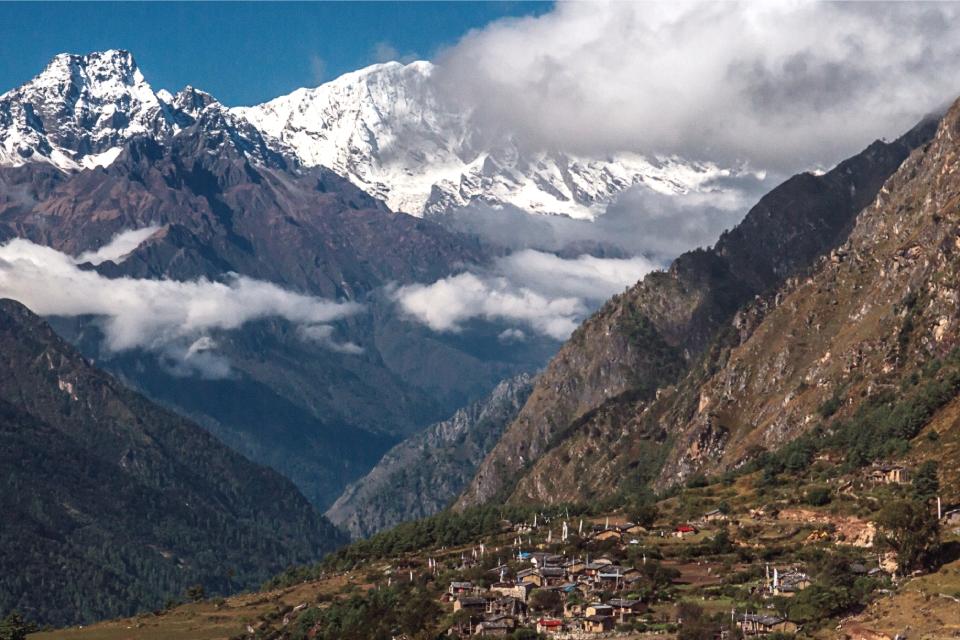
The Tsum Valley is one such sanctuary. Tucked away in the northern Gorkha district, under the watchful gaze of the Ganesh Himal, this "Valley of Happiness" remained a forbidden kingdom until 2008. Today, it stands as a living museum of Tibetan Buddhist culture, untouched by the frantic pace of the modern world.
If you are looking for a trek that prioritizes soul over summit, here is our definitive guide to the villages and culture of the Tsum Valley.
Villages in Tsum Valley: A Journey into the Sacred "Beyul"
The Gateway: Lokpa (2,240m)
Before you truly enter the "Hidden Valley," you must pass through Lokpa. For us at Best Heritage Tour, Lokpa represents the threshold between the familiar Manaslu Circuit and the secluded wilderness of Tsum.
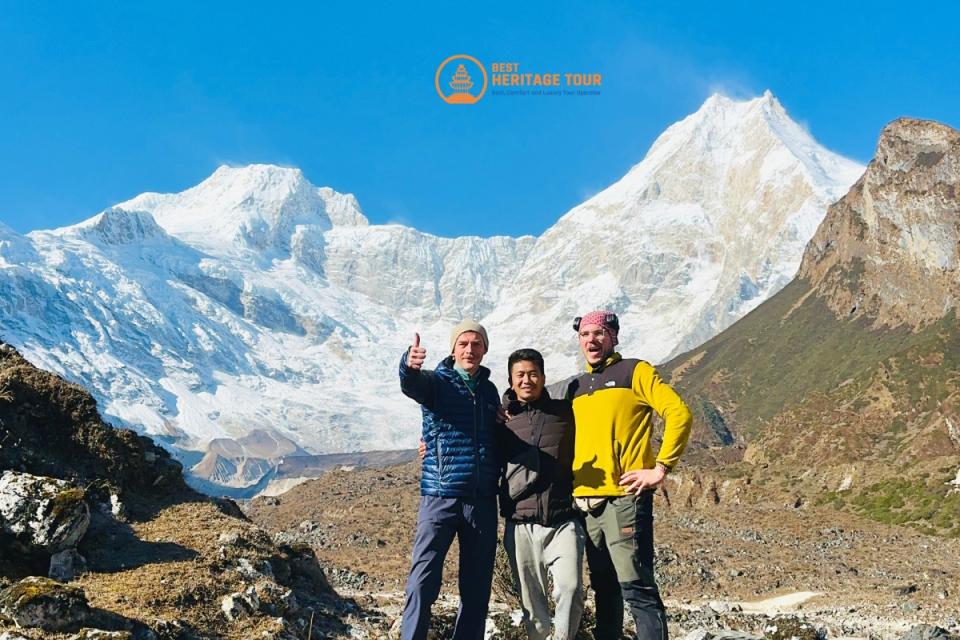
As the first village in the valley, Lokpa is where our guides handle your Restricted Area Permits (RAP). It’s a quiet settlement surrounded by dense forests of rhododendron and pine. While many trekkers rush through, we recommend stopping to appreciate the first clear views of Himalchuli and Boudha Himal. This is where the air begins to change - it feels older, quieter, and more sacred.
Lower Tsum: The Stone-Paved Streets of Chumling (2,386m)
After crossing a series of suspension bridges over the Shiar Khola, you arrive at Chumling. This is one of the most picturesque villages on Tsum Valley, characterized by traditional Tibetan-style stone houses with flat roofs.
Chumling is home to three significant monasteries:
-
Panago Gompa
-
Mani Dhungyur
-
Gurwa Gompa
Walking through the stone-paved alleys of Chumling feels like stepping back into a medieval Tibetan hamlet. The village is also a great place to start experiencing the local Tsumba Culture - you’ll notice that every house is adorned with prayer flags, and the elders spend their afternoons spinning Mani wheels.
The Cultural Hub: Chhokang Paro (3,031m)
Chhokang Paro (often spelled Chhekampar) is essentially two sister hamlets, Chhekam and Paro, joined together on a wide, fertile plateau. This is the largest settlement in the Upper Tsum Valley and a critical point for acclimatization.
As a company that prides itself on heritage, we find Chhokang Paro to be the heart of the region's spiritual life. From here, the views of Ganesh Himal are simply staggering. It is the gateway to the upper valley, where the mountains open up into wide, sun-drenched U-shaped plains.
Tip: Keep an eye out for the "Kagnis" - highly decorated entry gateways with intricate paintings of deities that protect the village from negative energies.
Exploring the Sacred Piren Phu (Milarepa’s Cave)
Near the village of Burji, located just past Chhokang Paro, lies one of the most sacred sites in the entire Himalaya: Piren Phu, or "Pigeon Cave."
It is believed that the great Tibetan saint and poet Milarepa meditated here in the 11th century. Inside the cave, you can see what is said to be his footprint embedded in the rock. The walls are covered in ancient murals and scripts, and the site is managed by monks who maintain a deep silence. It is a place of profound energy, even for those who aren't religious.
The Last Frontier: Nile (3,361m) and Chhule (3,347m)
As we head further north, the landscape becomes more rugged and alpine. Nile is the last permanent village in the valley, situated on the western bank of the river. Directly across the water sits Chhule.
These villages are the staging points for the final ascent to the great monasteries. The houses here are built specifically to withstand the harsh Himalayan winters, with thick stone walls and narrow windows. In the summer months, you’ll see the Tsumba people busy in the fields, growing hardy crops like buckwheat, barley, and potatoes.
The Spiritual Summits: Rachen and Mu Gompa
While not "villages" in the traditional sense, these monastery settlements are the spiritual anchors of the Tsum Valley.
Rachen Gompa (3,240m)
Established in 1936, Rachen Gompa is one of the largest nunneries in Nepal. It houses over 80 nuns who follow the Nyingma lineage of Tibetan Buddhism. The interior of the main prayer hall is a masterpiece of Himalayan art, filled with thousand-armed Avalokiteshvara statues and vibrant Thangkas.
Mu Gompa (3,700m)
Mu Gompa is the highest point on the standard trek. This ancient monastery sits near the Tibetan border, surrounded by desolate, beautiful mountain peaks. There are no hotels here; trekkers often stay in the basic guest quarters of the monastery itself. Waking up to the sound of long horns (dungchen) echoing across the snowy peaks at dawn is an experience that stays with you forever.
Understanding the Tsumba Culture: The Way of Non-Violence
The most unique aspect of this trek isn't just the scenery - it’s the people. The Tsumba are of Tibetan origin and follow a strict code of non-violence known as Shyagya.
In 1920, the people of Tsum Valley collectively declared the region a "Shyagya" (Non-Sacrificing Area). To this day, the following rules are strictly upheld:
-
No Animal Sacrifice: Unlike many other parts of Nepal, no animals are killed for religious rituals.
-
No Hunting: The wildlife here, including blue sheep and the elusive snow leopard, live in peace because hunting is forbidden.
-
No Honey Hunting: To protect the ecological balance.
-
No Forest Fires: Protecting the sacred flora is a spiritual duty.
When you trek with Best Heritage Tour, we ensure our clients respect these traditions. We encourage eating vegetarian meals while in the valley to honor the local customs, which the Tsumba people deeply appreciate.
Frequently Asked Questions (FAQ)
Can I do Tsum Valley trek only?
Yes! Many travelers ask, "Can I do Tsum Valley trek only?" without completing the full Manaslu Circuit. At Best Heritage Tour, we specialize in a 14-to-16-day itinerary that focuses exclusively on the Tsum Valley. This allows you more time to soak in the Tsumba culture, visit the smaller monasteries, and spend extra nights in villages like Nile and Chhokang Paro. You would simply trek up to Mu Gompa and return back via the same route to Jagat and Machha Khola.
Is a guide mandatory for Tsum Valley?
As of March 2026, the Nepal government's regulations for restricted areas remain strict. Tsum Valley is a Restricted Area, meaning you cannot trek here solo. You must:
-
Trek with at least one other person (though solo permits are occasionally granted through specific agency protocols).
-
Be accompanied by a government-licensed guide.
-
Book through a registered trekking agency like Best Heritage Tour.
When is the best time to visit?
The best windows are Spring (March to May) and Autumn (September to November). Spring brings blooming rhododendrons in the lower reaches, while Autumn offers the crispest, clearest views of the Ganesh Himal range.
Why Choose Best Heritage Tour for your Tsum Journey?
At Best Heritage Tour, we are based in Thamel, the heart of Nepal’s trekking industry, but our roots are in the mountains. We don't just provide a guide; we provide a cultural bridge.
-
Local Expertise: Our guides have personal relationships with the families and Lamas in Tsum.
-
Responsible Travel: We are committed to the Shyagya tradition, ensuring our treks support the local economy without disrupting the delicate cultural fabric.
-
Safety First: Our 2026 itineraries include updated acclimatization protocols and satellite communication for your peace of mind.
Conclusion
The villages of the Tsum Valley offer a rare glimpse into a world where time has stood still. It is a place where compassion is a law, and the mountains are treated as gods. Whether you are marvelling at the mani walls of Chumling or meditating in the silence of Mu Gompa, this trek will change the way you see the world.
Ready to step into the "Valley of Happiness"? Let us handle the logistics so you can focus on the journey.
Contact Best Heritage Tour
Phone / WhatsApp / Viber: +977-9851149197 / +977-9810043046
Email: info@bestheritagetour.com / bestheritagetour@gmail.com
Website: www.bestheritagetour.com
Office: Thamel Marg, Kathmandu, Nepal
Author: Best Heritage Tour
Date: 24th March, 2026