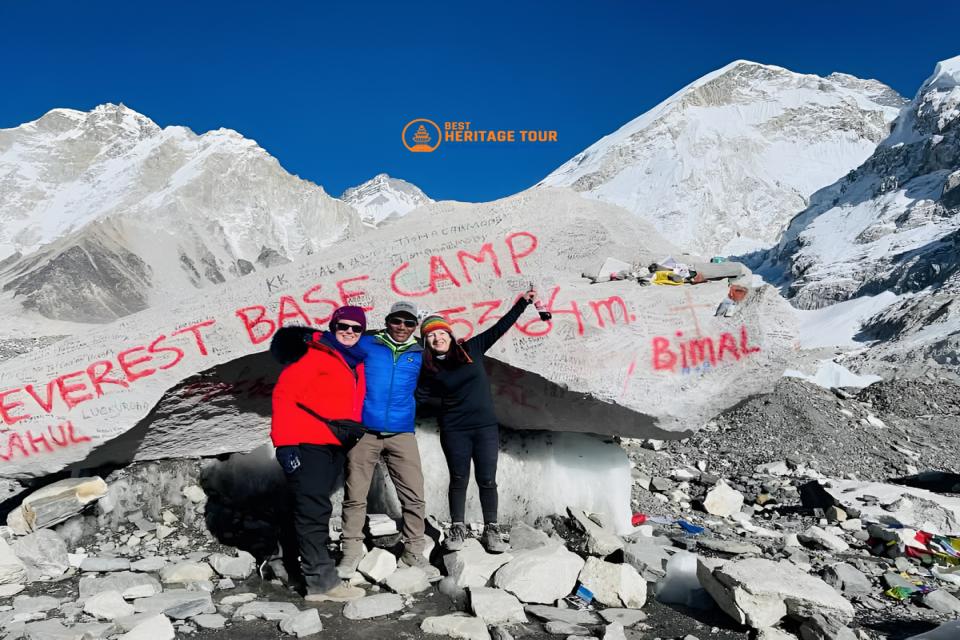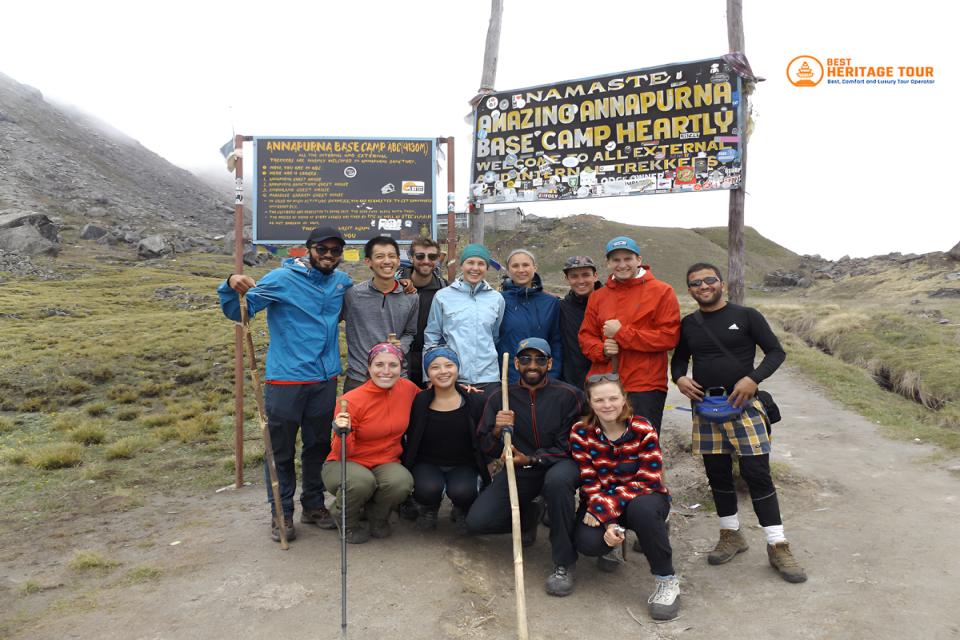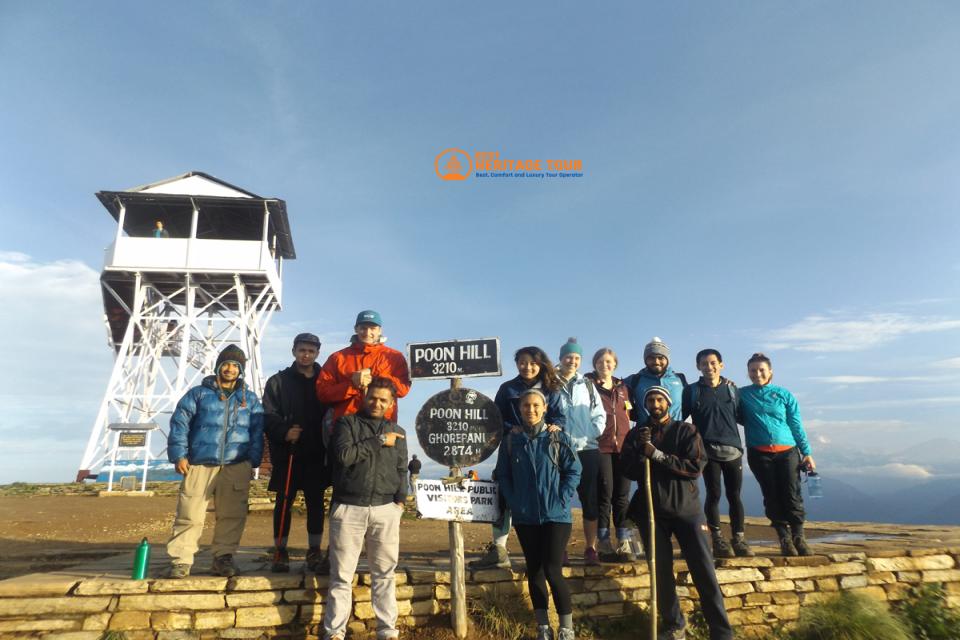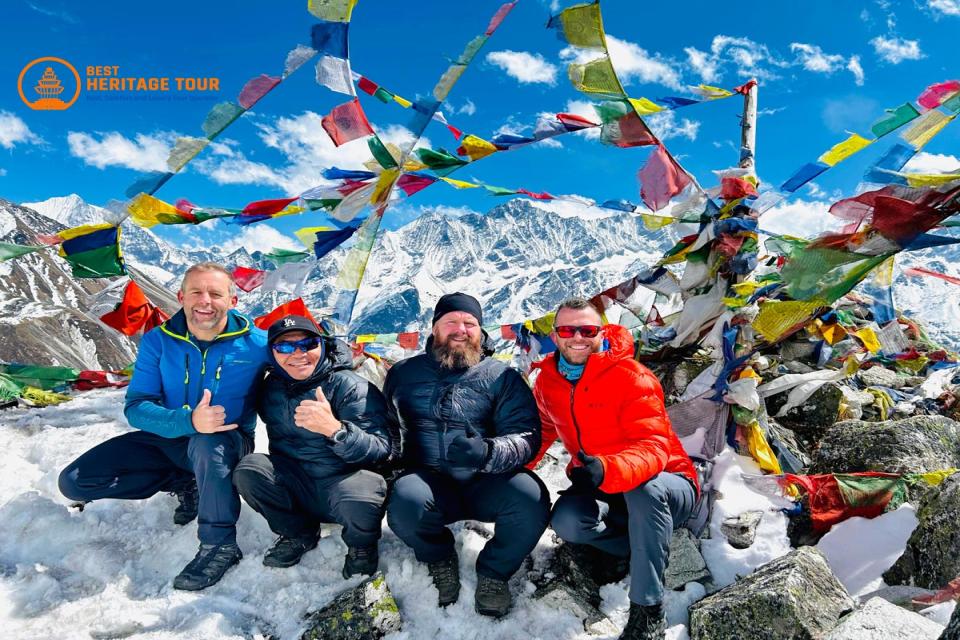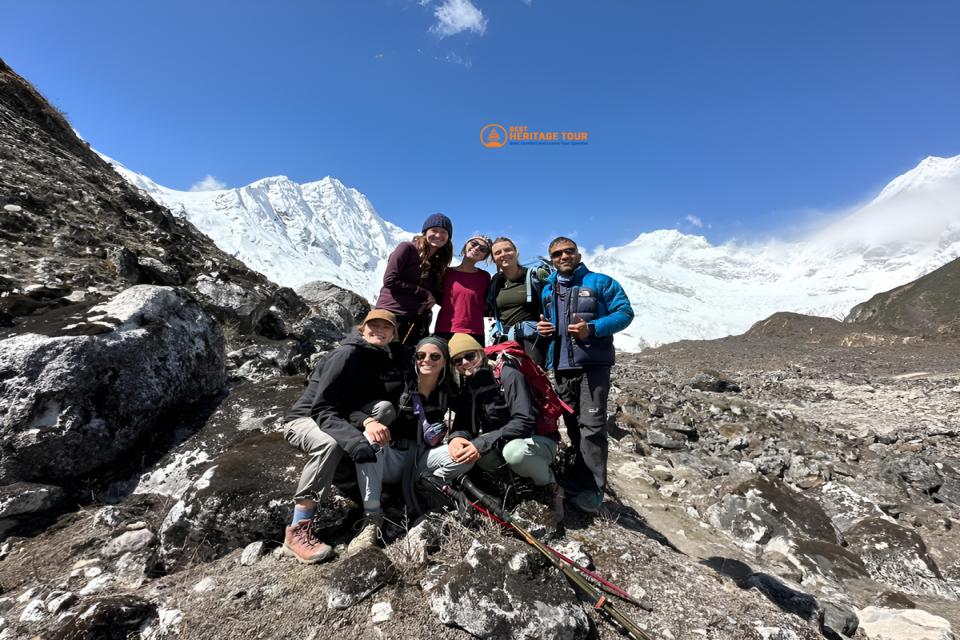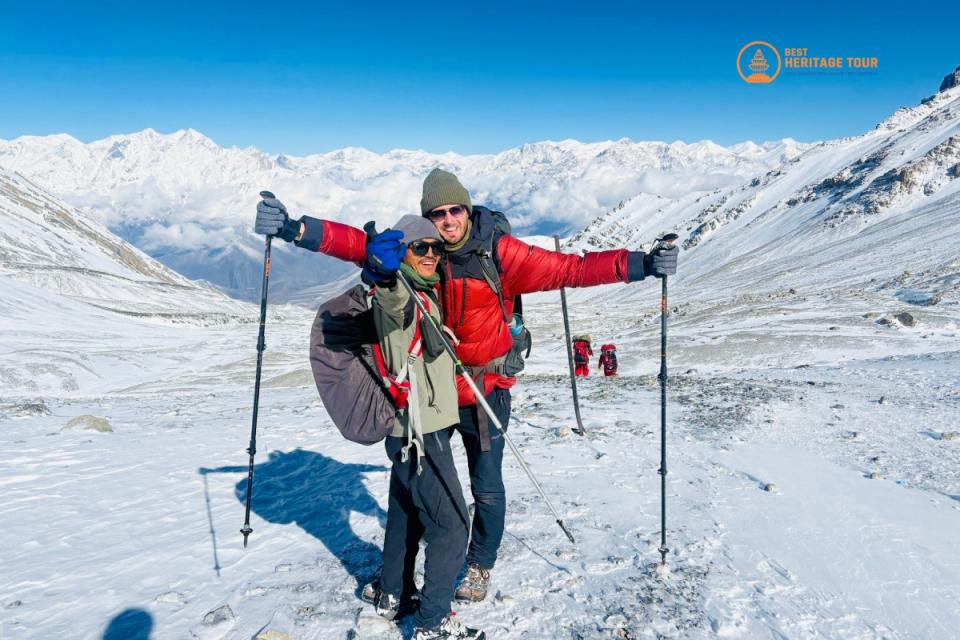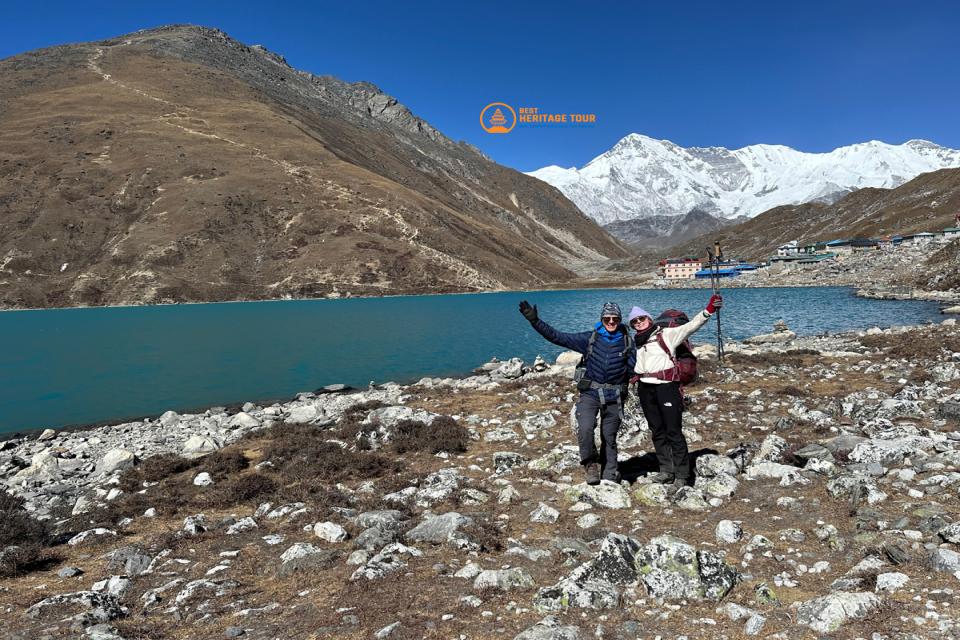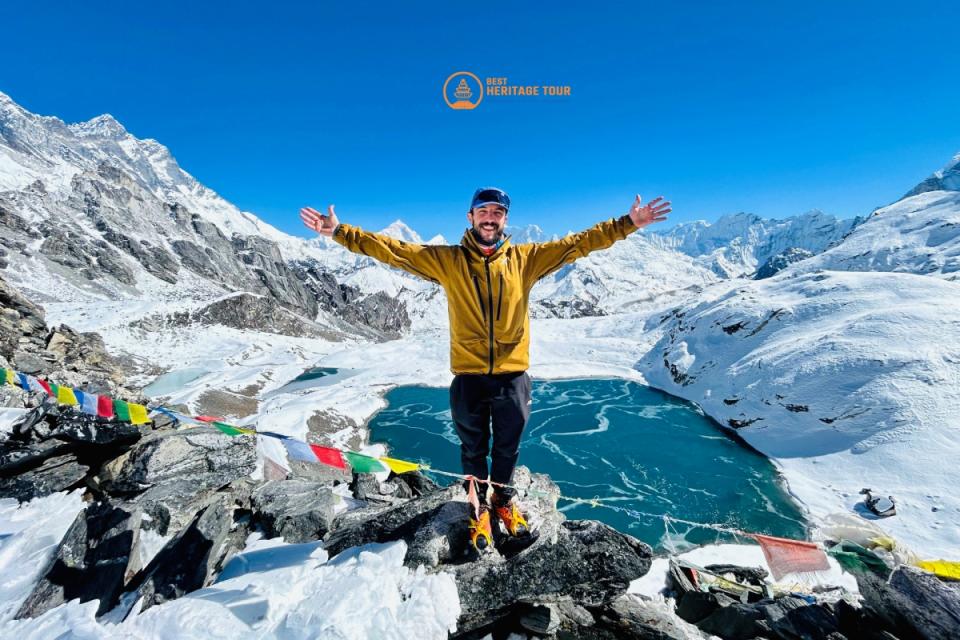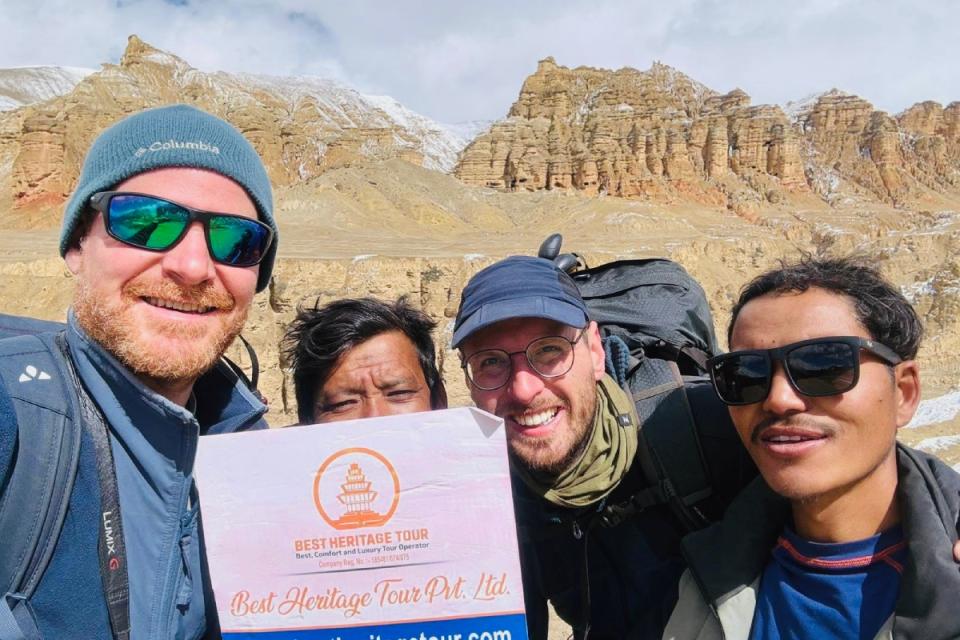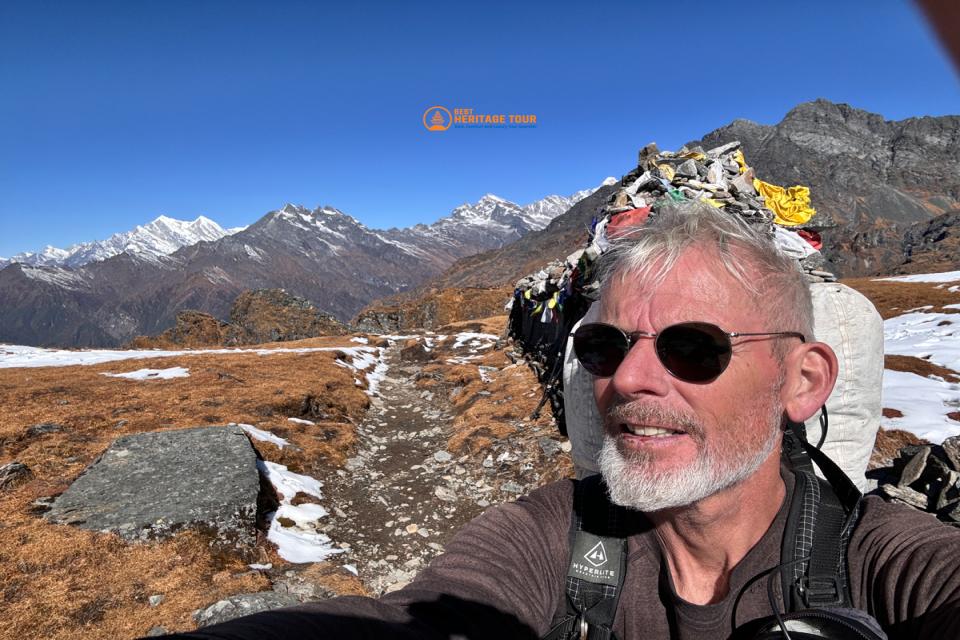
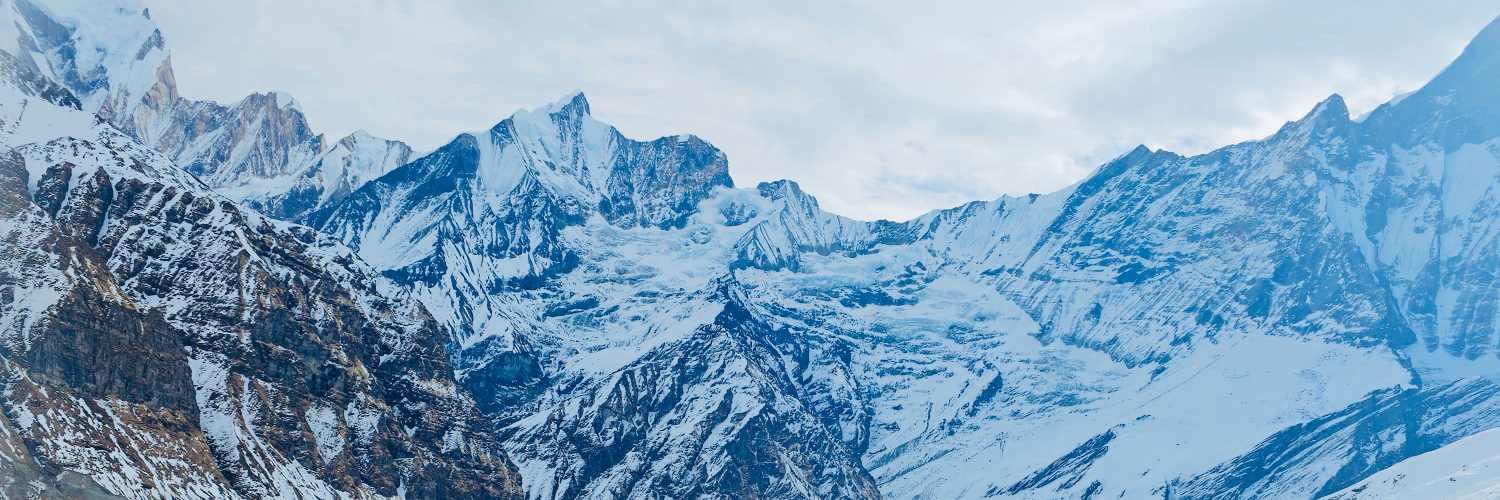
The first time you see the Himalayas, something shifts. Whether it’s the jagged, snow-dusted silhouette of Machhapuchhre or the golden sunrise hitting the Everest massif, the scale of Nepal’s landscape is enough to take your breath away - literally and figuratively. However, for a beginner, the transition from dreaming about these trails to actually walking them involves a steep learning curve where "safety" is the most important piece of gear you’ll carry.
In the mountains, safety isn't a single checklist; it is a mindset. It is about understanding how your body reacts to thin air, recognizing the temperament of the weather, and respecting the local culture that has thrived in these high-altitude shadows for centuries. This guide is designed to navigate you through the complexities of trekking in Nepal, ensuring your first Himalayan adventure is defined by wonder, not worry.
1. The Physiology of Altitude: Respecting the Thin Air
The most significant challenge any trekker faces in Nepal is Altitude. Most beginner-friendly treks, like the Ghorepani Poon Hill or Langtang Valley, still reach elevations that can stress the human body.
Understanding Acute Mountain Sickness (AMS)
AMS occurs when your body cannot adapt quickly enough to the decrease in oxygen molecules at higher elevations. At Best Heritage Tour, our safety protocol treats AMS with zero compromises.
The Beginner’s Golden Rules for Altitude:
-
The "Slow and Steady" Mantra: You will often hear our guides saying "Bistari, Bistari" (Slowly, slowly). Speed is your enemy. Walking slowly allows your heart rate to remain consistent, which is vital for oxygen processing.
-
The 3,000-Meter Threshold: Once you cross 3,000m (9,842 ft), your risk increases. We design our itineraries so you never gain more than 400-500 meters of sleeping altitude per day.
-
The "Climb High, Sleep Low" Strategy: On acclimatization days (like those in Namche Bazaar), we take you on a 2-3 hour hike to a higher ridge, then return to a lower altitude to sleep. This "triggers" your body to produce more red blood cells without the stress of staying high overnight.
Recognizing the Symptoms
As a beginner, you must be honest with your guide. Symptoms of AMS often feel like a bad hangover:
-
Persistent headache that doesn't go away with water or Ibuprofen.
-
Loss of appetite (even for your favorite foods).
-
Nausea or vomiting.
-
Dizziness or "brain fog."
-
Difficulty sleeping despite being exhausted.
Expert Advice: If symptoms persist or worsen, the only cure is descent. At Best Heritage Tour, we never pressure a guest to "push through" the pain. Safety always overrides the itinerary.
2. Weather Mastery: Timing Your Trek for Maximum Safety
Nepal’s mountains create their own weather systems. For a beginner, "When" you go is just as important as "Where" you go.
The Safe Windows
-
Autumn (Late September to November): This is the "Prime Time." The monsoon has washed away the dust, the air is crystal clear, and the weather is stable. For beginners, this provides the most predictable trail conditions.
-
Spring (March to May): A close second. It’s warmer, and the blooming rhododendrons are a sight to behold. However, afternoon clouds are more common, and high passes may still have lingering winter snow.
Why Beginners Should Avoid "Off-Seasons"
-
Monsoon (June-August): Trails become incredibly slippery, and leeches are a constant nuisance. More dangerously, landslides can block trails, and clouds often ground the small planes flying into Lukla or Jomsom, leaving you stranded.
-
Winter (December-February): While the skies are blue, the temperatures at night are brutal (often -20°C). For a beginner, managing gear in extreme cold is a high-level skill.
3. The Professional Edge: Why a Guide is Your Best Safety Gear
While it is technically possible to trek solo in some areas, Best Heritage Tour strongly advises against it for beginners. In 2023, the Nepal Tourism Board made guides mandatory for most regions, and for good reason.
What an Expert Guide Provides:
-
Pulse Oximeter Monitoring: Our guides carry oximeters to check your blood oxygen saturation daily. This provides data-driven safety, catching AMS before you even feel the symptoms.
-
Trail Intelligence: Mountain trails change. A landslide last night or a broken bridge can turn a 4-hour walk into an 8-hour struggle. Our guides receive real-time updates from their network of tea-house owners and fellow guides.
-
Logistics & Language: In an emergency, every minute counts. Having a guide who speaks the local dialect and knows the village headmen ensures that if a rescue is needed, it happens immediately.
-
The "Yak Rule": Beginners often don't know that when a yak or mule caravan approaches, you must stand on the "inner" side of the trail (away from the cliff). A guide is there to nudge you into the safe zone every single time.
4. Nutrition and Hydration: Fueling the Himalayan Engine
You are burning twice the calories you normally would, but your digestion slows down at altitude. This is a tricky balance.
Water: The Himalayan Lifeblood
-
Volume: You need 3 to 4 liters of water a day. Dehydration is the leading cause of "false" AMS symptoms.
-
Sterilization: Never drink tap or stream water. We recommend using LifeStraws, Steripens, or Chlorine/Iodine tablets. At Best Heritage Tour, we discourage buying plastic bottled water in the mountains to protect our heritage trails from pollution.
The "Garlic Soup" and "Dal Bhat" Secret
-
Dal Bhat Power: There is a reason the locals say "Dal Bhat Power, 24 Hour." This lentil and rice dish is fresh, easy to digest, and provides sustained energy.
-
Garlic Soup: Local Sherpas swear by garlic soup for altitude. While not scientifically proven as a "cure," it aids blood circulation and keeps you hydrated.
-
The Vegetarian Rule: We strongly advise beginners to stay vegetarian while on the trek. All meat is carried up by porters in the sun; the lack of refrigeration makes food poisoning a high risk.
5. Gear and Packing: Your Life-Support System
Beginners often overpack. A 20kg bag will crush your spirit and your knees. A 10-12kg bag is the "Sweet Spot."
Essential Safety Gear:
-
Footwear: High-quality, waterproof boots with ankle support. They must be "broken in" at least a month before your flight to Kathmandu.
-
Layering (The 3-Layer System):
-
Base Layer: Moisture-wicking wool (never cotton).
-
Insulating Layer: Fleece or down jacket.
-
Shell Layer: Waterproof and windproof Gore-Tex.
-
-
Emergency Kit: Blister bandaids (Compeed), rehydration salts, a broad-spectrum antibiotic (consult your doctor), and Ibuprofen.
-
Power: A high-capacity power bank. Cold weather drains batteries fast, and you need your phone for emergency communication.
6. Insurance: The Non-Negotiable Contract
If you take away one thing from this guide, let it be this: Standard travel insurance is not enough.
Most policies stop coverage at 2,500m or 3,000m. If you are doing the Everest Base Camp trek (5,364m), you need a policy that explicitly covers:
-
Trekking up to 6,000m.
-
Emergency Heli-Evacuation: This is the only way out in a medical crisis.
-
Direct Payment: Ensure the company pays the hospital directly, as many Nepalese clinics require proof of payment before admission.
7. Physical and Mental Conditioning
You don't need to be an Olympic athlete, but you shouldn't come "off the couch."
Physical Prep:
-
Cardio: Focus on "Zone 2" training - long, slow walks or jogs where you can still hold a conversation.
-
Leg Strength: Squats, lunges, and specifically downhill walking. Most injuries happen on the way down when legs are shaky and tired.
Mental Prep:
-
The Comfort Gap: Be prepared to go without a hot shower for a few days. Be prepared for "squat toilets." When you accept the lack of luxury, you reduce your stress levels, which helps your body focus on acclimatization.
8. Environmental and Cultural Safety
Respecting the land keeps you safe. Nepal is a deeply spiritual place where the mountains are considered the "Abode of the Gods."
-
Sacred Sites: Always walk clockwise around Mani walls (prayer stones) and Stupas.
-
Leave No Trace: Pack out what you pack in. A clean trail is a safe trail.
-
Social Interaction: Always ask before taking photos of locals. Building a rapport with the community means you have more "eyes" watching out for you on the trail.
9. Common Beginner Hazards and How to Avoid Them
The "Lukla Factor"
The flight to Lukla is famous, but weather delays are common. Never book your international flight home too close to your trek's end. Stressing about a missed flight leads to rushed trekking, which leads to AMS. Give yourself a 2-day "buffer" in Kathmandu.
Blisters and Chafing
A small blister on Day 3 can become an infection by Day 7. Treat "hot spots" on your feet immediately with zinc tape or moleskin. Don't wait for it to hurt.
The Sun
The UV rays in the Himalayas are fierce. You can get a second-degree burn even on a cloudy day. Wear high-SPF sunscreen, lip balm with UV protection, and polarized sunglasses to prevent snow blindness.
10. Daily Safety Checklist for the Trail
Every morning before leaving the tea house, our Best Heritage Tour guides go through this mental checklist with our guests:
-
Hydration Check: Did you drink a liter before starting?
-
Gear Check: Are laces tied correctly? Is the rain shell accessible?
-
Physical Check: Any headache? How was your sleep?
-
Weather Check: What is the 1:00 PM forecast?
-
Route Check: Where is the "Safe Point" or "Descent Point" on today's path?
Conclusion
Trekking in Nepal is an invitation to witness the sublime. It is a challenge that rewards you with a perspective on life that no city can provide. As a beginner, the key to safety is not found in "bravery," but in preparation, humility, and professional partnership.
At Best Heritage Tour, we have spent years refining the balance between adventure and security. Our mission is to ensure that when you stand at the foot of the world's highest peaks, your only worry is whether you have enough space on your camera's memory card.
The mountains are calling, and with the right safety foundation, you are more than ready to answer.
Plan Your Safe Himalayan Adventure with Best Heritage Tour
Ready to take your first step toward the peaks? Let our local experts handle the logistics while you focus on the experience.
Phone / WhatsApp / Viber: +977-9851149197 / +977-9810043046
Email: info@bestheritagetour.com / bestheritagetour@gmail.com
Website: www.bestheritagetour.com
Office: Thamel Marg, Kathmandu, Nepal
Author: Best Heritage Tour
Date: 5th May, 2026