
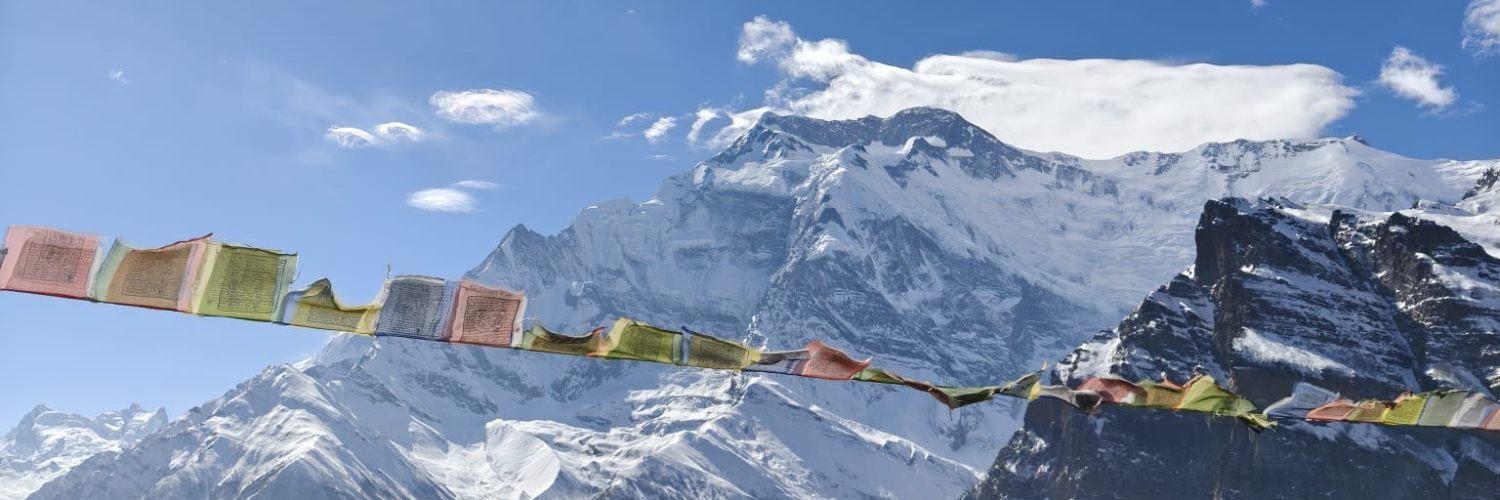
If you have ever trekked through the misty trails of the Annapurna region, wandered the vibrant streets of Kathmandu, or sat by a cozy hearth in the Eastern hills of Taplejung, you have likely seen a tall, mysterious wooden vessel adorned with brass rings.
This isn't just a drink; it is a ritual. It is Tongba, the warm, fermented millet brew that has fueled Himalayan explorers and locals for centuries. Whether you are a first-time traveler or a seasoned trekker, understanding Tongba is essential to understanding the soul of Himalayan hospitality.
What is Tongba?
To the uninitiated, Tongba (pronounced tom-ba) is often referred to as "Tibetan Beer" or "Himalayan Hot Beer." However, those names are slightly misleading. Tongba is actually the name of the vessel itself - the traditional wooden canister - while the fermented millet inside is technically known as Mandokpenaa Thee or Jaand.
Over time, the name of the container became synonymous with the beverage. It is the signature drink of the Limbu people of Eastern Nepal, but its popularity has spread across the Kirati communities (Rai, Sunuwar, Yakkha) and into the Sherpa and Tibetan highlands. Today, it is a staple comfort drink across Nepal, Sikkim, and Bhutan.
What is Tongba Made Of?
At its core, Tongba is a masterclass in ancient fermentation. Unlike commercial beers brewed from barley or hops, Tongba is made from whole-grain brown finger millet (locally known as Kodo).
The process requires three primary components:
-
Finger Millet (Kodo): A hardy, nutritious grain that thrives in the high-altitude rocky soil of the Himalayas.
-
Murcha (The Starter): A traditional fermenting cake made from a secret blend of herbs, roots, and wild yeast. Every family often has their own "Murcha" recipe passed down through generations.
-
Pure Himalayan Water: The catalyst that brings the fermented grains back to life.
How is Tongba Made? The Ancient Process
At Best Heritage Tour, we believe that knowing the effort behind a tradition makes the experience richer. The journey from a millet field to your wooden mug is long and meticulous.
-
Cooking the Grain: The millet is thoroughly cleaned and boiled until it is soft.
-
Inoculation: Once cooled, the cooked millet is mixed with powdered Murcha.
-
Initial Fermentation: The mixture is placed in a woven bamboo basket (Mandro), lined with fresh leaves, and covered with thick blankets. It sits in a warm place for 1-2 days.
-
Aging (The Secret Ingredient): The sweet, fermented mass is then packed tightly into earthenware pots and sealed. To achieve that signature tangy, complex flavor, it is aged for anywhere from two weeks to six months.
-
The Final Product: What remains is a dry, fermented mass of alcoholic grain ready to be served.
How to Drink Tongba as a Local Nepali
Drinking Tongba is an art form. It is not a beverage you gulp down quickly; it is a slow, meditative experience designed for conversation. If you want to drink like a local during your trek, follow these "Tongba Etiquette" steps:
1. The Setup
The fermented millet is packed into the wooden Dhungro (the pot). The server will then pour boiling hot water over the grains until the pot is full.
2. The Wait (Crucial!)
Do not drink immediately. Wait for 3 to 5 minutes. This allows the hot water to "awaken" the fermented grains, extracting the alcohol, sugars, and earthy aromas.
3. The Bamboo Straw (Pipsing)
You will be provided with a special bamboo straw. Look closely at the bottom - it is flattened and perforated with tiny holes. This acts as a natural filter, allowing the liquid through while keeping the millet grains out. Pro tip: Never stir the grains with the straw; let them settle naturally.
4. The "Bottomless" Refill
Once you finish the liquid, do not throw away the grains! The magic of Tongba is that it is the gift that keeps on giving. You simply add more hot water from a thermos. The first round is usually strong and tart; the second and third rounds are smoother and more mellow. Typically, one serving of grains lasts for 4 to 5 refills.
Why Trekkers Love Tongba
There is a reason why Tongba is the preferred "apres-trek" drink.
-
Warming Properties: In the freezing temperatures of the Himalayas, a hot alcoholic drink provides instant internal warmth.
-
Low Alcohol Content: It generally has an ABV of around 5-8%, making it a relaxing way to wind down without the heavy "kick" of hard spirits.
-
Digestive Aid: Due to the natural fermentation and millet base, locals believe it helps with digestion and altitude acclimatization (though we recommend moderation at high altitudes!).
Where to Buy a Tongba Pot in Kathmandu
Many of our guests at Best Heritage Tour fall in love with the drink and want to bring a piece of the tradition home. If you are looking to purchase an authentic Tongba set (the pot and the straw), Kathmandu is the best place to hunt.
|
Location |
What to Expect |
|---|---|
|
Asan Bazaar |
The heart of traditional trade. You can find authentic wooden and brass-rimmed pots here at local prices. |
|
Boudha Stupa Area |
Numerous Tibetan and Himalayan craft shops sell beautifully carved wooden Tongba sets. |
|
Thamel |
More "tourist-ready" versions, often made of lightweight aluminum or decorative wood, perfect for souvenirs. |
|
Patan Industrial Estate |
If you want high-quality brass or copper-lined pots, the metalworkers of Patan offer the best craftsmanship. |
Best Heritage Tour Tip: If you are flying home, we recommend buying the aluminum version for actual use (as wood can crack in dry climates) and a carved wooden version for display!
Cultural Significance: More Than Just a "Buzz"
In the Kirati culture, Tongba is a symbol of respect. It is offered to honored guests, used in wedding negotiations, and presented during religious ceremonies like Pitri Puja to honor ancestors. To refuse a cup of Tongba in a local home is often seen as a slight - though most hosts are understanding if you simply take a polite sip.
It represents the resilience of the mountain people - taking a simple, hardy grain like millet and turning it into a warm, communal experience that brings people together during the harsh winters.
Conclusion
Tongba is more than a drink; it is a warm embrace from the Himalayas. It tells the story of the land, the people, and the ancient wisdom of fermentation. On your next journey with Best Heritage Tour, we invite you to sit back, pour some hot water, and sip slowly as the sun sets over the peaks.
Ready to experience the authentic culture of Nepal?
At Best Heritage Tour, we don't just show you the mountains; we introduce you to the heart of our traditions. From Kathmandu’s heritage sites to the remote trails of Eastern Nepal, let us guide you through an unforgettable journey.
Phone / WhatsApp / Viber: +977-9851149197 / +977-9810043046
Email: info@bestheritagetour.com / bestheritagetour@gmail.com
Website: www.bestheritagetour.com
Office: Thamel Marg, Kathmandu, Nepal
Author: Best Heritage Tour
Date: 13th May, 2026