
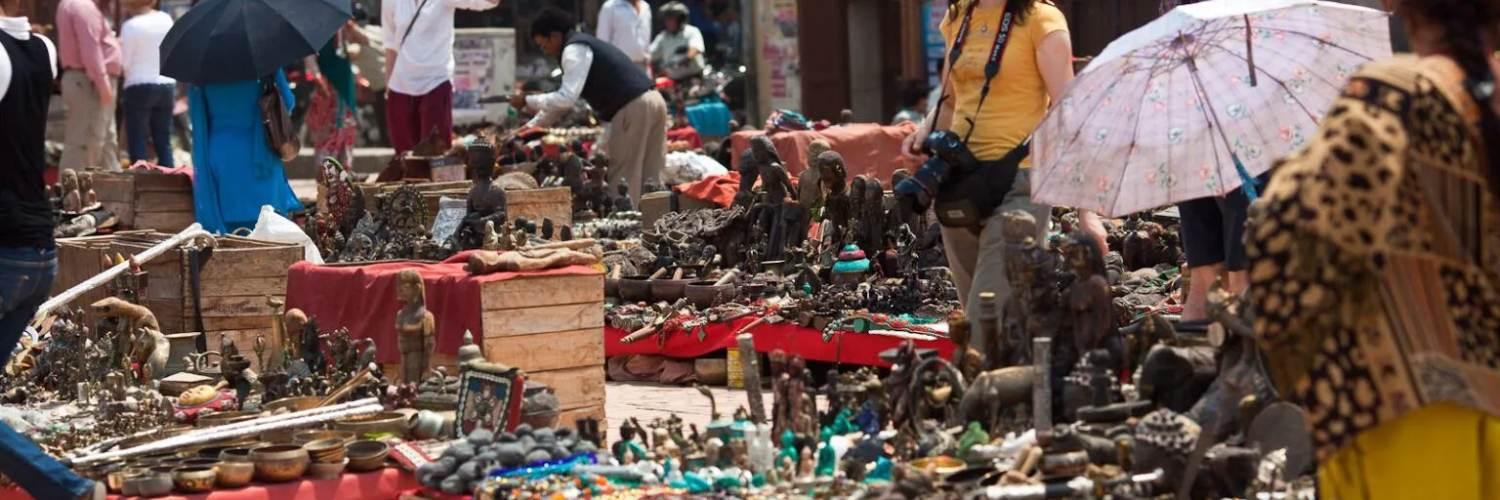
For every traveler who wanders through the ancient alleys of Kathmandu or scales the rugged trails of the Annapurna Circuit, there comes a moment of reflection: How do I take a piece of this spirit home?
While prayer flags and pashminas are beautiful, there is one object that embodies the grit, the history, and the heart of the Nepali people like no other - the Khukuri. More than just a knife, the Khukuri is a national icon, a legendary weapon of the Gurkhas, and a versatile tool that has carved out a life for Nepalese hill tribes for centuries.
At Best Heritage Tour, we believe that a souvenir should be a bridge to a story. In this comprehensive guide, we’ll take you beyond the "fancy shops" and into the soot-stained workshops of local blacksmiths to discover why a hand-forged khukuri is the perfect gift from Nepal, where to find an authentic one, and the vital logistics of bringing it home.
The Anatomy of a Legend: What Makes a Khukuri Unique?
To the untrained eye, a Khukuri is simply a curved blade. To a Nepali, every curve, notch, and material carries a specific meaning. Before you look for where to buy a Khukuri in Nepal, it is essential to understand what you are holding.
-
The Recurved Blade: The inward curve is designed for "weight-forward" momentum. This allows the user to exert maximum force with minimum effort, making it as effective for chopping firewood as it was in historical battles.
-
The ‘Cho’ or ‘Kaudi’: Near the handle, you’ll notice a small U-shaped notch. While many myths suggest it's for catching an opponent’s blade, its traditional purpose is to let blood or sap drip off the blade without making the handle slippery. Symbolically, it represents the hoof of a cow (sacred in Nepal) or the trident of Lord Shiva.
-
The Accompanying Blades: A traditional set comes with two tiny knives tucked into the back of the scabbard: the Karda (a small utility knife for skinning or sharpening) and the Chakmak (a blunt piece of steel used for honing the blade or striking a flint to start a fire).
Hand-Forged Khukuri vs. Factory-Made Khukuri: The Story in the Metal
The market is flooded with mass-produced "souvenir" blades that look shiny but lack soul. These are often made from inferior scrap metal in factories. However, at Best Heritage Tour, we advocate for the authentic hand-forged Khukuri.
How is a Khukuri Made by a Local Blacksmith?
The true Khukuri is born in a Bishwakarma (the traditional blacksmith caste, often called Kamis) workshop. These craftsmen don’t use modern power hammers or precision lasers. Their method is a rhythmic dance of fire and muscle that has remained unchanged for generations.
-
The Source Material: Authentic blades are almost exclusively forged from high-carbon steel, often repurposed from the leaf springs of heavy trucks or buses. This steel is incredibly durable and holds a "wicked" edge.
-
The Charcoal Forge: The steel is heated in a charcoal-fired hearth until it glows a bright cherry red. The blacksmith judges the temperature not with a thermometer, but by the color of the metal.
-
The Rhythmic Hammering: Usually, it takes three or four men. One master blacksmith holds the glowing steel with tongs, while the others strike it with heavy sledges in a synchronized beat. This process "folds" the metal, removing impurities and creating the iconic shape.
-
The Traditional Water Tempering: This is the most critical step. Instead of quenching the whole blade in oil (the modern way), the Kami pours a thin stream of cold water over the glowing edge while keeping the spine hot. This results in a differentially hardened blade: a razor-sharp, hard edge with a flexible, shock-absorbing spine.
-
The Natural Handle: Handles are traditionally carved from Water Buffalo horn or Indian Rosewood, secured with Laha (a traditional Himalayan tree resin) which acts as a natural, permanent epoxy.
The Dhap: More Than Just a Scabbard
In the local tongue, the holder for the Khukuri is called the Dhap (pronounced da-ap). While the Bishwakarma (blacksmiths) forge the steel, a completely different community of artisans - the Sarki - specializes in the craft of leatherwork and scabbard making.
A Khukuri is only as good as the Dhap that protects it. If you are buying a hand-forged blade, the scabbard should be equally authentic. Here is what makes a traditional Dhap a masterpiece of Nepali leathercraft:
1. The Internal Skeleton (Wood)
The Dhap is not just a floppy leather bag. Inside every authentic Nepali scabbard is a wooden frame, typically carved from Himalayan Pine or Rhododendron wood. The wood is carefully hollowed out to fit the exact curve of that specific blade. This ensures the blade doesn't rattle and, more importantly, doesn't cut through the leather while you are walking.
2. The Leather Wrap (Water Buffalo Hide)
Once the wooden frame is shaped, it is wrapped in high-quality Water Buffalo leather. Local artisans don't use modern synthetic glues; they often use Laha (traditional tree resin) to bond the leather to the wood.
-
The Texture: Traditional leather is often dyed black or dark brown. It is thick, durable, and weather-resistant, designed to survive the humid monsoons and the freezing temperatures of the high Himalayas.
-
The Craftsmanship: Look closely at the stitching. On a hand-made Dhap, the seams are tight and often tucked away at the back.
3. The Functional Components
A true Dhap is a piece of tactical gear. It includes:
-
The Golie (Belt Loop): A sturdy leather loop at the top that allows the Khukuri to hang at a slight angle from your belt, making it easy to draw quickly.
-
The Karda and Chakmak Pockets: On the back of the Dhap, you will find two small integrated pouches. These hold the Karda (utility knife) and Chakmak (honing steel/fire starter).
-
The Khothi (Chape): Many traditional scabbards feature a pointed brass or white-metal tip at the bottom. This prevents the sharp tip of the Khukuri from poking through the bottom of the leather over time.
4. Identifying Authentic Leather vs. "Rexine"
When shopping in the tourist hubs of Kathmandu, be wary of Rexine (artificial leather). It looks shiny and perfect but will peel and crack within a year.
-
The Smell Test: Real buffalo leather has a distinct, earthy organic scent.
-
The Feel: Authentic leather feels warm and slightly textured; synthetic leather feels cold and "plasticky."
At Best Heritage Tour, when we take our guests to meet the local craftsmen, we make sure you see the raw hides being prepared. This ensures that the gift you take home is 100% organic, traditional, and built to last a lifetime.
Where to Buy Khukuri in Kathmandu | From Local Blacksmith not from Fancy Gift Shops
If you walk through Thamel or the Durbar Squares, you will see hundreds of Khukuris hanging in windows. Most of these are "tourist grade" - fine for a wall, but not a true representation of the craft.
If you are looking for where to buy a Khukuri in Kathmandu from a local blacksmith, you need to head slightly off the main tourist drag.
1. The Workshops of Patan (Lalitpur)
Patan is the heart of Nepal’s metal-crafting heritage. Deep within the narrow alleys (known as Galis) surrounding Patan Durbar Square, you can still find small family-run forges. Look for the "Bishwakarma" name on the signs. Here, you can watch the sparks fly and buy directly from the man who swung the hammer.
2. The Area Around Swayambhunath (Dallu)
Near the base of the Monkey Temple, there are several traditional forges that supply the local army and villagers. These shops don't have neon lights, but their blades are "battle-ready" and balanced to perfection.
3. Why Avoid the Fancy Shops?
Fancy shops in high-traffic areas often mark up prices by 300% and sell blades that have been machine-polished to a mirror finish. This polishing often ruins the tempering of the steel. A real blacksmith’s Khukuri might look a bit "raw" or have hammer marks on the spine - this is the mark of authenticity.
Is a Khukuri Allowed on a Flight? (Crucial Travel Advice)
This is the number one question our guests ask at Best Heritage Tour. The short answer is Yes, but with very specific rules.
-
Never in Carry-on: You cannot take a Khukuri in your hand luggage. It will be confiscated at the first security checkpoint.
-
Checked Luggage Only: The Khukuri must be packed securely in your checked suitcase.
-
Packaging is Key: Wrap the blade in bubble wrap or thick paper to ensure it doesn't pierce your bag (or a baggage handler).
-
Declare It: If you are traveling to a country with strict weapon laws (like the UK, Australia, or parts of Europe), it is wise to check local import laws. Generally, as a souvenir/decorative item, it is permitted, but it must be declared if asked by customs.
-
Domestic Flights within Nepal: If you are flying from Pokhara back to Kathmandu, the same rules apply. Put it in your checked bag, and inform the check-in counter that there is a "souvenir knife" inside.
Why the Khukuri is the Perfect Gift for Trekkers and Travelers
For those who have trekked the Everest Base Camp or the Manaslu Circuit, the Khukuri represents the strength of the porters and guides who made the journey possible.
-
For the Outdoor Enthusiast: It is a superior bushcraft tool. It can clear brush, split kindling, and even prepare dinner.
-
For the Historian: It is a piece of living history. The British Gurkhas still carry the Khukuri as their official sidearm, a tradition that has lasted over 200 years.
-
For the Collector: A hand-forged blade from a Kathmandu blacksmith is a unique piece of functional art. No two are exactly alike.
A Note on Responsible Tourism
When you choose to buy from a local blacksmith rather than a large commercial distributor, you are directly supporting the preservation of a dying art. The Kami community has faced challenges from modern manufacturing, and your purchase helps keep these ancient skills alive for the next generation.
Conclusion
A Khukuri is more than a gift; it is a symbol of the "Brave Gurkha" and the resilient spirit of Nepal. Whether you want to use it on your next camping trip or display it proudly on your mantle, ensure that the blade you choose carries the weight of tradition.
At Best Heritage Tour, we don’t just show you the monuments; we connect you with the people who make Nepal’s culture vibrate. From organizing visits to traditional blacksmith forges to guiding you through the hidden markets of Kathmandu, we are here to make your Nepalese experience authentic and unforgettable.
Ready to explore the heritage of the Himalayas?
Phone / WhatsApp / Viber: +977-9851149197 / +977-9810043046
Email: info@bestheritagetour.com / bestheritagetour@gmail.com
Website: www.bestheritagetour.com
Office: Thamel Marg, Kathmandu, Nepal
Author: Best Heritage Tour
Date: 12th May, 2026