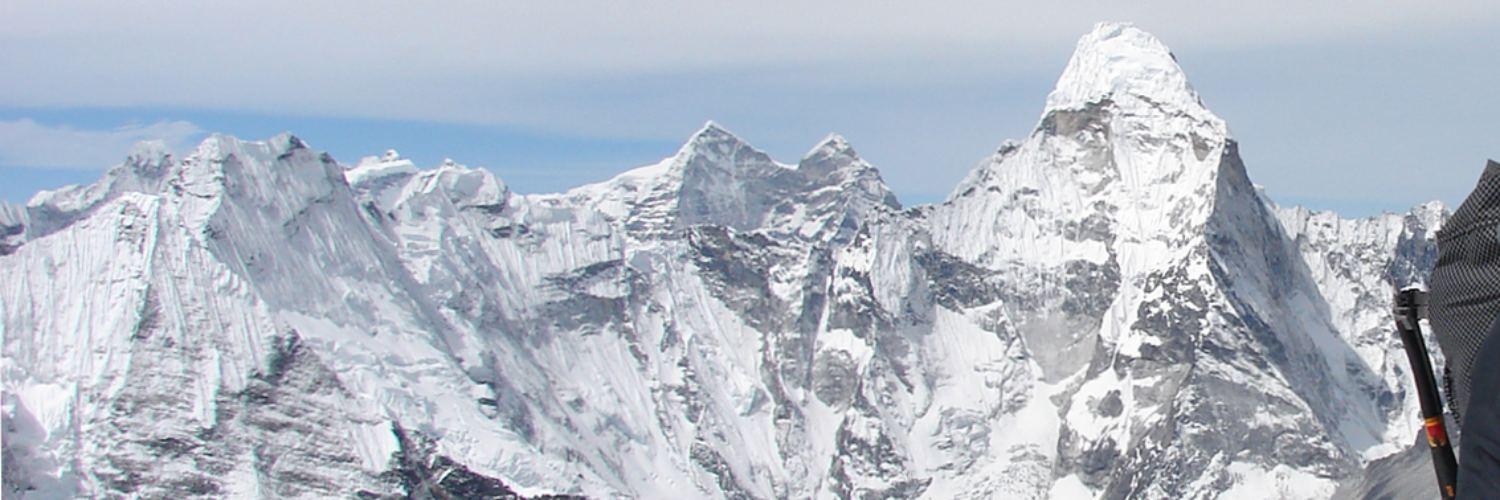
Soaring at 6,189 meters (20,305 feet) in the heart of the Khumbu region, Island Peak - or Imja Tse - is the most iconic "trekking peak" in Nepal. For many, it is the bridge between high-altitude trekking and technical mountaineering. While it is accessible to first-time climbers, let us be clear: Island Peak is not a "walk-up."
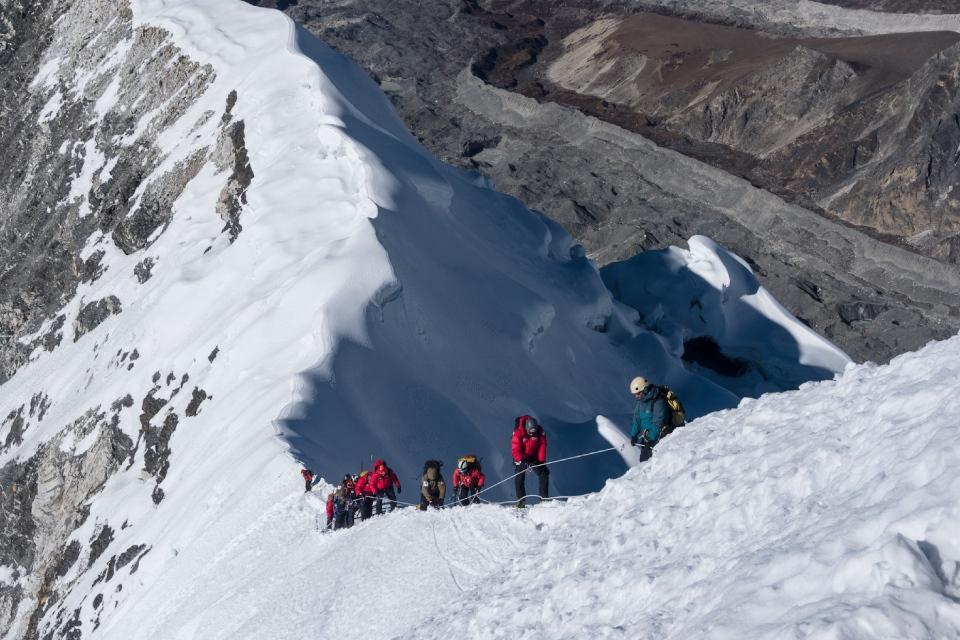
The summit day involves a pre-dawn start, navigating a fractured glacier, and a grueling ascent up a 45-60 degree headwall of ice and snow. At Best Heritage Tour, we believe that physical training is your insurance policy. This guide outlines the exact physical, technical, and mental roadmap you need to stand atop the peak and gaze at the South Face of Lhotse.
Understanding the Challenge: The Three Pillars of Island Peak
Before you lift a single weight, you must understand what you are training for. Island Peak presents three distinct challenges:
-
The Approach (Trekking Endurance): A 10-12 day trek through the Everest region, carrying a daypack for 5-7 hours daily.
-
The Altitude (Hypoxia): Moving in air that contains only 47% of the oxygen found at sea level.
-
The Technical Ascent (Climbing Power): Using crampons, ice axes, and jumars (ascenders) on steep slopes while wearing heavy mountaineering boots.
Physical Conditioning: Building a Mountain-Ready Engine
Your training should begin at least 12 to 16 weeks before your flight to Lukla. At Best Heritage Tour, we recommend a "Sport-Specific" approach.
Aerobic Base (Cardiovascular Endurance)
The goal is to increase your VO2 max and your body’s ability to utilize oxygen efficiently.
-
The Routine: Engage in 45-60 minutes of low-intensity cardio (Zone 2) 3-4 times a week. Running, cycling, or swimming are excellent.
-
The Local Secret: If you can’t get to a mountain, the StairMaster is your best friend. Put on your trekking boots, grab a 10kg pack, and climb. This builds the specific calf and quad endurance needed for the relentless uphill of the Khumbu.
Weighted Hiking (The Gold Standard)
Nothing prepares you for Nepal like hiking with a pack.
-
Phase 1 (Weeks 1-4): Hike 3-4 hours with a 5kg pack.
-
Phase 2 (Weeks 5-8): Increase to a 10kg pack and find steeper terrain.
-
Phase 3 (Weeks 9-12): Simulate "Summit Day." Aim for a 6-8 hour hike with a 12kg pack, including significant elevation gain and loss.
Strength & Core Stability
You aren't just moving your body; you’re managing weight on uneven, slippery terrain.
-
Legs: Focus on eccentric strength (the "downward" movement). Squats, lunges, and step-ups are vital. Your knees must be strong enough to handle the 1,000-meter descent after the summit.
-
Core: A strong core prevents fatigue and keeps you balanced on narrow ridges. Planks, Russian twists, and "supermans" should be staples in your gym routine.
Technical Training: Beyond the Gym
Island Peak requires "Basic Technical Mountaineering" skills. While our Best Heritage Tour guides provide a "Pre-climb training" session at Chhukung or Base Camp, your success rate increases 100% if you arrive with fundamental knowledge.
Crampon Coordination
Walking in crampons feels like having "duck feet." It requires a wider stance to avoid snagging your pants.
-
Action: If you live in a snowy climate, practice walking on slopes. If not, focus on "Ankle Mobility" exercises to ensure you can keep your crampon points flat on the ice (French Technique).
The Jumar (Fixed Rope Ascent)
The final 100 meters of Island Peak is a steep snow/ice headwall. You will be clipped into a fixed rope using a Jumar.
-
What to Know: You need "Pulling Strength" in your arms and "Pushing Strength" in your legs. Practice the rhythm: Slide Jumar - Step - Step - Breathe.
Rappelling (Abseiling)
What goes up must come down. You will need to rappel down the headwall using a Figure-8 or ATC device.
-
The Tip: Visit a local climbing gym and take an introductory "Learn to Lead" or "Rappelling" clinic. Being comfortable with heights and rope management will save you from "summit jitters" when you’re tired and cold at 6,000m.
The Invisible Training: Acclimatization & Nutrition
You can be an Olympic athlete and still fail Island Peak if you ignore the biology of altitude.
The Art of Pacing: "Bistari, Bistari"
In Nepali, Bistari means slowly. Our Best Heritage Tour itineraries are designed with specific "Acclimatization Days" in Namche Bazaar (3,440m) and Dingboche (4,410m).
-
Training Tip: During your home workouts, practice breathing through your nose. It filters and warms the air, mimicking how we teach you to breathe on the trail.
Nutrition and Hydration
At high altitude, your body burns calories just staying warm.
-
Hydration: Practice drinking 4 liters of water a day during your training. In the Himalayas, dehydration is the fastest route to Acute Mountain Sickness (AMS).
-
Diet: Train your gut to handle carbohydrates. While "Keto" might work at sea level, your brain and muscles need glucose at 6,000m. Stick to the "Sherpa Power" - Dal Bhat (lentils and rice).
Mental Fortitude: The "Why" Behind the Climb
Summit day starts at 1:00 AM. It will be -15°C. Your headlamp will illuminate only a small patch of snow in front of you. This is where mental training kicks in.
-
Visualization: Spend 5 minutes a day visualizing the "Yellow Tower" (a rocky section) and the final ridge. See yourself moving calmly and breathing deeply.
-
Patience: Expect delays. Weather in the Himalayas is unpredictable. Mental flexibility is just as important as physical flexibility.
Essential Gear: Your Life Support System
Preparation isn't just about muscles; it's about the right tools. At Best Heritage Tour, we provide high-quality group gear (ropes, tents, ice screws), but your personal kit is your responsibility.
|
Item |
Importance |
Why? |
|---|---|---|
|
Double Boots |
Critical |
Prevents frostbite; plastic outer/warm inner. |
|
Down Jacket |
Essential |
Rated for -20°C for the summit push. |
|
Crampons |
Technical |
12-point steel crampons for the glacier. |
|
Ice Axe |
Safety |
Used for balance and self-arrest. |
|
Gore-Tex Shell |
Protection |
Keeps the biting Himalayan wind out. |
Note: You can rent heavy mountaineering boots and technical gear in Chhukung, but we always recommend bringing your own well-broken-in trekking boots for the approach.
Sample 12-Week Training Schedule
Here is a simplified version of the regimen we suggest to our clients at Best Heritage Tour:
-
Weeks 1-4: Building the Base
-
3x Weekly: 30-40 mins cardio.
-
2x Weekly: Full body strength (squats/planks).
-
Weekend: 2-hour hill walk.
-
-
Weeks 5-8: Adding Weight
-
3x Weekly: 50 mins cardio (intervals).
-
2x Weekly: Functional strength (weighted lunges/step-ups).
-
Weekend: 4-hour hike with 8kg pack.
-
-
Weeks 9-11: Peak Performance
-
4x Weekly: 60 mins StairMaster or hill repeats with 12kg pack.
-
1x Weekly: Technical skill practice (knots/gym climbing).
-
Weekend: 6-hour back-to-back hikes.
-
-
Week 12: Tapering
-
Light walking only. Hydrate. Sleep. Prepare your bags for Kathmandu!
-
Conclusion
Island Peak is a monumental undertaking that requires respect, discipline, and a sense of adventure. By following this training guide, you aren't just preparing your body; you are ensuring that you can actually enjoy the experience rather than just surviving it.
At Best Heritage Tour, we don't just sell permits; we share our heritage. Our experienced Sherpa guides, meticulous safety protocols, and deep roots in the Kathmandu trekking community ensure that your journey from Thamel to the summit of Imja Tse is seamless, safe, and life-changing.
Ready to Stand on Top of the World?
If you have questions about gear, permits, or specific training for your fitness level, we are here to help. Let’s turn your Himalayan dream into a reality.
Phone / WhatsApp / Viber: +977-9851149197 / +977-9810043046
Email: info@bestheritagetour.com / bestheritagetour@gmail.com
Website: www.bestheritagetour.com
Office: Thamel Marg, Kathmandu, Nepal
Author: Best Heritage Tour
Date: 8th May, 2026