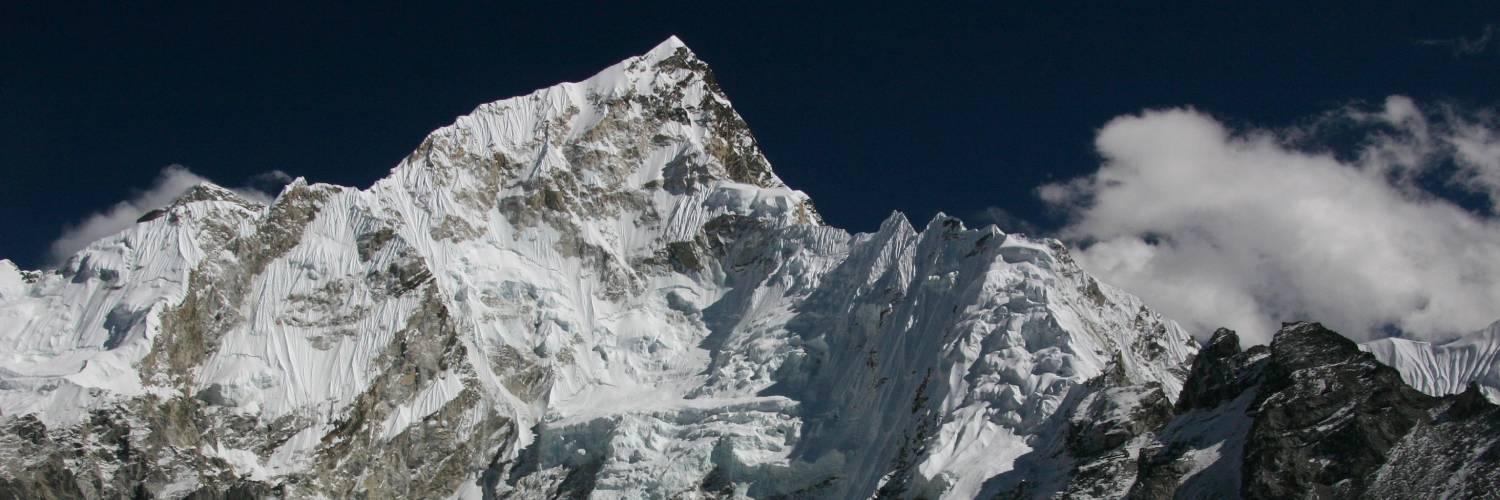
For any trekker following the legendary trail through the Khumbu Valley, the name Gorakshep resonates with a mixture of nervous anticipation and profound accomplishment. At Best Heritage Tour, we have walked these glacial paths for decades. We have seen the sun rise over the Kala Patthar and watched the mist roll across the frozen lakebed. We know that Gorakshep is more than just a dot on a map; it is the physical and psychological threshold of the Everest region.
In this comprehensive guide, we provide everything you need to know about Gorakshep village, the facilities you will find there, and the gritty reality of life at 5,164 meters (16,942 feet).
Understanding Gorakshep: The Geography of the Edge
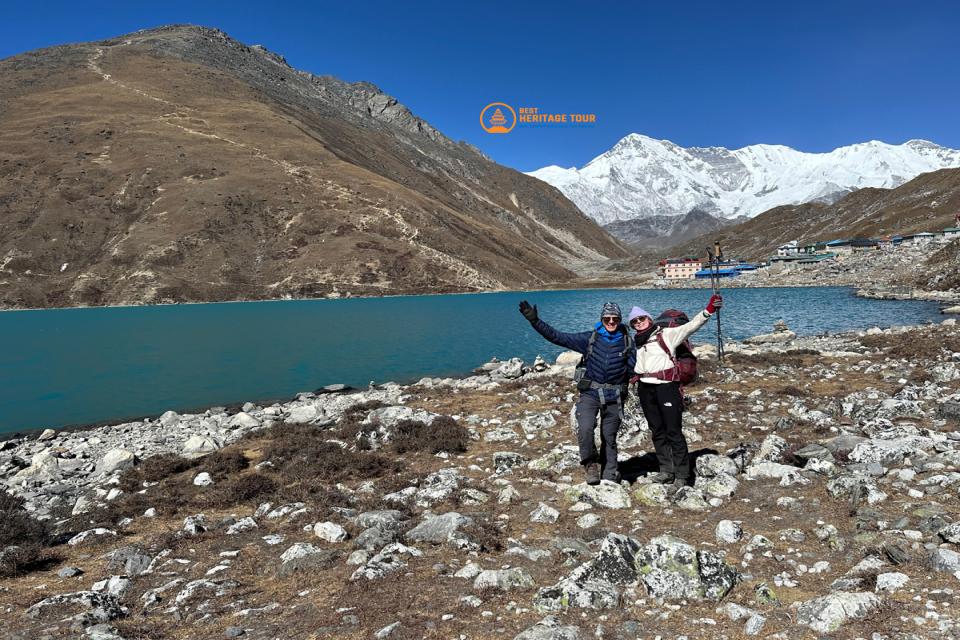
Gorakshep sits at the very limit of human habitation. To understand this place, one must understand its unique geology. It is essentially a large, frozen, sand-covered lakebed nestled between the lateral moraine of the Khumbu Glacier and the towering slopes of Kala Patthar.
The "Dead Raven" Legacy
The name "Gorakshep" is derived from the Sherpa language, meaning "Dead Ravens." While this sounds stark, it accurately describes the thin-air environment where even the hardiest Himalayan Choughs (birds often mistaken for ravens) struggle to find sustenance. When you stand in the center of the village, you aren't just in a high-altitude settlement; you are in a high-alpine desert where the rules of the lowland world no longer apply.
A Historic Launchpad
Long before the colorful tents of modern expeditions dotted the Khumbu Glacier, Gorakshep was the original Everest Base Camp. The 1952 Swiss expedition and the historic 1953 British expedition led by Sir Edmund Hillary and Tenzing Norgay used this area as a vital staging point. When you stay here with us, you are sleeping in the cradle of mountaineering history.
Facilities in Gorakshep Village: Managed Expectations
At Best Heritage Tour, we believe in radical honesty with our clients. Gorakshep is arguably the most difficult place in Nepal to maintain a business. Every beam of wood, every bag of rice, and every solar panel must be flown into Lukla and then carried on the backs of porters or yaks for 8 to 10 days.
Accommodation (The Teahouses)
There are only a handful of lodges in Gorakshep. Because of the limited space and the immense demand, these lodges are basic.
-
The Rooms: Expect small, unheated rooms with two single beds. The walls are thin, often made of plywood, meaning you will likely hear your neighbor’s "Khumbu Cough" or the rustle of their sleeping bag.
-
The Dining Hall: This is the heart of the village. It is the only heated room (usually by a central stove burning dried yak dung). It is where stories are swapped and warmth is found.
-
Availability: During peak seasons (April/May and October/November), Gorakshep operates at 110% capacity. This is why booking through a professional agency like ours is vital - we ensure you have a bed, rather than a spot on a dining room bench.
Power and Connectivity
-
Electricity: Almost entirely solar-dependent. Charging a phone or a camera battery typically costs between $5 and $8 USD per device. We always advise our trekkers to carry high-capacity power banks.
-
The Internet: Everest Link is the primary provider here. You can purchase data cards, but remember: the signal is fighting its way through some of the tallest granite walls on Earth. It is sufficient for a "Safe at EBC" message, but don't expect to stream high-definition video.
Hydration and Nutrition
-
The "No Meat" Rule: This is the most important advice we give. All meat in Gorakshep is carried up from lower elevations without refrigeration. To avoid "Bali Belly" or food poisoning at 5,000m - which can end your trek instantly - we strictly recommend a vegetarian diet (Dal Bhat, Pasta, Garlic Soup) while in the village.
-
Water: Boiled water is the safest. It is expensive because of the fuel required to boil it at an altitude where water boils at a much lower temperature (around 83°C).
The Physical Toll: Altitude and Acclimatization
Staying in Gorakshep is the ultimate test of your Everest Base Camp Trek. Because you are sleeping above 5,000 meters, your body is under constant stress.
-
Oxygen Saturation: At this height, every breath contains roughly half the oxygen found at sea level. Your heart rate will be elevated even while resting.
-
The Cold: Once the sun dips behind the mountains, temperatures in Gorakshep plummet. It is not uncommon for indoor temperatures in the bedrooms to reach -10°C (14°F). A high-quality, four-season sleeping bag is an absolute necessity.
Why We Go: The Twin Jewels of Gorakshep
People don't come to Gorakshep for the comfort; they come for the proximity to greatness. From this village, two primary objectives await.
Journey to Everest Base Camp (EBC)
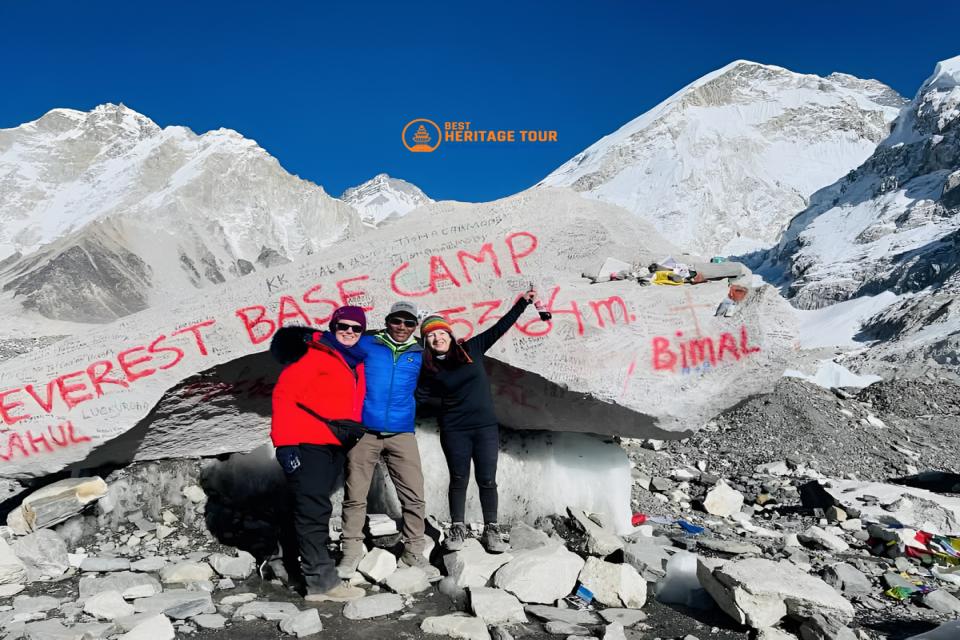
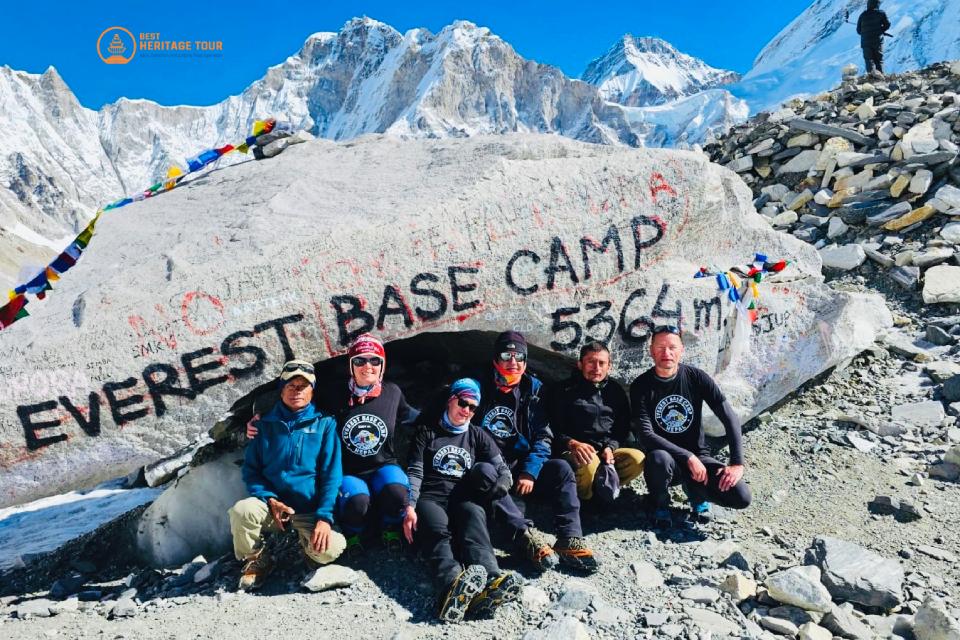
From the lodges, it is a roughly 3 to 4-hour round trip to the actual Base Camp. The trail weaves along the ridge of the Khumbu Glacier. It is a world of white and grey - shifting ice, deep crevasses, and the occasional roar of an avalanche in the distance. Standing at the edge of the icefall is a spiritual experience that defies description.
The Ascent of Kala Patthar
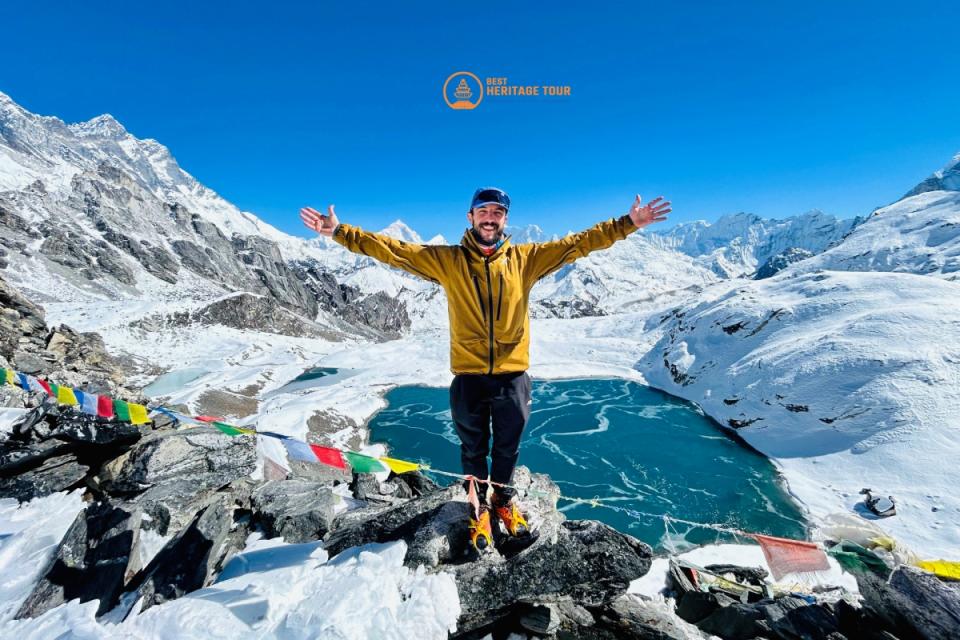
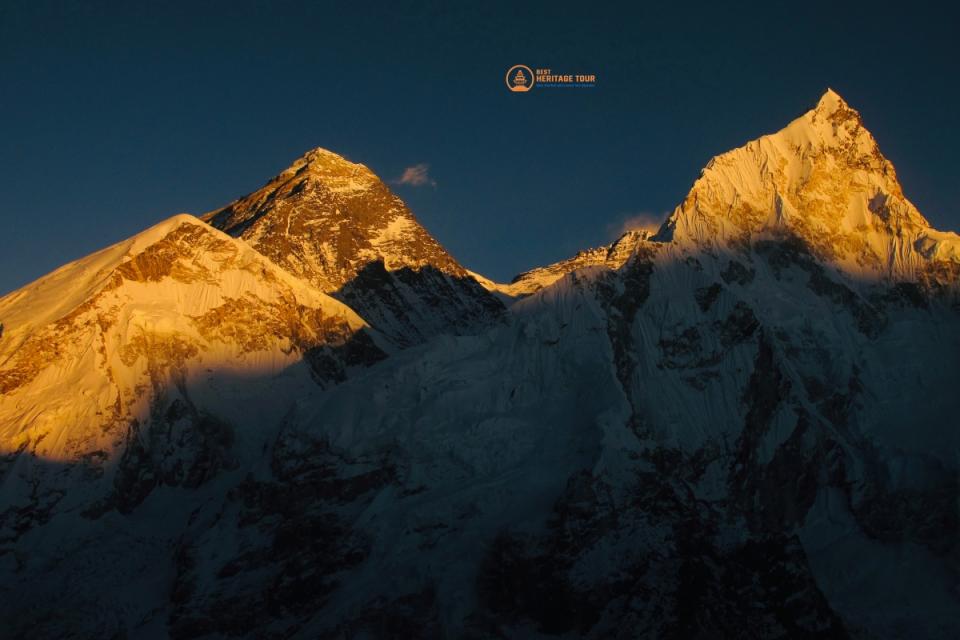
While EBC is the goal, Kala Patthar (5,545m) is the reward. You cannot see the summit of Mt. Everest from Base Camp (it is blocked by the Nuptse ridge). To see the Mother Goddess (Chomolungma) in all her glory, you must climb the steep, rocky slope of Kala Patthar.
Best Heritage Tour Tip: We often recommend a sunset climb. While sunrise is famous, the sunset turns the face of Everest a deep, burning orange - a sight far fewer people witness.
Logistics: Reaching the Last Village in EBC Trek
The trek from Lobuche to Gorakshep is one of the most scenic yet taxing segments of the journey.
-
Time: Approximately 3 hours.
-
Terrain: You will be walking on the lateral moraine of the glacier. The path is "Himalayan Flat" - meaning a series of short, steep ups and downs over loose rock and scree.
-
Viewpoints: Keep your eyes peeled for the Pumori and Nuptse glaciers, which provide a dramatic backdrop to this high-altitude trek.
The Checklist for Gorakshep
Before you arrive at the last village before Everest Base Camp, ensure your pack contains:
-
Oxymeter: To monitor your oxygen levels (our guides carry these, but personal ones are helpful).
-
Diamox/Altitude Meds: Only to be used after consultation with a medical professional and your guide.
-
Headlamp: Essential for those early morning summit pushes to Kala Patthar.
-
Wet Wipes: Traditional showers are not advisable at this altitude due to the risk of hypothermia and the "Khumbu Cough."
Conclusion: The Soul of the Khumbu
Gorakshep is not merely a place to sleep; it is a rite of passage. It represents the thin line between the world we know and the majestic, indifferent world of the high peaks. At Best Heritage Tour, we don't just provide a guide; we provide a bridge to this extraordinary reality.
When you stand on the dusty lakebed of Gorakshep, looking up at the plume of snow blowing off the top of Everest, you realize that every difficult step, every cold night, and every labored breath was worth it. This is the heart of the Himalaya.
Start Your Journey with Best Heritage Tour
Are you ready to witness the majesty of the Khumbu for yourself? Whether you are a solo traveler or a group looking for a bespoke heritage experience, we are here to ensure your trek is safe, culturally immersive, and unforgettable.
Phone / WhatsApp / Viber: +977-9851149197 / +977-9810043046
Email: info@bestheritagetour.com / bestheritagetour@gmail.com
Website: www.bestheritagetour.com
Office: Thamel Marg, Kathmandu, Nepal
Author: Best Heritage Tour
Date: 29th March, 2026