
At Best Heritage Tour, we believe that the soul of Nepal isn't just found on the snowy peaks of the Himalayas, but also in the fertile, mud-splattered terraces of our valleys. If you are a cultural explorer, a family seeking a unique bonding experience, or a trekker looking for a deeper connection to the land, there is one day on the Nepali calendar you simply cannot miss.
Welcome to the celebration of National Paddy Day, affectionately known by locals as Dahi Chiyura Khane Din and famously known as Mud Festival to foreigners.
In this comprehensive guide, we will walk you through the rhythmic songs, the playful mud-slinging, and the creamy culinary traditions that define this vibrant monsoon festival. Whether you're planning your 2026 visit or are already in the heart of Thamel looking for an authentic experience, here is everything you need to know.
What is National Paddy Day Celebration in Nepal?
National Paddy Day (known in Nepali as Rastriya Dhan Diwas) is the official commencement of the rice-planting season. While rice has been the lifeblood of Nepal for millennia, the government formally recognized Asar 15 as National Paddy Day in 2004 to highlight the importance of agriculture and to boost the morale of our hardworking farmers.
For us at Best Heritage Tour, this day represents the "Golden Cycle" of life. Rice is more than just a staple; it is sacred. From a baby's first solid food (Pasni) to the rituals of marriage and death, rice is the thread that weaves our culture together.
Why the "Mud Festival"?
Beyond the labor of planting, the day has evolved into a "Mud Festival." It is a day where social hierarchies dissolve in the muddy paddies. Whether you are a local landowner, a city dweller from Kathmandu, or a tourist from halfway across the world, once you step into the mud, everyone is equal.
What is Dahi Chiyura Khane Din in Nepal?
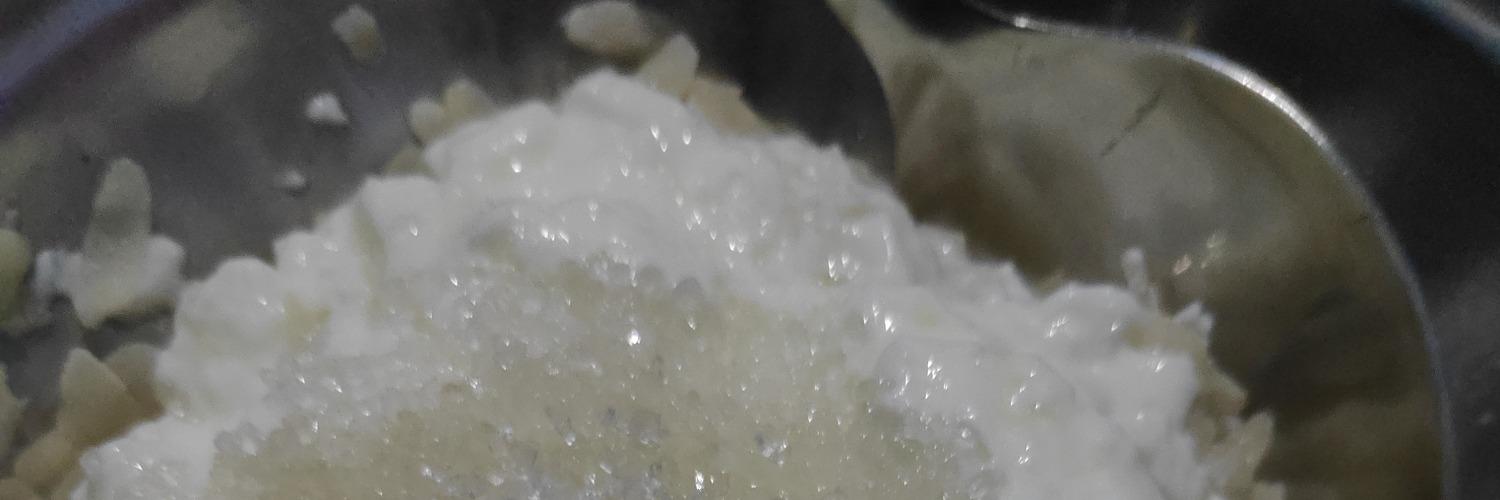
If you ask a local child about Asar 15, they might not mention "paddy" at all - they’ll tell you it’s Dahi Chiyura Khane Din (The Day to Eat Curd and Beaten Rice).
-
Dahi: Thick, creamy yogurt (often made from buffalo milk).
-
Chiyura: Beaten or flattened rice, which has a distinct crunch and nutty flavor.
This combination is the ultimate "power meal" for farmers. It provides an instant energy boost, keeps the body cool during the humid monsoon, and is incredibly easy to prepare in the middle of a field. Traditionally, it is served with seasonal treats like ripe bananas, mangoes, and occasionally a side of spicy Alu Dum (potato curry) to balance the sweetness.
Dahi Chiyura Khane Din Exact Date in 2026
The date of this festival follows the Bikram Sambat (BS) calendar, falling on the 15th of the month of Asar.
Mark Your Calendars: In the year 2026, National Paddy Day (Asar 15) will be celebrated on June 29, 2026.
This marks the peak of the monsoon season. While trekking trails can be slippery and clouds may hide the peaks, the valleys turn a brilliant, neon green that is a photographer’s dream.
Where to Celebrate Mud Festival in Nepal?
While every village in Nepal with a rice field will be celebrating, certain locations offer a more immersive experience for travelers. Here are our top recommendations:
1. Kirtipur (The Heritage Hub)
Located just 5km from our office in Thamel, this ancient Newari hilltop town is perhaps the best place for a "Ropain Jatra" (Planting Festival). The community here is deeply traditional, and the terraced fields below the town become a theater of song and dance.
2. Bhaktapur & Thimi
Known as the "City of Devotees," Bhaktapur’s outskirts offer a glimpse into traditional farming tools and techniques that haven't changed in centuries. The local Newari music (Dhimay) adds a rhythmic pulse to the planting.
3. Pokhara (The Tourist’s Mud Playground)
If you are looking for a more organized "festival" atmosphere, Pokhara hosts large-scale events specifically designed for tourists to participate. Expect mud-wrestling competitions and "catch the duck" games in the muddy fields of Pame or Hemja.
4. Bungamati and Khokana
These twin medieval villages in Lalitpur are famous for their mustard oil and traditional lifestyle. Celebrating here feels like stepping back in time.
How to Celebrate Dahi Chiyura Khane Din: A Step-by-Step Guide
If you want to celebrate like a true Nepali, follow this traditional routine:
Step 1: The Morning Procession
Farmers and locals gather in their traditional attire - men in Daura Suruwal and women in Haku Patasi or Gunyo Choli. They march toward the fields accompanied by flutes and drums.
Step 2: The Rhythms of "Asare Bhaka"
As the planting begins, listen for the Asare Bhaka. These are traditional folk songs sung specifically in the month of Asar. The lyrics often tell stories of love, the longing for a spouse working abroad, and the hope for a bountiful harvest.
Step 3: Getting Your Hands (and Feet) Dirty
Men usually take the lead in plowing the fields with oxen (though many now use hand-tractors), while women expertly "dart" the rice seedlings into the soft mud. Don't be shy - locals will often pull you into the field!
Step 4: The Mud War
Once the work is halfway done, the "war" begins. Splashing muddy water and smearing mud on friends (and strangers) is considered a blessing. It is believed that touching the soil on this day brings good health and prosperity.
Step 5: The Feast
Finally, sit on the edge of the terrace and dig into your bowl of Dahi Chiyura. There is something uniquely satisfying about eating creamy curd with your hands after a few hours of playing in the mud.
Things to Do in Dahi Chiyura Khane Din for Travelers
If you are joining a Best Heritage Tour group during this festival, here are some activities we recommend:
-
Photography: Capture the contrast of the bright green seedlings against the chocolate-brown mud. The expressions of joy are priceless.
-
Volunteering: Many local NGOs and community groups organize "Planting for a Cause" events where you can help local farmers who may be short-handed.
-
Culinary Tours: Join a local family to learn how "Dahi" is traditionally set in clay pots (Maato ko Maacha) and how to perfectly mix your Chiyura.
-
Cultural Exchange: This is the best time to learn the Newari language or local dialects, as the festive mood makes everyone more conversational.
Conclusion
National Paddy Day is more than an agricultural event; it is a celebration of the resilience, unity, and joy of the Nepali spirit. It is the day the earth gives us permission to be children again - to play in the mud, to sing at the top of our lungs, and to share a simple, sacred meal with neighbors.
As the monsoon rains wash over the Kathmandu Valley this June, don't stay indoors. Step out, embrace the mud, and taste the tradition of Dahi Chiyura.
Ready to get muddy?
If you have questions about the 2026 festival or want to book a specialized Heritage & Harvest Tour, contact us today.
Phone / WhatsApp / Viber: +977-9851149197 / +977-9810043046
Email: info@bestheritagetour.com / bestheritagetour@gmail.com
Website: www.bestheritagetour.com
Office: Thamel Marg, Kathmandu, Nepal
Author: Best Heritage Tour
Date: 8th May, 2026