Planning a journey to the foot of the world’s highest peak is an exhilarating prospect. However, amidst the excitement of packing your down jacket and lace-up boots, one practical question inevitably arises for every trekker: "What are the toilet facilities in the Everest Base Camp trek actually like?"
At Best Heritage Tour, we believe that being well-prepared is the key to a successful Himalayan adventure. Hygiene and sanitation are not just matters of comfort; they are essential for your health and performance at high altitudes. In this comprehensive guide, we will walk you through everything you need to know about the restroom situation on the trail - from the bustling streets of Namche Bazaar to the remote rocky outpost of Gorak Shep.
What Type of Toilet Will I Find in the Everest Region?
The Everest region (Khumbu) has seen significant infrastructure improvements over the last decade. However, the facilities vary wildly depending on your elevation and the type of lodge you choose. Generally, you will encounter two main types of toilets:
1. Western Toilets in EBC Trek
As tourism has grown, so has the demand for familiar comforts. You will find Western-style sit-down toilets in almost all major hubs like Lukla, Phakding, and Namche Bazaar.
2. Squat Toilets in EBC Trek
The squat toilet is the traditional standard across most of Nepal and remains common in higher or more basic teahouses. It consists of a porcelain or concrete hole in the floor with raised footrests. Generally, only squat toilets are available after the Namche Bazaar.
Detailed Breakdown: Toilet Facilities by Elevation in Everest Region
To help you visualize your journey, let’s break down what to expect at each stage of the Best Heritage Tour itinerary.
Phase 1: Lukla to Namche (The Luxury Zone)
In this lower section of the trek (2,800m to 3,440m), sanitation standards are at their highest.
-
Lodge Standards: Most teahouses here offer indoor, Western-style toilets.
-
Attached Bathrooms: If you book a luxury or standard-plus package with us, we prioritize lodges that offer rooms with attached bathrooms in these villages.
-
Public Options: There are managed public toilets along the trail in Phakding and Monjo, usually maintained by local teahouses.
Phase 2: Namche to Dingboche (The Transition)
As you climb above 4,000 meters, the infrastructure begins to simplify.
-
Water Freezing: This is where you first encounter frozen pipes during the autumn and winter seasons.
-
Shared Facilities: Attached toilets and Western Toilets become a rarity. Most trekkers will share a communal bathroom located at the end of the hallway or in a separate building outside the main lodge.
Phase 3: Lobuche to Gorak Shep (The High Alpine Reality)
At 4,900m and above, the environment is harsh.
-
Gorak Shep: This is the final stop before Base Camp. Toilets here are basic and limited to squat styles. Because water is scarce and often frozen, cleanliness can be a challenge.
-
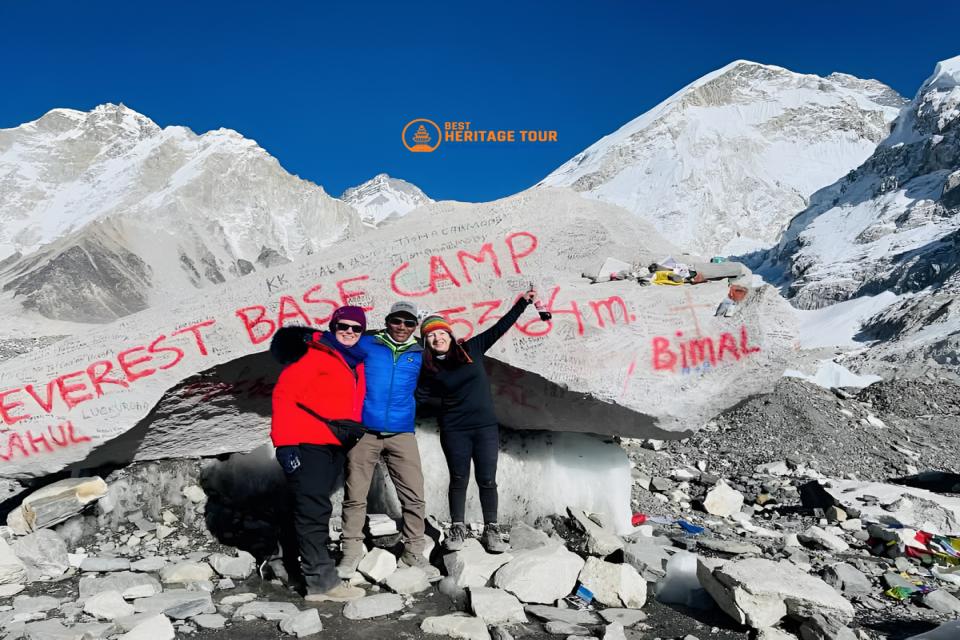
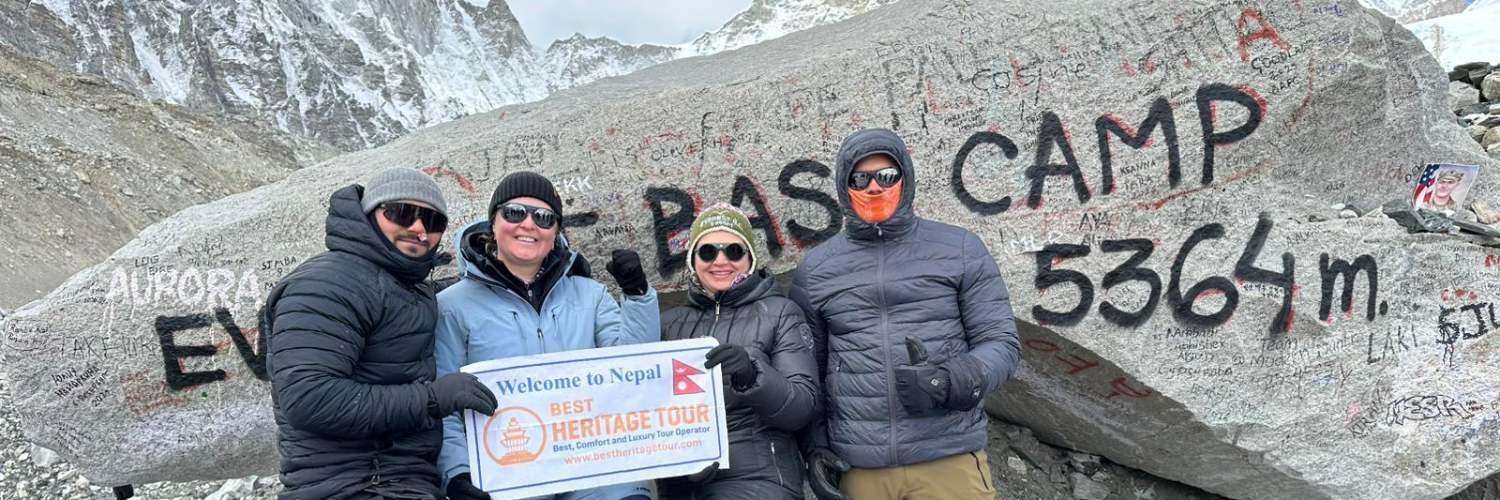
Everest Base Camp itself: It is important to note that there are no permanent public toilets at Everest Base Camp for trekkers. During the spring climbing season, you will see "toilet tents" with blue barrels, but these are strictly for expedition climbers. Trekkers visiting for the day must use the facilities back at Gorak Shep.
Hygiene and Sanitation: Pro Tips for Trekkers
Navigating toilet facilities in the Everest Base Camp trek is easier when you have the right supplies. Here is our "Best Heritage" checklist for a clean journey:
1. The Golden Rule: Bring Your Own Toilet Paper
Teahouses do not provide toilet paper for free. While you can buy rolls at shops in Namche or Dingboche, the price triples as you go higher.
-
Pro Tip: Pack 2-3 rolls of high-quality toilet paper from Kathmandu. Keep one roll in your daypack and the rest in your duffel bag.
2. Manage Your Waste Responsibly
Never flush toilet paper down the toilet - especially in the Himalayas. The plumbing systems and septic tanks cannot handle it.
-
The Bin System: Every restroom will have a small waste bin next to the toilet. Use it.
-
Ziploc Bags: We recommend carrying small, opaque Ziploc bags for your used paper if you are caught between villages.
3. Hand Hygiene is Life
In the cold air, washing your hands with freezing water is unappealing, and soap is not always available.
-
The Duo: Always carry a high-alcohol hand sanitizer AND biodegradable wet wipes. This is your best defense against the stomach upsets.
4. Nighttime Navigation
Many communal toilets are located outside the main sleeping quarters.
-
Headlamps: A headlamp is essential. Navigating a dark, icy path to a squat toilet at 2:00 AM without a light is a recipe for a bad experience.
-
Camp Shoes: Bring lightweight, easy-to-slip-on shoes (like Crocs) for midnight bathroom runs so you don't have to lace up your heavy hiking boots.
Frequently Asked Questions (FAQs)
Q: Are there private toilets on the EBC trek?
Yes, but primarily in the lower regions (Lukla, Phakding, Namche). In the higher regions, shared bathrooms are the norm. If a private toilet is a priority for you, please let us know during your booking so we can arrange the best available accommodations however do not have high expectation.
Q: Do I have to pay to use the toilets?
If you are a guest at a teahouse, the toilet use is included in your stay. However, if you are just passing through and use a toilet at a lodge where you aren't eating or sleeping, it is polite to pay a small fee (around 50-100 NPR) or buy a tea.
Q: Is there running water at high altitudes?
Running" water is rare above 4,000m due to freezing. Expect the bucket-and-jug system for flushing and hand-washing.
Conclusion
Understanding the toilet facilities in the Everest Base Camp trek helps set realistic expectations for your journey. While you won't find five-star luxury at 5,000 meters, the sense of accomplishment you feel standing at the base of Everest far outweighs the temporary inconvenience of a squat toilet.
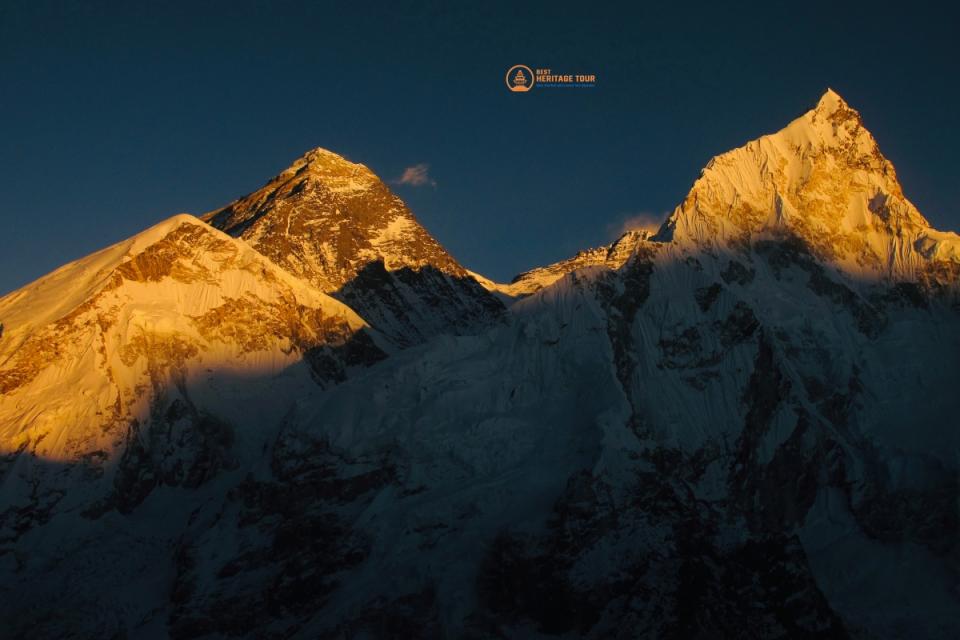
With Best Heritage Tour, you are never alone. Our experienced guides are experts at scouting the cleanest lodges and ensuring you have everything you need for a hygienic and comfortable trek. We handle the logistics so you can focus on the breathtaking views of Everest, Lhotse, and Ama Dablam.
Plan Your Himalayan Adventure Today!
Ready to witness the grandeur of the Everest region with a team that cares about the details? Contact us to book your 2026/2027 trek.
Phone / WhatsApp / Viber: +977-9851149197 / +977-9810043046
Email: info@bestheritagetour.com / bestheritagetour@gmail.com
Website: www.bestheritagetour.com
Office: Thamel Marg, Kathmandu, Nepal
Author: Best Heritage Tour
Date: 26th April, 2026