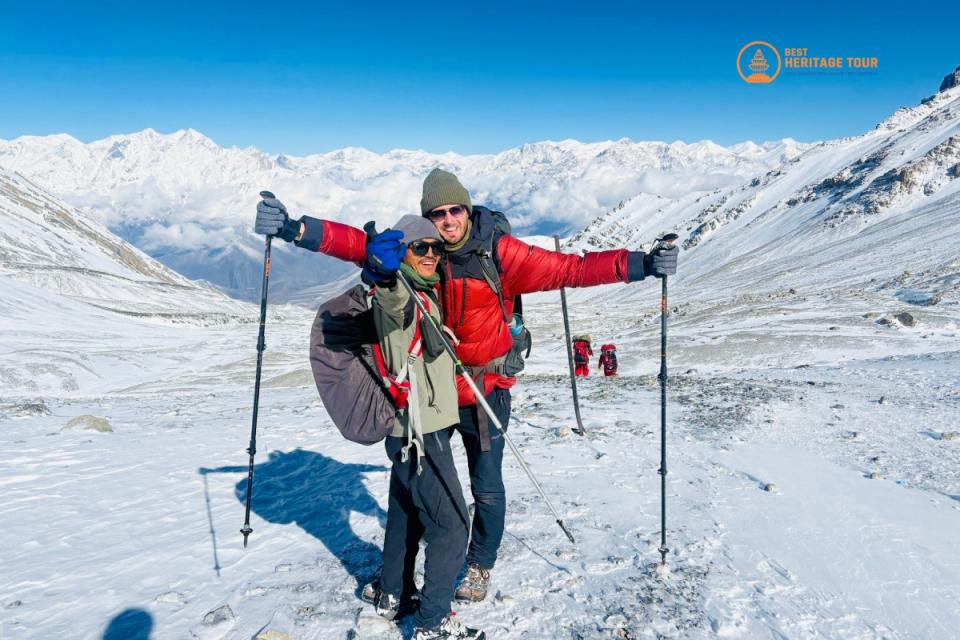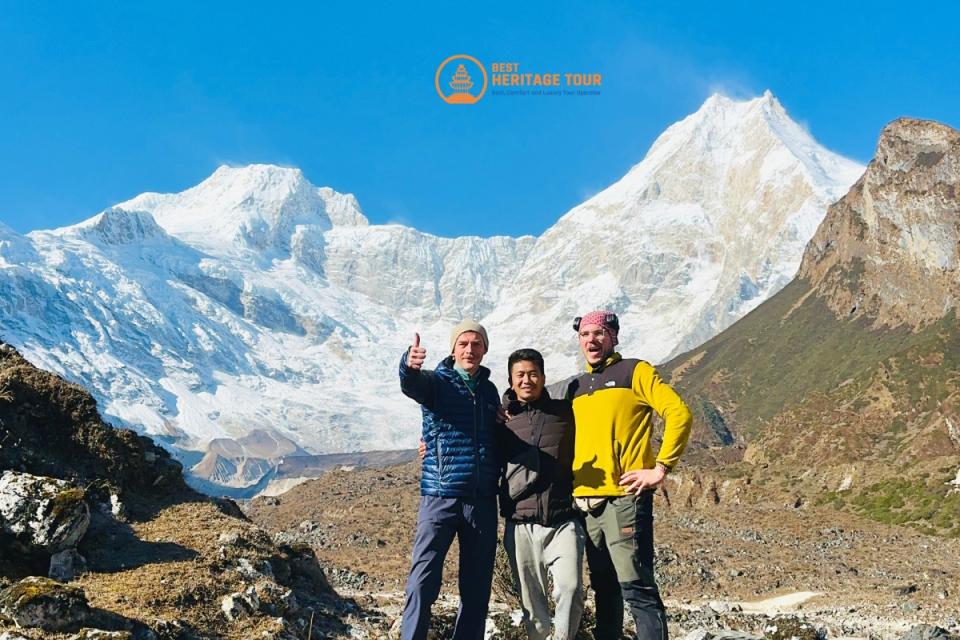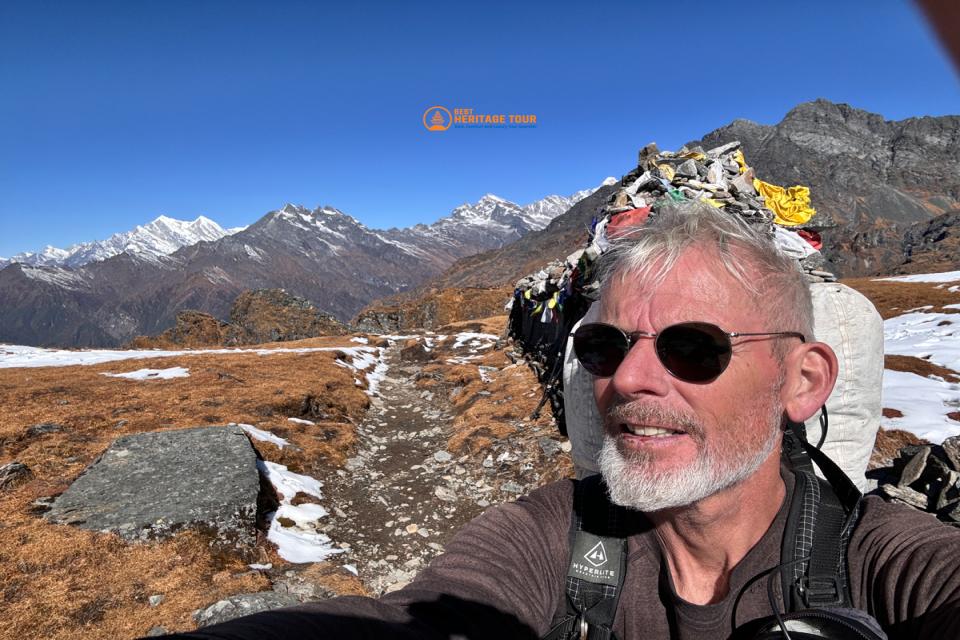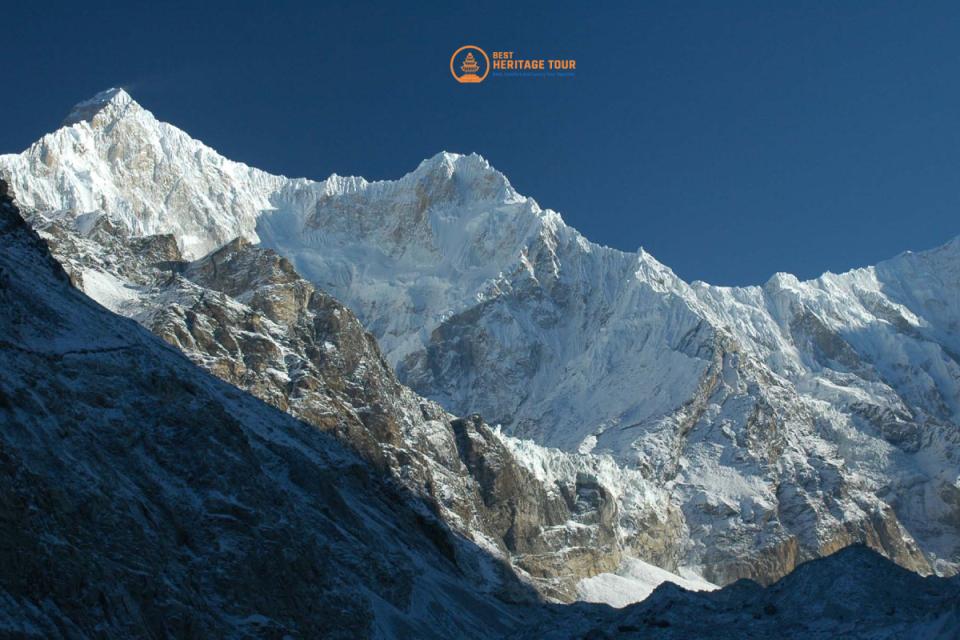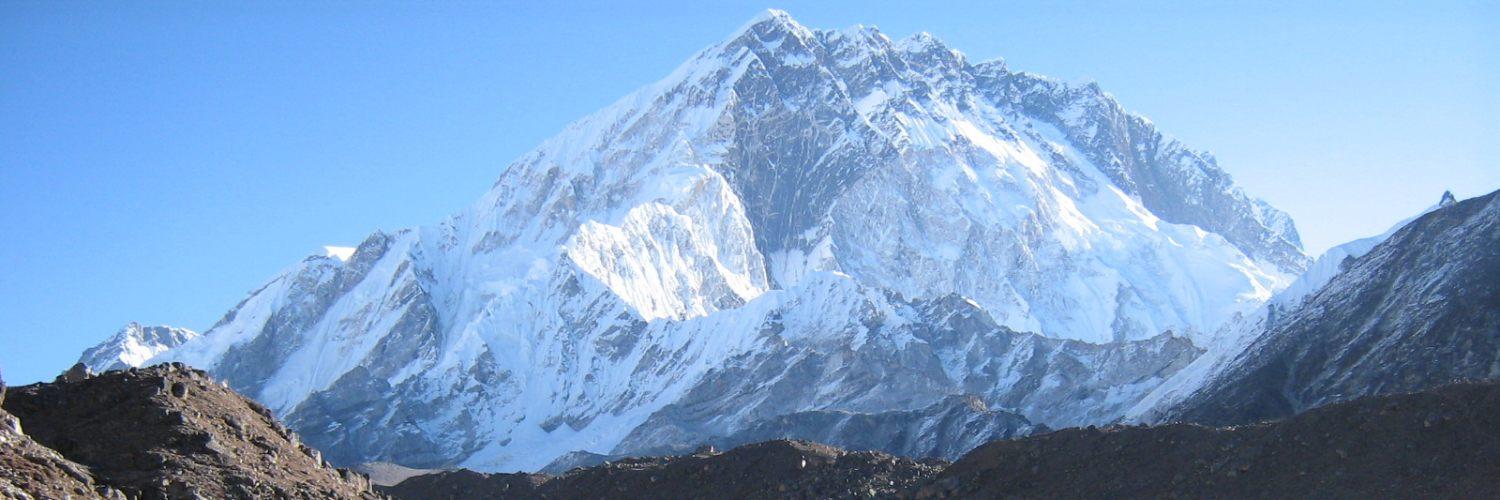
Nepal is a dream destination for trekkers around the world. From the towering peaks of the Himalayas to serene alpine valleys and vibrant cultural villages, the country offers an experience unlike any other. Solo trekking, in particular, has become increasingly popular among adventurers seeking independence, self-reflection, and the thrill of navigating trails at their own pace.
Over the years, we’ve noticed a growing number of travelers asking: “Can I trek alone in Nepal? Where is a guide mandatory?” With 2026 bringing updated trekking regulations, it is essential for solo trekkers to understand which trails allow independent trekking and which require a licensed guide. This guide will answer those questions and help you plan your Nepal adventure safely.
Understanding Nepal’s Trekking Regulations in 2026
Nepal’s trekking regulations are designed to ensure the safety of trekkers and protect the environment and local communities. The government, in collaboration with the Nepal Tourism Board (NTB), has classified trekking regions into open areas, where solo trekking is permitted, and restricted areas, where a guide is mandatory.
Permits:
Every trekker in Nepal must obtain a trekking permit. For solo trekking, the most common permits are:
-
TIMS (Trekkers’ Information Management System) Card: Required for most trekking areas. There are two types: individual and group. Solo trekkers must carry an individual TIMS card.
-
Conservation Area Permits: These vary by region. Popular areas like Annapurna (ACAP) and Langtang require specific permits.
-
Restricted Area Permits: Required for areas like Manaslu, Kanchenjunga, and Upper Dolpo, where solo trekking is not allowed.
These permits not only ensure compliance with local laws but also help track trekkers for safety and rescue operations if needed.
Trekking Without a Guide: What You Need to Know
While solo trekking in Nepal is thrilling, it requires careful preparation. Here’s what you should know:
Eligibility for Solo Trekking:
-
Trekkers must have prior trekking experience for moderate to challenging trails.
-
Adequate fitness is crucial, especially for high-altitude treks.
-
Knowledge of basic navigation and survival skills can be a lifesaver in remote regions.
Safety Considerations:
-
Weather in Nepal’s mountains is unpredictable. Snowstorms, landslides, and heavy monsoon rains can occur suddenly.
-
Certain trails, especially in restricted regions, are difficult to navigate without local knowledge.
-
Communication in remote areas may be limited, so having a local guide or agency support can mitigate risks.
When a Guide is Mandatory:
-
For restricted areas (e.g., Manaslu, Upper Dolpo, Kanchenjunga), trekking without a guide is illegal.
-
Local regulations mandate guides to ensure trekkers respect cultural sites, wildlife, and sensitive ecological zones.
Open Trekking Regions for Solo Trekkers
If you prefer independence, several trekking regions in Nepal are open to solo trekkers:
1. Annapurna Circuit
The Annapurna Circuit is one of the most famous treks in the world. It offers stunning views of Annapurna and Dhaulagiri ranges, lush rhododendron forests, and picturesque villages.
-
Permits: TIMS card and ACAP permit.
-
Difficulty: Moderate to challenging.
-
Best Season: March-May and September-November.
-
Tips: Carry maps and a local SIM card for communication. While guides are optional, hiring one can enrich your experience with cultural insights.
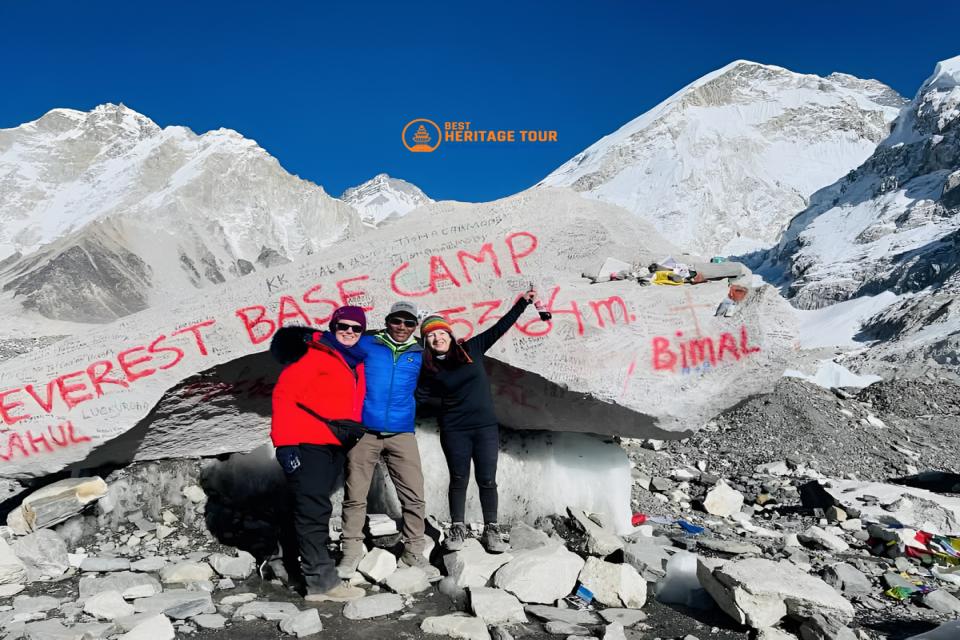
2. Everest Base Camp (EBC) Trek
The EBC trek takes you through the Khumbu region, famous for Sherpa culture and breathtaking Himalayan views.
-
Permits: TIMS card and Sagarmatha National Park permit.
-
Difficulty: Moderate to strenuous.
-
Best Season: Spring and autumn.
-
Solo Trekking Insight: Though legally allowed, solo trekkers should have prior high-altitude experience. Hiring a guide ensures support for altitude sickness and local navigation.
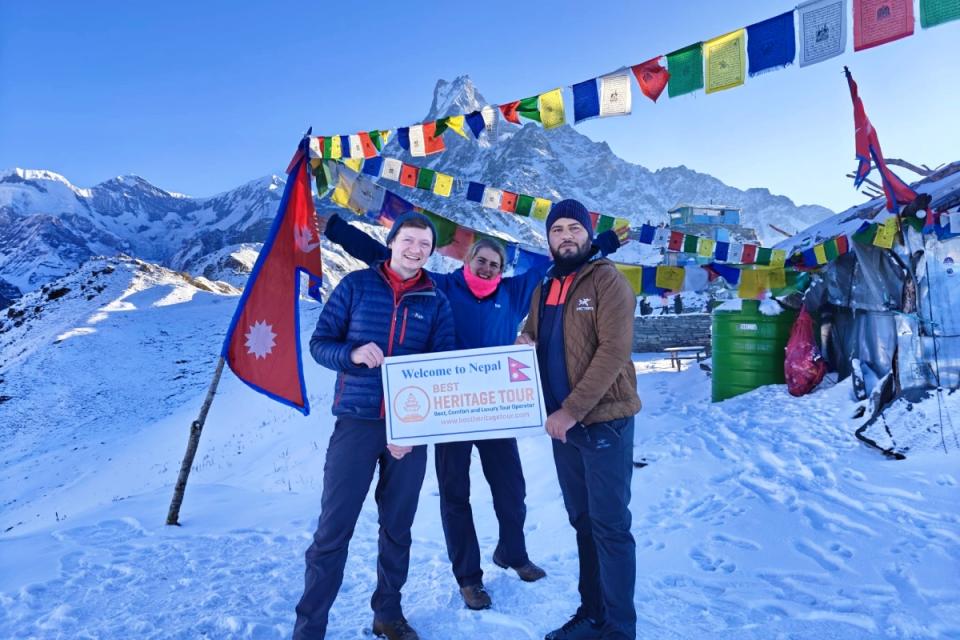
3. Mardi Himal Trek
Mardi Himal trek is ideal for those seeking a quieter trail and beautiful views of mountains.
-
Permits: TIMS card and ACAP permit.
-
Difficulty: Moderate.
-
Best Season: March-May and September-November.
Restricted Trekking Areas (Guide Required)
Certain regions in Nepal are designated restricted for a reason: high altitude, difficult terrain, and cultural sensitivity. Solo trekking in these regions is illegal and unsafe.
1. Manaslu Region
Manaslu, the eighth highest peak in the world, is a majestic but challenging trek. Solo trekking is not permitted due to difficult trails, unpredictable weather, and local regulations.
2. Upper Dolpo
Remote and culturally rich, Upper Dolpo is known for Shey Phoksundo Lake and ancient monasteries. The trek involves rugged terrain and minimal infrastructure, making a guide compulsory.
3. Kanchenjunga Region
Trekking in Kanchenjunga requires specialized knowledge due to extreme altitude and limited rescue facilities. Guides are mandatory to ensure safety and proper acclimatization.
Why Guides Are Mandatory in Restricted Areas?
-
Legal compliance with Nepalese trekking regulations
-
Navigation through challenging terrains
-
Ensuring safety in case of emergencies
-
Cultural and ecological protection
Tips for Solo Trekkers in Nepal
Even if you are trekking in open areas, preparation is key:
1. Planning and Permits
-
Obtain TIMS and any conservation area permits in advance.
-
Research trail conditions and weather forecasts.
2. Safety and Communication
-
Inform family or friends about your trekking plan.
-
Carry a portable GPS or satellite phone for remote areas.
3. Respecting Local Culture
-
Nepalese villages are deeply traditional. Dress modestly, ask before photographing people, and respect religious sites.
4. Recommended Equipment
-
Sturdy trekking boots, layers for cold weather, and a quality backpack
-
Trekking poles, first-aid kit, water purification tablets, and snacks
-
Maps, compass, or GPS device
The Role of Trekking Agencies
Even in open trekking regions, hiring a trekking agency can greatly enhance your experience. Agencies like Best Heritage Tour offer:
-
Assistance with permits and logistics
-
Experienced guides who enrich your journey with cultural and natural insights
-
Safety support in emergencies
-
Custom itineraries based on your experience and preferences
Conclusion
Solo trekking in Nepal in 2026 offers both freedom and adventure, but understanding the rules is essential for safety and legal compliance. Open areas like the Annapurna Circuit, Everest Base Camp, and Mardi Himal allow independent trekking with proper permits. However, restricted regions such as Manaslu, Upper Dolpo, and Kanchenjunga require licensed guides for a reason: safety, navigation, and cultural protection.
Tips Recap:
-
Always secure the correct permits
-
Prepare physically and mentally
-
Respect local customs and natural habitats
-
Consider agency support for logistics and safety
If you are ready to explore Nepal’s magnificent trails safely and confidently, Best Heritage Tour is here to assist you. Contact us to start planning your unforgettable solo trekking adventure in Nepal!
Phone / WhatsApp / Viber: +977-9851149197 / +977-9810043046
Email: info@bestheritagetour.com / bestheritagetour@gmail.com
Website: www.bestheritagetour.com
Office: Thamel Marg, Kathmandu, Nepal
Author: Best Heritage Tour
Date: 9th March, 2026