Price of Hot Drinking Water in the Everest Region
Navigating the trails of the Khumbu is an exhilarating journey through towering peaks, ancient monasteries, and the resilient spirit of the Sherpa people. However, for many trekkers, one of the most surprising aspects of life on the trail isn't the altitude - it is the price of a simple cup of water.
At Best Heritage Tour, based in the bustling streets of Thamel, we believe that preparation is the key to a successful Himalayan adventure. Understanding the logistics of high-altitude trekking involves more than just physical training; it requires a clear grasp of the "mountain economy." In this comprehensive guide, we break down everything you need to know about the cost of boiled water in the Everest Region and why these prices fluctuate as you climb higher toward the base of the world's highest peak.
Why Does Water Cost Money in the Mountains?
Before we dive into the specific numbers, it is important to understand the "why." In the Everest region, there are no roads. Every item - from the tea bag in your cup to the gas used to boil the water - is transported via mule trains, yaks, or on the backs of hardworking porters from lower elevations or flown into Lukla.
As the altitude increases, so does the effort and cost of logistics. Wood is scarce and protected within the Sagarmatha National Park, meaning lodges must rely on kerosene or gas for heating. Consequently, the cost of hot drinking water in the Everest Region reflects the difficulty of getting fuel to these remote outposts.
A Breakdown of Water Costs in Everest: From Lukla to Gorakshep
To help you budget for your trek, we have compiled the current average rates for hot water at various key stops along the Everest Base Camp and Gokyo Lakes trails.
Note: Prices are quoted in Nepalese Rupees (Rs) with approximate USD ($) conversions based on current exchange rates ($1 ≈ Rs 150).
1. The Gateway: Cost of Hot Water in Lukla and Phakding
At the start of your journey, prices are at their most reasonable. Because Lukla serves as the primary air hub, supplies are more readily available.
-
Per Cup (250ml): Rs 100 - 150 (~$0.65 - $1.00)
-
Big Pot (2.5l): Approximately Rs 800 (~$5.30)
These prices generally remain consistent as you trek through the lush forests toward Phakding, the typical first-night stop for most of our guests.
2. The Sherpa Hub: Cost of Hot Drinking Water in Namche Bazaar
Namche Bazaar (3,440m) is the vibrant heart of the Khumbu. While it offers modern amenities like cafes and gear shops, the price of fuel starts to climb.
-
Per Cup (250ml): Rs 150 - 200 (~$1.00 - $1.35)
-
Big Pot (2.5l): Approximately Rs 1,200 (~$8.00)
Pro Tip: This is a great place to buy a high-quality insulated thermos if you haven’t brought one from Kathmandu.
3. Spiritual Heights: Water Prices in Tengboche
As you reach the famous monastery at Tengboche, you are officially in the high-altitude zone. The terrain becomes more rugged, and the logistical challenges grow.
-
Per Cup (250ml): Rs 250 - 300 (~$1.65 - $2.00)
-
Big Pot (2.5l): Approximately Rs 1,500 (~$10.00)
4. The High Valleys: Dingboche and Pheriche
Located above 4,000 meters, these villages are vital for acclimatization. At this stage, staying hydrated is no longer a choice - it is a medical necessity to prevent Acute Mountain Sickness (AMS).
-
Per Cup (250ml): Rs 300 - 350 (~$2.00 - $2.35)
-
Big Pot (2.5l): Approximately Rs 1,800 (~$12.00)
5. Approaching the Giants: Cost of Hot Drinking Water in Lobuche
Lobuche is often the final stop before the push to Base Camp. Here, resources are extremely limited, and the cost of maintaining a warm lodge is high.
-
Per Cup (250ml): Rs 350 - 400 (~$2.35 - $2.65)
-
Big Pot (2.5l): Approximately Rs 2,100 (~$14.00)
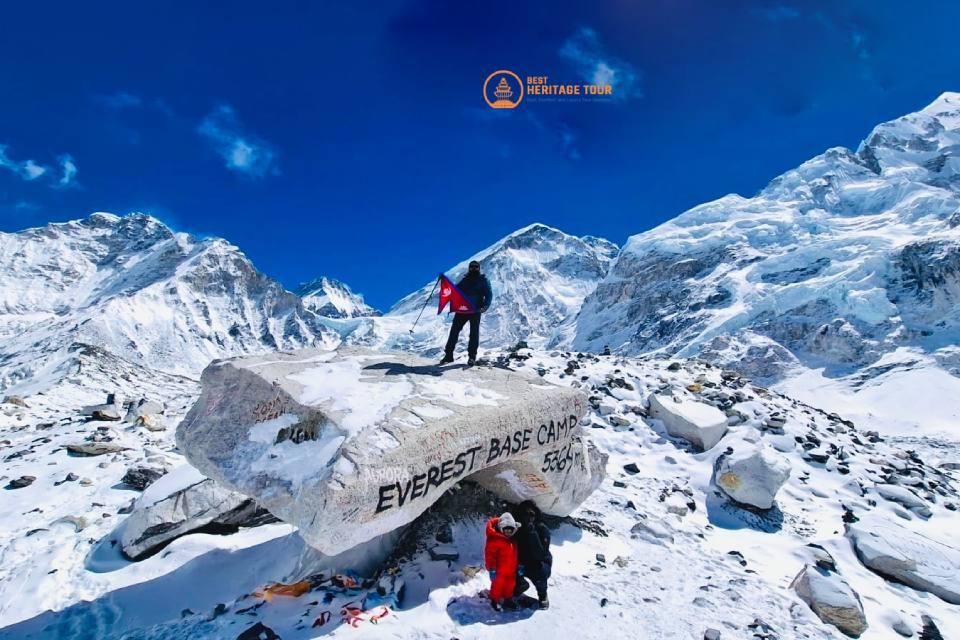
6. The Edge of Adventure: Cost of Hot Drinking Water in Gorakshep
Gorakshep (5,164m) is the highest settlement on the EBC trek. It is a world of rock and ice. Fuel must be carried a long distance to reach this point, making water here the most expensive on the trail.
-
Per Cup (250ml): Rs 500 - 600 (~$3.35 - $4.00)
-
Big Pot (2.5l): Approximately Rs 2,100 (~$14.00)
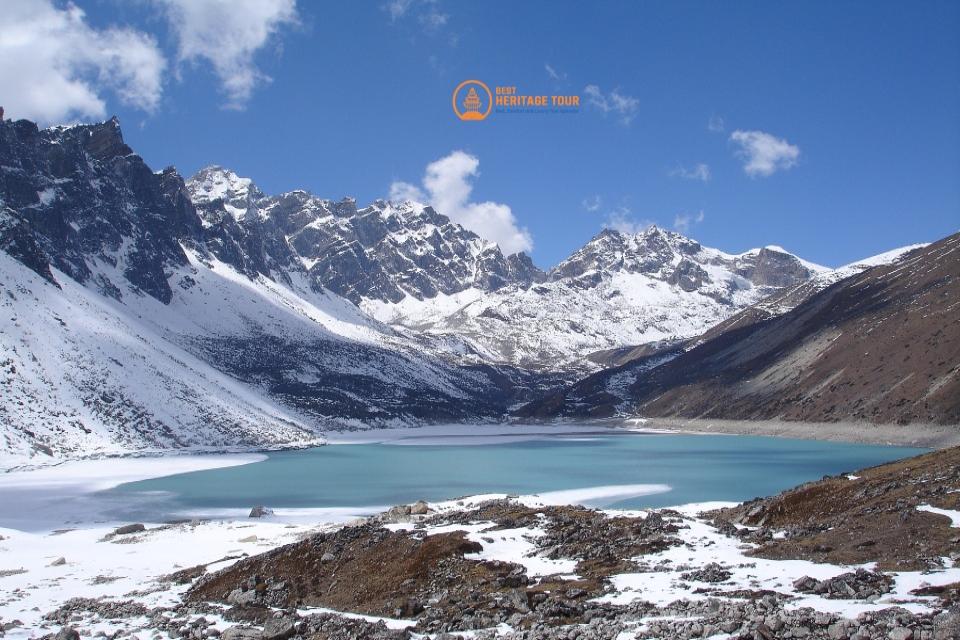
7. The Turquoise Lakes: Cost of Hot Drinking Water in Gokyo
For those taking the alternative route to the stunning Gokyo Lakes, the cost of hot drinking water in Gokyo mirrors that of the highest points on the EBC trail due to its remote location.
-
Per Cup (250ml): Rs 500 - 600 (~$3.35 - $4.00)
-
Big Pot (2.5l): Approximately Rs 2,100 (~$14.00)
Why We Recommend Boiled Water Over Bottled Water
At Best Heritage Tour, we strongly discourage the purchase of plastic bottled water in the Everest region for two primary reasons:
-
Environmental Impact: The "bottleneck" of plastic waste is a serious threat to the fragile Himalayan ecosystem. There is no formal recycling system at 5,000 meters.
-
Health & Warmth: Drinking cold bottled water can lower your core body temperature. Boiled water is guaranteed to be pathogen-free and helps keep your body warm in sub-zero temperatures.
|
Water Source |
Safety Level |
Environmental Impact |
Typical Cost (High Alt) |
|---|---|---|---|
|
Boiled Water (Big Pot) |
High |
Low (No Plastic) |
Moderate (Better in bulk/pots) ~$12.00 - $14.00 |
|
Bottled Water |
High |
High (Plastic Waste) |
Expensive at high altitude ~$4.00 - $5.00 per bottle |
|
Treated Stream Water |
Variable |
Low |
Cheapest Free (Tablets Required) |
Strategic Hydration: How to Save Money on the Trail
Trekking to Everest Base Camp usually takes 12 to 14 days. If you drink the recommended 3 to 4 liters of water a day, the costs can add up. Here are our expert tips for managing your "water budget":
Invest in a 2.5L "Big Pot"
If you are trekking in a group or even solo, ordering a Big Pot is almost always more cost-effective than buying water by the cup. A pot usually contains about 10 small cups of water. By filling your thermos at night, you ensure you have warm water for the trail the next morning without paying "per cup" prices at every break.
Use Water Purification Tablets or Filters
For those on a strict budget, you can use tap or stream water treated with purification tablets (like chlorine or iodine) or a high-quality filter (like a Grayl or LifeStraw). However, be warned: the water will be freezing cold. Most trekkers prefer a mix - using treated water during the day and purchasing at least one pot of hot water in the evening for warmth and comfort.
The Power of Ginger Lemon Honey
When you buy hot water, you can often add your own tea bags or ginger. At higher altitudes like Lobuche or Gorakshep, many trekkers find that hot water with ginger helps with digestion and nausea - common side effects of altitude.
Planning Your Budget with Best Heritage Tour
When we design an itinerary for our clients at Best Heritage Tour, we always provide a "Personal Expense" estimate. We suggest budgeting approximately $25 to $35 USD per day for miscellaneous costs like hot showers, charging electronic devices, and, of course, drinking water.
While the cost of boiled water in the Everest Region might seem high compared to Kathmandu, it is a vital contribution to the local economy and the maintenance of the lodges that provide us with shelter in one of the most inhospitable environments on earth.
Conclusion
Staying hydrated is the single most important thing you can do - second only to walking slowly - to ensure you reach Everest Base Camp safely. Whether you are paying the cost of hot water in Lukla or budgeting for the higher cost of hot drinking water in Namche and beyond, see it as an investment in your health and your successful summit of the trek.
At Best Heritage Tour, we handle the complexities of Himalayan travel so you can focus on the view. Our experienced guides ensure that you always have access to safe, clean drinking water, and we advocate for sustainable trekking practices that protect our beautiful mountains for generations to come.
Book Your Authentic Nepal Experience
Ready to see the Himalayas for yourself? Contact the experts at Best Heritage Tour to start planning your custom trek today.
Phone / WhatsApp / Viber: +977-9851149197 / +977-9810043046
Email: [email protected] / [email protected]
Website: www.bestheritagetour.com
Office: Thamel Marg, Kathmandu, Nepal