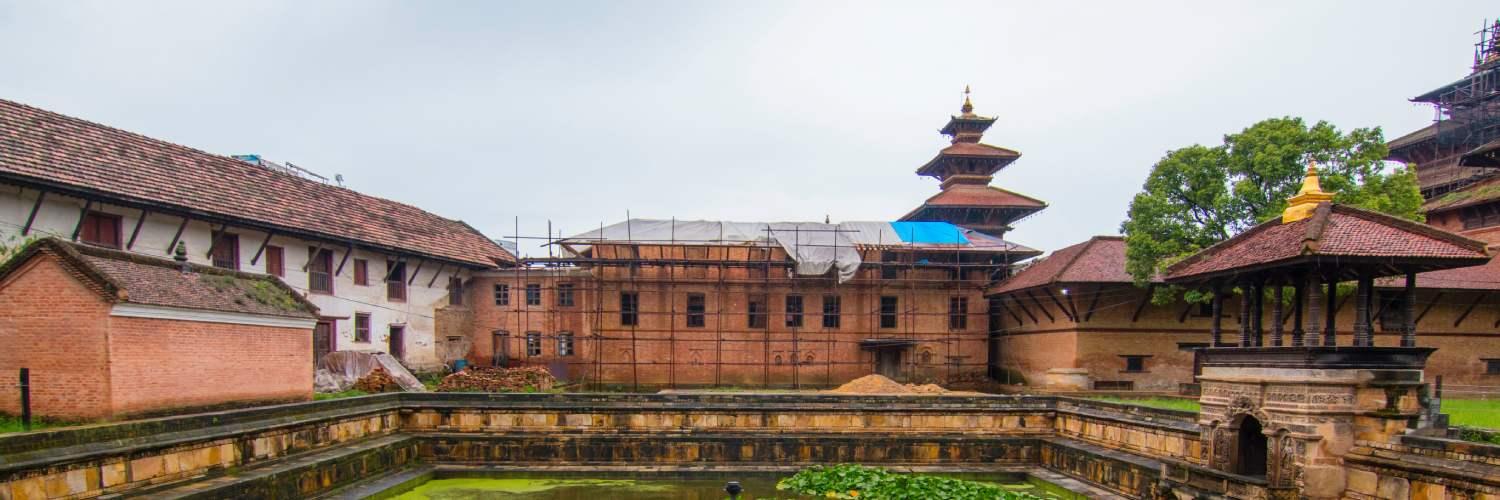
Welcome to the "City of Fine Arts." If you are planning a trip to Nepal, your itinerary is incomplete without stepping into the golden age of the Malla dynasty at Patan Durbar Square. Unlike the bustling energy of Kathmandu or the medieval quiet of Bhaktapur, Patan (historically known as Lalitpur) offers a refined elegance that speaks to the soul of every cultural explorer.
At Best Heritage Tour, we have guided thousands of travelers through these ancient brick-paved alleys. We don't just see monuments; we see a living, breathing heritage where 17th-century craftsmanship meets 21st-century local life.
In this comprehensive Patan Durbar Square tourist guide, we’ll walk you through the must-see monuments, hidden courtyards, and the best things to do in Patan Durbar Square to make your visit unforgettable.
Why Patan Durbar Square is a Must-Visit in 2026
Located just 5km south of Kathmandu, Patan Durbar Square is a UNESCO World Heritage site that boasts the highest concentration of temples and monuments in the valley. Following the massive restoration efforts (now over 95% complete as of 2026), the square has regained its crimson glow, thanks to the traditional telia bricks and master woodcarvers who have brought the Malla-era glory back to life.
Whether you are looking for spiritual peace, architectural marvels, or the perfect photography spot, here is your definitive list of places to visit in Patan Durbar Square.
1. Krishna Mandir: The Stone Marvel
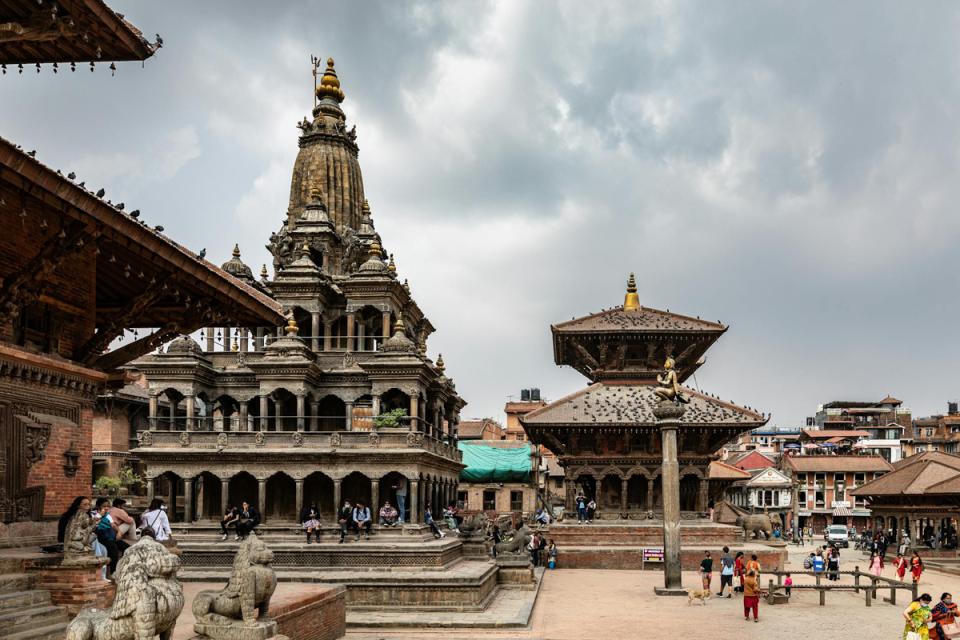
If there is one monument that defines Patan, it is the Krishna Mandir. Built in 1637 by King Siddhi Narsingh Malla, this is the only temple in Nepal with 21 golden pinnacles and is made entirely of stone.
-
Why Visit: Look closely at the stone friezes. The first floor depicts scenes from the Mahabharata, while the second floor narrates the Ramayana.
-
Expert Tip: Visit during the blue hour (just before sunset). The stone reflects a mystical hue, and the sound of evening prayers (Bhajans) creates a truly immersive atmosphere.
2. Patan Museum: Where History Breathes
Housed in the restored Keshav Narayan Chowk, the Patan Museum is widely regarded as one of the best museums in South Asia. It’s not just a collection of artifacts; it’s an education in Newari aesthetics.
-
What to See: The collection of bronze and copper cast deities is world-class.
-
Inside Secret: Don't miss the museum cafe in the rear courtyard. It’s a peaceful sanctuary away from the square's crowds, perfect for a Himalayan coffee.
3. The Royal Palace Courtyards (Chowks)
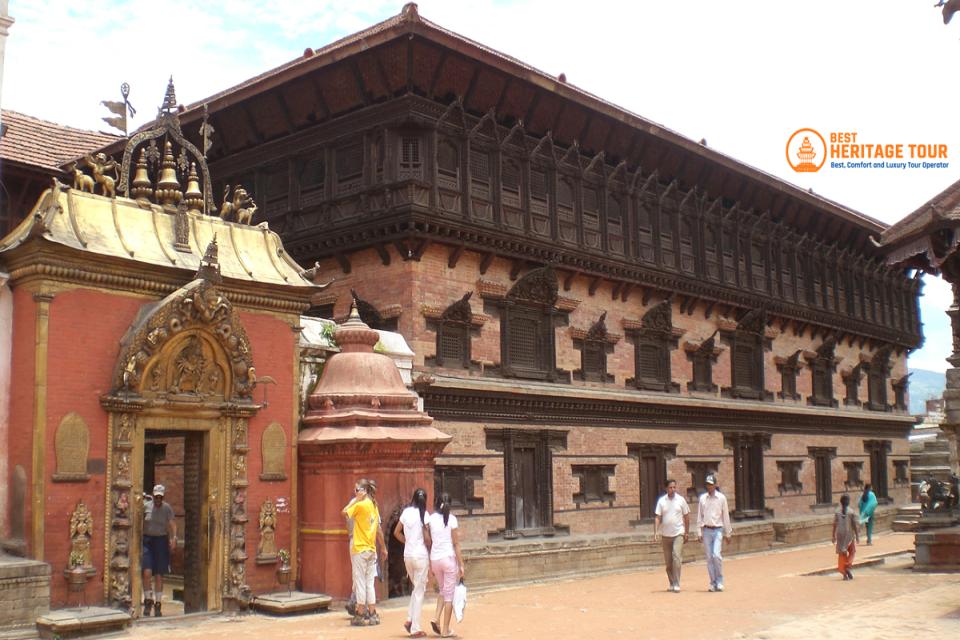
The palace complex is divided into three main courtyards, each with its own distinct personality:
-
Mul Chowk: The central and largest courtyard, dedicated to the Goddess Taleju Bhawani.
-
Keshav Narayan Chowk: The northernmost courtyard that serves as the entrance to the museum.
4. Hiranya Varna Mahavihar (The Golden Temple)
A short walk north of the main square leads you to a place that feels like a different dimension. The Golden Temple is a three-roofed Buddhist monastery plated in gleaming gold and copper.
-
What to Do: Watch the young priests perform daily rituals. The courtyard is filled with sacred tortoises, prayer wheels, and massive bronze statues of Buddha.
-
Pro Tip: Remember to remove your shoes and any leather items (belts, bags) before entering this sacred space.
5. Sundari Chowk & Tusha Hiti (The Sunken Bath)
Known as the "Beautiful Courtyard," this area was the private quarters of the royalty. It houses the Tusha Hiti, a masterpiece of stone masonry and hydraulic engineering used by the kings for ritual bathing.
-
What to Do: Inspect the 72 intricate carvings of Hindu deities lining the walls of the sunken bath; it is widely considered the finest stone carving in the Kathmandu Valley.
-
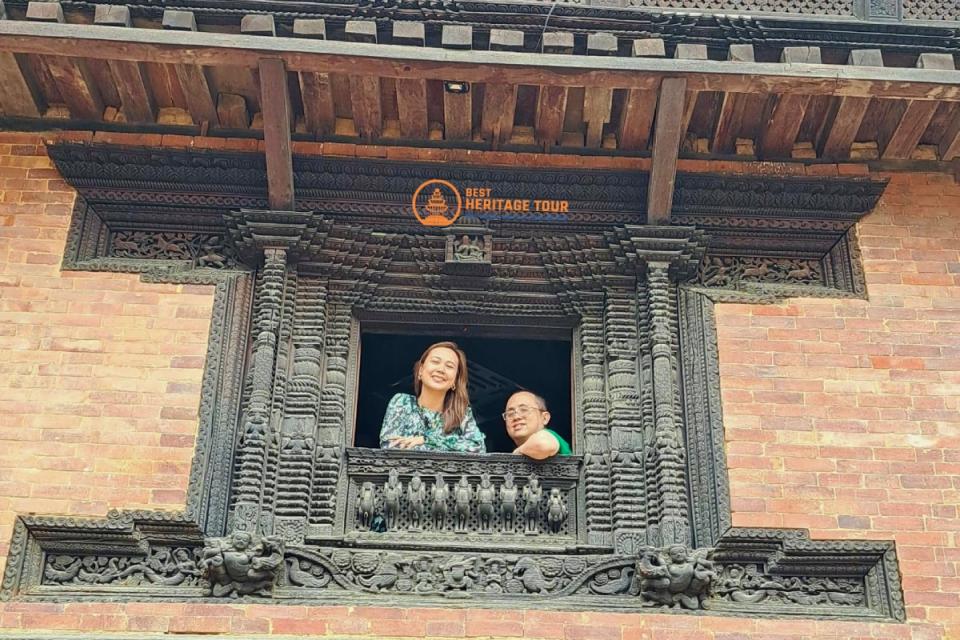
Pro Tip: The entrance to Sundari Chowk is often narrow - ensure you look up at the wooden struts to see the detailed carvings of forest deities.
6. Mahabouddha Temple (Temple of a Thousand Buddhas)
Tucked away in a narrow residential alley south of the square, this Shikhara-style temple is a miracle of terracotta. Every single brick used in its construction is engraved with a small, unique image of the Buddha.
-
What to Do: Climb to the small rooftop terrace of the shops surrounding the temple to get a bird's-eye view of the intricate brickwork and the golden pinnacle.
-
Pro Tip: This is an excellent spot to purchase small, high-quality terracotta souvenirs directly from the local artisans who maintain the temple.
7. Kumbheshwor Temple (The Five-Tiered Pagoda)
One of only two five-storied temples in the entire valley, this massive structure is dedicated to Lord Shiva. The temple complex is a hub of local activity and features a natural spring believed to be connected to the holy Gosaikunda Lake.
-
What to Do: Visit the "Hiti" (stone spout) located in the corner of the courtyard where locals still come to collect water for daily rituals.
-
Pro Tip: If you are in Patan during the Janai Purnima festival (August), this temple becomes the center of a massive celebration involving colorful shamans and thousands of pilgrims.
8. Rudra Varna Mahavihar (Uku Bahal)
This ancient Buddhist monastery is a treasure trove of metalwork. The courtyard is densely packed with donated statues of winged horses, metal flags, peacocks, and various guardian deities, creating a mystical atmosphere.
-
What to Do: Take time to sit on the stone benches and observe the master metal-smiths who live in the surrounding houses as they work on new sculptures.
-
Pro Tip: This monastery is significantly quieter than the Golden Temple, making it the perfect spot for travelers seeking a more peaceful, meditative experience.
9. Pimbahal Pokhari (The Serene Pond)
Located just a 5-minute walk from the main entrance of the square, this large artificial pond dates back to the 14th century. It features a beautiful traditional pavilion (Pati) that sits elegantly on the water's edge.
-
What to Do: Visit in the late afternoon to see the reflection of the Chandeshwari Temple in the water while locals feed the fish.
-
Pro Tip: There are several small "Chhiya" (Tea) stalls around the pond where you can grab a local milk tea and enjoy the sunset away from the tourist crowds.
10. Rato Machhindranath Temple (The God of Rain)
Located in a spacious courtyard known as Ta Baha, this temple is dedicated to the patron deity of Patan. The God of Rain is worshipped here for six months of the year before being moved to the village of Bungamati.
-
What to Do: Look for the unique "shackles" hanging from the temple walls - legend says they were used to bind a mythical bird.
-
Pro Tip: This courtyard is a great place to see the traditional Newari way of life, with elderly locals spinning wool and children playing among the ancient stone stupas.
Top Things to Do in Patan Durbar Square: Beyond the Temples
If you’re wondering what to do in Patan Durbar Square after you've seen the main temples, here is how to experience the "living" side of the city:
Explore the Metal Workshops
Patan is the "City of Artisans." Wander into the backstreets of Hakka Tole or Okubahal to see master craftsmen hand-hammering singing bowls and casting lost-wax bronze statues. This is the best place to buy authentic, high-quality souvenirs directly from the source.
Taste Authentic Newari Cuisine
No visit is complete without trying local flavors.
-
Bara: A savory lentil pancake.
-
Yomari: A fish-shaped steamed rice dumpling filled with molasses or sesame.
-
Samay Baji: A traditional Newari platter featuring beaten rice, smoked meat, and spiced beans.
-
Recommended Spot: Look for the rooftop cafes like Drishya Cafe for a panoramic view of the square while you eat.
Witness the Rato Machhindranath Chariot
If you visit between April and June, you might witness the Rato Machhindranath Jatra. A massive 60-foot wooden chariot is pulled through the streets - a spectacle of faith and community that has lasted for over 1,600 years.
Practical Information for Travelers
|
Category |
Details |
|---|---|
|
Entry Fee |
NPR 1,000 for Foreigners (Keep your ticket; it can be validated for multiple days). |
|
Best Time to Visit |
7:00 AM - 10:00 AM (for photography) or 4:00 PM - 7:00 PM (for the vibe). |
|
Duration |
3 to 4 hours for the square; a full day if exploring the narrow alleys. |
|
How to Get There |
20-minute taxi from Thamel or a local bus from Ratnapark. |
Conclusion
Patan Durbar Square is more than just a collection of old buildings; it is a testament to the resilience and artistic spirit of the Nepali people. From the echoing bells of the Krishna Mandir to the rhythmic tapping of the metal workers' hammers, every corner of this square tells a story of devotion and beauty.
Whether you are a solo traveler or on a family holiday, the places to visit in Patan Durbar Square will leave you with a profound appreciation for Nepal’s rich heritage.
Ready to explore the hidden gems of Patan? Let the experts at Best Heritage Tour craft the perfect cultural itinerary for you.
Phone / WhatsApp / Viber: +977-9851149197 / +977-9810043046
Email: info@bestheritagetour.com / bestheritagetour@gmail.com
Website: www.bestheritagetour.com
Office: Thamel Marg, Kathmandu, Nepal
Author: Best Heritage Tour
Date: 20th March, 2026