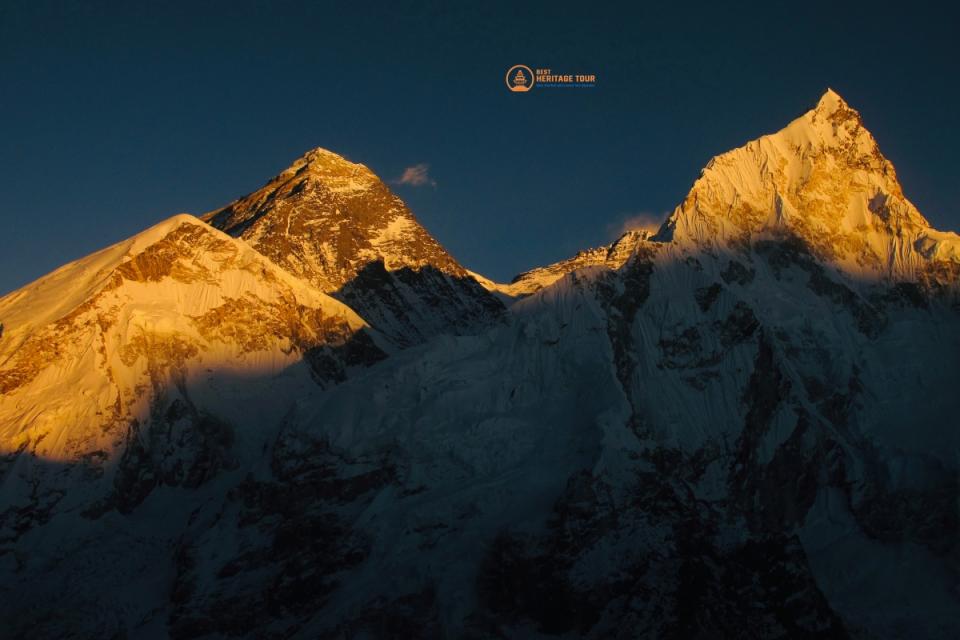
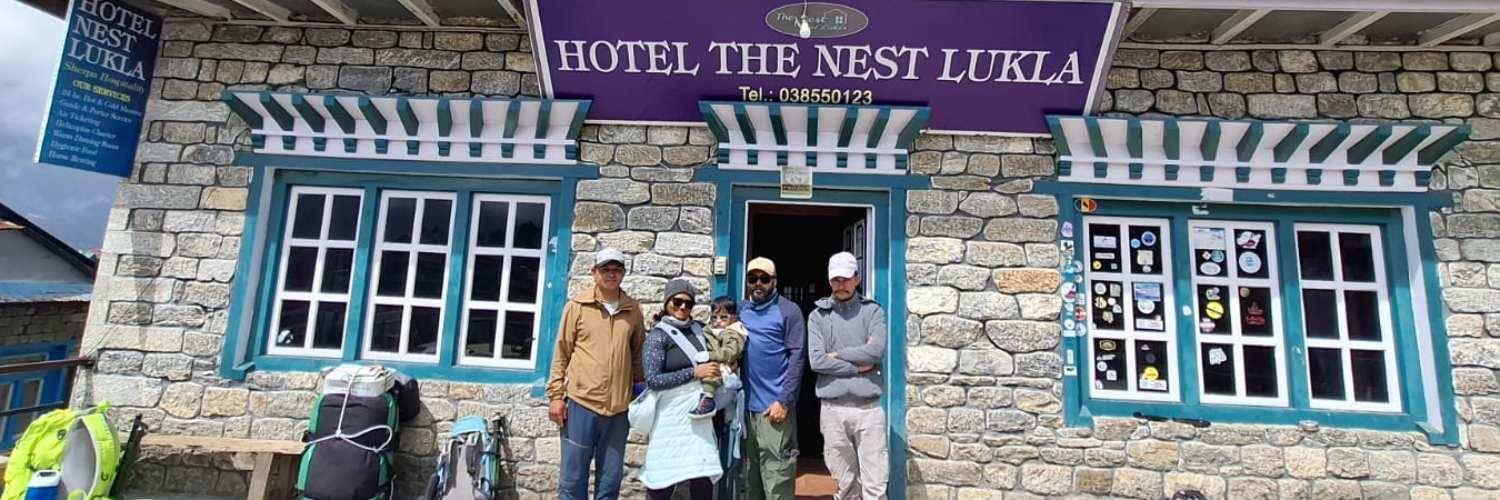
The Everest Base Camp (EBC) trek is more than just a hike; it is a pilgrimage to the foot of the world’s highest peak. As a travel company based in the heart of Thamel, Best Heritage Tour has guided thousands of adventurers through the rugged Khumbu region. One of the most frequent questions our expert guides receive during pre-trek briefings is: "Do I need microspikes for the EBC trek in Nepal?"
The answer isn't a simple "yes" or "no." It depends heavily on the season, the specific route you choose, and the unpredictable whims of Himalayan weather. In this comprehensive guide, we will break down everything you need to know about traction devices, ensuring you step onto the trail with confidence and safety.
Understanding Microspikes: What Are They?
Before we dive into the "when" and "where," let’s clarify what microspikes actually are. Unlike heavy-duty crampons used for technical mountaineering, microspikes are lightweight, flexible traction devices that slip over your standard trekking boots. They consist of a rubber harness and small stainless-steel spikes connected by chains.
Microspikes vs. Crampons: Knowing the Difference
For the standard EBC route, you do not need technical crampons. Crampons are designed for ice climbing and steep glacial ascents, requiring rigid boots. Microspikes, however, are perfect for the "moderate" icy patches and packed snow you might encounter on the way to Gorak Shep or Kala Patthar.
When are Microspikes Needed for EBC Trek?
Timing is everything in the Himalayas. Nepal’s trekking seasons are distinct, and the trail conditions change dramatically from month to month.
1. The Winter Season (December - February)
If you are planning your trek during the winter, microspikes are essential. During these months, temperatures at high altitudes (above 4,000m) frequently drop below freezing. Meltwater from the daytime sun freezes into "black ice" overnight, turning stable trails into slippery hazards.
-
Conditions: Heavily snow-covered trails and icy sections near Lobuche and Gorak Shep.
-
Our Recommendation: 100% Necessary.
2. The Spring Season (March - May)
This is one of the peak seasons. While the lower trails are lush and blooming with rhododendrons, the upper reaches near Everest Base Camp often retain winter’s snow.
-
Conditions: Early spring (March) still sees significant snow. By May, the trail is mostly dry, but late-season snowstorms can occur.
-
Our Recommendation: Highly Recommended (especially for March and April).
3. The Autumn Season (September - November)
Autumn offers the clearest views and most stable weather. Generally, the trails are dry and rocky.
-
Conditions: Mostly clear. However, if you are trekking in late November, the first winter dustings of snow can make the descent from Kala Patthar tricky.
-
Our Recommendation: Optional but "Better Safe Than Sorry."
4. The Monsoon Season (June - August)
Trekking in the monsoon is rare due to clouds and rain. The trails are more likely to be muddy than icy.
-
Our Recommendation: Not Necessary (but watch out for leeches!).
Specific Sections Where Spikes are a Lifesaver
Even in the "dry" seasons, certain parts of the Everest region are notorious for holding ice. At Best Heritage Tour, we identify these "Yellow Zones" for our clients:
The Khumbu Glacier Moraine
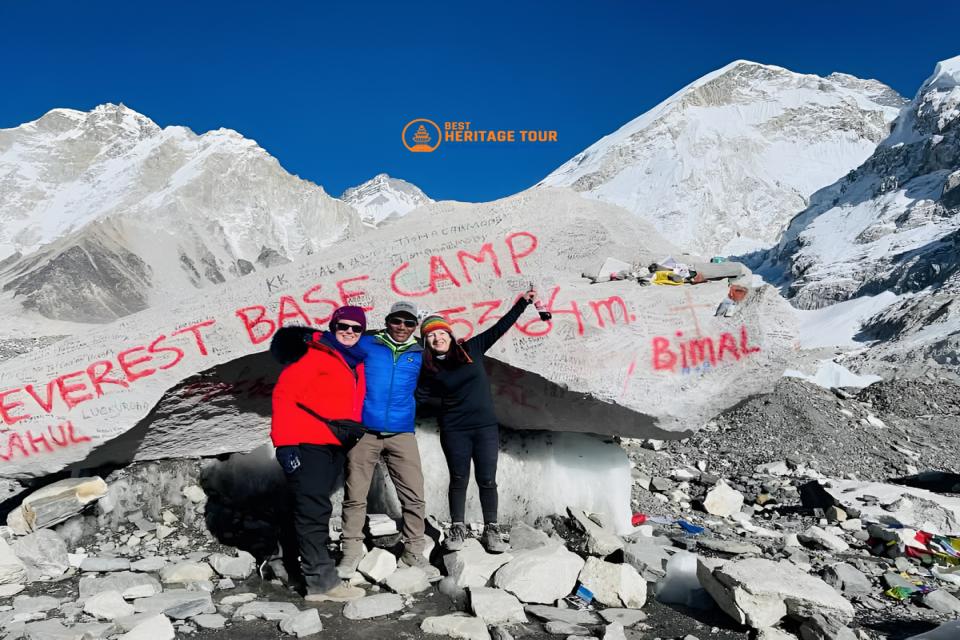
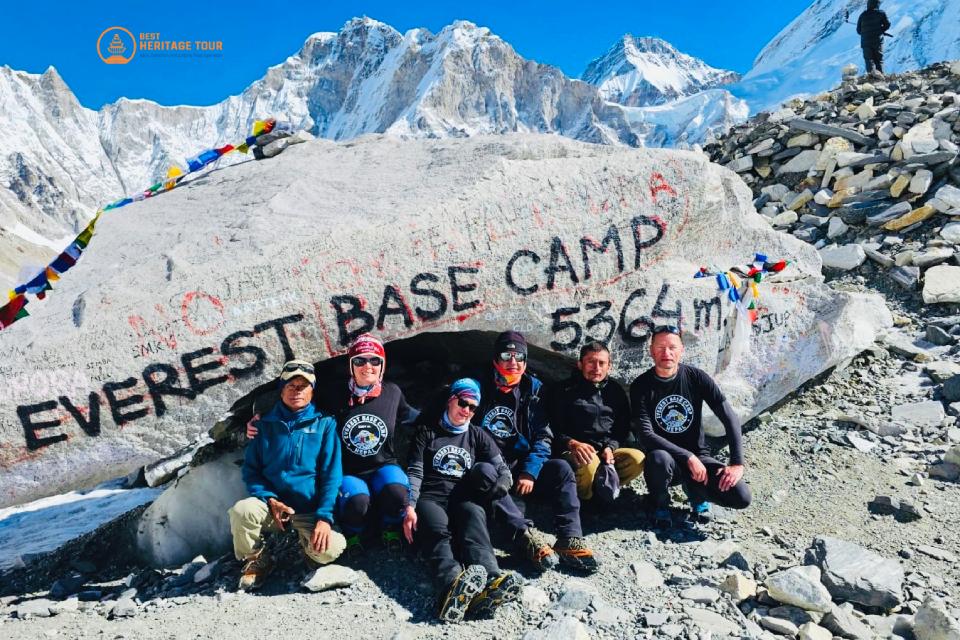
As you approach Everest Base Camp from Gorak Shep, you walk along the lateral moraine of the Khumbu Glacier. The terrain is a mix of loose rock and hidden ice. Microspikes provide the "bite" needed to prevent a nasty slip on a rock covered in a thin glaze of ice (verglas).
The Ascent of Kala Patthar (5,545m)
Most trekkers summit Kala Patthar before dawn to catch the sunrise over Everest. In the dark, it is difficult to spot icy patches on the steep, rocky incline. Having spikes in your pack ensures that a little bit of ice doesn’t stop you from reaching the best viewpoint in the world.
The Cho La Pass (If you take the Three Passes Route)
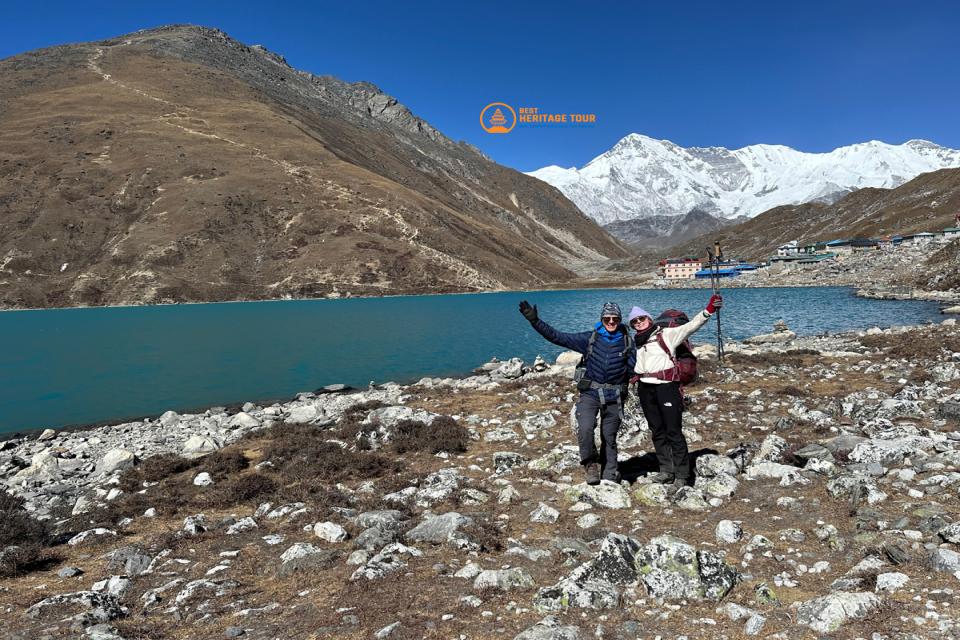
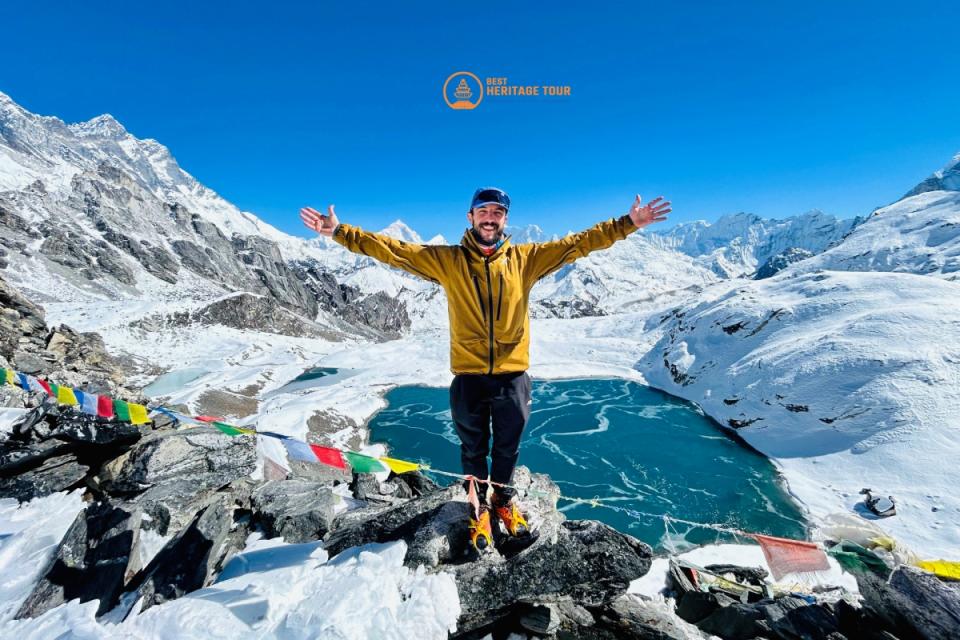
If your itinerary includes the Gokyo Lakes and Cho La Pass, microspikes transition from "recommended" to mandatory. Crossing the Cho La involves walking across a glacier that is often sheer ice. Standard trekking boots alone do not provide enough friction here.
Why Should You Carry Microspikes? (Safety & Efficiency)
1. Preventing Injuries
A twisted ankle or a fall at 5,000 meters isn't just painful - it can end your trek. High-altitude evacuations are costly and stressful. Microspikes are a cheap insurance policy against the most common trail accidents.
2. Reducing Fatigue
When you walk on slippery surfaces, your muscles (especially your core and calves) work overtime to keep you balanced. This "micro-straining" leads to faster exhaustion. With microspikes, you can maintain a natural, confident stride, saving your energy for the thin air.
3. Confidence in Descent
Going up is a choice; coming down is mandatory. Descending on icy slopes is where most slips occur. Spikes allow you to dig in with your heels and maintain control.
How to Choose and Use Your Microspikes?
Not all spikes are created equal. Since you will be carrying these in your backpack, you want a pair that balances weight with durability.
What to Look For:
-
Stainless Steel Spikes: They won’t rust when exposed to snow and moisture.
-
Thick Elastomer Harness: Ensure the rubber is high-quality so it doesn't snap in extreme cold (down to -30°C).
-
Proper Sizing: They should fit snugly over your boots without shifting. If they are too loose, they can actually cause you to trip.
Pro-Tips from Our Guides:
-
Don’t wear them on bare rock: Walking on dry rock with spikes is like walking on marbles. It’s uncomfortable and dulls the spikes. Put them on only when you hit the snow/ice line.
-
Keep them accessible: Don't bury them at the bottom of your heavy duffel bag. Keep them in the side pocket of your daypack.
-
Clean them: After your trek, rinse them to remove salt and dirt, then dry them thoroughly before storage.
Frequently Asked Questions (FAQ)
Q: Can I buy microspikes in Kathmandu or Lukla?
A: Yes! The shops in Thamel (where our office is located) and even in Namche Bazaar carry various brands. However, quality can vary. We recommend buying a reputable brand like Kahtoola or Black Diamond before you arrive, or let us help you select a high-quality pair once you land in Kathmandu.
Q: Are Yaktrax the same as microspikes?
No. Yaktrax (the coil-based versions) are great for walking your dog on a flat, icy sidewalk. They are not robust enough for the steep, rocky terrain of the Himalayas. Look for actual "spikes" or "cleats."
Q: Do I need Microspikes for the Annapurna Circuit too?
Generally, yes, especially for crossing the Thorong La Pass. The requirements are very similar to the EBC trek.
Conclusion
So, do you need microspikes for the EBC trek in Nepal? While the trail is technically a "trek" and not a "climb," the unpredictable nature of the Khumbu region makes microspikes a vital piece of gear for most of the year. They are lightweight, relatively inexpensive, and provide a level of safety that allows you to focus on what really matters: the breathtaking views of the Himalayas.
Planning a trek to the roof of the world requires attention to detail. From choosing the right spikes to navigating the complexities of high-altitude acclimatization, Best Heritage Tour is here to ensure your journey is seamless, safe, and culturally immersive.
Start Your Himalayan Adventure Today!
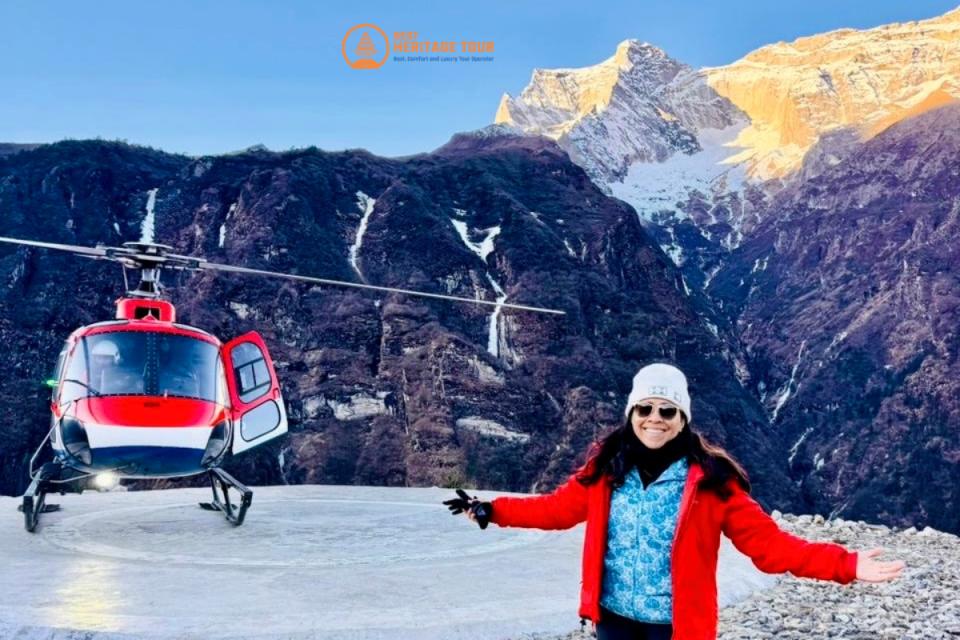
Ready to stand in the shadow of giants? Let our experienced local guides lead the way. Whether you are looking for a classic EBC trek or a luxury helicopter return, we provide personalized service from the moment you land in Kathmandu.
Phone / WhatsApp / Viber: +977-9851149197 / +977-9810043046
Email: info@bestheritagetour.com / bestheritagetour@gmail.com
Website: www.bestheritagetour.com
Office: Thamel Marg, Kathmandu, Nepal
Author: Best Heritage Tour
Date: 26th April, 2026