
As the morning mist clings to the golden spires of the Pashupatinath Temple and the icy waters of the Bagmati River flow with a silent, ancient grace, a transformation begins in the heart of the Himalayas. For us at Best Heritage Tour, January is more than just a month on the calendar; it is a spiritual gateway.
On January 15, 2027, Nepal will vibrate with the sights, sounds, and flavors of Maghe Sankranti. This festival isn't just a date; it’s a profound celebration of the sun’s northward journey (Uttarayan), marking the end of the harsh winter and the promise of longer, warmer days. Whether you are a seasoned trekker looking for cultural depth or a curious traveler seeking the soul of Nepal, this guide will walk you through everything you need to know about celebrating Maghe Sankranti Festival in Nepal 2027.
What is Maghe Sankranti? Understanding the Significance
The word Sankranti refers to the movement of the sun from one zodiac sign to another. On this day, the sun enters the Makar Rashi (Capricorn), which is why the festival is also widely known as Makar Sankranti.
For the people of Nepal, this is a day of purification and transition. Historically and mythologically, the day holds immense weight. It is believed that Bhishma Pitamaha, the legendary figure from the Mahabharata, chose to leave his mortal coil on this auspicious day to achieve Moksha (liberation).
From a health perspective, our ancestors designed this festival to boost immunity. After months of winter chill, the traditional foods consumed today are rich in calories and heat-generating properties - a testament to the ancient wisdom that blends spirituality with science.
Cultural Diversity: How Different Communities Celebrate
One of the reasons we at Best Heritage Tour love taking our guests through the streets of Kathmandu during this time is the sheer diversity of celebrations. Nepal is a mosaic of ethnicities, and Maghe Sankranti is the thread that binds them.
1. The Tharu Community: Maghi as the New Year
In the Terai plains, the Tharu people celebrate this day as Maghi, their most significant festival and the start of their New Year. It is a time of "out with the old, in with the new." Families gather to elect a new Badhghar (community leader), settle old disputes, and plan the agricultural year ahead. If you are in the Terai, expect to see the vibrant Magha dance and feast on Dhikri (steamed rice flour cakes) and Ghongi (water snails).
2. The Newar Community: Ghyo Chaku Sanhlu
In the Kathmandu Valley, the Newars observe the day as Ghyo Chaku Sanhlu. The name itself tells you what’s on the menu: Ghyo (Ghee/Clarified Butter) and Chaku (Molasses). Mothers apply warm oil to the heads of their children, a ritual believed to ensure health and longevity. It is a day of deep family bonding and ancestral worship.
3. The Magar and Kirat Communities
For the Magar community, this is a major harvest festival. Meanwhile, the Kirat community observes it as a day to honor their ancestors and nature, marking a significant point in their unique lunar calendar.
Where to Celebrate Maghe Sankranti Festival in Nepal 2027
If you are planning your trip, choosing the right location is key to experiencing the festival's authentic energy. Here are our top recommendations:
|
Location |
Why Visit? |
What to Expect |
|---|---|---|
|
Devghat, Chitwan |
The holiest confluence. |
Thousands of devotees taking a "Makar Snan" (holy dip) where the Trishuli and Kali Gandaki rivers meet. |
|
Pashupatinath, Kathmandu |
The spiritual heart of the city. |
Sadhus, ritual baths in the Bagmati, and a bustling festive market. |
|
Taruka, Nuwakot |
For the thrill-seekers. |
Authentic, centuries-old Bullfighting (Makar Mela) that dates back to the 18th century. |
|
Panauti |
Ancient heritage vibes. |
A serene celebration at the Triveni Ghat (triple confluence) of this medieval town. |
The Flavors of Maghe Sankranti: A Himalayan Feast
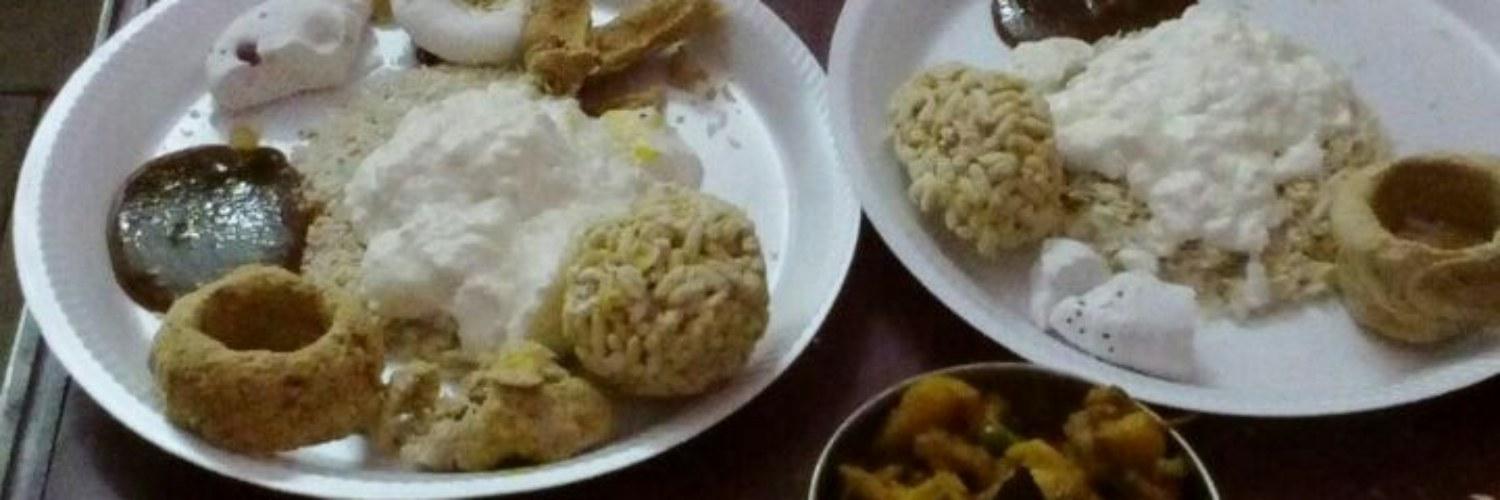
You cannot say you’ve experienced Maghe Sankranti without indulging in the traditional "Power Foods" of the Himalayas. At Best Heritage Tour, we often organize special tasting sessions for our guests because the food is as much a ritual as the prayers.
- Til ko Laddu: Sweet balls made of sesame seeds and jaggery. Sesame is believed to purify the soul and provide essential warmth.
-
Chaku: Concentrated molasses that is pulled and stretched until it reaches a rich, dark consistency. It’s an instant energy booster!
-
Ghyo (Ghee): Pure clarified butter, drizzled over everything to provide vitality.
-
Tarul (Yam): Boiled yams are a staple. In fact, there is a saying that if you don't eat yam on this day, you will become a "pila" (boil) in your next life!
-
Khichadi: A comforting mix of rice and black lentils, often served with spinach.
Rituals and Traditions: A Day in the Life
If you were to join one of our heritage walks on January 15th, your day would look something like this:
1. The Holy Dip (Makar Snan)
Before the sun is fully up, thousands head to the "Triveni" (river confluences). Taking a dip in the freezing water is believed to wash away the sins of the past year and prepare the body for the upcoming agricultural cycle.
2. Puja and Offerings
After the bath, devotees visit temples dedicated to Lord Vishnu and Lord Shiva. In Bhaktapur, the Til Madhav Narayan Temple becomes a focal point, where an ancient idol of Vishnu is worshipped with sesame seeds.
3. Dana (Charity)
Charity is a cornerstone of the festival. You will see families donating rice, salt, and sesame seeds to the priests and the less fortunate, a practice believed to bring "Punya" (spiritual merit).
Why Maghe Sankranti Matters for Trekkers and Travelers
You might wonder, “I’m here for the mountains, why should I care about a mid-winter festival?”
For trekkers, Maghe Sankranti marks the climatic shift. The "turning of the sun" signifies that the coldest days are behind us. Trails that were blocked by heavy snow in December often begin to become more accessible toward late January and February.
Furthermore, witnessing this festival provides a layer of cultural context that you won't find in a guidebook. It’s the difference between seeing a mountain and understanding the people who live in its shadow. When you see a porter sharing a piece of Chaku with a fellow traveler, you are seeing a tradition of warmth that has survived for millennia.
Travel Tips for Maghe Sankranti 2027
-
Dress Warmly: Even though the festival marks the "end" of winter, early mornings at the riverbanks are biting cold. Layers are your best friend.
-
Respect the Rituals: If you are visiting a bathing ghat, keep a respectful distance with your camera. Always ask for permission before taking close-up portraits of devotees or Sadhus.
-
Book Ahead: Places like Devghat and Nuwakot see a massive influx of domestic tourists. If you want to witness the bullfighting in Taruka, let us know early so we can arrange transport and local stays.
-
Try the Food, Carefully: While the festive foods are delicious, ensure you are buying from reputable vendors or eating at your hotel to avoid any stomach upsets during your travels.
Conclusion
The Maghe Sankranti Festival in Nepal 2027 is more than a celebration; it is a heartbeat. It is a reminder that no matter how long the winter, the sun will always return. It is a day of sweetness, warmth, and the timeless hospitality that makes Nepal the "Land of the Gods."
Are you ready to witness the magic of the Himalayas through its most vibrant traditions? Whether you want to trek the Annapurna circuit or dive deep into the heritage of the Kathmandu Valley, let us be your guides to the soul of Nepal.
Contact Best Heritage Tour
Experience the true essence of Nepal with experts who call this land home. For customized festival itineraries, heritage walks, and trekking packages for 2027, reach out to us today.
Phone / WhatsApp / Viber: +977-9851149197 / +977-9810043046
Email: info@bestheritagetour.com / bestheritagetour@gmail.com
Website: www.bestheritagetour.com
Office: Thamel Marg, Kathmandu, Nepal
Author: Best Heritage Tour
Date: 26th April, 2026