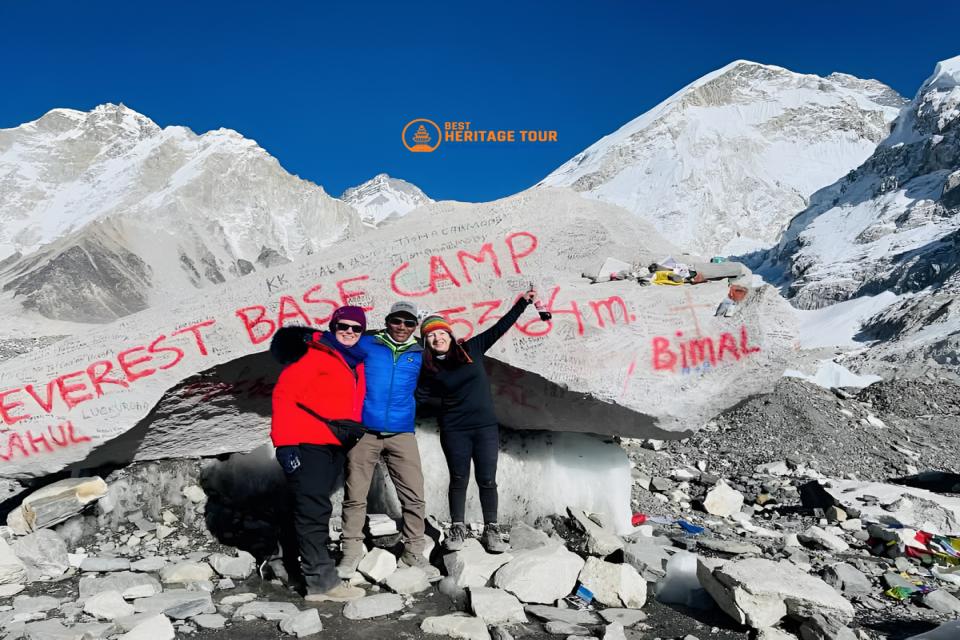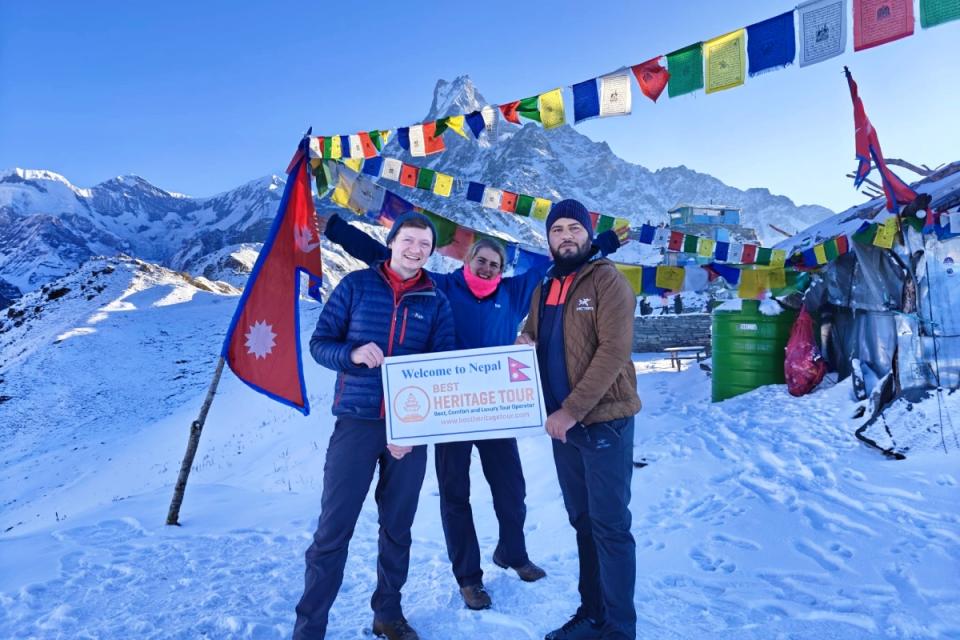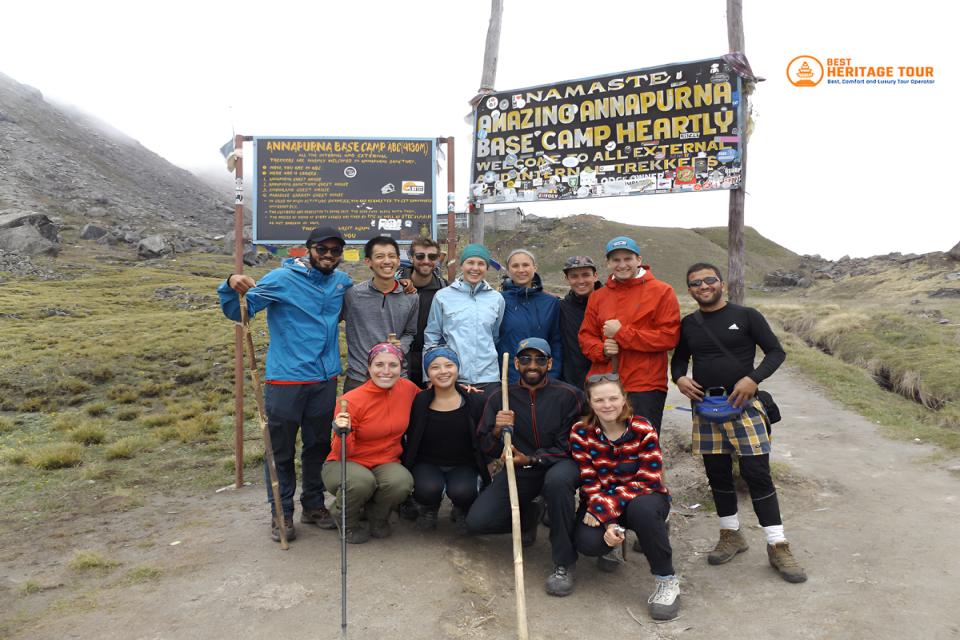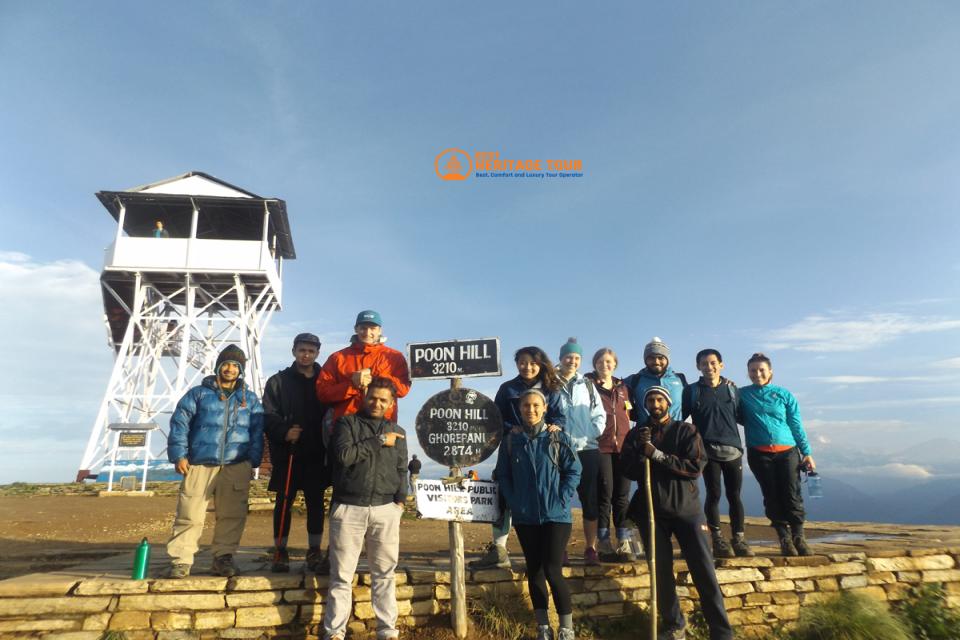
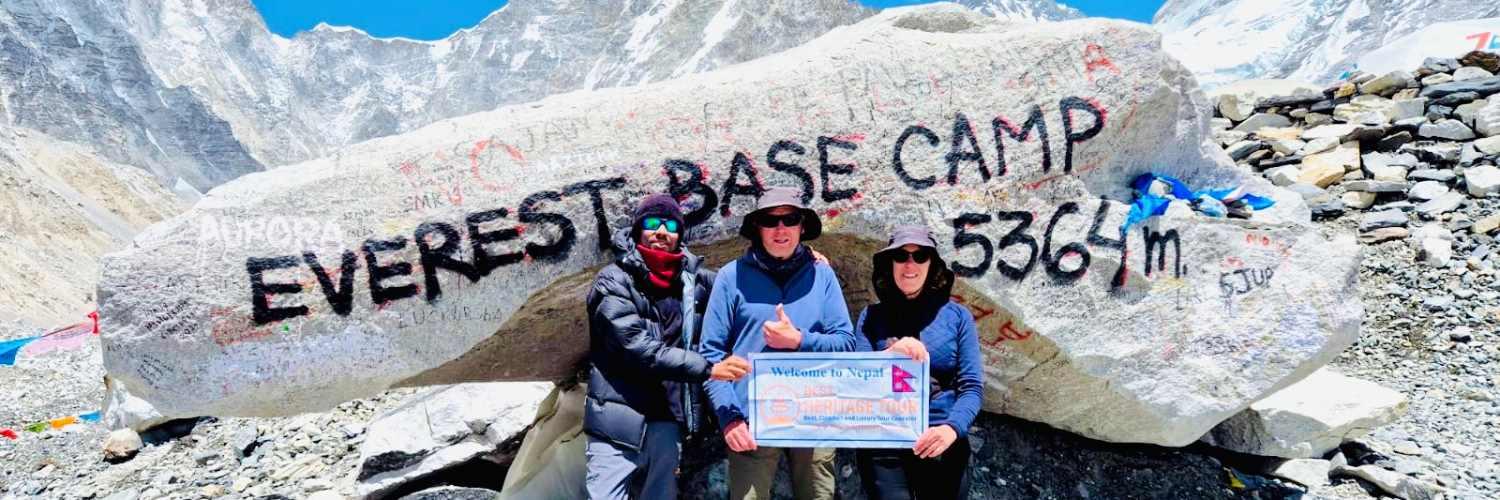
The lure of the Himalayas is undeniable. Whether it is the classic Everest Base Camp Trek, the legendary Annapurna Circuit, or the hidden valleys of Upper Mustang, high-altitude trekking in Nepal is a transformative experience. However, standing at 5,000 meters above sea level isn’t just a matter of willpower; it’s a matter of biological preparation.
At Best Heritage Tour, we have guided thousands of adventurers through the rugged terrain of Nepal. We’ve seen firsthand that the difference between a trekker who struggles and one who thrives is a solid high-altitude training plan. This guide is your definitive roadmap to physical, mental, and physiological readiness.
1. Understanding the Science of Altitude
Before you lace up your boots, you must understand your opponent: Hypoxia. As you ascend, the atmospheric pressure drops, meaning there are fewer oxygen molecules in every breath you take.
The Physiology of Acclimatization
Your body is an incredible machine capable of adapting to these thin-air conditions, but it needs time to:
-
Increase Red Blood Cell Count: To carry more oxygen to your muscles.
-
Deepen Breathing: Increasing your lung ventilation rate.
-
Boost Capillarization: Growing more tiny blood vessels to deliver fuel.
Local Expert Tip: Physical fitness does not prevent Altitude Sickness (AMS). It simply makes the daily physical exertion easier, allowing your body to focus its energy on the complex process of acclimatizing.
2. The 12-Week Progressive Training Framework
We recommend starting your training at least 3 to 4 months before your departure date. Here is how to structure your weeks for maximum impact.
Phase 1: Building the Aerobic Base (Weeks 1-4)
Focus on consistency. Your goal is to build a heart and lungs that can sustain 5-7 hours of movement daily.
-
Cardio (3x Weekly): 30-45 minutes of brisk walking, swimming, or cycling.
-
Strength (2x Weekly): Bodyweight squats, lunges, and planks.
-
Active Recovery (1x Weekly): Gentle yoga or a 20-minute walk.
Phase 2: Functional Strength & Endurance (Weeks 5-8)
Now, we add the weight. You won’t just be walking; you’ll be carrying a daypack.
-
Weighted Hikes: Once a week, go for a 3-hour hike with a 5kg (11lb) backpack.
-
Incline Training: Use a treadmill on a 10-15% incline or find local hills/stairs.
-
Leg Power: Introduce step-ups and calf raises to prepare for the thousands of stone steps in the Annapurna and Everest regions.
Phase 3: Trek Simulation (Weeks 9-11)
This is where you "harden" your body for the back-to-back demands of the Himalayas.
-
Back-to-Back Hikes: Hike on both Saturday and Sunday to teach your muscles to recover quickly.
-
Full Gear Check: Wear the actual boots and socks you plan to use in Nepal to prevent blisters later.
Phase 4: Tapering (Week 12)
Reduce your volume by 60%. Your body needs to arrive in Kathmandu fully rested, not overtrained. Focus on stretching and hydration.
3. Targeted Exercises for Trekking Success
If you want to feel "mountain strong," focus on these four pillars:
I. Cardiovascular Conditioning
High-altitude trekking is a marathon, not a sprint.
-
Zone 2 Training: Most of your training should be at a pace where you can still hold a conversation. This builds mitochondrial efficiency.
-
Stair Climbing: This is the single best simulation for the "Nepalese Flat" (a local term for constant up-and-down terrain).
II. Lower Body Strength
Your legs are your engine. Focus on:
|
Exercise |
Why it Matters |
|---|---|
|
Eccentric Lunges |
Strengthens knees for long descents. |
|
Goblet Squats |
Builds core and quad stability. |
|
Step-Downs |
Mimics the impact of stepping off boulders. |
III. Core Stability
A strong core prevents back pain when carrying a pack and keeps you balanced on uneven glacial moraine. Include planks, Russian twists, and bird-dogs in every strength session.
4. The "Invisible" Training: Nutrition and Hydration
You cannot out-train a bad diet, especially at 4,000 meters.
Pre-Trek Nutrition
-
Iron-Rich Foods: Increase your intake of spinach, lentils, and lean meats. Iron is a key component of hemoglobin.
-
Complex Carbs: Train your body to fuel on slow-release energy (oats, brown rice, sweet potatoes).
Hydration Strategy
In the dry Himalayan air, you lose significant moisture through breathing alone.
-
The 4-Liter Rule: Practice drinking 3-4 liters of water a day during your training weeks.
-
Electrolytes: Learn which electrolyte powders your stomach tolerates best before you're in the middle of a remote trek.
5. Mental Preparation: The Himalayan Mindset
Trekking in Nepal is 60% physical and 40% mental. You will be tired, you might have a mild headache, and you will be far from the comforts of home.
-
Patience (Bistari, Bistari): In Nepali, Bistari means "slowly." Training your mind to accept a slow, rhythmic pace is vital.
-
Discomfort Tolerance: Occasionally train in the rain or cold. Familiarizing yourself with being "uncomfortable" will make the high-altitude lodges feel like luxury.
6. Avoiding Altitude Sickness: Expert Protocols
While training prepares your muscles, our Best Heritage Tour protocols protect your health.
The Golden Rules of Ascent:
-
Climb High, Sleep Low: We design our itineraries to include "acclimatization hikes" where you touch a higher altitude and return to a lower base to sleep.
-
Monitor Your Symptoms: A mild headache is common; vomiting or loss of coordination is a "red alert."
-
Avoid "The Three Killers": Alcohol, smoking, and sleeping pills. All three depress your respiratory system and increase the risk of AMS.
7. Recommended Gear for Your Training
Don’t wait until you arrive in Kathmandu to test your gear. Integrate these into your 12-week plan:
-
Trekking Poles: Learn to use them early; they reduce the impact on your knees by up to 25%.
-
Moisture-Wicking Layers: Understand how to layer so you don't overheat (and sweat/chill) during training.
-
Hydration Bladder: Makes frequent sipping easier than reaching for a bottle.
Conclusion
Preparing for a high-altitude trek is a journey that begins long before you land at Tribhuvan International Airport. By following this 12-week plan, focusing on functional strength, and understanding the nuances of acclimatization, you are setting yourself up for the adventure of a lifetime.
At Best Heritage Tour, we are committed to making your Himalayan dreams a reality. From expert-led itineraries to personalized coaching on what to pack and how to train, our team of seasoned professionals is here to guide you every step of the way.
Ready to start your journey? Contact us today to customize your trekking adventure.
Phone / WhatsApp / Viber: +977-9851149197 / +977-9810043046
Email: info@bestheritagetour.com / bestheritagetour@gmail.com
Website: www.bestheritagetour.com
Office: Thamel Marg, Kathmandu, Nepal
Author: Best Heritage Tour
Date: 28th April, 2026