Whether you are a first-time traveler or a seasoned trekker, the Everest Base Camp (EBC) trek is likely at the top of your bucket list. It is a journey that promises life-changing views, ancient Sherpa culture, and the prestige of standing at the foot of the world’s highest peak. However, as we often tell our guests at Best Heritage Tour, the Khumbu region does not give up its secrets easily.
One question dominates every pre-trek briefing in our Kathmandu office: "Which is the hardest portion in the Everest Base Camp Trek?"
The answer isn't just a single hill or a specific mile marker. The "difficulty" of EBC is a moving target that shifts based on your altitude, your exhaustion levels, and the terrain under your boots. To help you prepare, we have broken down the most challenging segments of the trek from the perspective of our experienced local guides.
The Physical Shock: The Climb to Namche Bazaar
For many, the hardest day in the EBC trek happens surprisingly early - on Day 2. After a relatively gentle first day from Lukla to Phakding, the trail to Namche Bazaar serves as a brutal "welcome to the Himalayas."
Why it’s a challenge:
-
The Vertical Gain: You will gain approximately 800 meters (2,625 feet) in a single day.
-
The Hillary Bridge: After crossing the iconic, wind-swayed high suspension bridge, the trail turns into a relentless, zig-zagging uphill climb through pine forests.
-
The "First Altitude" Factor: This is often the first time trekkers exceed 3,000 meters. Your lungs will begin to notice the thinning air, making every step feel twice as heavy.
Pro Guide Tip: This is where our "Bistari, Bistari" (Slowly, Slowly) philosophy begins. If you race up this hill, you increase your risk of altitude sickness later in the week.
The Steepest Monastery Push: Phungi Thanga to Tengboche
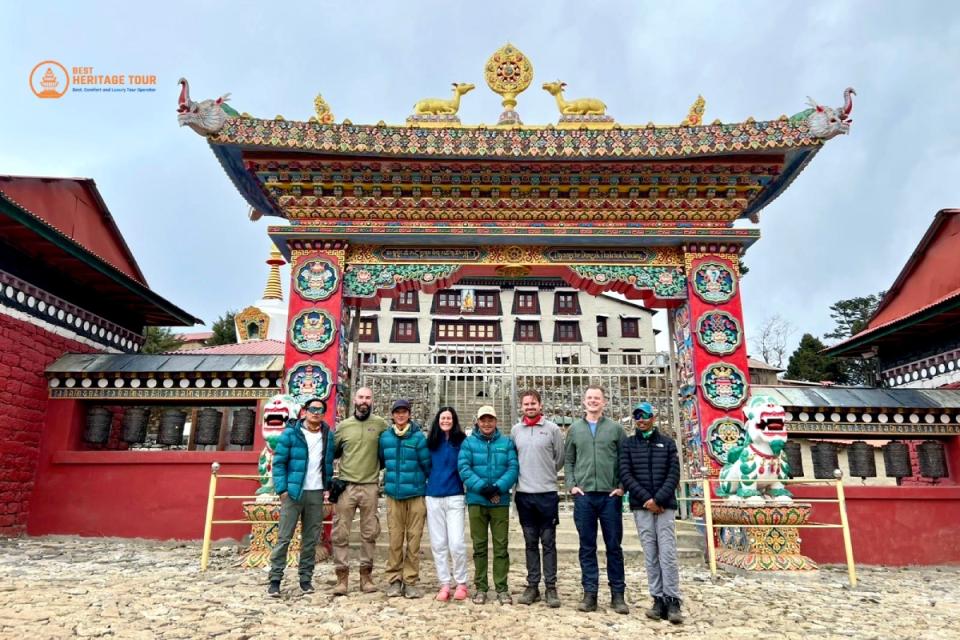
On Day 4, after your first acclimatization day in Namche, you face the legendary climb to Tengboche. While the distance is manageable, the "up-and-down" nature of this day is a mental and physical test.
Why it’s a challenge:
-
The Elevation Reset: The trail first drops sharply to the river at Phungi Thanga (3,250m), meaning you lose hard-earned elevation only to have to climb 600 meters straight back up to the monastery.
-
Dust and Heat: This section can be surprisingly warm and dusty. Sharing the narrow, steep trail with yak caravans requires patience and constant focus.
The Emotional Wall: The Thukla Pass (Dughla Pass)
As you move into the high-altitude desert above the tree line, the terrain becomes stark and unforgiving. The climb from Dughla to the top of the Thukla Pass is arguably the most difficult portion of the Everest Base Camp Trek for your spirit.
Why it’s a challenge:
-
The Memorials: At the top of the pass, you reach a plateau filled with stone chortens (memorials) dedicated to climbers who lost their lives on Everest. It is a somber, emotional place that reminds every traveler of the mountain’s power.
-
Thinning Oxygen: You are now approaching 4,800 meters. The air contains significantly less oxygen than at Namche, and the steep, rocky incline feels like a mountain in itself.
The Technical Grind: Lobuche to Gorak Shep
By the time you reach Day 8 or 9, your body is carrying nearly a week’s worth of fatigue. The stretch from Lobuche to the final settlement of Gorak Shep is where many trekkers feel they have hit "the wall."
Why it’s a challenge:
-
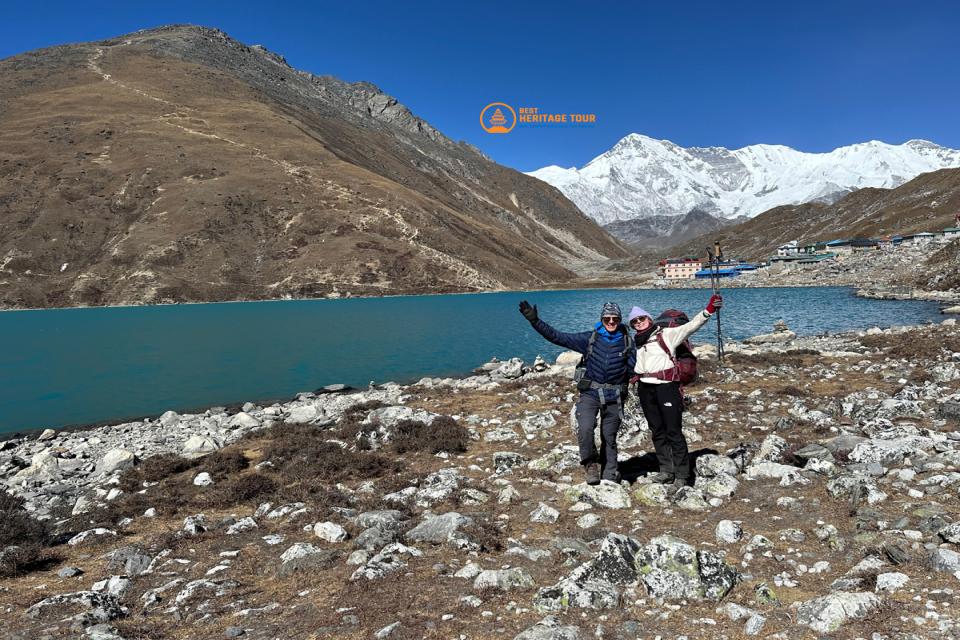
The Glacial Moraine: You are no longer on a "path" in the traditional sense. You are navigating the lateral moraine of the Khumbu Glacier. The terrain is a chaotic mix of loose rock, boulders, and sandy patches that shift under your weight.
-
The Oxygen Void: At 5,000+ meters, oxygen levels are roughly 50% of what they are at sea level. Even a five-minute walk on a flat section can leave you gasping for air.
The Ultimate Test: The Push to Everest Base Camp vs. Kala Patthar
The final "hardest" portion is actually a choice. Once you reach Gorak Shep, you have two primary objectives: reaching the actual Base Camp and summiting the viewpoint of Kala Patthar.
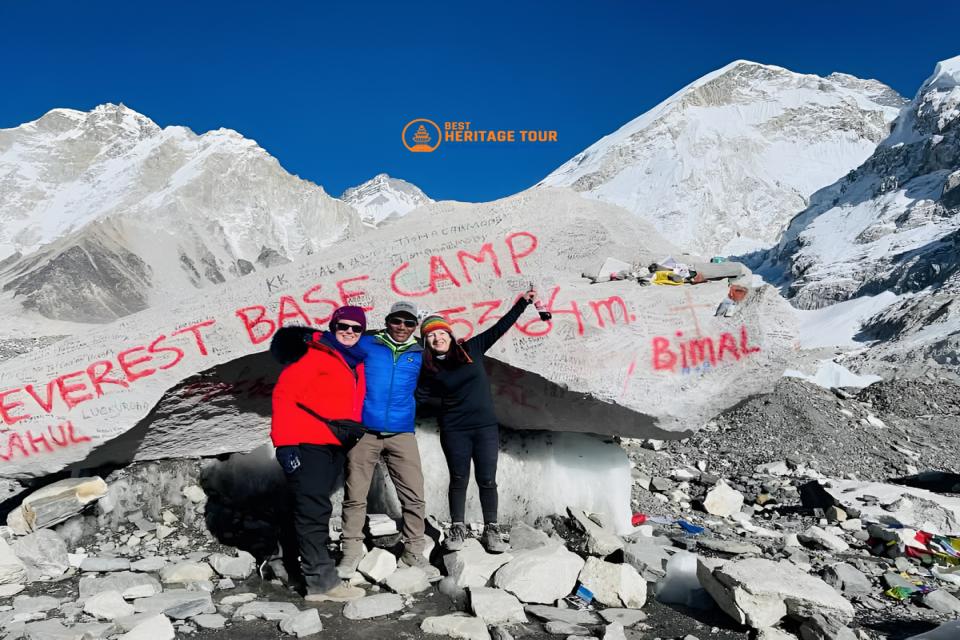
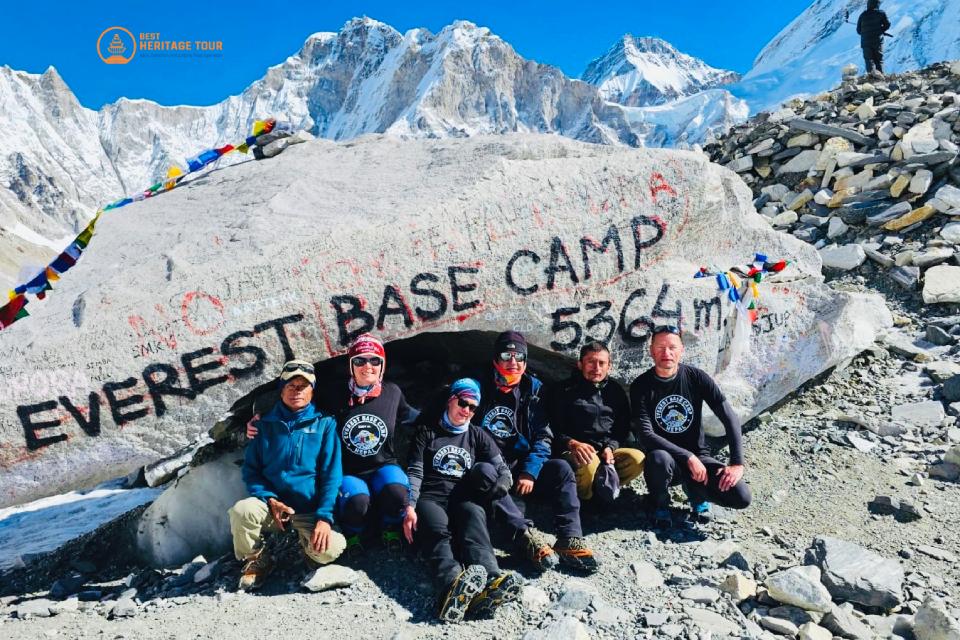
Reaching Everest Base Camp (5,364m)
This is a long, 7-to-8-hour round trip from Gorak Shep. The path is a constant "Himalayan flat" (meaning up and down) over unstable glacial debris. While the achievement is massive, the terrain is taxing on the ankles and knees.
Summiting Kala Patthar (5,550m) - The "True" Hardest Push
Most of our guides agree: if you are looking for the hardest portion of the EBC Trek, it is the sunrise climb to Kala Patthar.
-
The Cold: You usually start at 4:00 AM in temperatures that can drop to -20°C (-4°F).
-
The Incline: It is a steep, unrelenting 400-meter vertical climb.
-
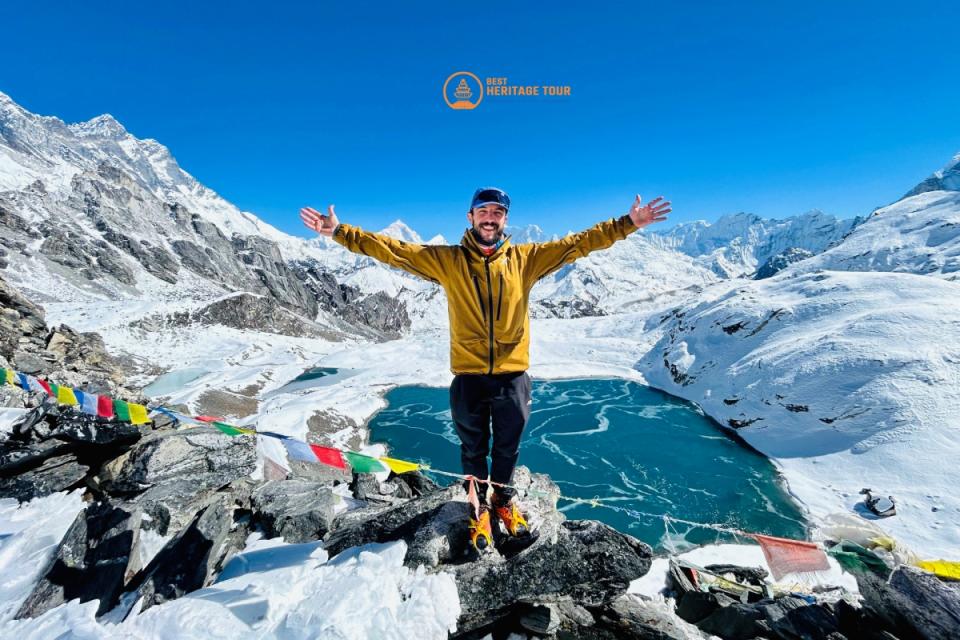
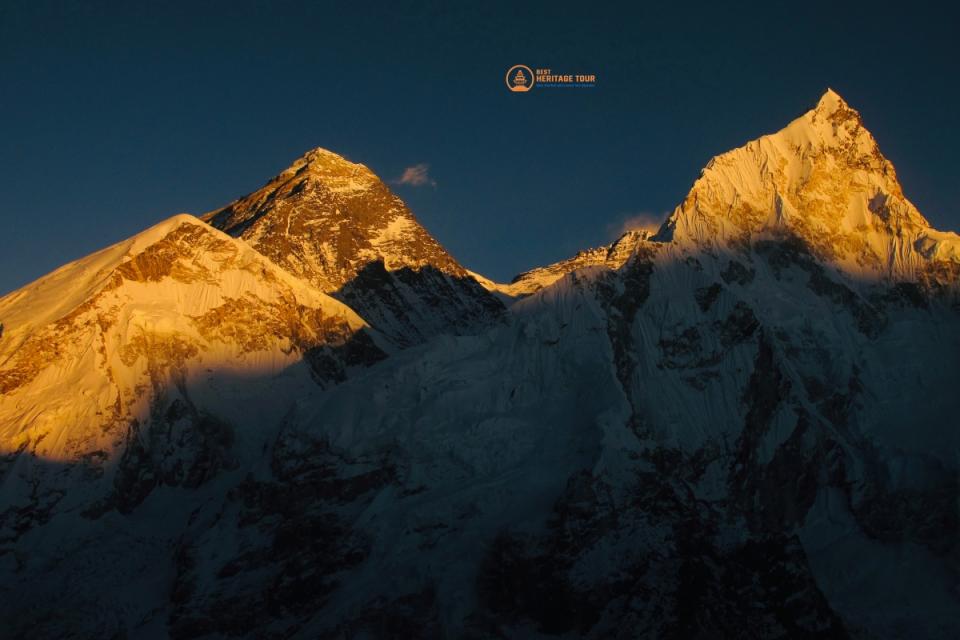
The Reward: It is the highest point of the trek, offering the most famous panoramic view of Everest, Lhotse, and Nuptse.
How to Conquer the Hardest Portions of EBC Trek?
Knowing where the challenges lie is the first step toward overcoming them. Here is how we ensure our guests successfully navigate these difficult sections:
-
Hydration is Non-Negotiable: Aim for 4-5 liters of water daily. Dehydration mimics and worsens altitude sickness.
-
The "Slow and Steady" Rule: Our guides will constantly remind you to walk slower than you think you need to. High-altitude trekking is a marathon, not a sprint.
-
Proper Training: Focus on cardiovascular endurance and leg strength (stair climbing with a weighted pack is excellent preparation) at least 3 months before your flight to Lukla.
-
Mental Resilience: Expect to feel tired. Expect the air to feel thin. When you accept the difficulty as part of the adventure, the "hardest portions" become the most rewarding memories.
Conclusion
The Everest Base Camp trek is designed to challenge you. Whether it’s the steep stairs of Namche or the oxygen-deprived rocks of Gorak Shep, every "hard" portion is a stepping stone to an incredible achievement. At Best Heritage Tour, we don't just lead you to the base of the world's highest peak; we ensure you have the support, local expertise, and safety protocols to enjoy every step of the way.
Ready to take on the Khumbu?
If you have questions about our itineraries, safety equipment, or physical preparation, our team is here to help.
Phone / WhatsApp / Viber: +977-9851149197 / +977-9810043046
Email: info@bestheritagetour.com / bestheritagetour@gmail.com
Website: www.bestheritagetour.com
Office: Thamel Marg, Kathmandu, Nepal
Author: Best Heritage Tour
Date: 20th March, 2026