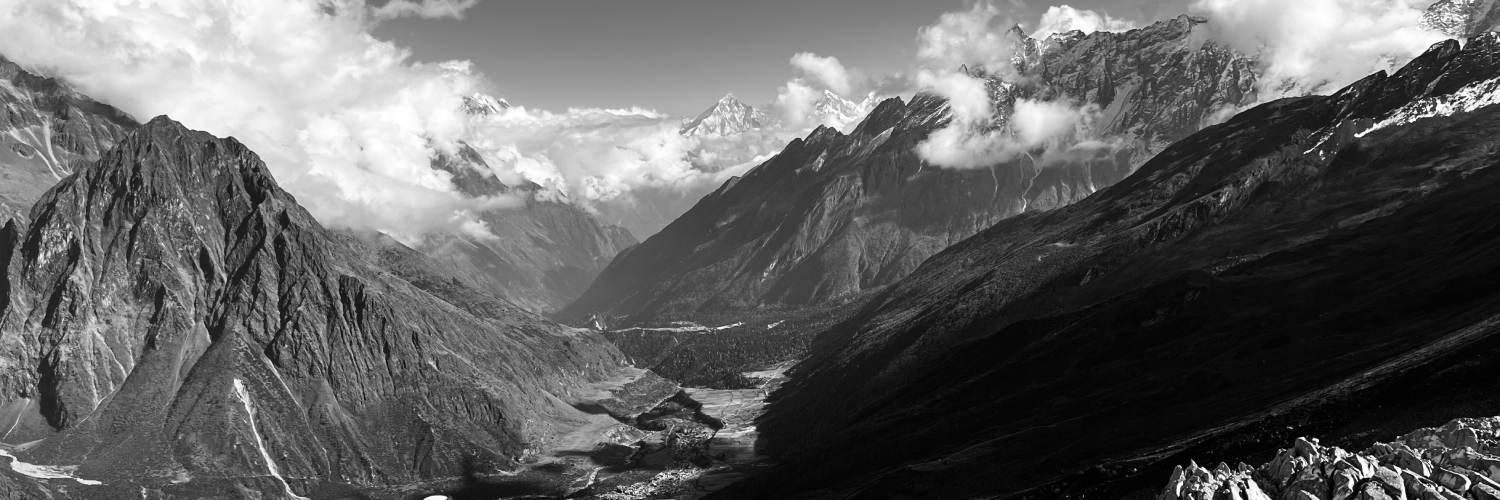
For many trekkers, the Manaslu Circuit is the "holy grail" of Himalayan adventures. It offers the perfect blend of raw, off-the-beaten-path wilderness and the cultural richness of the high Gorkha region. But with great beauty comes a significant physical challenge. If you are planning to circle the world's eighth-highest peak, one question is likely at the top of your mind: Which is the hardest portion in the Manaslu Circuit Trek?
At Best Heritage Tour, we believe that preparation is the key to a successful journey. Having guided hundreds of travelers through these rugged landscapes, we know that understanding the "crux" of the trek - the most demanding section - can make the difference between an exhausting ordeal and a triumphant achievement.
In this comprehensive guide, we will break down the difficult portions of the Manaslu Circuit Trek, identify the single hardest day, and provide expert insight into how you can prepare to conquer the Himalayas.
Identifying the Hardest Portion: Larkya La Pass (5,106m)
Without question, the hardest portion of the Manaslu Circuit Trek is the crossing of the Larkya La Pass. Standing at an elevation of 5,106 meters (16,752 feet), it is the highest point of the journey and the ultimate test of your endurance, mental fortitude, and acclimatization.
While the lower sections of the trek involve lush forests and suspension bridges, the landscape transforms into a high-alpine desert as you approach the pass. Here, the air is thin, the temperatures are unforgiving, and the terrain becomes a mix of loose moraine, ice, and snow.
Why is Larkya La considered the most difficult?
-
Extreme Altitude: At over 5,000 meters, the oxygen level is roughly 50% of what it is at sea level. Every step feels twice as heavy, and your heart rate remains elevated even while resting.
-
Unpredictable Weather: The pass acts as a gateway between the Manaslu and Annapurna regions. This geographical funnel often creates high-velocity winds and sudden snowstorms, even during the peak trekking seasons of Spring and Autumn.
-
The "Longest" Day: It isn't just the climb that is hard; it is the sheer duration of the effort required.
The Hardest Day in the Manaslu Circuit Trek: Dharmashala to Bimthang
If we have to pinpoint the hardest day in the Manaslu Circuit Trek, it is the push from Dharmashala (4,460m) to Bimthang (3,720m) via the Larkya La Pass. This is "Summit Day" for Manaslu trekkers, and it demands everything you’ve got.
The Midnight Start
The day typically begins around 3:00 AM or 4:00 AM. Why so early? In the Himalayas, the weather is most stable in the early morning. By midday, fierce winds usually pick up at the pass, making the crossing dangerous. You will start your climb in the freezing dark, guided only by the glow of your headlamp and the crunch of frost beneath your boots.
The Grueling Ascent
The ascent from Dharmashala to the top of the pass takes approximately 4 to 5 hours. The trail winds through lateral moraines of the Larkya Glacier. It is not technically "climbing" in the sense of using ropes, but the steep, rocky switchbacks combined with the thin air make it a slow, rhythmic grind.
The Brutal Descent
Many trekkers assume that once they reach the prayer flags at the summit of Larkya La, the hard work is over. In reality, the descent to Bimthang is often cited as the most difficult portion of the Manaslu Circuit Trek for the knees and joints.
You must drop nearly 1,400 vertical meters in a single afternoon. The path is often slippery with ice or loose scree (small rocks). This 4-to-5-hour descent requires intense concentration and steady footwork to avoid injury, especially when your legs are already fatigued from the morning climb.
Other Notable Difficult Portions of the Manaslu Circuit Trek
While the pass is the main event, the Manaslu Circuit is a "strenuous" grade trek for a reason. Several other sections contribute to the overall difficulty:
1. The Steep Grinds: Jagat to Deng
In the early days of the trek, you are still at a lower altitude, but the terrain is "Nepali Flat" - which, as we locals say, means "a little bit up, a little bit down." The section between Jagat and Deng involves narrow cliffside trails and thousands of stone steps. The heat and humidity of the lower valleys can be surprisingly draining before you even reach the cold alpine zones.
2. The Acclimatization Gap: Samagaun to Samdo
As you move from Samagaun (3,530m) to Samdo (3,860m), you officially enter the "High Altitude" zone. The risk of Acute Mountain Sickness (AMS) increases significantly here. This portion isn't physically the steepest, but it is "hard" because your body is working overtime to adapt to the lack of oxygen. Skipping rest days here is the most common reason trekkers fail to reach the pass.
3. The Basic Logistics at Dharmashala (Larke Phedi)
Dharmashala is not a village; it is a high-altitude "base camp" with very basic teahouses. The accommodation here is seasonal and often crowded. Sleeping at 4,460m in a cold, shared room can be a mental challenge. A poor night's sleep here often makes the subsequent pass crossing feel much harder than it actually is.
Manaslu Circuit vs. Other Treks: How Hard Is It?
To give you a better perspective, we often compare the Manaslu Circuit to its famous neighbors:
-
vs. Annapurna Circuit: Manaslu is generally considered harder. While both have high passes (Thorong La is actually higher at 5,416m), the Manaslu trail is more rugged, remote, and less developed. There are fewer "exit" points if you get tired or sick.
-
vs. Everest Base Camp (EBC): The maximum altitude of EBC (Kala Patthar) is higher, but the Manaslu Circuit is a longer journey with more "sustained" difficulty. EBC has more luxury lodges; Manaslu remains a raw, wilderness experience.
|
Feature |
Manaslu Circuit Trek |
Annapurna Circuit |
|---|---|---|
|
Max Altitude |
5,106m (Larkya La) |
5,416m (Thorong La) |
|
Daily Walking |
6-8 Hours |
5-7 Hours |
|
Remoteness |
High (Restricted Area) |
Moderate (Developed) |
|
Hardest Section |
Larkya La Descent |
Thorong La Ascent |
Expert Tips to Conquer the Hardest Portions
At Best Heritage Tour, we don't want the difficulty to discourage you. Instead, we want you to be prepared. Here is how our guides help trekkers successfully navigate the hardest day in the Manaslu Circuit Trek:
1. The Power of "Bistari, Bistari"
In Nepali, Bistari means "slowly." The secret to high-altitude trekking isn't speed; it's consistency. By keeping a slow, steady pace, you prevent your heart rate from spiking and give your lungs a chance to process the thin air.
2. Strategic Acclimatization
We always recommend at least two nights in Samagaun. This allows you to take a side trip to Manaslu Base Camp (4,800m) or Pungen Gompa. "Climb high, sleep low" is the golden rule. By stressing your body at a higher altitude during the day and returning to a lower elevation to sleep, you "train" your blood to carry more oxygen.
3. Proper Gear for the Pass
On the hardest portion of the Manaslu Circuit Trek, your gear is your lifeline.
-
Trekking Poles: These are non-negotiable for the 1,400m descent from the pass to Bimthang. They reduce the impact on your knees by up to 25%.
-
Microspikes: Depending on the season (especially in late Autumn or early Spring), the descent can be icy. A simple pair of slip-on spikes can prevent dangerous falls.
-
Layering: You will start in sub-zero temperatures at 3:00 AM but will be sweating by the time you reach the lower forests of Bimthang. A high-quality down jacket and moisture-wicking base layers are essential.
4. Hydration and Nutrition
Altitude suppresses appetite, but your body needs fuel. Eat high-carb meals like Dal Bhat (the legendary lentil and rice power-meal) and drink at least 4 liters of water daily. Dehydration is a leading trigger for altitude sickness.
Why Trek with a Professional Company?
The Manaslu region is a Restricted Area, meaning you cannot trek here alone. A licensed guide is mandatory by Nepal law. But beyond legalities, having an experienced team from Best Heritage Tour ensures your safety during the hardest portions.
Our guides are trained to:
-
Monitor your oxygen saturation levels daily using oximeters.
-
Recognize early signs of AMS before they become an emergency.
-
Handle logistics in remote areas like Dharmashala where teahouse space is limited.
-
Navigate the trail if snow covers the path at the pass.
Conclusion
The hardest portion of the Manaslu Circuit Trek is undoubtedly the Larkya La Pass crossing. It is a day of extremes - extreme cold, extreme altitude, and extreme beauty. However, for those who prepare correctly, this "hardest day" becomes the most rewarding highlight of their lives. Standing atop the pass, surrounded by the giants of the Himlung Himal, Cheo Himal, and Annapurna II, you will realize that the struggle was worth every single step.
Are you ready to take on the challenge of the Manaslu Circuit? Whether you are a seasoned trekker or a fit adventurer looking for your first 5,000m pass, we are here to guide you every step of the way.
Contact Best Heritage Tour
If you have more questions about the difficulty of the Manaslu Trek or want to book your 2026/2027 adventure, reach out to us:
Phone / WhatsApp / Viber: +977-9851149197 / +977-9810043046
Email: info@bestheritagetour.com / bestheritagetour@gmail.com
Website: www.bestheritagetour.com
Office: Thamel Marg, Kathmandu, Nepal
Author: Best Heritage Tour
Date: 20th March, 2026